






Biographies & Personalities
14 Surprising Facts About Charly Boy You Never Knew

Charly Boy is one of Nigeria’s most intriguing entertainers and activists. Read these 14 surprising facts about his life, music, activism, and personal journey that you never knew before.
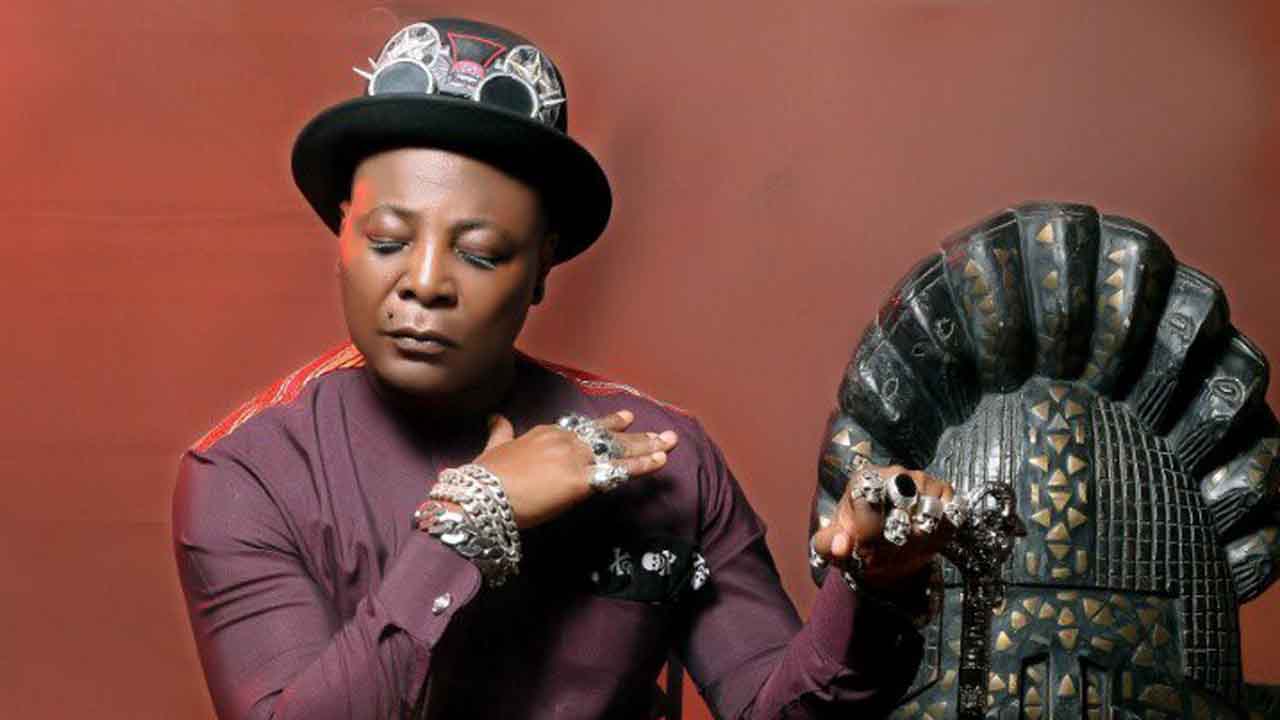
Charly Boy is a name that instantly sparks curiosity across Nigeria and beyond. For more than four decades, he has pushed boundaries with his music, his television presence, his activism, and his unmistakable style.
Yet despite his long career, there are stories about him that many people have never heard. Most biographies focus on the headlines, and leave out the moments that reveal who he really is – the risks he took, the paths he diverged from, and the choices that shaped his life away from the spotlight.
In this article, you will discover 14 surprising facts about Charly Boy that go beyond the ordinary narrative. Some are about his early choices that pointed him toward art instead of tradition. Others reveal how he used his voice to speak for people whose struggles rarely made front‑page news.
These are truths that help to explain not just what Charly Boy did but why he became the cultural figure he is today. If you think you already know his story, prepare to be surprised.
Discover the Untold Sides of Charly Boy
Before we dive into the list, it helps to understand the world Charly Boy has built for himself, because he is more than just a musician or entertainer. Over the years, he has combined art, activism, and bold self-expression to create a persona that challenges expectations and inspires conversation. His life is full of unexpected turns, from early choices that surprised his family to public moments that made the nation take notice.
The following 14 surprising facts about Charly Boy uncover sides of him that most people do not know. Some show his creative genius, others highlight his fearless activism, and a few reveal personal stories that make him surprisingly relatable. Each fact offers a glimpse into the layers that make him one of Nigeria’s most intriguing cultural figures.
1. He Was Born Charles Chukwuemeka Oputa into a Prominent Family
Charly Boy was born Charles Chukwuemeka Oputa on 19 June 1950 in Port Harcourt, Nigeria into a respected family. His father, Justice Chukwudifu Oputa served on Nigeria’s Supreme Court and was widely admired for his integrity and commitment to justice. His upbringing combined discipline, education, and strong moral values which provided a foundation that many would expect to lead him toward a conventional career.
Despite this privileged and stable environment, Charly Boy chose a path few in his family could have imagined. He left behind the predictability of tradition to explore creativity, performance, and social commentary.
This decision was the first of many bold moves that would define the unique persona Nigerians know today. Growing up in a household that valued achievement, yet encouraged curiosity helped him to blend intellect with artistry, thus setting the stage for a life lived on his own terms.
2. He Once Tried to Become a Priest Before Choosing Music
Before the world knew him as Charly Boy, Charles Oputa explored a very different path. Growing up in a devout household, he was drawn to the priesthood and even enrolled in a seminary with the hope of serving in the church. For a time, it seemed that he might follow a life dedicated to faith and spiritual guidance.
However, after a year in the seminary, he realized that his calling was elsewhere. The structured life of the priesthood could not contain the creativity and expression that were already bubbling within him. He left the seminary and eventually moved to the United States where he earned a degree in Communications. This period helped him to gain confidence, broaden his worldview, and develop the skills he would later use to build a career in music, television, and activism.
This decision marked a turning point. It was the moment Charles Oputa started transforming into the bold and unconventional Charly Boy the nation would come to recognize by blending performance, artistry, and social commentary in ways that would challenge norms for decades.

3. His Real “Charly Boy” Persona Was a Carefully Crafted Brand
The name Charly Boy is more than a nickname. It is a persona that Charles Oputa created to express his ideas, challenge societal norms, and leave a lasting impression on Nigeria’s cultural landscape. From the striking outfits to his provocative performances, every detail of the Charly Boy brand was intentional.
He became known for his eccentric fashion choices, often wearing leather, chains, and unusual hairstyles that made him instantly recognizable. But beyond the visuals, the persona allowed him to address political, social, and cultural issues in ways that a conventional public figure could not. Interviews, performances, and television appearances often blurred the lines between entertainment and activism, thereby making Charly Boy both a performer and a commentator.
This careful crafting of identity allowed him to stand out in a crowded entertainment scene. It gave him the freedom to experiment with music, television, and activism while building a persona that was unapologetically bold and unforgettable. In many ways, the Charly Boy brand became a symbol of fearless self-expression in Nigeria.
4. He Blended Music and Politics in Ways Few Others Did
Charly Boy has never treated music as mere entertainment. From the very start, he used his songs to comment on society, politics, and the challenges Nigeria faced. One of his most notable works, the album “1990” released in 1988 directly referenced the anticipation that the military government would return power to civilians by 1990. When that transition did not occur on schedule, the album became controversial, yet it resonated with many Nigerians who shared his frustrations.
Beyond that, his lyrics often addressed corruption, inequality, and social injustice which make his music both provocative and meaningful. Unlike many entertainers who shy away from political commentary, Charly Boy embraced it. His songs sparked conversation and sometimes, even controversy. Yet, they also positioned him as an artist unafraid to speak the truths that others avoided.
By combining rhythm, storytelling, and bold commentary, Charly Boy carved out a unique space where art and activism met. His approach demonstrated that music could be a powerful platform for questioning authority, inspiring reflection, and amplifying the voices of ordinary Nigerians.
5. He Hosted One of Nigeria’s Most Iconic Variety Shows
Beyond music, Charly Boy became a household name through television. In the early 1990s, he launched The Charly Boy Show, a variety programme that aired on NTA Lagos and later reached audiences across Nigeria. The show was unlike anything viewers had seen before, because it combined comedy, music, skits, and social commentary in one lively package.
Through his television presence, he challenged norms and sparked discussions on politics, culture, and everyday life. The show often featured satirical sketches that highlighted societal injustices, and Charly Boy used it as a platform to engage viewers on topics that were otherwise considered sensitive or taboo. Fans loved the unpredictability of each episode, from musical performances to bold fashion statements which became part of his signature style.
The Charly Boy Show cemented his reputation not just as a musician but as a creative force who could entertain, provoke thought, and inspire conversation all at once. It was a stage where his persona, activism, and artistry converged, leaving a lasting mark on Nigerian television and pop culture.
6. He Was Once a Judge on a Major Reality TV Show
Charly Boy expanded his influence into reality television when he became a judge on Nigerian Idol in 2011. Known for his bold personality and unconventional style, he brought a unique energy to the show that both surprised and entertained audiences. Unlike other judges, he was unafraid to express candid opinions, sometimes, using humour or dramatic flair to make a point.
One of the most memorable moments during his tenure involved bringing unusual props to the judging panel, including a python and even a human skull which sparked nationwide conversation. Though controversial, these actions were consistent with his persona as someone who challenges expectations and encourages people to question norms.
Charly Boy’s presence on Nigerian Idol connected him to a younger generation who may not have grown up with his music or television shows, thus allowing him to remain culturally relevant across different audiences. This experience reinforced his reputation as a multifaceted entertainer who combines creativity, performance, and social commentary in ways few others dare to attempt.

7. He Has Been a Tireless Advocate for Ordinary Nigerians
Beyond entertainment, Charly Boy is widely recognized for his activism and dedication to social causes. He has consistently used his platform to speak up for groups that often feel ignored or marginalized. Over the years, he has championed the rights of motorcycle taxi (okada) riders, military pensioners, and everyday citizens facing injustice.
In 2012, he became a prominent voice during national protests against policies like fuel subsidy removals. His commitment to activism even led to arrests for civil disobedience. In 2017, he launched the movement Our Mumu Don Do which sought to hold government leaders accountable and encourage civic responsibility.
Through music, television, and public action, Charly Boy has combined art with advocacy, and proven that entertainment can serve a larger purpose. His willingness to stand up for ordinary Nigerians has made him a figure of respect and controversy, a rare combination that keeps his legacy both relevant and inspiring.
8. He Is a Producer and Writer
While many know Charly Boy for his music and bold public persona, he has also worked extensively behind the scenes as a producer and writer. He founded New Waves Productions, through which he produced music videos, television programmes, and other creative projects that showcased his vision and supported emerging talent.
In addition, he published The Charly Boy Magazine where he shared insights on culture, entertainment, and social issues. Through this platform, he wrote articles that reflected his unique perspective and encouraged critical thinking among readers. His work as a producer and writer demonstrates that he sees entertainment as a tool for expression, communication, and influence rather than simply fame.
By taking on multiple roles in the creative industry, Charly Boy has shaped Nigeria’s cultural landscape in ways that go beyond performing. His contributions behind the camera and the page highlight his versatility and reinforce why he is regarded as one of the country’s most dynamic cultural figures.
9. He Appears in Films and Keeps Evolving as an Artist
Charly Boy is not just a musician, producer, and activist; he has also made his mark in the Nigerian film industry. Over the years, he has appeared in several Nollywood films, including Backstab (1996) and more recent works such as King of Boys and Money Miss Road. His roles often reflect his daring personality, and add depth and intrigue to the characters he portrays.
Even as he has aged, Charly Boy continues to experiment with new forms of artistic expression. He has released new music inspired by his film roles, collaborated with younger artists, and explored different visual styles for his performances. This ability to evolve keeps him culturally relevant and shows that he views art as a lifelong journey rather than a static career.
Through music, television, writing, and film, Charly Boy remains a creative force whose work resonates across generations. His willingness to take risks and reinvent himself highlights why he is widely regarded as one of Nigeria’s most versatile and enduring entertainers.
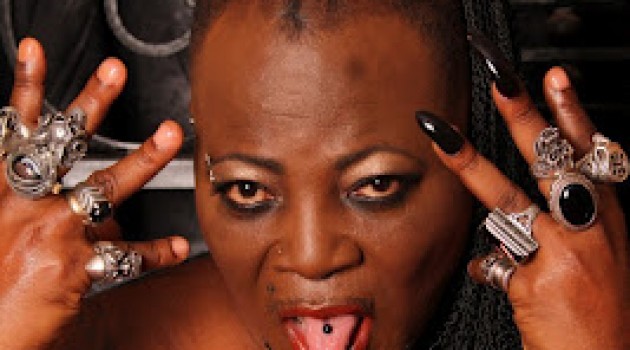
10. Unique Fashion and Style Influence
One of the most striking things about Charly Boy is his fearless fashion sense. Over decades, he has made bold statements through clothing, hairstyles, and stage accessories. From leather jackets and chains to dramatic makeup and unconventional hairstyles, his looks have always pushed boundaries and challenged norms.
Charly Boy’s style was never just about shock value. It became a tool to express individuality, creativity, and social commentary. His outfits often reflected themes in his music or television work, and gave audiences a visual story alongside the lyrics or sketches. Many younger Nigerian artists and entertainers cite him as an inspiration, noting that his willingness to be different paved the way for freedom of expression in fashion and performance.
Through fashion, Charly Boy showed that self-expression is as much about courage as it is about creativity. His style made him instantly recognizable and reinforced his brand as someone who refuses to be confined by expectations.
11. Television and Media Impact
Charly Boy’s influence goes far beyond music. He has been a significant figure in Nigerian television for decades. His flagship show, The Charly Boy Show combined comedy, skits, interviews, and music to create a format that was fresh and bold at the time. The show often included satirical commentary on politics and society, making it both entertaining and thought-provoking.
Beyond his own show, Charly Boy appeared on talk shows, reality TV, and documentaries. His presence on Nigerian Idol and other media projects connected him with younger viewers in a way that showed that his creativity and opinions are relevant across generations.
Through media, he transformed from just a musician into a cultural commentator and influencer. His television work reinforced his persona and gave him a platform to blend entertainment with social observation in ways few others have attempted.
12. Activism and Social Campaigns
Few entertainers in Nigeria have combined artistry with activism as consistently as Charly Boy. Throughout his career, he has been a vocal advocate for marginalized communities. He stood with motorcycle taxi riders, pensioners, and ordinary citizens facing injustice.
In 2012, he became widely known for his involvement in protests against government policies, including fuel subsidy removals. He has been arrested during civil disobedience. In 2017, he launched Our Mumu Don Do, a civic movement aimed at holding leaders accountable and encouraging ordinary Nigerians to engage in national discourse.
Charly Boy’s activism is not limited to street protests. He uses music, television, and public appearances to highlight social issues with the aim of ensuring that his voice reaches audiences that traditional activism might not touch. His commitment to social campaigns demonstrates a rare combination of creativity, courage, and civic responsibility.
13. Controversies and Public Relations
Charly Boy’s life in the spotlight has not been without controversy. Known for provocative statements and actions, he has often made headlines and sparked debates across Nigeria. From bold fashion choices to bringing unusual props on live television, his actions frequently challenged social norms.
At times, these controversies led to public criticism or debate over his motives. However, they also reinforced his image as a fearless cultural figure unafraid to confront the status quo. He has skillfully used public relations to maintain relevance by turning moments of controversy into opportunities to spark conversation about creativity, freedom of expression, and social responsibility.
Even in contentious situations, Charly Boy remains an example of someone who balances provocation with purpose, thus using public attention to shed light on issues and inspire dialogue.
14. Behind the Persona, He Has a Long Marriage and Family Life
While the world often focuses on Charly Boy’s bold public persona, his personal life reveals a different, quieter side. He has been married to Diane, an African-American singer and former fashion designer, for more than forty years. Together, they have children, and Charly Boy also has children from previous relationships.
Despite the rumours and speculation that have surrounded him over the years, he has consistently affirmed that his marriage and family are central to his life. This side of Charly Boy shows a man who values commitment, love, and stability, even while publicly challenging societal norms and expectations.
Understanding this personal dimension helps to humanize the entertainer. Beyond the music, activism, and eccentric appearances, he is also a husband, father, grandfather, and recently, great-grandfather who is balancing family responsibilities with his relentless drive to innovate and inspire in the public sphere.
In Conclusion …
From Charles Chukwuemeka Oputa’s early life in a respected family to his bold public persona as Charly Boy, his journey is a story of courage, creativity, and relentless self-expression. Over decades, he has defied expectations, and blended music, television, activism, and fashion into a life that is as unconventional as it is inspiring.
The 14 surprising facts we’ve explored show that Charly Boy is more than the eccentric entertainer the public often sees. He is a thinker, an advocate, a family man, and a cultural pioneer who has influenced generations of Nigerians. Whether through provocative fashion, powerful music, daring television appearances, or tireless activism, he has left an indelible mark on Nigeria’s cultural and social landscape.
Getting acquainted with his persona requires seeing beyond the public spectacle and recognizing the depth of his contributions. He reminds us that living boldly, speaking truth to power, and embracing individuality can leave a legacy that resonates far beyond the spotlight.
For fans and newcomers alike, Charly Boy remains a figure whose life continues to surprise, inspire, and challenge the ordinary.
References
- https://en.wikipedia.org/wiki/Charly_Boy
- https://www.legit.ng/362148-charly-boy-reveals-things-about-himself.html
- https://www.ripplesnigeria.com/photoscene-charly-boy-leads-mumu-don-topless-protest/
- https://creebhills.com/2025/06/no-regrets-only-gratitude-charly-boy-reflects-on-life-at-75
You might want to check this out …