


African Philosophy and Thoughts
Ilo Uwa: The Fascinating Age-Old Belief of Igbo People in Reincarnation

Ilo Uwa is the traditional Igbo belief in reincarnation, describing how souls return to the world through family lines and are recognized by signs like birthmarks and behavior, with documented cultural and academic support.

The Igbo people of southeastern Nigeria hold a belief that life does not end with death. This belief which is known as Ilo Uwa teaches that a soul can return to the world, often within the same family. Unlike the general ideas of reincarnation, Ilo Uwa is deeply tied to family, lineage, and ancestral connections in a way that gives life and loss a continuous meaning that spans generations.
Families often recognize returning souls through subtle signs. A child may bear a birthmark reminiscent of a deceased relative, show familiar gestures, or speak in ways that echo someone long gone. These moments are not taken lightly. Elders and spiritual advisors, sometimes, guide families in understanding the signs, to confirm whether a child carries the spirit of someone who has passed.
This belief is not merely folklore. Scholars and anthropologists have documented Ilo Uwa, highlighting its role in defining Igbo identity, social values, and how communities make sense of life and death. From historical practices to modern interpretations, reincarnation continues to influence storytelling, family traditions, and cultural thought.
In this article, we explore the origins, significance, and contemporary relevance of Ilo Uwa, and reveal why this age-old belief remains a fascinating part of Igbo cosmology.
Meaning of Ilo Uwa
Ilo Uwa is a central belief in Igbo cosmology that describes the return of someone to the world after death. The term itself comes from two Igbo words: ilo, meaning “to return,” and uwa, meaning “the world.” Together, they capture the idea that life is a cycle, and that some souls do not simply disappear after death. Instead, they come back, often through children born into the same family.
Unlike reincarnation concepts in other cultures which may allow a soul to appear in any form or location, Ilo Uwa emphasizes continuity within a family line. It is closely tied to ancestry, community, and moral responsibility. In this view, the return serves both spiritual and social purposes. It maintains the bond between the past and present generations and reinforces family identity.
Recognition of a returning soul often relies on careful observation. Families may notice a child who displays traits, behaviours, or even preferences that resemble those of a deceased relative. Birthmarks, unusual skills, or memories that seem inexplicable can all be interpreted as signs of Ilo Uwa. Elders and spiritual advisors, sometimes, guide families to understand these signs by offering insight into the child’s spiritual origin.
This belief is more than an abstract idea, because it has shaped how the Igbo approach life, death, and family relationships for centuries. By viewing life as a cycle rather than a linear path, Ilo Uwa provides meaning and continuity, connecting generations in ways that influence culture, ethics, and personal identity.
Historical and Cultural Origins
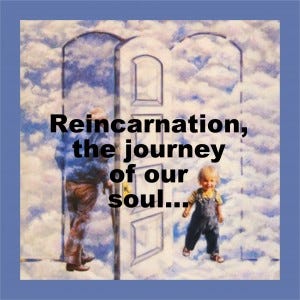
The belief in Ilo Uwa did not emerge from a single written text or historical moment. Instead, it grew from centuries of Igbo oral tradition and cosmological understanding of life, death, and ancestry. Long before European contact with Igboland in the fifteenth century, communities across the region shared a worldview that placed the living, the dead, and the yet-to-be-born in a connected spiritual reality.
This interconnected world is part of Igbo traditional religion, sometimes, referred to as Odinani which includes beliefs in ancestors, spirits, and cosmic forces that shape human life and community well‑being.
Within this traditional Igbo religious system, the ancestral realm is not distant or separate. After death, individuals who lived moral lives are believed to move into the spiritual world of ancestors known as ndichie. From that realm, some may return to the community of the living through birth as a new child. This return to the world of the living is what the Igbo call Ilo Uwa which literally means “to return to the world.” This belief places the journey of the soul at the heart of family continuity and social life in a way that links the past, present, and future generations.
Scholarly studies on Igbo belief systems describe Ilo Uwa as part of broader cycles of life understood within Igbo culture. A person’s life may complete multiple cycles of return before the soul finally rests among the ancestors. Research has shown that within the Igbo conceptual framework, a human being may experience up to seven life cycles, a concept referred to as uwam uwa asaa, before taking final rest in the ancestral realm.
Igbo cosmology traditionally divides existence into multiple realms that interact with each other. The visible world of humans is only one part of this structure. The spiritual world of ancestors coexists with the realm of the unborn, and the interaction among these realms explains how souls may return to life and continue relationships with their families. In this view, life and death are not rigidly separate but are parts of a continuous cosmic process.
The cultural origins of Ilo Uwa are also reflected in everyday practices. Families may consult spiritual advisors (dibia or traditional diviners) to interpret signs that a newborn carries the spirit of a deceased relative. Rituals, naming practices, and oral histories all serve to maintain and transmit the belief that the spiritual and material worlds are interconnected. These traditions have adapted over time, especially with the spread of Christianity in Igboland. Yet, many people still acknowledge elements of Ilo Uwa within their cultural understanding of life and community.
In essence, Ilo Uwa has deep historical and cultural origins rooted in Igbo spiritual worldview. It is tied to the idea that life, death, and ancestral presence form a continuum. These beliefs did not emerge overnight or from a single text but developed through generations of shared meaning, ceremony, and explanations of human existence within the Igbo cultural context.
Signs of Reincarnation in Igbo Society
In Igbo communities, the recognition of Ilo Uwa is not left to chance. Families and elders observe specific signs that suggest a soul has returned to the world. These indicators are part of a cultural system that has been passed down through generations and remain deeply respected, even in modern times.
One of the most commonly noted signs is birthmarks or physical traits. A newborn may carry marks or features that resemble those of a deceased relative. These could be scars, moles, or other distinctive marks that appear in the same locations as those on the dead person’s body. Such physical similarities are often the first hint that a child may be a returning soul.
Another important sign is behavioural resemblance. A child might display mannerisms, gestures, or habits similar to a deceased family member. This can include preferences for certain foods, toys, or activities that were known to be enjoyed by the deceased. In some cases, toddlers may speak words or phrases that their family believes only the deceased could have known. Such behaviours often lead families to consult elders or spiritual advisors to interpret their meaning.
Divination and consultation with spiritual leaders are also key practices. Traditional doctors known as dibia or diviners, may be called upon to confirm whether a child carries the soul of a departed relative. These advisors rely on oral histories, family knowledge, and traditional divination methods to help families understand and acknowledge the child’s spiritual identity.
Sometimes, families report strong emotional or psychological connections between the child and the deceased. These may include unexplained fears, dreams, or reactions that seem tied to the life of the departed. In many cases, the acknowledgment of Ilo Uwa strengthens family cohesion and honours ancestral presence.
It is important to note that not every resemblance or unusual behaviour is automatically considered a sign of reincarnation. Communities interpret such occurrences carefully, often weighing multiple signs before concluding that a soul has returned. This reflects the careful, culturally grounded nature of Ilo Uwa within Igbo society.
Through these observations like physical marks, behavioural patterns, spiritual consultation, and familial insight, the Igbo maintain a living system for recognizing returning souls. These practices continue to offer a profound connection between past and present generations, and ensure that the belief in Ilo Uwa remains a living part of Igbo culture.
The Role of Ogbanje in Reincarnation Belief
Within the broader framework of Ilo Uwa, the concept of ogbanje occupies a unique and significant place in Igbo spiritual understanding. While Ilo Uwa refers generally to the return of a soul, ogbanje describes a particular kind of recurring soul, one that often returns multiple times to the same family, sometimes, causing repeated misfortune or child mortality. This belief has been widely documented in anthropological and medical studies of Igbo society.
Traditionally, a child identified as ogbanje may die young and be believed to return as a new baby within the same family. Families often observe unusual patterns. The child may exhibit behaviours, fears, or habits reminiscent of a deceased sibling or relative. Birthmarks or other physical signs may also be present as sign of a soul’s return. These indicators guide families in understanding the child’s spiritual identity.
The belief in ogbanje served a practical cultural purpose. In pre-modern Igbo communities where child mortality rates were high, the idea of recurring souls provided a framework for making sense of repeated losses. Families could interpret patterns of death and birth in spiritual terms, thus offering meaning and structure to experiences that otherwise might seem random or tragic.
In some cases, the phenomenon of ogbanje intersected with medical conditions. Scholars have noted that many children historically identified as ogbanje may have had illnesses like sickle cell disease which is prevalent in parts of Igboland. The recurrence of symptoms or repeated early deaths aligned with traditional explanations of returning spirits, and demonstrated a complex interaction between cultural belief and health realities.
Rituals and spiritual interventions often accompanied the acknowledgment of ogbanje. Families might consult a dibia (traditional healer or diviner) to perform rites aimed at “breaking” the cycle with the aim of ensuring the soul of the child would remain in the world or achieve permanent rest among ancestors. These practices reflect the seriousness with which the Igbo approach spiritual balance, child well-being, and family continuity.
While ogbanje represents a challenging aspect of Ilo Uwa, it highlights the nuanced understanding Igbo people have of life cycles and spiritual continuity. The belief shows that not all returning souls are seen as straightforward blessings. Some require careful attention, guidance, and ritual acknowledgment. In this sense, ogbanje contributes to a richer understanding of Ilo Uwa by demonstrating how the Igbo reconcile life, death, health, and spirituality within a coherent cultural framework.
Philosophical and Spiritual Significance

The belief in Ilo Uwa is not merely a cultural curiosity. It offers profound insight into how the Igbo understand life, death, and the nature of human existence. Basically, Ilo Uwa reflects a worldview in which life is a continuous journey rather than a series of disconnected events. Death is not seen as an absolute end but as a stage in a cycle that links the past, present, and future generations. This perspective informs how individuals relate to family, community, and ancestry.
Spiritually, Ilo Uwa reinforces the connection between the living and the ancestors. In Igbo cosmology, ancestors are not distant figures, rather, they actively influence the well-being, prosperity, and moral guidance of their families. A returning soul embodies this connection, and reminds families that life is shared across time and that ethical conduct, community responsibility, and respect for tradition have lasting significance.
Philosophically, the concept encourages reflection on human purpose and destiny. By recognizing that a soul may return to complete unfinished business, carry lessons from the past, or reinforce family bonds, Igbo people cultivate a sense of responsibility and continuity. Life is thus intertwined with moral and spiritual obligations, as each action has implications that ripple across generations.
Furthermore, Ilo Uwa provides a framework for understanding loss and grief. When a child or family member passes away, communities can interpret the event not as a final rupture but as part of an ongoing spiritual journey. This perspective offers comfort and meaning that turn grief into a reflection on continuity, legacy, and the enduring presence of loved ones.
In a broader sense, the belief highlights the Igbo understanding of life as both individual and collective. Each person’s journey is unique. But then, it is also inseparable from the family, clan, and ancestral lineage. Ilo Uwa thus serves as both a philosophical and spiritual lens that reveal how the Igbo integrate ethics, family cohesion, and spiritual awareness into everyday life.
In modern times, this significance continues to resonate. Even with exposure to global religions and contemporary science, many Igbo people maintain respect for Ilo Uwa, and still recognize it as a guiding principle that informs identity, moral behaviour, and the spiritual framework of community life.
Contemporary Relevance
Even in today’s rapidly changing world, the belief in Ilo Uwa continues to hold significance for many Igbo people. Modern life, with its exposure to global religions, technology, and urbanization might seem at odds with traditional beliefs. Yet, elements of Ilo Uwa persist in family practices, cultural expressions, and personal reflections on life and ancestry.
In contemporary Igbo communities, families may still notice traits in children that remind them of deceased relatives. While not every resemblance is interpreted literally, such observations often spark conversations about heritage, family bonds, and the continuity of life. For instance, parents may name a child after a late ancestor and observe the child for familiar habits or traits. These practices reflect a living awareness of Ilo Uwa in daily life
The belief also influences storytelling, literature, and popular media. Nigerian authors and filmmakers, sometimes, incorporate themes of Ilo Uwa and reincarnation, exploring the intersection of tradition, identity, and morality. Such cultural representations keep the concept visible, accessible, and meaningful to the younger generations who may otherwise be distanced from ancestral practices.
Beyond cultural expressions, Ilo Uwa influences social and moral values. It reinforces respect for elders, ethical behaviour, and family responsibility. When a returning soul is recognized, the community is reminded of its connection to the past and the importance of nurturing future generations. This continuity offers a sense of stability in an era often defined by rapid change.
Interestingly, Ilo Uwa has also become a point of dialogue between traditional beliefs and modern science. Some researchers have examined cases historically attributed to reincarnation or ogbanje in the context of genetics and medical conditions like sickle cell disease. While science explains the physical aspects, the cultural and spiritual significance of Ilo Uwa remains deeply respected within Igbo communities.
In fact, Ilo Uwa is not merely a historical concept. It is still influencing how people understand identity, family, and spiritual continuity. Its presence in contemporary Igbo life demonstrates the enduring power of traditional beliefs to provide meaning, comfort, and guidance, even amidst modern challenges.
Common Misconceptions
Despite its deep roots in Igbo culture, Ilo Uwa is often misunderstood, both within and outside the Igbo community. Misinterpretations can distort the belief, thus reducing it to superstition or folklore, rather than recognizing its cultural, spiritual, and philosophical significance.
One common misconception is that Ilo Uwa implies every unusual behaviour in a child is a sign of reincarnation. In reality, Igbo communities interpret returning souls with caution. Families often look for multiple indicators, including birthmarks, behavioural traits, and guidance from elders or spiritual advisors, before concluding that a child embodies a returning soul. Not every resemblance or habit automatically signifies reincarnation.
Another misunderstanding is equating Ilo Uwa solely with ogbanje, the recurring spirit associated with child mortality. While ogbanje is a specific subset of returning souls, Ilo Uwa encompasses all forms of reincarnation, including positive and neutral returns that strengthen family bonds or carry ancestral wisdom. Conflating the two oversimplifies the belief and ignores its broader social and spiritual context.
Some outsiders assume that the belief is incompatible with modern religion or science. While many Igbo people are Christian or Muslim today, Ilo Uwa often coexists with these faiths as a cultural framework rather than a conflicting doctrine. Likewise, modern medicine may explain certain patterns historically attributed to reincarnation, such as genetic traits or illnesses. However, the spiritual and symbolic meaning of Ilo Uwa remains significant in understanding family continuity and cultural identity.
Finally, some people perceive Ilo Uwa as mere superstition without practical relevance. In truth, the belief has historically guided family decisions, child-rearing practices, and community ethics. By acknowledging returning souls, the Igbo reinforce respect for ancestors, cultivate moral responsibility, and maintain continuity across generations.
Clarifying these misconceptions is pertinent as it allows both the Igbo and non-Igbo readers to appreciate Ilo Uwa as a meaningful cultural and spiritual system, rather than dismissing it as mere folklore or myth.
In Conclusion …
The belief in Ilo Uwa reveals a worldview where life, death, and ancestry are deeply interconnected. It teaches that souls may return, often within the same family, carrying traits, behaviours, or lessons from those who came before. This age-old Igbo tradition is more than a spiritual idea. It provides meaning, continuity, and moral guidance for families and communities.
From historical roots in Odinani and ancestral reverence to contemporary practices in naming, storytelling, and family observation, Ilo Uwa remains a living part of Igbo culture. Even in modern society, it continues to influence how people understand identity, relationships, and the cycles of life.
Recognizing the signs of returning souls, understanding the role of ogbanje, and appreciating the philosophical and spiritual significance of Ilo Uwa allows us to see life as a continuous journey rather than a series of disconnected events.
By exploring Ilo Uwa, we gain insight into how the Igbo navigate grief, celebrate new life, and maintain bonds that transcend time. This belief highlights the enduring power of cultural traditions to form values, reinforce family cohesion, and offer comfort in a complex, ever-changing world.
References
- https://brill.com/view/journals/jaas/20/1-2/article-p13_2.xml
- https://brill.com/view/journals/jaas/21/3-4/article-p204_5.xml
- https://nigerianjournalsonline.com/index.php/NJAS/article/view/3226
- https://nigerianjournalsonline.org/index.php/SIST/article/view/907
- https://nigerianjournalsonline.org/index.php/ODEZURUIGBO/article/view/662
- https://www.pulse.ng/story/the-concept-of-reincarnation-in-igbo-and-yoruba-culture-2024072522213418988
You might want to check this out …