


African Culture & Heritage
Ineh Festival in Ogwashi Uku: History, Meaning, and Cultural Significance

Ineh Festival in Ogwashi‑Uku is a rich cultural celebration of harvest, community unity, and tradition that tells the history and meaning of this valued Delta State tradition.

Every year, as the rains taper and the yam harvest ripens, the town of Ogwashi‑Uku in Delta State awakens to a rhythm that has carried through generations. The streets fill with laughter, drums beat in harmony with eager hearts, and families gather to honour a tradition that has endured for centuries. It is the Ineh Festival, a celebration that goes far beyond music, dance, and feasting. It is a story of gratitude, community, and identity.
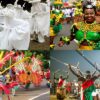
For the people of Ogwashi‑Uku, Ineh Festival is a moment to pause and give thanks for the harvest, share joy with neighbours, and reconnect with the past while embracing the present. From the palace of the Obi to the streets where the children and elders move together in song and dance, every detail of the festival carries meaning. It reminds everyone that culture is not just preserved in books or museums but lived, shared, and celebrated with warmth and pride.
In this article, we explore the Ineh Festival in depth. Its history, rituals, and enduring significance. We uncover the meaning behind its ceremonies, the roles of the traditional leaders, and the ways it continues to bring the community together in the modern era.
Whether you are discovering Ogwashi‑Uku for the first time or revisiting a cherished tradition, Ineh Festival offers a glimpse into a living heritage that unites generations.
Historical and Cultural Context of Ogwashi‑Uku
Ogwashi‑Uku is a prominent town in Delta State located in the Anioma region of Nigeria. The town is part of the Igbo cultural landscape in the South-South, and its history stretches back many generations. Known for its fertile lands and industrious people, Ogwashi‑Uku has long been a centre for agriculture, trade, and craftsmanship. Farming, particularly the cultivation of yams has played a central role in the life of the community, and influenced social customs, festivals, and seasonal celebrations.
Its social structure is organized around family compounds, age grades, and quarters, each with distinct roles and responsibilities. The elders hold respected positions in guiding communal decisions, settling disputes, and maintaining traditions. Chiefs and titled individuals are entrusted with preserving cultural heritage, and the Obi of Ogwashi‑Uku serves as the symbolic and spiritual head of the town. Together, these traditional institutions ensure that its customs and history remain alive, even as modern life introduces new influences.
Culture in Ogwashi‑Uku is vibrant and visible in daily life. Music, dance, and storytelling are central to how the community expresses itself. From the rhythmic beats of local drums to the oral histories shared during gatherings, these cultural practices connect the natives to their past while educating the younger generations. Even the children are introduced to traditions early so that they can learn the significance of community festivals, rites of passage, and social ceremonies.
Within this rich cultural and historical environment, Ineh Festival stands out as a defining celebration. It reflects the connection of the town to the land, its reverence for the ancestors, and its commitment to unity. The festival is not only a time to honour the yam harvest but also a moment for the community to come together, celebrate shared values, and teach the younger generation about the importance of gratitude, tradition, and identity. By understanding the history and culture of Ogwashi‑Uku, we gain insight into why Ineh Festival continues to hold such a special place in the hearts of its people.
The reputation of the town extends beyond its borders. Ogwashi‑Uku has produced notable figures who have contributed to business, politics, and the arts. Visitors to the town often remark on the warmth of its people, the lively cultural expressions, and the deep respect for history that permeates everyday life. These qualities make festivals like Ineh Festival not just local events but experiences that attract attention from scholars, tourists, and cultural enthusiasts alike.
In many ways, Ogwashi‑Uku exemplifies how a community can honour its roots while participating in contemporary society. Its agricultural calendar, social structures, and cultural practices all feed into the rhythm of life that makes the Ineh Festival possible.
Understanding the historical and cultural context of Ogwashi‑Uku allows us to see the festival not as a single event but as a culmination of centuries of shared experience, labour, and celebration.
Origins and Historical Background of the Ineh Festival

Ineh Festival has deep roots in the agricultural and cultural history of Ogwashi‑Uku. Its origins are closely linked to the yam which is more than just a staple food in the town. In Ogwashi‑Uku, yams are a symbol of prosperity, patience, and community effort. For centuries, families have waited for this annual festival before they could eat the new yam.
It is a tradition that reinforces respect for the land and gratitude for its harvest. The timing and rituals of the festival are tied directly to the agricultural calendar which reflects the rhythms of planting, growing, and harvesting that have guided the town for generations.
Historically, Ineh Festival was more than a celebration of food. It served as a social and spiritual anchor for the community. The elders would offer prayers and libations to the ancestors and deities to seek protection for the town, blessing for future harvests, and continued unity among the people. These early rituals established a pattern of thanksgiving and reverence that continues to define the festival today. Families, age grades, and community leaders participated actively.
The name “Ineh” itself carries meaning tied to gratitude and community cohesion. Oral histories passed down through generations indicate that the festival was originally conceived as a way to ensure harmony between the people, the land, and their spiritual beliefs. By celebrating the harvest collectively, the town reinforced social bonds and emphasized the shared responsibility of protecting both family and community wealth.
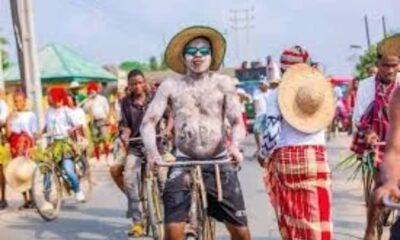
Over time, Ineh Festival evolved to include more elaborate ceremonies. The Obi of Ogwashi‑Uku, along with the chiefs and elders became central figures in organizing and officiating the festivities. Each quarter of the town would prepare its participants, dancers, and symbolic offerings. This turned the celebration into a town-wide event. Music, dance, and processions were gradually incorporated to give the festival the colourful and engaging character it is known for today.
While the core purpose of the festival remained tied to agriculture and thanksgiving, it also became a means of cultural education. Young people learned the importance of hard work, respect for elders, and the values of communal living through active participation. The festival created an opportunity to pass knowledge of traditional dances, songs, and ceremonial procedures to the next generation as a way of ensuring that the heritage of the town would survive and thrive, even as external influences increased.
In contemporary times, Ineh Festival continues to honour its origins as it adapts to modern life. Media coverage, participation of the diaspora, and engagement of local authorities have added layers of visibility and significance. Yet, the festival remains deeply rooted in its original purpose which is giving thanks, celebrating the harvest, and strengthening the bonds of the Ogwashi‑Uku community. It is a living testament to the enduring values of the town, thus linking history, culture, and social identity in one annual celebration.
Meaning and Symbolism of Ineh Festival
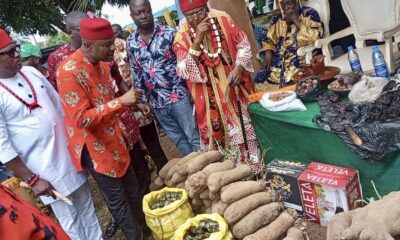
Ineh Festival is rooted in gratitude. Fundamentally, it is a communal expression of thanks for a successful farming season and the gift of food that sustains life. In Ogwashi-Ukwu, the festival marks the moment when the new yam can be eaten, thus making it both a cultural and moral marker in the calendar of the community. The yam represents hard work, patience, and survival, and these are values that are deeply respected in the town.
Beyond the harvest, Ineh Festival carries social meaning. It brings families and neighbours together in a shared celebration that encourages unity and togetherness. Old disagreements are often set aside during the festival period, and the act of gathering, eating, and celebrating as one community strengthens social ties.
The festival also holds spiritual meaning as prayers offered during Ineh Festival seek peace, protection, and the well-being for the town. These moments connect the living with their ancestors and affirm respect for traditions passed down over generations.
In simple terms, Ineh Festival symbolizes life, continuity, and belonging. It reminds the people of Ogwashi-Uku that culture is sustained through shared values, collective effort, and gratitude for both the land and the community that depends on it.
Timing and Preparation for the Festival
Ineh Festival is usually held each year in October following the end of the rainy season and the harvest of yams in Ogwashi‑Uku. This timing is significant because it marks the beginning of the new yam season, a period that symbolizes renewal, abundance, and hope for the coming year. For the people of Ogwashi‑Uku, the festival is a moment to pause, give thanks, and come together as a community.
Preparation for the festival begins weeks in advance. Families clean their homes and compounds, repair or decorate structures, and set aside the best yams for ceremonial purposes. Each household carefully plans meals and offerings to share during the celebration. Markets and local vendors also prepare by stocking ingredients and goods to ensure that both the residents and visitors can fully enjoy the festival.
Community groups known as age grades and quarters play an active role in organizing festival activities. They coordinate music, dance performances, and processions, assigning roles and rehearsing routines. The elders and chiefs guide these preparations to ensure that the traditions are properly observed and that each ceremony follows the customs passed down through generations.
Visitors from neighbouring towns, cities, and even overseas often time their trips to coincide with the Ineh Festival. For many, it is a homecoming, a chance to reconnect with family, friends, and their cultural heritage. The collective effort and anticipation create an atmosphere of excitement and unity that builds throughout the days leading up to the festival.
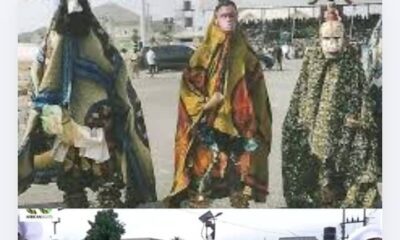
By the time the festival begins, every household, quarter, and participant is ready. The streets of Ogwashi‑Uku are filled with colour, music, and movement. The careful preparation ensures that Ineh Festival is not only a celebration of the harvest but also a showcase of the organization, culture, and communal spirit of the town.
Role of Traditional Institutions and Leadership
Traditional institutions and leaders play a central role in Ineh Festival by guiding its ceremonies and ensuring that the cultural values of Ogwashi‑Uku are preserved. At the heart of these institutions is the traditional ruler (Obi) whose presence is essential for the spiritual and cultural success of the festival. The Obi leads prayers, oversees the ceremonial breaking of the new yam, and offers blessings to the community. His involvement reminds everyone of the importance of respect, unity, and continuity in Ogwashi‑Uku society.
Supporting the Obi are the chiefs, elders, and titled men who have dedicated roles in organizing and officiating the festival. The Iyase, or traditional prime minister coordinates community efforts, ensuring that every quarter participates and that the rituals are observed properly. These leaders act as custodians of culture that bridge the wisdom of the past with the present needs of the town.
Community age grades and groups also contribute under the guidance of traditional authorities. They manage processions, cultural performances, and other festival activities. The elders train the younger members in the proper performance of dances, songs, and ceremonial practices. This mentorship ensures that the traditions are passed on and that the festival remains authentic year after year.
Beyond organizing the events, traditional leaders use the Ineh Festival to promote social cohesion. They encourage reconciliation, peaceful coexistence, and collective responsibility. Speeches during the festival often emphasize community values, respect for culture, and the importance of maintaining unity across families and neighbourhoods.
In essence, the Ineh Festival is a living example of how traditional institutions in Ogwashi‑Uku preserve culture while guiding the community. Through the leadership of the Obi, chiefs, and elders, the festival becomes a teaching moment, a unifying force, and a symbol of cultural pride that continues to inspire generations.
Ineh Festival in Contemporary Times

Today, Ineh Festival continues to thrive as it balances tradition with the realities of modern life. While its roots remain firmly in agricultural thanksgiving and communal unity, the festival has grown to attract not only local residents but also people from nearby towns, cities, and even the diaspora. For many, attending Ineh Festival is a way to reconnect with family, honour cultural heritage, and participate in a celebration that has endured for generations.
Modern communication and media coverage have increased the visibility of the festival as they draw attention to Ogwashi‑Uku and its rich traditions. News outlets often feature the festival highlighting its colourful dances, music, and communal feasting. Social media also allows visitors and indigenes abroad to share experiences, photos, and videos, thus giving the festival a wider audience while encouraging cultural pride.
Despite these modern influences, the core practices of the festival remain unchanged. The ceremonial breaking of the new yam, the blessings from the Obi, the dances, and the community feasts continue to anchor the celebration. These traditions maintain the spiritual, social, and cultural significance of the festival, and ensure that each year’s event honours the heritage of the town.
In recent years, Ineh Festival has also become an opportunity to showcase the unity of Ogwashi-Uku. For instance, the festivals have been celebrated without disputes or divisions among quarters. This demonstrates the commitment of the community to harmony and collective participation. Visitors often comment on the energy, warmth, and enthusiasm of the celebrations noting how the festival continues to bring together people of all ages.
For the younger generation, the festival is also educational. The children and youth learn about traditional dances, music, and ceremonies through direct participation, thereby helping to ensure that Ogwashi‑Uku cultural practices are preserved. By so doing, the Ineh Festival bridges the past and the present by linking history, identity, and community life in a way that remains vibrant and relevant today.
Cultural and Social Significance
Much more than a harvest celebration, the Ineh Festival is a reflection of the identity, values, and shared history of Ogwashi-Uku. Primarily, the festival strengthens the bonds between families, neighbours, and entire quarters of the town. By bringing everyone together in dance, music, and communal feasting, it creates a sense of belonging that unites people across generations.
Socially, the festival serves as a platform for teaching important cultural lessons. The elders use the occasion to pass down knowledge about traditional practices, respect for authority, and the importance of community cooperation. The younger generations learn not only dances and songs but also the meaning behind each ritual and gesture, thus ensuring that the heritage of Ogwashi‑Uku continues to thrive.
Ineh Festival also promotes peace and reconciliation. Disputes are often set aside during the celebrations, and the act of sharing meals and performing rituals together encourages harmony among residents. This communal approach reinforces the idea that the wellbeing of the town depends on collective effort and mutual respect.
Economically, the festival brings activity to markets, local artisans, and food vendors. Visitors from outside the town contribute to local trade. This makes the festival an opportunity to support livelihoods while celebrating culture.
Ultimately, Ineh Festival symbolizes gratitude, unity, and continuity. It celebrates the land that sustains the people, the ancestors who guide them, and the community that binds them together. For Ogwashi‑Uku, the festival is not just another event on the calendar, it is a living tradition that carries the values of the town forward, year after year.
Challenges and Preservation Efforts
Like many traditional festivals, Ineh Festival faces challenges in today’s rapidly changing world. Urbanization, migration, and modern lifestyles have affected participation, especially among the younger generations who may live far from Ogwashi‑Uku or be more focused on work and education. There is also the risk of cultural dilution where outside influences or shortcuts could weaken the authenticity of traditional practices.
Despite these challenges, the community leaders and elders have taken steps to preserve the its heritage. The Obi, chiefs, and age grades actively mentor the young people by teaching them the traditional dances, songs, and rituals. They emphasize the importance of understanding the meaning behind each practice, not just performing it. This hands-on approach ensures that the festival remains a living tradition rather than a mere spectacle.
Media coverage and social media have also become tools for preservation. Local and national news outlets highlight the festival each year, and draw attention to its cultural and historical significance. Videos, photographs, and stories shared online help the younger generations and members of the diaspora to stay connected to the festival, even if they cannot attend in person.
Efforts to formalize aspects of the festival are also underway. The community leaders encourage government support for cultural events which suggests that recognition and investment can help protect the traditions of Ogwashi-Uku while attracting tourism and cultural interest. These efforts show a conscious attempt to balance modernization with the preservation of heritage.
Through mentorship, media engagement, and community planning, the people of Ogwashi‑Uku ensure that Ineh Festival continues to thrive. These preservation efforts highlight its commitment to maintaining its identity, celebrating its history, and passing on its values to future generations.
In Conclusion …
Ineh Festival stands as one of the most meaningful cultural celebrations in Ogwashi-Uku. Rooted in agriculture, gratitude, and communal life, it tells a story that has been passed down through generations. From its origins as a harvest thanksgiving to its present-day celebrations filled with music, dance, and reunion, the festival continues to bring people together in ways that feel both familiar and deeply significant.
Through the leadership of traditional institutions, the participation of families and age grades, and the shared joy of communal feasting, Ineh Festival keeps the values of unity, respect, and cultural pride alive. It offers a space where history is remembered, relationships are renewed, and the younger generations learn what it means to belong to a community with strong roots.
Even as Ogwashi-Uku changes with time, Ineh Festival remains a steady reminder of identity and continuity. It shows how tradition can remain relevant when it is lived, celebrated, and carefully preserved. In honouring the land, the ancestors, and one another, the people of Ogwashi-Uku ensure that Ineh Festival continues to be a source of pride and connection for many years to come.
References
- https://ozikoro.com/ineh-festival-of-ogwashi-ukwu-a-radiant-celebration-of-igbo-culture-and-heritage/
- https://guardian.ng/news/at-ineh-celebration-iyase-tells-govt-to-boost-tourism-through-festival/
- https://gwg.ng/2023/10/22/ogwashi-uku-chief-stresses-need-for-promotion-of-native-culture/
- https://tribuneonlineng.com/ogwashi-uku-monarch-commends-indigenes-on-peaceful-new-yam-ineh-festivals/
- https://www.thisdaylive.com/2025/11/01/obi-okonjo-thrilled-about-unified-ineh-festival-in-ogwashi-uku-in-18-years/
- https://www.nationaltrustreporters.ng/ogwashi-uku-ineh-festival-comes-to-a-close-as-community-celebrates-successful-event/
- https://en.wikipedia.org/wiki/New_Yam_Festivals_in_Nigeria
You might want to check this out …