





African Culture & Heritage
Nnefioha Festival: Unveiling Ikwo People’s Rich Heritage

Nnefioha festival is an annual cultural celebration of the Ikwo people that honours unity, thanksgiving, peace and the rich heritage of this Ebonyi community through rituals, harvest rites, music, dance and shared traditions.

Nnefioha festival is a yearly event and a moment the heart of the Ikwo community in Ebonyi State comes alive in colours, songs, and shared history. Long before the sun breaks over the rolling fields of Ekpelu, families begin to arrive from near and far. They come with baskets of yams, kola nuts, palm wine, and stories passed down through generations. The air buzzes with excitement and anticipation because this is a time of joy, thanksgiving, renewal, and deep cultural pride.
For the Ikwo people, Nnefioha festival is a celebration of life itself. It marks the end of one traditional year and welcomes the next with gratitude for harvest and hope for peace. It draws neighbours together, unites family clans, and invites visitors to witness ancient traditions that have lived on for decades. The festival honours the values that define the Ikwo identity, namely, unity, resilience, gratitude, and respect for ancestry.
In the rhythms of the drumbeats, the laughter of children, and the shared breaking of new yam, Nnefioha festival tells a story of belonging. It is a story of a people bound by land, memory, and time.
Who Are the Ikwo People?
The Ikwo people are an Igbo sub‑ethnic group who live primarily in Ebonyi State in southeastern Nigeria. They are mostly found in Ikwo Local Government Area which is the largest local government area in the State by land mass and population. The people speak the Ikwo dialect, an Igbo language that is closely related to other Igbo dialects such as Izi and Ezza, although each has unique features.
Life in Ikwo is rooted deeply in agriculture, family ties, community and tradition. Farming remains the backbone of the local economy, with yams, cassava and rice among the staple crops grown by the people. Ikwo is widely recognized as a leading producer of Abakaliki rice and is also known for its palm wine production.
According to traditional accounts, Ikwo people trace their lineage to a common legendary ancestor named Ekumenyi who is also linked to the origins of neighbouring clans like Ezza, Izzi and Ngbo. These ancestral ties help to explain shared cultural traits and close historical relationships among these groups.
The people of Ikwo place strong emphasis on community values, respect for elders, and cultural rituals. Traditional ceremonies and festivals such as Nnefioha and Aji are integral to their cultural life and help to bring families and villages together. These celebrations involve communal prayers, symbolic rites, gift exchanges and feasting that reinforce a sense of belonging and unity.
While the Ikwo people are predominantly Christian today, traditional beliefs and ceremonies continue to play an important role in their cultural identity. The community is also known for vibrant masquerade performances, music and dance which are featured prominently in festivals and rites of passage.
Overall, the Ikwo people maintain a distinct cultural heritage within the larger Igbo ethnic framework which welcomes both visitors and returning community members alike to share in their traditions and collective story.
Origin and History of Nnefioha Festival
Nnefioha festival is a long‑held cultural event of the Ikwo Noyo clan in Ikwo Local Government Area of Ebonyi State, Nigeria that dates back to generations as a central tradition to mark the close of one year and the beginning of another in the traditional Ikwo calendar. It grew from agricultural life and the deep belief systems of the Ikwo people whose lives have long been tied to the yam harvest season, community unity and spiritual thanksgiving.
In the Ikwo worldview, the passage of time was recorded not only by the cycles of the sun and rain but by the cycles of planting and harvest. Over many years, the community developed the Nnefioha festival around the new yam harvest and the end of the famine or lean season which represent a moment of relief and hope after months of hard work on the farms. The festival became a traditional way to show gratitude for surviving the past year, seeking peace and favour for the year ahead, and renewing ties within families and the larger community.
The term Nnefioha festival (also referred to as Nnesweoha in some local contexts) is deeply rooted in the Ikwo cultural calendar and the farming year. The celebration includes a series of ritual days, each with its own purpose and symbolic meaning. The first day, often known locally as Oye Ose Ukpara features the exchange of yams, kola nuts, palm wine and other traditional gifts among family members and clans. This act of sharing represents unity, renewal and hope for prosperity.
Following this, community members observe days of reflection, prayer and rest, including times when announcing deaths or holding burials is traditionally avoided out of respect for the transition between the old and new year. The final major day of the festival known locally as Ekenwanekwa or an Eke day marks the first official harvest and eating of the new yam of the new year, a practice that is strictly observed and laden with ritual meaning. The new yam is not eaten by the community until the ceremonial feast which unites people in gratitude and celebration.
Over time, Nnefioha festival has grown beyond a purely agricultural rite to include traditional performances, music, dance and masquerades that bring together indigenes at home and in the diaspora as well as community leaders and invited guests. The festival remains a cornerstone of the Ikwo identity as it honours values of community, thanksgiving and continuity with ancestral traditions.
For the Ikwo people, Nnefioha festival is not just an annual event. It is a cultural expression of resilience, unity and gratitude that carries the hopes of one generation into the next.
Timing and Duration
Nnefioha festival is celebrated annually by the Ikwo people in Ebonyi State, usually in the month of August to align with the end of the traditional farming season and the arrival of the new yam harvest. This timing is deliberate, as it marks a period the community gives thanks for survival through the lean season and prepares to embrace the year ahead with hope and unity.
Nnefioha festival stretches over several days, each with its own cultural and spiritual significance. Traditionally, the celebration begins with Oye Ose Ukpara which is regarded as the opening day. On this day, families and clans exchange yams, kola nuts, palm wine, and other offerings. These rituals symbolize shared prosperity, reconciliation, and renewal of communal ties.
Following the opening day, subsequent days are devoted to reflection, prayer, and ancestral observances. During this period, it is customary for the community to avoid announcing deaths or performing burials, as these acts are considered inauspicious during the festival. This practice emphasizes the sacred transition from one traditional year to the next.
The climax of the Nnefioha festival occurs on the final ceremonial day, often referred to locally as Eke Nwanekwa. This is the day the first new yams of the season are officially harvested and eaten. Families prepare elaborate feasts and invite neighbours and visitors to share in the meal to reinforce unity, gratitude, and the celebration of life.
While Nnefioha festival spans multiple days, the exact duration can vary slightly, depending on the community and the coordination of traditional leaders. Some events may extend for a week and incorporate masquerades, music, dance, and public gatherings that showcase the cultural vibrancy of the Ikwo people.
Over the years, the timing and structure of the festival have remained remarkably consistent as a reflection of the community’s commitment to preserving their heritage while embracing participants from near and far, including members of the Ikwo diaspora.
The careful orchestration of days in Nnefioha festival not only celebrates the harvest and communal life but also provides a structured space for reflection, thanksgiving, and the passing of cultural knowledge from elders to the younger generations.
Key Rituals and Practices

Photo Credit: ADAMAZI TV
Nnefioha festival is rich with rituals that showcase the spiritual, agricultural, and communal life of the Ikwo people. Every ritual is carefully observed as it carries centuries of tradition and meaning. The festival is not just a celebration, it is a cultural framework that guides behaviour, strengthens community bonds, and honours ancestral traditions.
The festival begins with Oye Ose Ukpara which is the official opening day when families and clans exchange yams, kola nuts, palm wine, and other traditional gifts. This exchange is more than symbolic. It represents gratitude for the past year, reconciliation between families, and the reinforcement of unity among community members. Elders bless the gifts and invoke peace, prosperity, and protection for the households and the community.
Following the opening, certain days are reserved for prayer, reflection, and spiritual observances. During this time, it is traditionally forbidden to announce deaths or conduct burials, as the community focuses on thanksgiving and renewal. These practices highlight the sacred nature of Nnefioha festival and the belief in the continuity of life and prosperity.
A central part of Nnefioha festival is the first eating of the new yam. The yam is considered a sacred crop that symbolizes life, sustenance, and hard work. Families prepare elaborate dishes such as yam porridge and pounded yam, and invite relatives and neighbours to partake. The first yam is often offered to the ancestors as a demonstration of respect and gratitude to those who came before. Only after this ritual do families and communities enjoy the new yam together.
Another important ritual is the communal cleansing and renewal where families clean their homes and farms and conduct spiritual rites to ward off misfortune and ensure prosperity for the new year. This may include offerings to ancestral spirits and prayers at sacred shrines. These practices reflect the Ikwo belief in the interconnectedness of the spiritual and physical worlds.
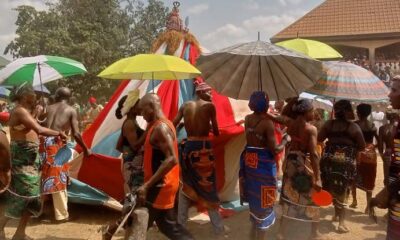
Nnefioha festival also features masquerades and traditional performances as part of ritual observances. Masquerades represent ancestral spirits and are believed to convey blessings, warnings, and guidance to the living. Dances, music, and dramatic displays are integrated into the rituals in a way that transforms the festival into both a spiritual and cultural spectacle. These performances are carefully choreographed, with the elders guiding the younger members on their significance and execution.
In addition, Nnefioha festival includes visits to farms and communal spaces where the elders inspect the harvest and bless the land. This ritual reinforces the connection between the Ikwo people and their environment as a reminder to the community that their prosperity is linked to careful stewardship of the land and cooperation among farmers.
Overall, the key rituals and practices of Nnefioha festival weave together spirituality, gratitude, social cohesion, and cultural education. Each act, from the offering of kola nuts to the first eating of new yam tells a story of survival, hope, and the enduring values of the Ikwo people. It is through these rituals that the community honours its ancestors, celebrates its heritage, and passes knowledge to future generations.
Cultural Symbols and Significance
Nnefioha festival is filled with symbols that carry profound meaning for the Ikwo people. Every aspect of the celebration, from the food to the costumes is carefully chosen to convey values, history, and spiritual beliefs that have been preserved for generations. Understanding these symbols helps outsiders to appreciate why this festival is central to Ikwo identity.
One of the most important symbols is the yam which represents life, prosperity, and hard work. For the Ikwo, yam is not just a food crop but a sacred staple that connects the community to the land and to their ancestors. The first eating of new yam is a symbolic act of thanksgiving. It expresses gratitude for the harvest, honours ancestral blessings, and marks the start of a new cycle of life and labour. The ritual shows the value the Ikwo people place on patience, diligence, and communal sharing.
Another key symbol is the kola nut which is offered to the elders, guests, and ancestors. Breaking and sharing kola nuts signifies respect, unity, and hospitality. It also serves as a spiritual offering that acknowledges the presence of ancestral spirits during the festival. As such, the act of offering kola nuts links the living and the departed and reinforces continuity between the past, present, and future generations.
The palm wine used in rituals is also symbolic. It represents purity, community bonding, and blessings. Pouring libations to the ancestors and sharing palm wine among participants underscores the collective nature of Ikwo society and reminds everyone that individual prosperity is intertwined with communal welfare.
Masquerades are another central cultural symbol. These elaborate figures, often dressed in colourful fabrics and adorned with masks are believed to carry ancestral spirits. They perform dances, enact stories, and communicate moral lessons during the festival. The presence of masquerades is not just entertainment but a visual and spiritual link between the living community and the spiritual realm that emphasizes respect for tradition and the authority of elders.
Other symbolic practices include the exchange of gifts among families and clans which represents unity, reconciliation, and shared abundance. Cleansing rites performed before the main festivities signify renewal with the aim of warding off misfortune and ensuring blessings for the upcoming year. Even the careful timing of each ritual day carries symbolic meaning as it reflects the Ikwo understanding of the natural cycles and the importance of aligning community life with them.
Collectively, these symbols make Nnefioha festival a living storybook of Ikwo culture. They remind the community of their roots, their responsibilities to each other, and the importance of preserving traditions.
For participants and visitors alike, these symbols provide a window into the spiritual, social, and cultural world of the Ikwo people, and illustrate why the festival remains a treasured part of their heritage.
Masquerades, Music, and Performances

Photo Credit: ADAMAZI TV
One of the most captivating aspects of Nnefioha festival is its display of masquerades, music, and performances, which bring the history, spirituality, and culture of the Ikwo people to life. These artistic expressions do not only offer entertainment, they are a living link between the community, its ancestors, and its traditions.
Masquerades are central to the festival. They are highly stylized, often dressed in vibrant costumes, intricate masks, and symbolic accessories that distinguish one spirit from another. Each masquerade represents an ancestral or spiritual presence, and carries messages of blessing, guidance, or moral instruction.
During Nnefioha festival, masquerades move through the villages, dancing and performing in the presence of the elders and community members. Their appearances are accompanied by rituals that ensure respect and proper acknowledgment of the spiritual world.
Music is another vital element of Nnefioha festival. Drums, xylophones, gongs, and other traditional instruments create rhythms that guide the dances and performances. Songs are often call-and-response in a way that tells the stories of Ikwo history, legends, and values. These musical performances serve both to entertain and educate with aim of passing on knowledge from the elders to the younger generations in an engaging and memorable way.
Dance performances are intricately linked with masquerades and music. They range from group dances symbolizing communal unity to solo performances that dramatize specific historical or spiritual events. Many dances are performed at the palace of traditional rulers, community squares, or during processions to farms and shrines. Each movement is deliberate, carries meaning and reinforces the cultural significance of the festival.
Nnefioha festival also features storytelling and dramatic enactments where performers use dialogue, song, and movement to narrate legends, heroic deeds, and moral lessons. These performances provide a living history lesson that helps community members and visitors alike understand the values and experiences that have formed the Ikwo people.
The combination of masquerades, music, and performances creates a vivid, immersive experience. For visitors, it is a feast for the senses. For the Ikwo people, it is a reaffirmation of identity, a celebration of heritage, and a way to connect past, present, and future through art, rhythm, and communal participation.
Communal Feasting and Cuisine
Food is at the heart of Nnefioha festival as a reflection of the values of gratitude, community, and celebration that define the Ikwo people. The festival is timed to coincide with the harvest of new yams, a crop that holds spiritual, cultural, and economic significance. The first eating of new yam is a highlight of the celebrations and one of the most sacred practices of the festival.
On the ceremonial day, families prepare traditional dishes, including yam porridge, pounded yam, and yam with vegetable soups using freshly harvested yams. These meals are not only delicious but also symbolic of abundance, hard work, and prosperity. Elders and family heads often lead prayers of thanksgiving before anyone partakes, to acknowledge the blessings of the harvest and honour the ancestors who protected and guided the community through the year.
Feasting during Nnefioha festival is communal by nature. Neighbours, relatives, and invited guests share meals together to reinforce bonds of friendship, kinship, and unity. Visitors are welcomed with hospitality and warmth, often receiving plates of yam, soup, and palm wine as a gesture of goodwill and inclusion in the celebration. This practice ensures that the festival is not only a family event but a community-wide experience.
Palm wine is also central to the cuisine. It is used for libations to the ancestors, offered during prayers, and shared among participants as a sign of blessing, celebration, and social cohesion. Pouring and drinking palm wine together strengthens ties and signals a commitment to communal well-being.
In addition to yams and palm wine, other local foods and delicacies such as roasted corn, local vegetables, and native spices are prepared in abundance. These meals provide a culinary journey into Ikwo culture and give the visitors a firsthand taste of traditional flavours and cooking techniques that have been passed down through generations.
Overall, communal feasting and cuisine at Nnefioha festival serves more than just nourishment. It is an expression of cultural identity, thanksgiving, and unity that allows families and the larger community to celebrate their shared heritage while fostering a sense of belonging and continuity. The meals, the rituals surrounding them, and the shared enjoyment of food help to bind the Ikwo people together, thus making the festival a memorable and meaningful experience for everyone involved.
Economic and Tourism Impact
Nnefioha festival is not only a celebration of culture but also a catalyst for local economic growth and tourism development in Ikwo, Ebonyi State. Each year, the festival draws visitors from within the State, neighbouring regions, and the Ikwo diaspora. Many community members living in urban centres or abroad return home specifically to participate. This creates a temporary boost in economic activity.
Local markets experience higher demand for yams, cassava, palm wine, spices, and other festival essentials as well as traditional crafts and attire used during performances and ceremonies. Artisans and vendors take advantage of the festival to sell handmade goods, including masks for masquerades, beaded jewelry, traditional clothing, and carved figurines. This influx of commerce helps to support local livelihoods and preserves indigenous craftsmanship.
Nnefioha festival also benefits the hospitality sector. Local guesthouses, inns, and catering services see increased bookings from visitors and returning residents. Food vendors, transport operators, and small businesses providing festival-related services experience a notable rise in income during this period. The economic ripple effect ensures that both urban and rural areas around Ikwo benefit financially from the event.
From a tourism perspective, Nnefioha festival showcases the cultural richness and vibrancy of the Ikwo people, and attracts visitors interested in authentic Nigerian festivals. Its combination of music, masquerades, dance, rituals, and communal feasting offers an immersive experience that appeals to both domestic and international tourists.
While Nnefioha is less commercially promoted than some major Nigerian festivals, it holds potential as a cultural tourism attraction, particularly for travellers seeking off-the-beaten-path experiences.
Community leaders and cultural advocates have also emphasized the festival’s role in sustainable development. By promoting local culture and attracting visitors, Nnefioha festival fosters both economic growth and cultural preservation, thereby encouraging the younger generations to value their heritage while contributing to the local economy. This way, the festival serves as a bridge between tradition and modern economic opportunity.
Ultimately, Nnefioha festival demonstrates that cultural celebrations can be both spiritually significant and economically beneficial as it provides the Ikwo people with a platform to celebrate heritage, strengthen community bonds, and enhance local livelihoods simultaneously.
Modern-Day Celebrations
While Nnefioha festival is deeply rooted in tradition, its modern-day celebrations have evolved to reflect contemporary lifestyles, inclusivity, and community engagement. The core rituals such as the first eating of new yam, ancestral offerings, and communal prayers remain intact as it preserves the spiritual and cultural essence of the festival. However, today’s celebrations also incorporate new practices and participants that broaden its reach and relevance.
In modern times, the festival often sees the participation of government officials, dignitaries, and cultural ambassadors which highlights its importance not only to the Ikwo people but also to the wider Ebonyi community. Public ceremonies and performances are now held in community squares, town halls, and other central locations, making it easier for both the locals and visitors to engage with the festivities.
Members of the Ikwo diaspora play an increasingly visible role in modern celebrations. Many return from cities across Nigeria or from abroad to participate, bringing with them resources, ideas, and energy that enhance the festival experience. Their presence strengthens family bonds and bridges generational gaps in a way that allows younger members to experience traditional practices firsthand while observing contemporary interpretations.
Technology has also begun to influence the festival. Social media, photography, and live streaming help to document and share the festival with a wider audience, thereby promoting cultural awareness and attracting interest from visitors who may not be able to attend in person. These innovations help to preserve the significance of the festival while allowing it to evolve in line with 21st-century lifestyles.
Despite these modern touches, Nnefioha festival maintains its heart and soul. Traditional attire, masquerades, music, dance, and communal feasting remain central in ensuring that the celebration continues to honour the ancestral values of unity, gratitude, and community solidarity. Modern-day celebrations, thus represent a dynamic blend of heritage and contemporary life and show that the Ikwo people can embrace progress without losing connection to their cultural roots.
Today, Nnefioha festival serves as both a living cultural experience and a bridge between the past and the present. It continues to inspire pride, reinforce identity, and provide a sense of continuity for all generations of the Ikwo community.
Preservation and Cultural Heritage
Nnefioha festival is a living repository of Ikwo history, values, and cultural identity. For generations, it has acted as a bridge between the past and the present by preserving the traditions, rituals, and wisdom of the community. Recognizing its importance, the elders, traditional leaders, and cultural associations have taken deliberate steps to ensure that the festival is maintained and passed down to future generations.
One of the key methods of preservation is education within families and communities. Elders use the festival as an opportunity to teach young people about the meanings behind each ritual, the significance of ancestral offerings, the proper conduct during the first yam feast, and the cultural codes of respect and unity. Storytelling, participatory ceremonies, and hands-on involvement in festival preparations ensure that cultural knowledge is experienced, and not just explained.
Organizations like the Ikwo Development Union and local cultural associations also play a crucial role in documenting and promoting the festival. They encourage archiving oral histories, photographing key events, and recording music and dances associated with the celebration. Such efforts not only protect the festival from being forgotten but also make it accessible to a wider audience, including researchers, students, and cultural tourists.
In addition, preservation extends to ritual accuracy and authenticity. Community leaders carefully ensure that traditional practices such as the proper timing of the first yam harvest, ancestral libations, and masquerade performances are observed according to long-established protocols. These measures prevent the dilution of rituals and maintain the spiritual and cultural significance of the festival.
Modern influences, such as social media and urban migration present challenges to cultural preservation. However, the resilient structure of Nnefioha festival, that is, its combination of ritual, community participation, and education has allowed it to adapt while keeping its essence intact. The festival continues to serve as a unifying force that fosters pride in Ikwo heritage, reinforces intergenerational connections, and reminds participants of their shared identity and responsibilities.
Through careful stewardship, Nnefioha festival remains a dynamic cultural heritage that demonstrates how traditions can survive, evolve, and thrive in the modern world. It stands as a testament to the Ikwo people’s commitment to honouring their past while embracing the future to ensure that the richness of their culture is celebrated and preserved for generations to come.
In Conclusion …
Nnefioha festival is a vibrant celebration that embodies the unity, gratitude, and cultural richness of the Ikwo people. From the careful rituals and first eating of new yam to the lively masquerades, music, and communal feasts, every aspect of the festival tells a story of heritage, resilience, and shared identity.
In today’s modern context, the festival continues to evolve by welcoming diaspora members, visitors, and contemporary influences while preserving its traditional values. It strengthens community bonds, promotes cultural tourism, and provides opportunities for economic growth, all while maintaining its spiritual and symbolic significance.
Above all, Nnefioha festival serves as a living link between generations as it teaches the young Ikwo people the importance of gratitude, respect, and unity. It reminds both participants and visitors that culture is not just about the past, it is a living, evolving experience that shapes identity, preserves heritage, and celebrates life.
References
- https://www.ebonyitimesnews.com/2023/08/nnefioha-festival-of-unity-commuality.html
- https://www.ebonyitimesnews.com/2024/08/nesweoha-gov-nwifuru-lauds-ikwo-people.html
- https://asiwajumedia.com/ikwo-noyo-clan-releases-official-timetable-for-2025-nnesweoha-festival/
- https://www.doorstepreporters.com/2025/08/ikwo-noyo-clan-marks-nnefioha-festival.html
- https://www.ebonyitimesnews.com/2025/08/2025-nnesweoha-ohaneze-ndigbo-ilwo.html
- https://nnewicity.com/ikwo-ebonyi-state-history-culture-traditions/