




Nigerian Ethnic Groups
The Nupe People: Complete History, Culture, Language, and Traditions of Nigeria’s Middle Belt Kingdom

Nupe people are one of Nigeria’s largest ethnic groups outside the major three – Igbo, Hausa and Yoruba, known for their rich history, skilled craftsmanship, unique language, and vibrant cultural traditions in the Middle Belt region.

For centuries, the Nupe people have lived along the fertile plains where the Niger River meets the Kaduna River, and have built a culture that is shaped by trade, craftsmanship, faith, and strong community ties. Today, the Nupe people remain one of the most historically significant ethnic groups in Nigeria’s Middle Belt. They have deep roots in Niger State and other thriving communities across Kwara State, Kogi State, and the Federal Capital Territory.
Long before the modern Nigeria came alive, the Nupe people had already established an organized kingdom, lively markets, and a reputation for skilled craftsmanship. Their artisans became known for finely crafted brass trays, woven textiles, and decorative works that travelled far beyond their homeland. At the centre of their political life was the revered Etsu Nupe whose authority helped to unite the scattered settlements into a powerful kingdom that influenced trade and diplomacy across the Middle Niger region.
But the story of the Nupe people goes far beyond politics and history. It is also the story of a language passed down through generations, of river communities that depend on farming and fishing, and of cultural traditions that continue to bring the people together during festivals and ceremonies. In Nupe towns like Bida, centuries-old craft traditions still survive while families maintain customs that link the present to the past.
This article explores the full story of the Nupe people. From their early origins and the rise of the Nupe Kingdom to their language, cultural traditions, festivals, and modern identity, it offers a closer look at one of Nigeria’s most fascinating ethnic communities and the enduring heritage that continues to define them today.
Origins and Early History of the Nupe People
The early story of the Nupe people began in the fertile plains and river valleys of central Nigeria. For generations, Nupe communities have lived in the region surrounding the middle course of the Niger River and the Kaduna River, an area known for its rich farmland and strategic position along ancient trade routes. This location allowed early Nupe settlements to grow into thriving agricultural and commercial communities.
Historical evidence suggests that the ancestors of the Nupe people had been living in this region long before the emergence of organized kingdoms. Early settlements were made up of small communities that depended on farming, fishing, and local trade. Over time, these settlements began to interact with neighbouring ethnic groups like the Yoruba people, the Igala people, and the Hausa people, and created networks of trade and cultural exchange across the region.
One of the most important figures in Nupe historical tradition is Tsoede. According to widely accepted oral history, Tsoede was once connected to the royal court of Idah which is the political centre of the Igala Kingdom. After leaving the Igala court due to political disagreements, he moved westward and began to bring together several Nupe communities that had previously existed as independent settlements.
Tsoede is remembered for uniting these communities and laying the foundations of what later became the Nupe Kingdom. Under his leadership, Nupe society started developing a more structured political system with centralized authority. This period marked the transition from scattered village communities to a more organized kingdom that could manage trade, governance, and security across a wider territory.
As the kingdom grew, Nupe settlements expanded along the river valleys and surrounding plains. Their location near major waterways allowed them to participate actively in regional trade. Agricultural products, fish, textiles, and craft goods moved through Nupe markets and reached neighbouring societies.
By the fifteenth and sixteenth centuries, the Nupe Kingdom had become an established political and economic force in the Middle Niger region. The kingdom maintained connections with surrounding states and trading partners while its leadership structure continued to evolve under the authority that would later be associated with the office of the Etsu Nupe.
The early history of the Nupe people, therefore, tells a story of gradual growth. Small riverine communities developed into a powerful and organized society guided by strong leadership and supported by fertile land, skilled craftsmanship, and access to regional trade routes. These foundations helped to form the identity and cultural heritage that the Nupe people still preserve today.
The Nupe Kingdom and Traditional Governance
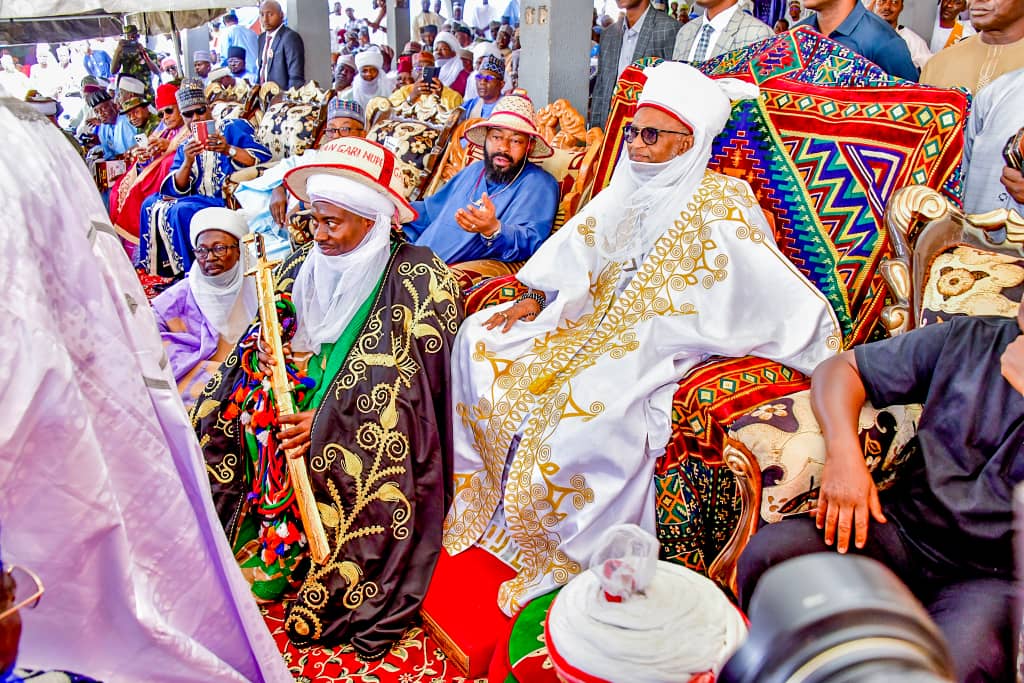
The political history of the Nupe people is closely tied to the rise of a centralized kingdom that grew from scattered settlements into a structured system of leadership and administration. Over time, this political organization helped to maintain order, regulate trade, and strengthen cultural unity among Nupe communities.
The early foundations of the Nupe Kingdom are often linked to Tsoede, a historical figure widely recognized in Nupe oral tradition. Tsoede is believed to have lived around the fifteenth century. According to tradition, he had connections with the royal court at Idah. After leaving the court, he returned to Nupe territory and started bringing different Nupe settlements under a single political authority.
Under his leadership, previously independent communities began to form a more organized political structure. This marked the beginning of the Nupe Kingdom as a recognized regional power in the Middle Niger area.
At the centre of Nupe political life is the traditional ruler known as the Etsu Nupe. The Etsu Nupe serves as the cultural and traditional head of the Nupe people. Historically, the ruler exercised authority over political matters, land administration, security, and relations with neighbouring communities.
The Etsu Nupe did not rule alone. Governance within the kingdom included a network of chiefs, titled officials, and advisers who assisted in managing different parts of the territory. These chiefs often represented specific towns or districts and acted as intermediaries between the central authority and local communities.
Local governance also operated at the village level. Each village typically had a head or chief who worked with the elders and family leaders to settle disputes, maintain social order, and oversee community matters. Decisions were often made through consultation which helped to ensure that leadership reflected the interests of the wider community.
Over time, the political centre of the Nupe Kingdom became established in Bida which later developed into a major administrative and cultural capital for the Nupe people. The city became known for its royal palace, thriving markets, and strong craft traditions.
During the nineteenth century, political developments in northern Nigeria influenced the Nupe Kingdom. Islamic influence expanded across the region, and elements of Islamic administrative systems were incorporated into Nupe governance. This period strengthened the role of Islam in Nupe political and social life.
In the colonial period, the British administrators integrated Nupe territories into their system of indirect rule. Traditional rulers, including the Etsu Nupe continued to serve as local authorities while working within the colonial administrative framework.
Today, the institution of the Etsu Nupe remains an important symbol of cultural identity for the Nupe people. While modern Nigeria operates under a democratic government, traditional institutions still play meaningful roles in community leadership, conflict resolution, cultural preservation, and social development.
The history of the Nupe Kingdom, therefore, reveals a long tradition of organized leadership. From the early efforts of Tsoede to unite the people to the continuing authority of the Etsu Nupe, governance among the Nupe people has remained closely connected to community values, consultation, and cultural continuity.
Language of the Nupe People
Language is one of the strongest markers of identity among the Nupe people. It carries history, cultural knowledge, and everyday communication from one generation to another. For the Nupe community, their language remains an important part of their heritage and social life.
The language spoken by the Nupe people is known as the Nupe language. It belongs to the Niger-Congo language family which is one of the largest language families in the world. Within this broad family, Nupe is classified under the Benue-Congo branch which includes many languages spoken across central and southern Nigeria.
The Nupe language is spoken mainly in Niger State where a large portion of the Nupe population lives. It is also widely used in neighbouring areas such as Kwara State and Kogi State, as well as in parts of the Federal Capital Territory. Because Nupe communities are spread across these regions, the language serves as a cultural link that connects the people, even when they live far apart.
Like many African languages, Nupe has several dialects that developed as communities settled in different areas. Some of the commonly identified dialect groups include Nupe Central, Kupa, Dibo, and Kakanda. Although pronunciation and certain vocabulary may vary between dialects, the speakers can generally understand one another without much difficulty.
Traditionally, the Nupe language has been preserved largely through oral communication. Storytelling, proverbs, songs, and folktales are widely used to pass wisdom and cultural knowledge to the younger ones. The elders often share stories that teach moral lessons about honesty, courage, patience, and respect for others.
In daily life, the Nupe language is used in homes, markets, and community gatherings. It is also heard during festivals, traditional ceremonies, and cultural performances. Even in modern urban settings, many Nupe families continue to speak the language with their children as a way of maintaining their cultural identity.
Education and migration have influenced how the language is used today. Many Nupe people speak English language for formal communication, government, and education. In northern Nigeria, Hausa language is also commonly used for regional trade and interaction with neighbouring communities. Despite this multilingual environment, Nupe remains a strong symbol of ethnic identity.
In recent years, cultural groups and scholars have encouraged efforts to preserve and promote the Nupe language. These efforts include cultural festivals, community programmes, written publications, and radio broadcasts in Nupe. Such initiatives help to ensure that the younger ones continue to learn and speak the language.
For the Nupe people, language is far more than a tool for communication. It carries memories of the past, strengthens bonds within the community, and keeps alive the traditions that define their cultural identity.
Social Structure and Community Life
Among the Nupe people, social life has traditionally been built around strong family ties, respect for elders, and cooperation within the community. Everyday life in Nupe society emphasizes collective responsibility where individuals see themselves as part of a larger family network and community.
Family and Kinship System
The family forms the foundation of social organization among the Nupe people. Traditionally, many Nupe families live in extended family compounds where parents, children, grandparents, and other relatives stay close to one another. This arrangement allows family members to support each other in farming, child-rearing, and household responsibilities.
Within the household, the elders hold an important place. The older members of the family often guide the younger relatives, settle disputes, and pass down cultural knowledge. Respect for the elders is deeply valued, and their advice is often sought when important decisions need to be made.
The extended family system also creates strong kinship bonds between different households. Relatives often maintain close contact and support each other during major life events like births, marriages, and funerals.
Marriage and Family Life
Marriage is an important institution in Nupe society and is traditionally seen as a union not only between two individuals but also between two families. Marriage ceremonies often involve several stages, including family introductions, negotiations, and the payment of a bride price.
These ceremonies usually bring together relatives, friends, and members of the community in celebration. Music, food, and traditional clothing are common features of Nupe wedding events.
Historically, polygyny existed in many Nupe communities where a man could marry more than one wife. While this practice still exists in some areas today, social and economic changes have influenced modern marriage patterns.
Roles Within the Community
Daily life among the Nupe people is often organized around shared responsibilities. The men traditionally engage in farming, fishing, craft production, and trade. The women play an equally important role in economic and family life. Many Nupe women are active in farming, food processing, and local market trading.
The markets serve as lively meeting places where people exchange goods, share news, and maintain social relationships. In towns like Bida, markets have long served as important centres of economic and social activity.
Children are raised within this communal environment where parents, relatives, and neighbours all contribute to their upbringing. Young people learn important life skills through observation and participation in daily activities.
Community Leadership and Decision-Making
Local leadership structures also play a key role in community life. Villages typically have a chief or head who works with the elders to guide the community and settle disputes. These local leaders often operate within the wider traditional system headed by the Etsu Nupe.
Community meetings are an important part of decision-making. During such gatherings, the elders and leaders discuss issues affecting the village, including land matters, conflicts, and development projects. Decisions are often reached through discussion and consensus.
Community Values and Social Harmony
Several cultural values guide social behaviour among the Nupe people. These include respect, cooperation, hospitality, and responsibility toward family and community. Helping one another during farming seasons, ceremonies, or times of hardship is considered a natural duty.
Festivals, ceremonies, and communal work activities also strengthen social bonds. These events provide opportunities for people to reconnect, celebrate shared traditions, and maintain a strong sense of belonging.
In many ways, the social structure of the Nupe people balances tradition with modern life. While education, urban migration, and economic change have influenced daily living, the core values of family unity, respect for elders, and community cooperation remain central to Nupe identity.
Religion and Spiritual Beliefs
Religion has long played an important role in the cultural life of the Nupe people. Over the centuries, the spiritual beliefs of the people have evolved through contact with neighbouring societies, trade networks, and the spread of organized religions across West Africa. Today, religion continues to guide many aspects of daily life, from personal values to community ceremonies.
Traditional Religious Beliefs
Before the arrival and widespread adoption of Islam, the Nupe people practiced a traditional system of belief centered on a supreme creator and a variety of spiritual forces connected to nature and ancestral spirits.
In traditional Nupe religion, the creator was often understood as a supreme being responsible for the creation of the world and the order of nature. However, everyday spiritual life also involved respect for ancestral spirits and other supernatural forces believed to influence health, farming success, protection, and community wellbeing.
Priests, spiritual leaders, and diviners played important roles in guiding religious practices. They helped to interpret spiritual matters, perform rituals, and provide guidance during times of uncertainty or illness. Certain ceremonies were performed to seek blessings, protection, or good harvests.
Sacred groves, rivers, and specific locations were sometimes, regarded as spiritually significant places where rituals or offerings could be made.
The Spread of Islam
Over time, Islam became the dominant religion among the Nupe people. The spread of Islam in Nupe areas was influenced by long-distance trade, contact with Muslim scholars, and political developments in northern Nigeria.
By the nineteenth century, Islam had become deeply established within Nupe society. Islamic education, religious scholarship, and mosque-centered community life grew across many Nupe towns and villages. Islamic practices such as daily prayers, fasting during Ramadan, and religious festivals became central parts of social life.
This growth of Islamic influence also affected governance and leadership structures within the Nupe Kingdom, particularly in areas like Bida which developed into an important centre of Islamic culture and learning.
Presence of Christianity
Although Islam is the majority religion among the Nupe people, Christianity is also practiced by some members of the community. Christian missionaries became active in parts of central Nigeria during the colonial period which led to the establishment of churches and Christian schools.
As a result, some Nupe families today identify as Christian and participate in church activities alongside the broader cultural traditions of the community.
Religious Life in Everyday Society
Religious practice among the Nupe people is closely tied to important life events and community ceremonies. Naming ceremonies, marriages, and funerals often include prayers and blessings based on the family’s religious tradition.
Religious leaders such as Islamic scholars, imams, pastors, and elders often provide spiritual guidance to members of the community. These leaders may also play roles in mediating disputes or offering advice on personal and family matters.
Despite the presence of different religions, many Nupe communities maintain a strong sense of shared cultural identity. Respect for tradition, moral values, and communal harmony remains an important part of social life.
Overall, the religious history of the Nupe people tells a story of continuity and adaptation. Traditional beliefs laid the early spiritual foundation while Islam and Christianity later became part of the community’s religious identity. Together, these influences have shaped the spiritual life of the Nupe people across generations.
Culture and Traditions of the Nupe People

The Nupe people have a rich cultural heritage that continues to define their identity. Their traditions are expressed through clothing, music, storytelling, ceremonies, and architecture.
Traditional Clothing
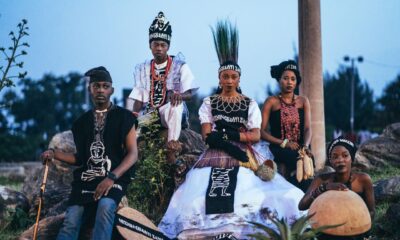
Nupe clothing is known for its elegance and vibrant patterns. Their men traditionally wear flowing gowns called babariga with caps while the women wear wrappers, blouses, and headscarves decorated with intricate embroidery. Handwoven fabrics often dyed with natural colours, highlight the community’s craftsmanship.
Music and Dance
Music is central to Nupe celebrations. Traditional instruments like drums, flutes, and talking drums accompany songs during weddings, festivals, and naming ceremonies. Dances are performed in groups and often tell stories about history, heroism, or moral lessons.
Festivals and Ceremonies
Major festivals like the Bariki Festival and the Patigi Regatta celebrate heritage, community, and loyalty to the Etsu Nupe. Naming ceremonies, weddings, and funerals incorporate prayers, music, and rituals that strengthen family and community bonds.
Storytelling and Oral Tradition
Nupe culture values storytelling as a means of teaching wisdom and preserving history. Folktales, proverbs, and riddles are passed down orally as a way of offering guidance on ethics, courage, and respect.
Architecture
Traditional Nupe homes often feature mud walls, thatched roofs, and artistic carvings on doors and gates. Compounds are designed to house extended families.
The Nupe people still honour these cultural practices with the aim of ensuring that their traditions remain a living part of everyday life, even as they adapt to modern society.
Traditional Crafts and Economic Life
)
The Nupe people are widely recognized for their skill in craftsmanship and entrepreneurship, which have long been central to their economy and cultural identity.
Nupe artisans are famous for brass and copper work, particularly in Bida where skilled craftsmen create trays, ornaments, jewelry, and decorative items. These works are often intricately engraved and have gained recognition across Nigeria and beyond.
Other Nupe traditional crafts include:
- Weaving of hand-dyed cloth and textiles used for clothing and ceremonial purposes
- Leatherwork and embroidery for garments and accessories
- Glass bead making for jewelry and cultural decorations
- Pottery and mat weaving for daily and ritual use
Craftsmanship, for the Nupe people is usually passed down within families or guild-like groups to ensure the continuity of skill and cultural knowledge.
Agriculture remains the backbone of the Nupe economy. Farmers take advantage of the fertile river valleys to cultivate staple crops such as rice, millet, yam, sorghum, and cassava. Fishing is also a key livelihood for communities near the Niger River, as it provides food and income.
Markets are a central part of Nupe economic life. Nupe women often manage trading activities, selling farm produce, fish, and handmade crafts. The men engage in farming, fishing, and craft production. Historically, Nupe traders also exchanged goods like textiles, crafts, and agricultural products with neighbouring ethnic groups, and as a result, created regional trade networks.
Together, traditional crafts, farming, and trade sustain both the economy and cultural identity of the Nupe people.
Festivals and Cultural Celebrations
Festivals are a vibrant expression of the Nupe people’s heritage. They bring the communities together, celebrate history, and honour the Etsu Nupe, while also preserving traditions for future generations.
Bariki Festival
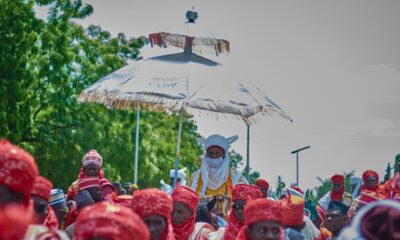
The Bariki Festival which is held mainly in Bida is one of the most important cultural events of the Nupe people. It features horse parades, music, dance, and displays of traditional attire. The festival celebrates loyalty to the Etsu Nupe and showcases the kingdom’s historical and cultural heritage.
Patigi Regatta
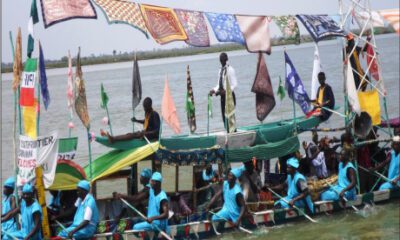
The Patigi Regatta is a lively canoe festival along the Niger River where decorated boats race across the river, accompanied by drumming, singing, and community festivities. This event highlights the river-based life, fishing traditions, and community solidarity of the people.
Other Community Celebrations include:
- Naming ceremonies which honour newborns with prayers, music, and communal gatherings.
- Weddings which are colourful events that combine music, dance, and traditional customs.
- Funerals which include rituals and songs to honour the deceased and strengthen family bonds.
These festivals and celebrations strengthen social cohesion, transmit cultural values, and maintain the identity of the Nupe people in an ever-changing world.
Contemporary Life and Identity
Today, the Nupe people balance a rich cultural heritage with the demands of modern life. While many Nupe still live in rural areas where they farm, fish, and carry out artisanal crafts, urbanization and education have introduced new lifestyles and opportunities.
Many Nupe people now reside in cities like Minna and Abuja where they work in business, civil service, education, and technology. Formal education has become highly valued, as it enables the younger people to pursue professional careers, even as they maintain cultural ties to their roots.
Despite modernization, the Nupe language and cultural practices remain strong. Families still speak Nupe at home, and community associations organize festivals, cultural events, and language programmes. Traditional crafts like brasswork, weaving, and bead-making are promoted both as economic activities and as a means of preserving heritage.
Islam still influences Nupe identity in guiding daily life, ethics, and social norms. Christian and traditional practices also exist within communities, creating a rich religious diversity that combines with cultural customs. Respect for elders, communal cooperation, and family unity remain central values.
Cultural associations and alumni groups support the Nupe people living in urban centres. These organizations provide social networks, promote cultural education, and organize events that maintain connections to ancestral lands and traditions.
Through a combination of cultural preservation and adaptation, the Nupe people continue to define their identity. They maintain pride in their history, language, and craftsmanship, while actively participating in Nigeria’s modern social and economic life.
Notable Nupe People
The Nupe people have produced influential figures across leadership, governance, and culture who have contributed significantly to the development of Nigeira and promoting Nupe heritage.
One of them is Yahaya Abubakar , the current Etsu Nupe who plays a vital role in preserving Nupe culture, mediating community disputes, and fostering development projects in Niger State and surrounding areas.
Other people notable Nupe personalities include:
Abdullahi Sule – a prominent political figure from the Nupe community who is contributing to governance and regional development.
Ibrahim Musa who served in various governmental roles, and helped to advance public administration in Middle Belt Nigeria.
Apart from these ones, there are Nupe academics and professionals who have excelled in education, law, and civil service, and have often integrated cultural awareness into their work. They have helped to promote the Nupe language, traditional crafts, and community initiatives.
Nupe artisans, musicians, and writers have also gained recognition nationally and internationally for brasswork, weaving, and cultural storytelling. They serve as ambassadors of Nupe heritage by ensuring that Nupe traditional crafts and cultural narratives remain visible in modern Nigeria.
These individuals and many others exemplify how the Nupe people influence the contemporary Nigerian society through leadership, scholarship, and cultural preservation.
The Nupe People in Nigerian History
The Nupe people have played a significant role in shaping the history of central Nigeria. Their strategic location along the Niger River and fertile plains allowed them to influence trade, politics, and cultural exchanges in the Middle Belt region for centuries.
From the fifteenth century, the Nupe Kingdom emerged under the leadership of Tsoede to unite scattered communities and establish political authority. The kingdom became an influential power in the Middle Niger area that managed trade routes, agricultural production, and regional diplomacy.
Throughout history, the Nupe people maintained contact with neighbouring ethnic groups which include the Hausa, Yoruba, and Igala. These interactions facilitated trade, cultural exchange, and sometimes, military alliances or conflicts. Nupe artisans and traders became well-known for their skills in brasswork, textiles, and farming, and as such, contributed to regional economies.
By the nineteenth century, Islam had become the dominant religion among the Nupe people. The spread of Islam influenced social structure, education, and governance. Religious scholarship flourished in towns like Bida which became centres of learning and culture. Islamic influence also strengthened ties with other Muslim communities in northern Nigeria.
During the British colonial era, Nupe territories were incorporated into the system of indirect rule. The Etsu Nupe and local chiefs exercised authority within the colonial administration, and helped to manage the communities and preserve traditional practices.
In post-independence Nigeria, the Nupe people have contributed to national life through politics, education, civil service, and cultural promotion. Leaders from the Nupe community have participated in state governance while their cultural festivals and crafts continue to highlight their historical significance.
The historical presence of the Nupe people illustrates their enduring influence on the cultural, political, and economic fabric of Nigeria. Their kingdom, craftsmanship, and community values remain central to understanding the development of the Middle Belt region.
Challenges and Cultural Preservation
Like many ethnic groups in Nigeria, the Nupe people face challenges in maintaining their cultural identity amid modern social, economic, and political pressures. Urbanization, globalization, and shifting lifestyles have influenced how traditions, language, and crafts are practiced and transmitted.
The younger generations often migrate to urban centres for education and employment. In these environments, the use of English or regional languages like Hausa language often replaces daily Nupe communication. This puts the Nupe language at risk of reduced fluency among the youth.
Traditional practices, including festivals, storytelling, and artisan crafts also face challenges from modernization and mass-produced goods. Some younger Nupe people may view cultural crafts as less economically viable compared to modern jobs, thus threatening the continuity of artisanal skills like brasswork, weaving, and bead-making.
Despite these challenges, significant efforts are being made to preserve Nupe heritage. Cultural festivals such as the Bariki Festival and the Patigi Regatta serve not only as celebrations but also as platforms for teaching the younger ones about Nupe history and customs.
Local associations and cultural organizations support the promotion of the Nupe language, traditional crafts, and festivals. Radio programmes, community events, and educational initiatives help to ensure that knowledge about Nupe traditions is passed down.
Artisans and craft guilds teach skills in brasswork, weaving, and pottery with the aim of linking cultural heritage with economic opportunities. By marketing traditional crafts nationally and internationally, these efforts make cultural preservation economically sustainable.
Also, Nupe communities are finding ways to adapt tradition to modern life. Schools incorporate cultural education, and urban Nupe associations organize events to maintain community ties. Religious institutions also contribute by combining ethical teachings with cultural practices in order to strengthen identity.
Through a combination of community initiative, cultural programming, and economic support for artisans, the Nupe people are actively working to preserve their language, crafts, and heritage in the bid to ensure that their traditions remain a living part of contemporary life.
In Conclusion …
The story of the Nupe people is one of resilience, creativity, and cultural richness. From their early settlements along the fertile banks of the Niger River and Kaduna River, to the rise of the Nupe Kingdom under Tsoede, they have consistently defined the social, political, and economic life of Nigeria’s Middle Belt region.
Their language, traditions, festivals, and artisanal crafts project a deep cultural identity that has survived centuries of change. The Etsu Nupe still serves as a unifying symbol while the modern Nupe communities balance education, urban life, and economic participation with the preservation of their heritage.
Challenges such as language decline, urban migration, and modernization exist. However, the ongoing efforts in cultural education, festivals, and artisan promotion are helping to ensure that Nupe traditions endure.
The Nupe people exemplify a community that can maintain pride in its history while actively participating in the contemporary Nigerian society. Their story is a testament to the strength of cultural identity, the value of communal life, and the lasting influence of one of Nigeria’s most fascinating ethnic groups.
References
- https://www.britannica.com/topic/Nupe
- https://nupe.ng/history
- https://en.wikipedia.org/wiki/Nupe_people
- https://historicalnigeria.com/nupe-kingdom/
- https://www.nupe.ng/culture
- https://www.pulse.ng/story/discovering-the-nupe-people-2024073112303377479
You might want to check this out …