



Nigerian Music History
Oriental Brothers International Band and the Survival of Igbo Highlife Music After the Civil War

Oriental Brothers International Band played a leading role in preserving Igbo highlife music after the Nigerian Civil War by innovating the genre, connecting deeply with listeners, and keeping cultural memory alive through rich storytelling and lively rhythms.
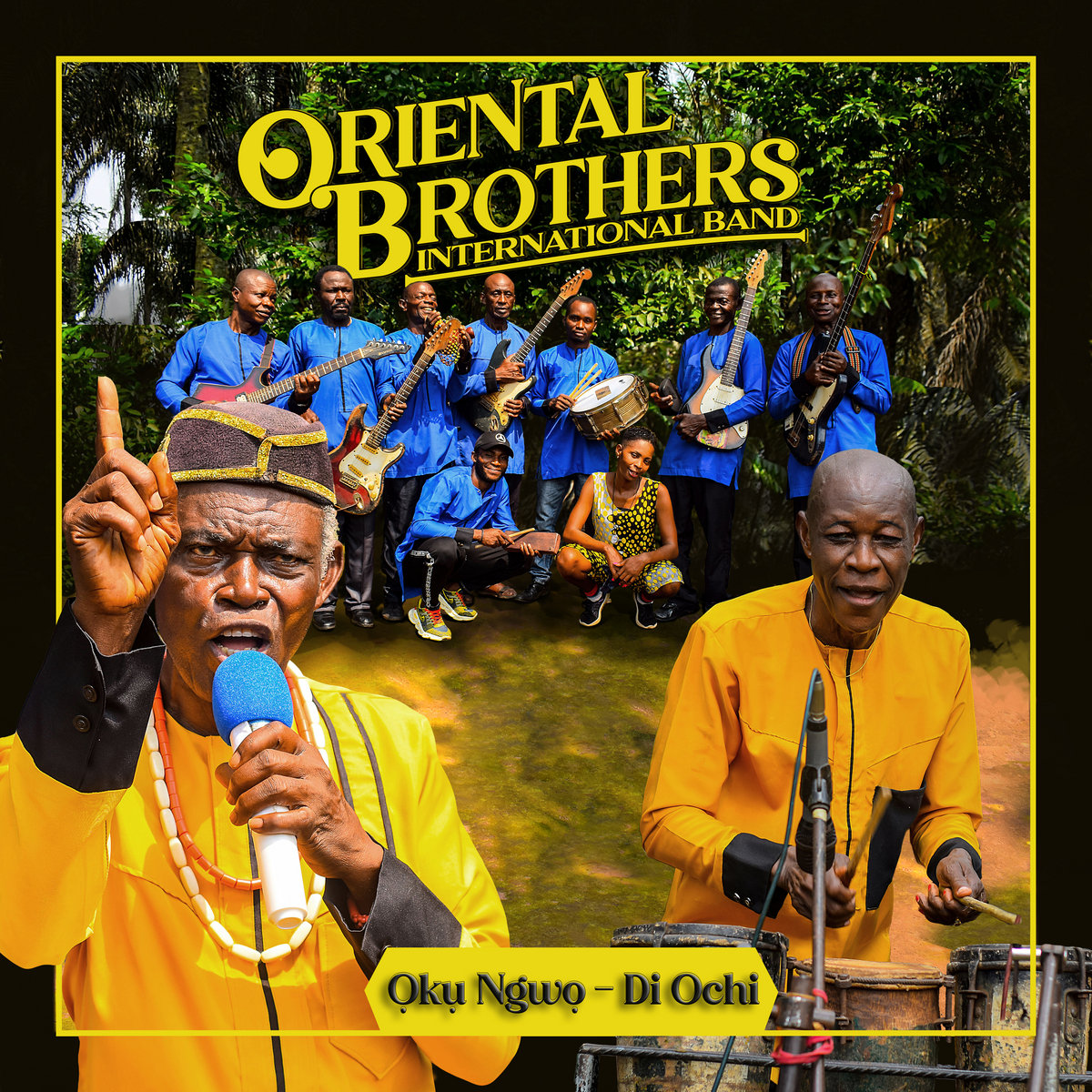
When life feels heavy and the world has just been turned upside down, music, sometimes, becomes the voice that speaks for everyone. In the years after the Nigerian Civil War, that was exactly what people in Igboland needed. They needed sound that could carry memory and hope at the same time. They needed rhythms that felt like home again. Out of this time of rebuilding rose the Oriental Brothers International Band, a group of musicians whose sound helped to carry Igbo highlife music into a new era.
The story of Oriental Brothers International Band is more than just the story of a band. It is the story of a people seeking joy after pain, and of a musical tradition finding solid ground after disruption. Their guitars, voices, and rhythms became familiar companions in markets, living rooms, parties, and ceremonies across southeastern Nigeria. People did not just listen to their music, they lived it. Their songs brought communities together, and reminded listeners of shared experiences, local language, and the beauty of cultural expression.
In the decades that followed, Oriental Brothers International Band helped to keep Igbo highlife alive and meaningful. They did this by blending tradition with innovation, and by making music that felt both personal and universal at the same time.
This article will explore how this iconic band rose, how their music spoke to everyday life after the war, and why their legacy is still relevant today.
A New Beginning After the Civil War
The Nigerian Civil War ended in 1970 leaving communities across the southeast of the country scarred by loss and displacement. Families had been broken, towns devastated, and a once‑vibrant cultural life put on hold. In this fragile period, music became more than entertainment. It became a way to heal, to remember, and to reconnect with identity. Igbo highlife which had thrived before the war, needed new voices to carry it forward. It was in this space of recovery and resilience that the Oriental Brothers International Band emerged.
Their music arrived at a moment people were longing for familiar sounds and shared experiences. Highlife songs became a bridge between memory and the present as it offered comfort, joy, and a sense of continuity. Through their lively rhythms, intricate guitar melodies, and lyrics rich in Igbo language and wisdom, the band created songs that spoke directly to the heart of everyday life. Markets, homes, and social gatherings began to echo with their tunes.
The rise of Oriental Brothers International Band was not just about the hits they produced. It was about reclaiming space for Igbo music and identity in a post-war world. Their songs celebrated resilience, community, and the simple pleasures of life. At a time the people of southeastern Nigeria were rebuilding their lives, their music offered both a soundtrack and a guiding hand as assign that joy, tradition, and creativity could flourish again.
Origins of Oriental Brothers International Band

The story of Oriental Brothers International Band began in the early 1970, in Owerri, the bustling heartland of southeastern Nigeria. This was a time the region was slowly recovering from the Nigerian Civil War, and people were searching for music that could lift spirits, tell stories, and reconnect them with their cultural roots. Out of this need, a group of talented musicians came together to create something extraordinary.
The original lineup of the band included Godwin “Kabaka” Opara, Chief Christogonus “Dr. Sir Warrior” Ezewuiro Obinna, Ferdinand “Dan Satch” Chukwuemeka Opara, Livinus Aquila Alaribe, and Fred “Ichita” Ahumaraeze. Each member brought a unique talent to the group. Kabaka guided the rhythm and direction. Dr. Sir Warrior lent his powerful voice to the lyrics. Dan Satch handled lead guitar and bass with finesse. Aquila energized songs with percussion and congas. And Ichita anchored the rhythm on drums. Together, they formed a band that was both technically skilled and emotionally resonant.
Their first recordings, including tracks like Uwa Atualamujo and Ihe Chinyere were made in the early 1970s at the Decca West Africa Studio. By 1974, with the release of their self-titled album Oriental Brothers International, the band had begun to make a mark across Igboland. Songs such as “Ihe Oma” quickly gained popularity and signalled the start of what would become a decades-long influence on Igbo highlife music.
The emergence of the band was a response to a cultural moment. People wanted music that could carry both memory and hope, and the Oriental Brothers International Band delivered exactly that. Their melodies captured the rhythm of daily life, their lyrics celebrated resilience and community, and their performances reminded audiences of the power of music to heal and unite.
By combining traditional Igbo rhythms with modern highlife arrangements, the band quickly became a voice for a generation seeking connection after the war. They were not just performers, they were storytellers, historians, and custodians of Igbo cultural identity.
Musical Style and Innovation
What set the Oriental Brothers International Band apart was their ability to blend tradition with innovation. In the years following the Nigerian Civil War, many Igbo communities craved music that felt both familiar and fresh. The band delivered exactly that. They rooted their sound deeply in Igbo highlife which combines local rhythms, percussion, and guitar melodies. They also added layers that made their music vibrant and unique.
Guitar melodies were central to their sound. Rhythm guitars provided a steady heartbeat while lead guitars danced around the vocals, thus creating a lively interplay that invited listeners to move and celebrate. Percussion instruments like congas, maracas, and drums added energy to keep the music grounded in traditional Igbo rhythm. Their arrangements often used call-and-response patterns, a hallmark of Igbo musical storytelling aimed at giving the audience a sense of participation in the music itself.
Vocals were another signature of the Oriental Brothers International band. Songs were primarily sung in Igbo using proverbs, everyday sayings, and local expressions that resonated with listeners. This choice not only preserved the language but also connected deeply with people’s lived experiences. Each member contributed their voice in ways that enhanced harmonies, created emotional depth, and made the songs memorable, long after the music ended.
Innovation also came in their approach to albums and recordings. They produced songs that were long enough to allow storytelling and instrumental exploration. Instead of limiting themselves to short, radio-friendly tracks, the Oriental Brothers International Band used extended recordings to take listeners on a journey by exploring themes of resilience, love, morality, and community life. This approach helped to set them apart from other bands of the era and ensured their music had a lasting impact.
Live performances were equally important in defining their style. The band brought energy to every show by combining precise instrumentation with the spontaneous joy of danceable rhythms. Audiences were not just listeners, they were part of the performance. This sense of community in music became a hallmark of the band’s identity and reinforced their role as cultural custodians.
Through their mix of traditional rhythms, modern arrangements, and expressive storytelling, the Oriental Brothers International Band created a sound that was unmistakably theirs. They kept Igbo highlife alive in the post-war era while also pushing it forward, thereby inspiring new musicians, and giving communities music that felt like home again.
Lyrical Themes That United People
One of the most powerful ways the Oriental Brothers International Band connected with audiences was through their lyrics. Their songs did not just produce melodies, they told stories, gave lessons, and prompted reflections on everyday life. In a society recovering from the Nigerian Civil War, these messages mattered deeply. People needed music that spoke to their experiences, and the band delivered with precision and heart.
Their lyrics often explored themes of resilience and hope. Songs celebrated the ability to endure hardship, recover from loss, and continue building community. They reminded listeners that even in difficult times, life moved forward and joy could still be found. This gave their music a sense of purpose beyond entertainment.
Community and moral values were central to many of their tracks from the Oriental Brothers International Band. They used proverbs, local sayings, and narratives to communicate lessons about honesty, loyalty, hard work, and compassion. These messages resonated across generations, as the young and the old alike found guidance and wisdom in the music. The storytelling was simple, yet profound as it spoke in everyday language that listeners could immediately relate to.
Love, friendship, and family were also recurring themes. Songs about relationships, affection, and connection helped people to celebrate life’s joys even amid lingering post-war difficulties. Their lyrics acknowledged human emotions in a way that felt personal and authentic, thus creating a deep emotional bond with audiences.
Perhaps most importantly, the decision of the Oriental Brothers International Band to sing predominantly in Igbo helped to preserve the language in music at a time external influences threatened local traditions. This choice was both cultural and political, and was an assertion of pride in Igbo identity in the bid to ensure that the rhythms, sayings, and stories of the people remained alive.
Through their lyrics, the Oriental Brothers International Band united people across towns and villages. Their songs became part of daily life as they were played at markets, ceremonies, celebrations, and gatherings. Listeners not only danced to their music but also absorbed its wisdom. This allowed the band to influence social life as much as musical taste.
Popularity and Reach
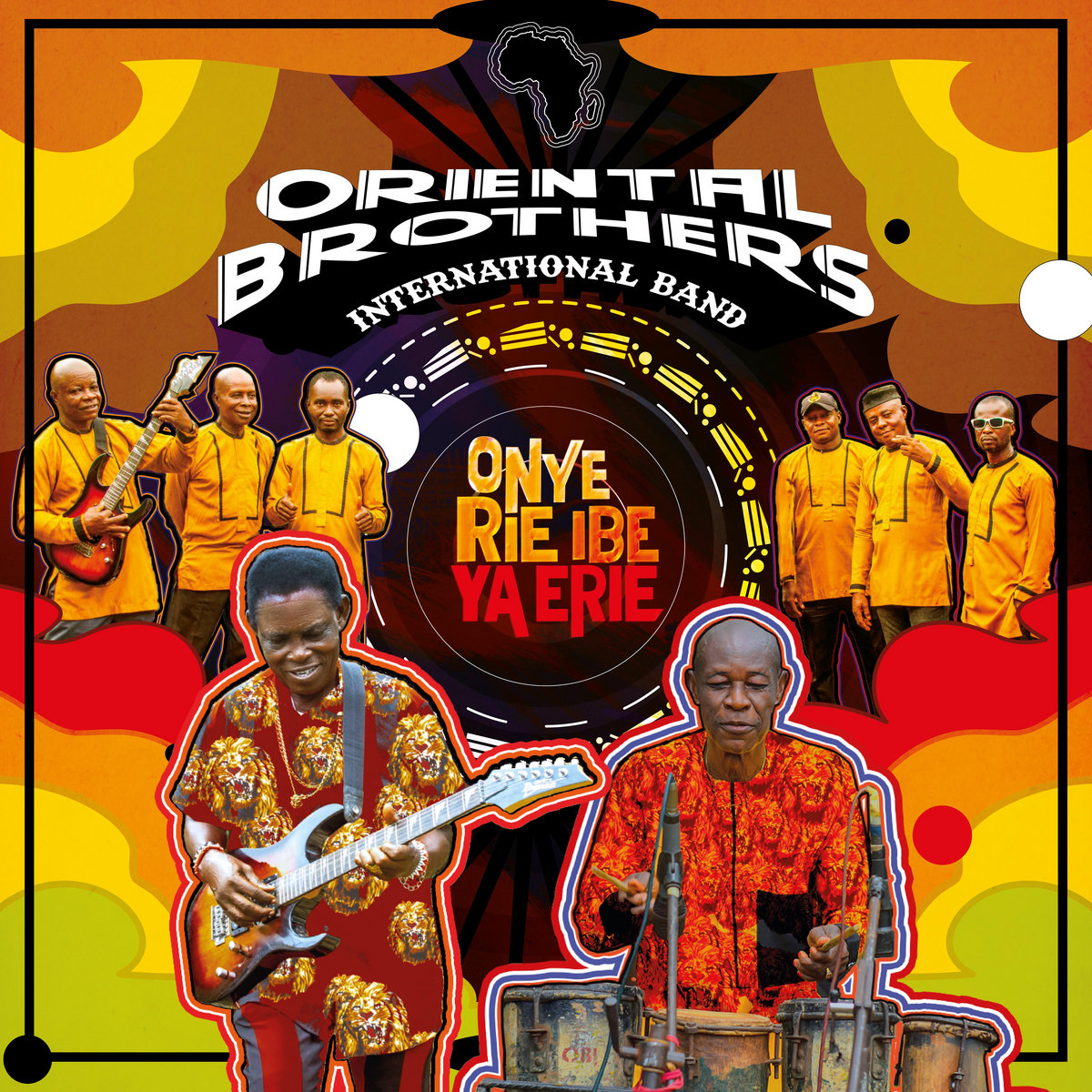
By the mid-1970s, the Oriental Brothers International Band had become a household name across southeastern Nigeria. Their music resonated deeply with people because it captured the spirit of daily life, the struggles of post-war recovery, and the celebration of Igbo culture. Their songs were played in homes, markets, buses, and local gatherings and were turning ordinary moments into communal experiences of joy and connection.
The popularity of the Oriental Brothers International Band was fuelled by a series of successful albums, each showcasing their signature mix of guitar-driven highlife, rhythmic percussion, and meaningful lyrics. Their tracks were not only catchy but also deeply rooted in storytelling. Hits like Ihe Oma, Uwa Atualamujo, and Nwanne Mara Mma became staples at social events, weddings, and community festivals with the goal of ensuring that their music reached every corner of Igboland.
Recordings were made accessible through multiple channels. Vinyl albums, cassette tapes, and radio broadcasts allowed people to listen to the music repeatedly. The band also relied heavily on live performances. Touring from town to town, they played for both small village gatherings and larger city audiences. These performances were immersive experiences where dance, laughter, and storytelling merged seamlessly with the music.
Despite changes in the music industry, the Oriental Brothers International Band maintained a strong presence. Their ability to connect emotionally with audiences created a loyal fan base that spanned generations. Even as younger musicians explored new genres, their work remained a touchstone for those who cherished traditional Igbo highlife.
The reach of the band was not limited to Nigeria alone. Their recordings found audiences across West Africa and among the Igbo diaspora as proof that their music had both cultural and international appeal. By combining traditional rhythms with universally relatable themes of hope, community, and resilience, Oriental Brothers International Band ensured that Igbo highlife music thrived long after the Civil War.
Splits, Solo Paths, and Band Lineups
Like many long-lasting music groups, the Oriental Brothers International Band faced changes in membership over the years. These shifts did not diminish their influence but rather added layers to their legacy. In the mid-1970s, Godwin “Kabaka” Opara left to pursue his own musical projects. He formed a separate band that carried his signature guitar style. Around the same time, Dr. Sir Warrior also branched out to explore solo work and collaborations with other musicians.
Despite these departures, the Oriental Brothers name remained strong. Ferdinand “Dan Satch” Chukwuemeka Opara continued to lead the band. He brought in new members and kept the spirit of the original group alive. Each lineup change introduced fresh ideas, new rhythms, and additional vocal harmonies that allowed the band to evolve while remaining true to its core sound.
These splits were not just professional decisions, they reflected the realities of the Nigerian music scene at the time. Touring demands, recording schedules, and the desire for creative freedom often required musicians to explore new paths. Yet, the enduring appeal of Oriental Brothers International Band ensured that fans remained loyal. Even separate projects and solo albums carried the unmistakable essence of their style which demonstrated how deeply their musical identity had taken root in Igbo highlife.
Through these changes, the Oriental Brothers International band also influenced a generation of musicians. Members who left created new opportunities for others to carry the highlife tradition forward. At the same time, the main band continued to release albums that captivated audiences, and kept Igbo highlife vibrant and relevant.
Influence on Later Music and Later Recognition
The impact of the Oriental Brothers International Band extends far beyond their initial albums and performances. Their music became a blueprint for the next generation of Igbo highlife musicians as it inspired countless artists to explore traditional rhythms while incorporating modern elements. By blending authentic Igbo sounds with innovative arrangements, the band showed that highlife could remain relevant even as popular music trends evolved.
Many younger musicians credit the band for shaping their understanding of rhythm, guitar patterns, and storytelling in music. Tracks from albums like Oriental Brothers International and Ihe Oma are still studied and played by aspiring highlife artists who want to capture the emotional depth and cultural richness that the band brought to every song. Their approach to extended instrumental sections and call-and-response vocals continues to influence live performances across Nigeria and beyond.
Recognition for the band has also grown internationally. Over the years, DJs and music enthusiasts outside Africa have discovered their tracks, thus introducing Oriental Brothers International Band to new audiences. From West African music festivals to Afrobeat-influenced compilations in Europe and the Americas, their work has contributed to a global appreciation of Igbo highlife.
Their legacy is evident in how their music continues to be sampled, re-released, and celebrated in contemporary Nigerian music culture. Their recordings serve as a cultural archive that preserved the sounds, language, and stories of post-war Igboland. Even decades after their first hits, the Oriental Brothers International Band remains a reference point for authenticity, creativity, and the enduring power of music to unite people.
Legacy and Cultural Importance
The influence of the Oriental Brothers International Band goes far beyond their catchy rhythms and popular albums. They played a critical role in preserving Igbo highlife music at a time it could have easily been overshadowed by other emerging genres. By staying true to traditional rhythms, singing in Igbo, and crafting songs that reflected everyday life, they ensured that the cultural heartbeat of southeastern Nigeria remained alive.
Their music became a living archive of Igbo stories, proverbs, and social values. Songs that spoke about resilience, community, and morality were not only entertaining but also educational because they taught listeners about their own heritage. Through this, the band became custodians of culture.
The legacy of the band is also seen in how later generations of musicians continue to draw inspiration from their work. Contemporary highlife and even Afrobeat artists reference the melodies, harmonies, and narrative styles that Oriental Brothers International Band popularized. Their recordings are studied, performed, and sampled as proof that their influence spans decades.
Additionally, their music helped to connect the Igbo diaspora with their roots. For communities abroad, their songs served as a bridge to homeland culture as they kept the language, rhythms, and traditions alive across continents. Even today, their tracks are played on Nigerian radio, featured in playlists, and shared online which shows that their contribution to music and culture is timeless.
Ultimately, the Oriental Brothers International Band exemplifies how music can survive difficult times and continue to shape identity. They remind us that a band is more than its members or albums. It is a vessel for memory, pride, and cultural continuity. Their legacy is a testament to the enduring power of Igbo highlife and its role in connecting people to both history and community.
In Conclusion …
The story of the Oriental Brothers International Band carries more than the story of a musical group. It is the story of a people reclaiming joy, identity, and culture after the Nigerian Civil War. In a period of uncertainty and recovery, their music became a source of comfort, a reminder of shared history, and a celebration of Igbo life. Through their rhythms, vocals, and lyrics, they preserved the soul of Igbo highlife, and ensured it would survive and thrive for generations.
Their songs captured the everyday experiences of their listeners – stories of resilience, community, love, and morality. They brought people together by turning gatherings, markets, and homes into spaces of shared music and culture. By singing predominantly in Igbo and drawing on local proverbs and expressions, the band reinforced cultural pride and created music that resonated across generations.
Even as the band experienced lineup changes, splits, and solo ventures, the essence of their music remained intact. Their influence extended to younger musicians, the Igbo diaspora, and international audiences, thus validating that highlife is a living, evolving cultural expression.
Today, the Oriental Brothers International Band stands as a testament to the power of music to heal, unite, and preserve identity. They show that in times of upheaval, culture can survive through creativity, dedication, and a deep connection to community. Their legacy continues to inspire musicians and listeners alike by ensuring that Igbo highlife remains a vibrant and enduring part of Nigeria’s musical heritage.
References
- https://en.wikipedia.org/wiki/Oriental_Brothers_International
- https://amf.didiermary.fr/oriental-brothers-international-band/
- https://music.apple.com/ng/artist/the-oriental-brothers-international/453053491
- https://en.wikipedia.org/wiki/Igbo_highlife
- https://www.ubetoo.com/articles/best-highlife-musician-of-all-time/
You might want to check this out …