Nigerian Culture & Heritage
15 Top Public Libraries in Nigeria You Should Explore

Public libraries in Nigeria are essential places for reading, borrowing, learning, and community enrichment. Explore this guide to the top libraries across the country with details on locations, services, and how they support growth and learning.

Finding a quiet place to read or study can be a challenge in many Nigerian cities. That is where learning about public libraries in Nigeria becomes useful. Public libraries in Nigeria provide both books and space for students to focus, researchers to dig into materials, and everyday readers to explore topics that interest them. From Lagos to Bayelsa, from Uyo to Enugu, these libraries remain active, functional spaces for learning and discovery.
Despite challenges like limited funding or aging facilities, public libraries in Nigeria are still serving communities. They combine physical collections with digital resources, provide reading corners, and often host educational programmes. For anyone looking to read, borrow, or research, these libraries are vital resources that are worth knowing about.
In this guide, we highlight about 15 top public libraries in Nigeria, including well-documented state libraries and national library branches. This covers their locations, services, and features so you know exactly where to go to read, borrow, or explore, no matter which part of the country you are in.
What Makes a Public Library Functional in Nigeria?
A public library in Nigeria is considered functional, if it meets the needs of its community in practical ways. Fundamentally, a functional library provides easy access to books and learning materials. That means having shelves stocked with a variety of titles, from textbooks and reference books to novels, magazines, and newspapers. It also means that materials are organized and accessible, so visitors can find what they need without frustration.
Functionality is not just about having all the books. A good library offers comfortable reading spaces, quiet areas for study, and desks where students and researchers can work. Some libraries provide digital resources like computers, internet access, and digital materials which are increasingly important in today’s learning environment. These features help libraries to remain relevant as education and information shift to digital formats.
Staff play a critical role in functionality as well. Knowledgeable librarians guide visitors, answer questions, and help to locate resources. They also manage borrowing systems, run community programmes, and sometimes, organize workshops to improve literacy and research skills.
Finally, a functional public library is open, accessible, and welcoming. It operates reliable hours, maintains a safe and conducive environment, and encourages all members of the community – children, students, researchers, and adults to use its resources.
When these elements come together, a library truly becomes a hub for learning, growth, and exploration.
Top Public Libraries in Nigeria by Region
Nigeria is home to a wide network of public libraries, each of which serves its local community in meaningful ways. Some focus on traditional book lending, while others provide digital resources, study spaces, and educational programmes. Here is a look at 15 top public libraries in Nigeria, organized by region for easier reference.
1. Isolo Public Library – Lagos State

Isolo Public Library refurbished by Zenith Bank Plc
Isolo Public Library which is located in the heart of Isolo, Lagos State stands out as one of the most accessible and frequently used public libraries in Nigeria, especially within Lagos. It is managed by the Lagos State Library Board, and serves a diverse group of users, including students, professionals, and everyday readers who need a calm and reliable space for study and research.
The library offers a well-rounded collection of materials – textbooks, reference books, novels, and magazines. These resources support students preparing for exams, working on assignments, or carrying out research, while adult users visit for personal learning or relaxed reading. The variety ensures that different age groups and interests are well catered for.
Beyond its collection, Isolo Public Library provides structured reading areas and spaces that encourage focus and quiet study. It also supports community engagement through literacy-focused activities that bring people together around learning. Librarians are available to guide users by helping them locate materials, use reference sources effectively, and understand how to borrow books.
With its central location, dependable services, and user-friendly environment, Isolo Public Library remains a strong example of how public libraries in Nigeria continue to support education, reading culture, and everyday learning in busy urban communities.
2. Simeon Adebo Library – Abeokuta, Ogun State

Simeon Adebo Library which is located in Abeokuta, Ogun State is one of the most established and respected public libraries in Nigeria, particularly in the southwestern region. As the headquarters of the Ogun State Library Board, it not only serves local readers but also coordinates public library services across the state.
The library houses a wide and well-organized collection of materials, including textbooks, academic references, novels, newspapers, and magazines. Students preparing for secondary school and university examinations often rely on the library for daily study, while researchers and professionals use its reference materials to support academic and work-related projects. It also attracts adult readers interested in personal growth or quiet reading time.
In addition to its collections, Simeon Adebo Library provides calm reading areas, study tables, and spaces for educational and community-based programmes. Librarians are available to guide users in finding materials, using reference resources, and understanding how to access library services effectively. This support makes the library welcoming to both new visitors and regular users.
With its strong collections, structured learning environment, and dedicated staff, Simeon Adebo Library remains a clear example of how public libraries in Nigeria continue to support education, research, and community learning.
3. Azaiki Public Library – Yenagoa, Bayelsa State
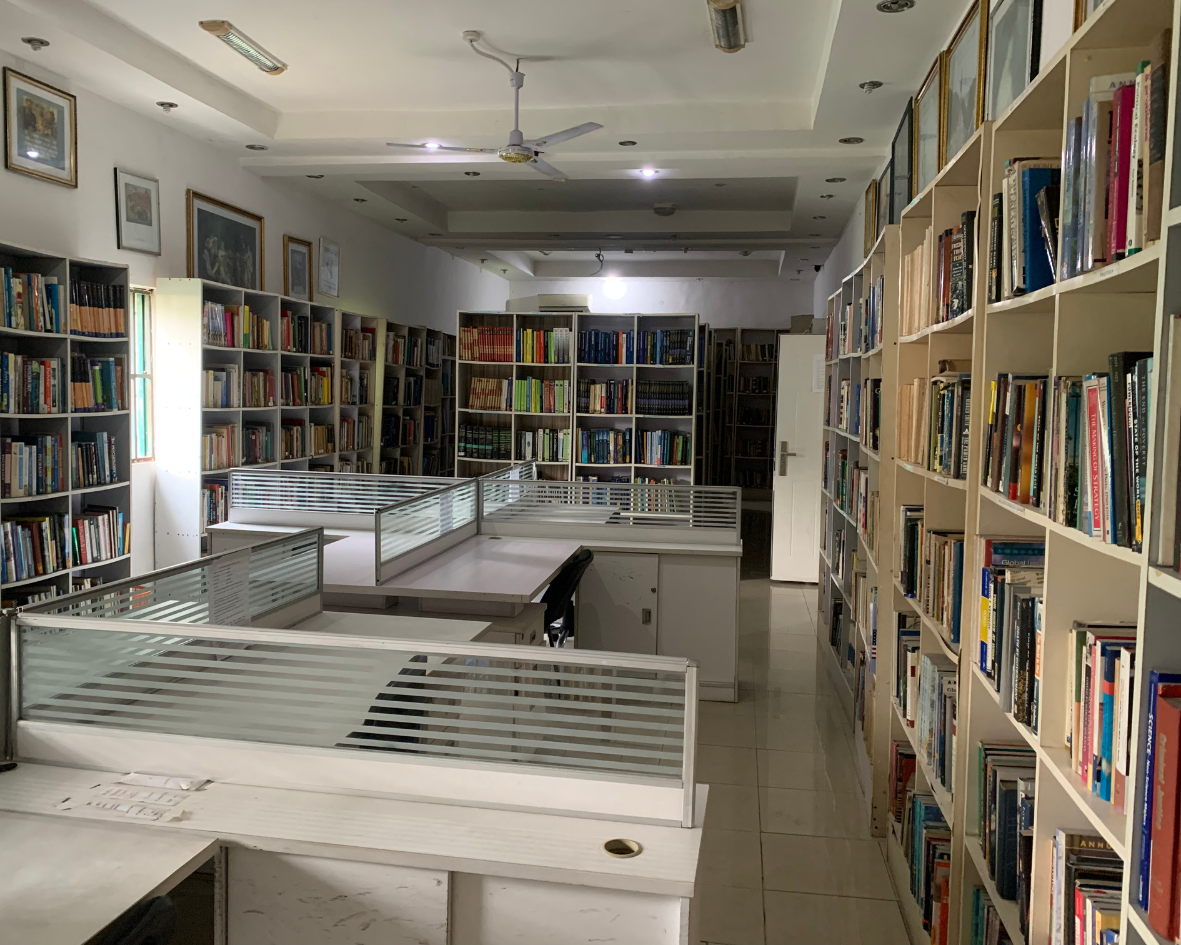
Inside Azaiki Public Library
Azaiki Public Library located in Yenagoa, Bayelsa State is one of the most recognized public libraries in Nigeria, especially within the Niger Delta region. It serves as a reliable learning space for students, researchers, and community members who need access to books and educational resources.
The library offers a broad and well-curated collection that includes textbooks, academic references, fiction, magazines, and newspapers. Students often visit to prepare for exams, carry out research, or complete school projects, while adults use the space for personal learning, reading, and skill development. The range of materials ensures that different interests and learning needs are well supported.
Beyond its collection, Azaiki Public Library provides quiet study areas, reading corners, and spaces for community and educational programmes. The environment is calm and structured, which makes it suitable for focused learning. Librarians are available to assist users in finding materials, using reference resources, and understanding how to access library services effectively.
With its strong collections, supportive staff, and community-centered approach, Azaiki Public Library stands as a clear example of how public libraries in Nigeria support education, research, and lifelong learning.
4. Ibom E‑Library – Uyo, Akwa Ibom State

Ibom E-Library which is located in Uyo, Akwa Ibom State is one of the most advanced public libraries in Nigeria and is often regarded as one of the largest digital libraries in West Africa. It is built to serve both traditional readers and modern learners as it combines both physical books and digital resources in a way that sets it apart from many other libraries in the country.
The library features a rich and diverse collection of textbooks, novels, research journals, magazines, and newspapers. In addition to print materials, users have access to computers, online journals, and other digital learning resources. This makes it a valuable space for students preparing for exams, researchers working on projects, and professionals looking to improve their skills.
Ibom E-Library also offers well-arranged reading areas, study spaces, and quiet corners designed for focused learning. The environment is structured and welcoming, thus making it suitable for both short visits and extended study sessions. Librarians are available to assist users in locating materials, using digital platforms, and navigating available resources with ease.
With its combination of technology, strong collections, and user support, Ibom E-Library stands out as a leading example of how public libraries in Nigeria are evolving to meet modern learning needs as well as promote reading culture and lifelong education.
5. Enugu State Central Library – Enugu State

Enugu State Central Library is located in Enugu city, and is one of the oldest and most respected public libraries in Nigeria. Established in 1958 with support from UNESCO, it has served generations of students, researchers, and everyday readers, and as such, has earned its place as a key institution in the country’s library system.
The library offers a wide and well-structured collection of materials that include textbooks, reference books, novels, newspapers, and magazines. Students often visit to prepare for exams, complete assignments, or carry out research, while professionals and adult learners use the library to explore new subjects and access reliable information.
Beyond its collection, Enugu State Central Library provides quiet reading areas, study tables, and spaces for educational programmes and community events. The environment supports focused learning, while the librarians are available to guide users in locating materials, using reference resources, and understanding borrowing procedures.
With its long-standing history, strong collections, and continued service to the public, Enugu State Central Library remains a clear example of how public libraries in Nigeria support education, literacy, and lifelong learning across generations.
6. Prof. Kenneth Dike State Central E-Library – Awka, Anambra State

Prof. Kenneth Dike E-Library is located in Awka, Anambra State, and is one of the most modern and well-equipped public libraries in Nigeria. Designed to meet the needs of both traditional readers and digital learners, it serves students, researchers, professionals, and community members seeking access to books, digital resources, and educational support.
The library offers a diverse collection of resources, including textbooks, reference books, academic journals, novels, newspapers, and magazines. Beyond print, it provides computers, e-books, and access to online journals, thus making it a hub for research, exam preparation, and skill development. Students often visit to study for school or university exams, while adult learners and professionals use the library for personal growth and project research.
In addition to its collections, Prof. Kenneth Dike E-Library provides quiet reading areas, study tables, and spaces for community literacy and educational programmes. Trained librarians assist visitors in locating materials, using digital platforms, and navigating reference resources, to ensure a smooth and productive experience for all.
With its modern facilities, strong collections, and community-focused services, Prof. Kenneth Dike E-Library stands out as a prime example of functional public libraries in Nigeria that support education, research, and lifelong learning in Anambra State.
7. National Library of Nigeria Branches (Multiple States)
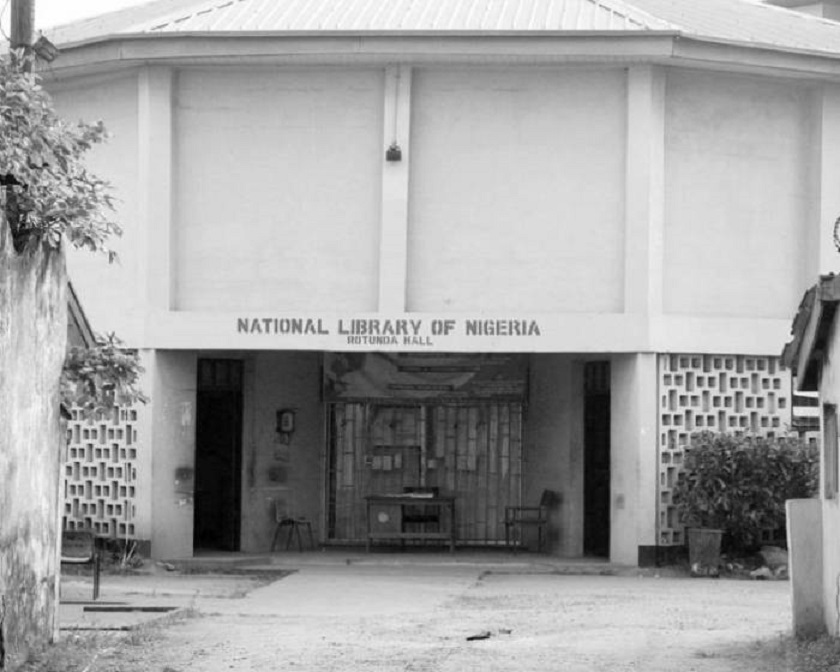
The National Library of Nigeria operates branches across the country, e.g. Lagos, Abuja (Federal Capital Territory), Kaduna, Kano, Bauchi, Plateau, Imo and other states. This network plays a central role in providing access to knowledge, reading materials, and educational support, thus making it one of the most important pillars among public libraries in Nigeria.
Each branch maintains a wide range of resources that include books, periodicals, and reference materials suitable for students, researchers, and general readers. Visitors can borrow books, conduct research, or access information for personal and professional purposes. Many branches also feature newspapers, magazines, and special collections focused on Nigerian history and culture. This gives the communities a direct connection to the nation’s heritage.
Beyond its collections, the National Library branches provide quiet reading areas, study tables, and spaces for educational and community programmes. Trained librarians assist visitors in locating resources, using reference materials effectively, and navigating borrowing systems with the aim of ensuring a productive and user-friendly experience.
By extending quality library services beyond major cities, the National Library’s branches demonstrate how public libraries in Nigeria serve communities nationwide, and support education, literacy, and lifelong learning for people across all regions.
8. Ikeja Secretariat Library – Lagos State
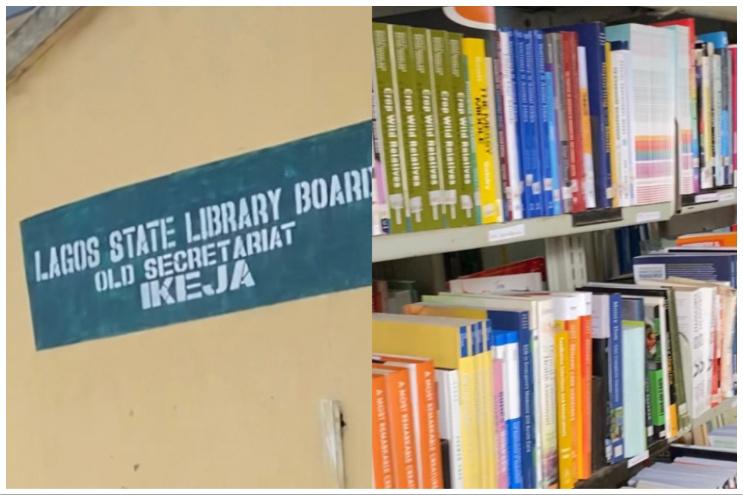
Ikeja Secretariat Library located in the heart of Ikeja, Lagos State is a key hub among public libraries in Nigeria that serves students, professionals, and everyday readers in the city. Managed by the Lagos State Library Board, it provides access to a wide range of books and learning resources which makes it an essential space for education, research, and personal development.
The library’s collection includes textbooks, reference books, novels, newspapers, and magazines that cater to readers of all ages and educational levels. Students frequently visit to prepare for exams, complete assignments, or conduct research, while adult visitors use the library for personal learning or leisure reading.
Beyond its collections, Ikeja Secretariat Library offers quiet reading areas, study tables, and spaces for community and educational programmes. Librarians are available to assist visitors in locating materials, using reference sources effectively, and understanding borrowing procedures, ensuring a seamless and productive experience.
With its organized collections, supportive staff, and focus on community learning, Ikeja Secretariat Library exemplifies functional public libraries in Nigeria, and highlights the vital role libraries play in fostering literacy, education, and lifelong learning in urban communities.
9. Ilupeju Public Library – Lagos State

Ilupeju Public Library which is located in the Ilupeju area of Lagos State is a vital community hub and one of the well-regarded public libraries in Nigeria. It is managed by the Lagos State Library Board, and provides access to books, periodicals, and a variety of learning resources for students, researchers, and everyday readers.
The library houses a diverse collection of textbooks, reference books, novels, magazines, and newspapers. Students frequently visit to prepare for exams, complete assignments, or carry out research, while adult learners and community members use the space for personal growth, knowledge expansion, and leisure reading.
Beyond its collections, Ilupeju Public Library offers quiet reading and study areas, as well as spaces for small-scale community literacy and educational programmes. Librarians are on hand to guide visitors in locating materials, using reference resources effectively, and navigating borrowing procedures as a way of ensuring that everyone can benefit fully from the library’s services.
With its organized collections, welcoming atmosphere, and supportive staff, Ilupeju Public Library demonstrates how public libraries in Nigeria continue to serve as essential centres for learning, research, and community engagement.
10. Ipaja Public Library – Lagos State

Ipaja Public Library situated in the busy Ipaja area of Lagos State is a vital hub among public libraries in Nigeria. This library which is managed by the Lagos State Library Board provides students, professionals, and local residents with access to a wide range of books and study resources that support both academic and personal learning.
The library’s collection includes textbooks, reference books, novels, newspapers, and magazines. Students frequently use the library for exam preparation, research, and school projects while adults visit to enhance their knowledge, enjoy leisure reading, or access reliable reference materials.
In addition to its collections, Ipaja Public Library offers quiet reading and study areas as well as spaces for small community literacy and educational programmes. Librarians are on hand to help visitors locate resources, navigate reference materials, and understand borrowing procedures with the aim of ensuring a productive and user-friendly experience.
With its organized collections, conducive environment, and supportive staff, Ipaja Public Library exemplifies how public libraries in Nigeria contribute to education, research, and lifelong learning within local communities.
11. Murtala Muhammad Library Complex – Kano, Kano State
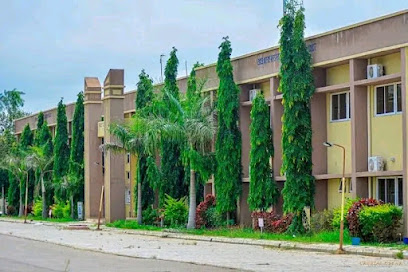
The Murtala Muhammad Library Complex located along Ahmadu Bello Way in Kano, Kano State is a key public library within northern Nigeria and one of the main facilities under the Kano State Library Board. As a regional centre for reading and research, it serves students, professionals, and community members seeking access to books, reference materials, and study spaces that helps to broaden access to information across the northwest.
The library’s collection includes a variety of resources such as fiction and non‑fiction books, newspapers, magazines, and educational texts. Students often visit to prepare for exams or complete research, while adults use the facility for personal learning and community development activities. Beyond its printed materials, the complex also offers reading areas, quiet study spaces, and community programmes designed to support literacy and lifelong learning.
With its extensive holdings, supportive staff, and role as a gathering place for learning, the Murtala Muhammad Library Complex illustrates how public libraries in Nigeria, especially in the northern region, continue to contribute to education, research, and community engagement.
12. Henry Carr Library – Agege, Lagos State

Henry Carr Library is located in Agege, Lagos State, and is a prominent hub among public libraries in Nigeria that serve students, professionals, and the local community. As part of the Lagos State Library Board, it provides access to books, reference materials, and study spaces that support education, research, and personal growth.
The library’s collection includes textbooks, novels, magazines, newspapers, and reference books that cater to a wide range of readers and educational needs. Students frequently visit to prepare for exams, complete school projects, or conduct research, while adults use the library for personal learning, leisure reading, or professional development.
Beyond its collections, Henry Carr Library offers quiet reading areas and study tables that provide an environment that encourages focus and concentration. Librarians are available to guide visitors in locating materials, navigating reference sources, and understanding borrowing procedures to ensure a smooth and productive library experience.
With its well-organized resources, dedicated staff, and strong focus on community learning, Henry Carr Library stands as a leading example of how public libraries in Nigeria foster education, literacy, and lifelong learning in Agege and across Lagos State.
13. Abdullahi Muhammed Public Library – Zaria, Kaduna State

Abdullahi Mohammed Public Library located in Zaria, Kaduna State is one of the most prominent public libraries in the northern part of Nigeria. It serves as a key resource for students, researchers, and community members, thus making it an essential part of public libraries in Nigeria.
The library’s collection includes textbooks, reference books, novels, newspapers, and academic journals. Students rely on it for exam preparation, research projects, and accessing reliable information, while adults use it for personal learning, professional development, and leisure reading.
In addition to its collections, Abdullahi Mohammed Public Library provides quiet reading areas, study spaces, and rooms for educational and literacy programmes. Librarians are available to guide visitors in locating materials, using reference sources, and navigating borrowing systems.
With its well-organized resources, dedicated staff, and community-focused services, Abdullahi Mohammed Public Library exemplifies how public libraries in Nigeria continue to support education, research, and lifelong learning across the country.
14. Edo State Library Board – Benin City, Edo State

The Edo State Library Board headquartered in Benin City oversees public library services across Edo State and plays a key role in promoting literacy, research, and education in the region. As part of the network of public libraries in Nigeria, it provides residents with access to books, periodicals, and reference materials, and serves students, researchers, and everyday readers alike.
The main library in Benin City offers a variety of resources – textbooks, novels, newspapers, magazines, and academic references. Students often visit to study for exams, complete assignments, or conduct research, while adults and professionals rely on the library for personal development, research projects, and leisure reading.
In addition to its collections, Edo State Library Board provides quiet reading and study spaces, as well as rooms for community literacy and educational programmes. To ensure a productive and welcoming environment for all, librarians are available to guide visitors in locating materials, using reference sources effectively, and navigating the borrowing system
With its well-organized collections, trained staff, and focus on community engagement, the Edo State Library Board demonstrates how public libraries in Nigeria continue to support learning, research, and lifelong literacy across the country.
15. Imo State Library Board – Owerri, Imo State
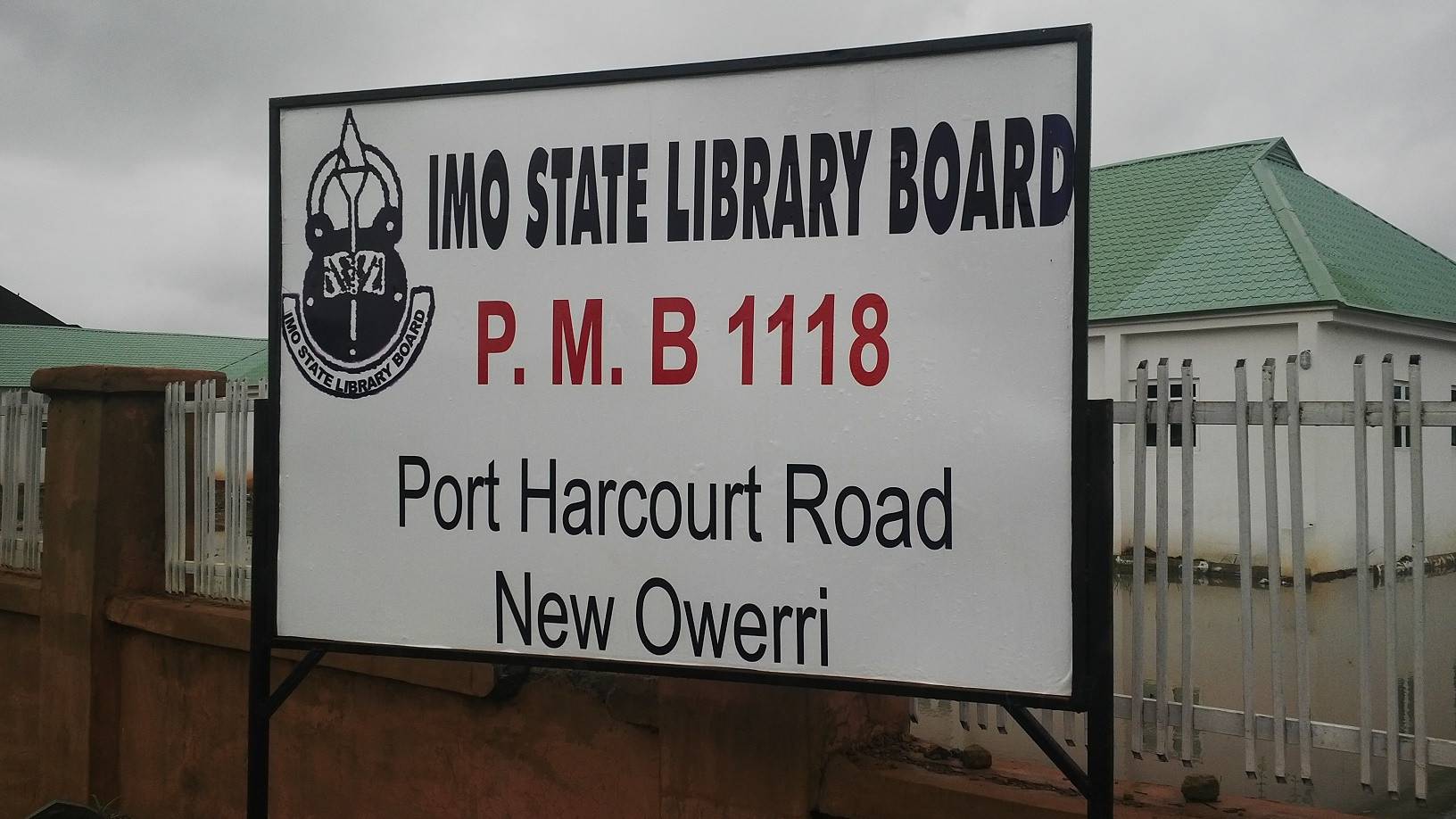
The Imo State Library Board headquartered in Owerri manages public library services across Imo State, and provides vital resources for students, researchers, and the general public. It is an essential part of the network of public libraries in Nigeria that offer access to books, reference materials, and learning spaces for the community.
The main library in Owerri houses a wide collection of resources, including textbooks, academic journals, reference books, novels, newspapers, and magazines. Students often use the library for exam preparation, project research, and completing assignments while professionals and adult learners access it for personal development, research, or leisure reading.
In addition to its collections, Imo State Library Board provides quiet reading and study areas and rooms for community literacy programmes. There are librarians to assist visitors in navigating the library, locating materials, and understanding reference resources with the aim of ensuring a productive and welcoming environment for everyone.
By combining well-maintained collections, trained staff, and community-focused services, the Imo State Library Board exemplifies how public libraries in Nigeria continue to support education, literacy, and lifelong learning across the country.
Special Features to Look for in Nigerian Public Libraries
Not all public libraries are the same. Some stand out because they offer extra services and facilities that make learning, research, and reading easier and more enjoyable. When exploring public libraries in Nigeria, here are some special features to look for:
Variety of collections. A well-functioning library offers a wide range of books and materials for different age groups and interests. This includes textbooks, academic references, novels, newspapers, magazines, and sometimes, local cultural materials. The more diverse the collection, the more likely the library can meet the needs of students, researchers, and casual readers.
Digital and online resources. Many modern libraries now combine print materials with digital resources. Features such as internet access, computers, e-books, online journals, and databases allow users to access information quickly and expand their learning opportunities beyond physical books. Libraries like Ibom E-Library in Uyo are excellent examples of this integration.
Quiet study and reading spaces. A library’s environment matters as much as its collection. Functional public libraries provide quiet areas, study tables, and reading corners where students and visitors can concentrate without distractions.
Supportive librarians and staff. Trained librarians are essential to making a library functional. They guide visitors in finding materials, navigating reference books, using digital tools, and understanding borrowing rules. Staff support ensures a smooth and productive experience for all users.
Community programmes and educational activities. Many Nigerian public libraries host literacy programmes, workshops, and reading sessions for children and adults. These activities encourage a reading culture, improve skills, and make the library a hub for learning and engagement.
Accessibility and operational hours. A functional library is easy to access and maintains consistent hours. Libraries located in central areas with clear signage, ramps for differently-abled users, and flexible opening times are more likely to serve the community effectively.
Special collections or cultural materials. Some libraries provide materials connected to local history, culture, and heritage. These special collections allow visitors to explore regional traditions and historical archives alongside regular learning materials.
By paying attention to these features, anyone visiting public libraries in Nigeria can identify which ones best meet their learning, research, and reading needs. Libraries that combine organized collections, technology, supportive staff, and community engagement are often the most functional and beneficial for their users.
Why Public Libraries Are Important for Nigerian Communities
Public libraries in Nigeria play a vital role in the growth and development of Nigerian communities. They provide access to knowledge and learning materials that might otherwise be unavailable, thus helping students, professionals, and everyday readers achieve their goals.
Libraries also promote literacy, critical thinking, and lifelong learning. They create safe and quiet spaces for studying, researching, and reading, as well as offer programmes that encourage children and adults to engage with books and educational activities.
Beyond education, public libraries strengthen communities by hosting workshops, cultural events, and outreach initiatives. They preserve local history and cultural heritage, and give the residents a sense of identity and connection.
Essentially, public libraries in Nigeria are more than book collections. They are community hubs that support learning, personal growth, and social development.
In Conclusion …
Public libraries are an essential part of Nigeria’s educational and cultural landscape. From bustling urban centres to smaller towns, they provide access to knowledge, support literacy, and create spaces for learning, research, and personal growth.
The libraries highlighted in this article showcase how public libraries in Nigeria serve diverse communities by combining traditional book collections with modern digital resources, supportive staff, and community-focused programmes. By visiting and using these libraries, Nigerians not only gain knowledge but also help strengthen a culture of reading and lifelong learning.
Ultimately, public libraries are gateways to opportunities, empowerment, and connection. Supporting them ensures that future generations continue to benefit from their invaluable resources and services.
References
- https://rentechdigital.com/smartscraper/business-report-details/list-of-public-libraries-in-nigeria
- https://nigerianqueries.com/libraries-in-nigeria/
- https://en.wikipedia.org/wiki/National_Library_of_Nigeria
- https://en.wikipedia.org/wiki/Ibom_E-Library
- https://en.wikipedia.org/wiki/Azaiki_Public_Library
- https://en.wikipedia.org/wiki/Simeon_Adebo_Library
- https://en.wikipedia.org/wiki/Isolo_Public_library
- https://en.wikipedia.org/wiki/Anambra_State_Library_Board
- https://en.wikipedia.org/wiki/List_of_libraries_in_Nigeria
You might want to check this out …