

African History
Umudioka, Anambra State || History, Culture, Tradition, Others

Umudioka is an ancient town in Dunukofia LGA, in Anambra State, Nigeria. Discover the history, culture, villages, festivals, markets, and modern life of this historic town.

Umudioka is a vibrant and historic town in Dunukofia Local Government Area, Anambra State, in the heart of southeastern Nigeria. This close-knit community of ten villages is known, not only for its rich cultural traditions but also for its legacy of healing and craftsmanship.
From the ancient practice of ichi facial scarification to its thriving festivals like Mkpikpa and New Yam, Umudioka offers a deep and meaningful look into Igbo heritage.
In this article, we explore its origins, social structure, economic life and modern challenge, showcasing how the town preserves its traditions while navigating the demands of today.
Whether you’re drawn by history, culture or community development, Umudioka tells a story that is both timeless and evolving.
Etymology and the meaning of the name “Umudioka”
The name “Umudioka” is rooted in the Igbo phrase “Umu Dioka” which translates to “children of Dioka.” This naming reflects the town’s strong sense of ancestral identity and lineage.
According to traditional accounts, Dioka was a key progenitor in the community’s early history. Over time, his descendants became known collectively as Umu-Dioka, and the settlement that grew from them came to be called Umudioka.
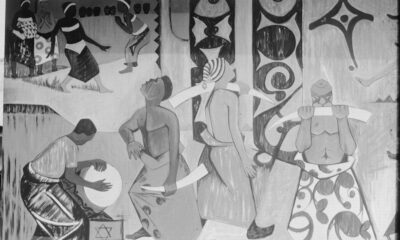
Historically, Umudioka people earned wide respect for special skills. They were famous for healing through herbal and esoteric medicine, and for performing ichi facial markings, a ritual practice that signified status and identity. In some accounts, they were commissioned to perform ichi on people from other parts of Igboland, making them cultural artisans of a kind.
Thus, the name Umudioka is a declaration of heritage, craft and social identity, honouring Dioka’s lineage and the specialized roles his descendants played historically.
Historical Background of Umudioka
The history of Umudioka is deeply tied to the legacy of its founding lineage, the Dioka. According to tradition, Dioka was a key progenitor whose descendants spread to form what is today Umudioka.
Historically, the people were not just farmers. They became well-known across Igboland for two special arts. First, for being itinerant healers, skilled in herbal and esoteric medicine, and second, for performing ichi facial scarification, a culturally significant ritual.
As oral histories recount, Dioka and his children carried a special instrument known as mma nka, which they used to perform ichi markings. These markings were more than decorative; they conveyed social status, bravery and membership in certain ranks of society.
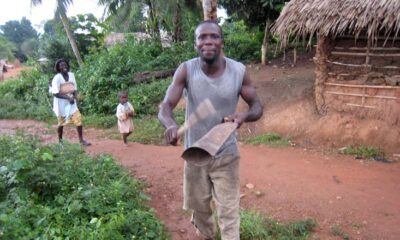
The Dioka people traveled widely during the 18th and 19th centuries, especially, during times when farming activity was low. Their reputational role as ichi specialists made them highly sought after. Communities from other towns invited them to perform facial rituals. Anthropological records also support that during the 1910–1911 survey by Northcote Thomas, photographs showed individuals from Umudioka and related communities with distinctive ichi and other scarification marks.
Over time, the actual cutting associated with ichi declined, in part, because of changing social conditions, health risks and the influence of Christianity. But the cultural meaning of the practice remains alive. Modern festivals like the Nka Dioka Cultural Festival recreate the ichi rite symbolically, honouring their past without the physical scars.
The history of Umudioka is not just about location or lineage. It is about a people who carried a specialized craft, travelled in search of opportunity and maintained a distinct cultural identity that continues to shape their community life today.
Geography and Setting

Umudioka, Anambra State
Umudioka is located in Dunukofia Local Government Area, in Anambra State, in the southeastern region of Nigeria. Its coordinates are approximately 6.18497° N latitude and 6.92087° E longitude, with an elevation of around 155 meters (509 feet) above sea level.
The town shares its boundaries with several neighbouring communities. It borders Ogidi, Ogbunike, Umunya, Umunnachi and Ifite‑Dunu. These towns are part of or adjacent to the same LGA or nearby LGAs, which gives Umudioka a central position in its local geography.
As part of Dunukofia LGA, Umudioka lies in a largely agrarian landscape. According to LGA-level data, the population of Dunukofia is predominantly engaged in farming, with crops such as yam, cassava, maize, and rice common across the area. The terrain is typical of Southeastern Nigeria, with gently rolling land, fertile soils and mixed-use plots made up of family compounds, farms and small trading areas.
Road connections also tie Umudioka to the wider region. The town is accessible via networks that link to important roads in Anambra State. Its proximity to neighbouring communities like Ogidi and Umunya helps with commerce, travel and social connection across Dunukofia and adjacent local government areas.
Overall, the town’s geographic setting underpins its role as a traditional, yet dynamically connected town rooted in the land, but also linked to wider trade and cultural networks.
Administrative Structure and Villages
Igwe Chukwurah of Umudioka’s first Ofala
Umudioka is organized into two main quarters known locally as Olioba and Adagbe, reflecting both geographic and ancestral divisions within the town.
Each quarter is further divided into villages. The Olioba quarter includes four villages:
- Akpom
- Umuezechua
- Umuajana
- Umuchigbo
The Adagbe quarter contains six villages:
- Uruagu
- Umuezekwo
- Uruowelle
- Umueze (Umuigha)
- Ugwu
- Okpuru
These villages function as both social and administrative units. Each village has elders and titled men who oversee local matters, settle disputes and preserve cultural practices. Decisions that affect the wider town are coordinated through a combination of traditional authority and civic organizations such as the Umudioka Improvement Union which plays a key role in community development and social cohesion.
The governance of the town reflects a blend of traditional Igbo leadership and modern civic structures. While village elders and titleholders manage cultural and customary affairs, the town union and other community groups coordinate development projects, festivals and initiatives such as public health campaigns. This dual system ensures that Umudioka maintains its ancestral heritage while responding effectively to contemporary social and economic needs.
In essence, the administrative and village structure of Umudioka provides both identity and organization, allowing the town to function cohesively while preserving its rich cultural legacy.
Culture and Traditions
Mbikpa Festival in Umudioka
Umudioka is a town with a rich cultural heritage deeply rooted in Igbo customs and traditional practices. Its culture is shaped by lineage, communal life and rituals that have been passed down for generations.
Festivals
Festivals are central to the communal life of Umudioka. The Mkpikpa Festival is the most prominent, traditionally celebrated during the Afor market day in July. It features masquerades, music, dance and communal feasts, celebrating harvest, ancestry and social unity. Other significant festivals include Neze, Ogbeegbe and the New Yam Festival (Iwaji) which mark seasonal cycles and agricultural abundance. These festivals reinforce social bonds, honour ancestral heritage and provide a platform for inter-village interaction.
Traditional Marriage and Social Customs
Marriage rites in Umudioka follow traditional Igbo patterns. Engagements involve negotiations between families, payment of bride price and ceremonial rites that are often accompanied by communal celebration. Social customs also emphasize respect for elders, the role of titled men in decision-making and communal participation in ceremonies and dispute resolution.
Preservation of Culture
Modern Umudioka balances tradition with contemporary life. Cultural societies, elders and town unions organize events that celebrate and educate younger generations about traditional practices. Through symbolic reenactments of ichi and organized festivals, the town maintains a living connection to its heritage while adapting to modern social norms.
In summary, the culture and traditions of Umudioka are a blend of ancestral practices, festival celebrations, social organization and community education which reflect its commitment to preserving its identity for future generations.
Religion and Modern Social Life
Religion plays a central role in the life of Umudioka residents. The town is predominantly Christian, with a significant presence of Roman Catholic, Anglican and Pentecostal churches. The Church of Blessed Iwene Tansi and St. Anthony’s Parish are notable Catholic institutions that serve as spiritual, social and educational centres for the community.
Churches in Umudioka do more than provide religious services. They are hubs for community engagement, hosting programmes for youth development, adult education and charity activities. For example, during festival periods or community projects, churches often coordinate volunteer efforts, support the less privileged, and provide guidance on social issues.
Modern social life in Umudioka is also shaped by civic organizations and town unions. The Umudioka Improvement Union is the most prominent body coordinating communal affairs. It leads projects such as road repairs, market organization and public campaigns. Notably, the union spearheaded a campaign against illicit drugs, including methamphetamine (a.k.a. Mkpurummiri), actively raising awareness and enforcing community standards.
Youth groups, women’s associations and cultural societies contribute further to social cohesion. They organize festivals, educational workshops and community health initiatives. These groups work alongside traditional authorities such as elders and titled men to ensure that modern social activities align with cultural values and communal priorities.
In essence, the religion and modern social life of Umudioka represent a blend of faith, civic engagement and cultural continuity where churches, unions and youth groups together strengthen community identity and well-being.
Economy and Market Life
The economy of Umudioka is typical of many towns in Anambra State which is a combination of farming, trading and small-scale enterprise. Agriculture remains a key occupation, with residents cultivating crops such as yam, cassava, maize and vegetables for both subsistence and local trade.
Markets play a central role in the economic and social life of the town. The Afor-Igwe Market is the oldest and most prominent market in the town, aligning with the traditional Igbo four-day market cycle. It serves as a hub where farmers, traders and buyers from the town and surrounding communities converge to sell produce, household items, and artisan goods.
Another active market is Eke Umudioka which complements Afor-Igwe by providing space for local vendors and small-scale businesses. Market days are not only commercial events but also social gatherings where news is shared, relationships are strengthened and cultural activities occasionally take place.
In addition to farming and trading, some residents engage in small-scale businesses, including carpentry, tailoring, hairdressing and retail. These enterprises are often family-run and serve both local needs and nearby towns.
The economy is supported by its strategic location within Dunukofia LGA as it provides access to neighbouring towns like Ogidi and Umunya, thereby facilitating trade and movement of goods. While agriculture remains dominant, these market interactions and small businesses indicate a diverse local economy that blends tradition with contemporary enterprise.
Overall, the economic life of Umudioka reflects a balance between traditional farming practices, vibrant market trade and entrepreneurial activities, all of which sustain the town socially and financially.
Infrastructure and Development
The infrastructure in the town reflects a combination of traditional settlement patterns and ongoing modern development efforts. The town is connected to neighbouring communities via local roads, linking it to towns such as Ogidi, Umunya and Ukpo, the headquarters of Dunukofia Local Government Area. These roads are vital for the movement of people, goods and services, although some require maintenance, especially during the rainy season.
Community structures in Umudioka include churches, schools and market facilities which serve as focal points for social, educational and economic activities. Notable examples include parish churches and public primary schools that cater to children from all ten villages.
Development initiatives are largely driven by civic organizations such as the Umudioka Improvement Union. These groups coordinate projects such as road repairs, borehole drilling for clean water and the renovation of community centres. They also engage in campaigns to improve sanitation, public health and safety within the town.
Electricity supply in the town is part of the national grid managed by Enugu Electricity Distribution Company (EEDC), although intermittent power outages are common, reflecting broader challenges in Nigeria’s power sector.
While Umudioka has no major hospital, healthcare access is provided through private clinics, primary healthcare centres and referral to larger hospitals in nearby towns for specialized services. Education infrastructure includes public and private primary and secondary schools.
In summary, Umudioka is gradually developing while retaining its traditional town structure. Roads, schools, markets, churches and civic initiatives form the backbone of its infrastructure and development, with local organizations playing a pivotal role in enhancing living standards and community welfare.
Notable People from Umudioka
Umudioka, though a relatively small town has produced individuals who have made significant contributions in religion, business and community leadership. Among them are:
Most Rev. Valerian Maduka Okeke – Born on 20 October 1953 in Umudioka. He is the Catholic Archbishop of the Onitsha Archdiocese and Metropolitan of the Onitsha Ecclesiastical Province.
High Chief (Dr) Ben Amuta (“Oil Minister”) – A prominent businessman and philanthropist, Chief Ben Amuta was coronated as the Onowu (Traditional Prime Minister) of Umudioka in December 2019. His business interests include importing lubricant oil, wine and manufacturing.
Chief Anthony Nwambachu Amuta (Otigbu‑Inyinya) – Father of Ben Amuta and a respected traditional figure in Umudioka. He was a skilled woodworker and a philanthropist who returned to live in his hometown late in life.
Challenges and Community Issues
Like many towns in southeastern Nigeria, Umudioka faces social, infrastructural and economic challenges, despite its strong community cohesion and active civic organizations.
Infrastructural Challenges
Road maintenance remains a key concern. Some roads linking Umudioka to neighbouring towns such as Ogidi, Umunya and Ifite-Dunu are in poor condition, and that affects transportation, trade and access to essential services. Access to consistent electricity and potable water also remains limited, reflecting broader state and national infrastructural gaps.
Youth and Employment Issues
Unemployment among youths is another concern. Many young people migrate to larger cities for work, which can reduce local labour availability and limit engagement in community projects. To address this, civic groups such as the Umudioka Improvement Union occasionally sponsor skills acquisition programmes and encourage entrepreneurial ventures.
Social Challenges
Illicit drug use has been a notable social issue. In 2021, the Umudioka Improvement Union led a campaign against methamphetamine (mkpurummiri) and other drugs, warning against the health risks and societal consequences. This campaign received national media attention and demonstrated the town’s proactive approach to social problems.
Healthcare and Education Gaps
While the town has primary and secondary schools, the need for improved educational infrastructure is evident, particularly to accommodate a growing youth population. Health services rely largely on private clinics, primary health centres and referral to larger hospitals in nearby towns. Expansion of these services is necessary to meet community needs.
Tourist Attractions and Places of Interest
Umudioka is not widely known as a major tourist destination, but it offers unique cultural and historical attractions that appeal to visitors interested in Igbo traditions, festivals and local life.
Mkpikpa Festival
The Mkpikpa Festival is the most prominent cultural event in Umudioka. Celebrated annually around the Afor market day in July, the festival features masquerades, traditional dances, music and communal feasts. It is an occasion for families to reunite and for residents to honour their ancestors and agricultural heritage.
Traditional Markets
Afor-Igwe Market and Eke Umudioka offer visitors a glimpse into daily life and local commerce. Market days provide opportunities to observe traditional trading practices, taste local foods and purchase handmade crafts.
Religious and Community Structures
Churches like St. Anthony’s Parish and the Church of Blessed Iwene Tansi are notable for their architecture and community significance. They often host cultural programmes, musical performances and educational activities that are open to visitors.
Overall, Umudioka’s tourist appeal lies in its vibrant festivals, cultural heritage, traditional markets and communal life. While not a conventional tourist hub, the town provides a rich experience for those interested in Igbo culture, history and rural community dynamics.
In Conclusion …
Umudioka is a town that beautifully balances heritage and modernity. Its rich history, rooted in the Dioka lineage is reflected in enduring traditions such as the ichi facial markings, communal festivals and the strong sense of ancestry that binds its ten villages.
Culturally, the town remains vibrant with festivals like Mkpikpa, etc. which preserve Igbo traditions while fostering community cohesion. Economically, Umudioka thrives on agriculture, local markets and small-scale enterprises, with its residents actively engaging in trade both within and beyond the town.
Despite facing infrastructural, social and youth employment challenges, Umudioka demonstrates resilience through the efforts of civic organizations, town unions and traditional leadership. Initiatives in education, healthcare and public campaigns show a community committed to improving living standards while maintaining its cultural identity.
Looking ahead, the town has the potential to grow as a cultural and educational hub, attracting researchers, tourists and investors interested in Igbo heritage and rural development. With continued community engagement, infrastructure improvement and promotion of its festivals and markets, the town is well-positioned to preserve its legacy while embracing modern opportunities.
In essence, Umudioka is a living story of history, culture and community resilience that offers valuable lessons on the balance between tradition and progress.
References
- https://en.wikipedia.org/wiki/Umudioka
- https://en.wikipedia.org/wiki/Dunukofia
- https://www.nairaland.com/5902101/concise-history-umudioka-town-dunukofia
- https://www.nairaland.com/8326515/nka-dioka-festival-celebrates-umudiokas
- https://mapcarta.com/26508134
- https://www.nairaland.com/8326515/nka-dioka-festival-celebrates-umudiokas
- https://re-entanglements.net/ichi-scarification/
- https://punchng.com/anambra-community-declares-war-on-drugs/
- https://en.wikipedia.org/wiki/Valerian_Okeke
- https://thebladengr.com/2019/12/25/umudioka-agog-as-oil-minister-chief-ben-amuta-becomes-onowu-this-sunday/
You may want to check this out …