





History and heritage
Ukpo Town, Anambra State: History, Culture and Key Facts

Ukpo is an important town in Anambra State with a rich history, culture, traditions, economy, and community life. Learn about its origins, people, festivals, and modern development.
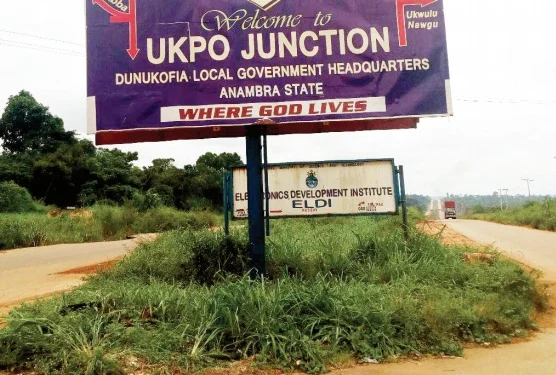
More than just a name on the map of Anambra State, Ukpo is a town with deep roots, a strong sense of identity, and a history that defines daily life in the present. Located in southeastern Nigeria, Ukpo serves as the headquarters of Dunukofia Local Government Area, a role that has given it administrative importance and allows it to retain the character of a close-knit Igbo community.
Over the years, the town has grown from a traditional settlement guided by elders and customs into a town that balances heritage with modern development. Its story is closely tied to the wider Dunukofia clan whose shared ancestry and traditions connect Ukpo to neighbouring towns in meaningful ways.
Farming, trade, festivals, and community life remain central to its identity, even as education, public service, and infrastructure continue to expand.
This article takes a clear and grounded look at Ukpo with emphasis on its historical origins, cultural practices, governance, economy, and everyday life. It draws from verified records and widely accepted oral traditions to present an accurate and respectful account of the town.
Whether you are researching Anambra communities, tracing family roots, or simply curious about life in this part of Nigeria, this offers a calm and detailed introduction to Ukpo and the people who call it home.
Location and Geography of Ukpo
Ukpo is located in Anambra State, in the southeastern region of Nigeria. It is the administrative headquarters of Dunukofia Local Government Area which places it at the centre of local governance and public administration within the area. Ukpo lies within the tropical rainforest belt of southeastern Nigeria, a zone known for its fertile soil and favourable conditions for agriculture.
Geographically, Ukpo is surrounded by other towns within Dunukofia and neighbouring local government areas. These surrounding communities are closely linked to it through shared ancestry, trade, social interactions, and road networks. The town is accessible through a network of local and State roads that connect it to nearby towns such as Ifitedunu, Ukwulu, Umudioka, and Umunnachi, as well as to larger urban centres in Anambra State.
Ukpo experiences a tropical climate marked by two main seasons. The rainy season usually runs from around March to October, while the dry season begins around November and lasts until early March. Rainfall during the wet season supports farming activities which remain an important part of life in the town. The dry season, on the other hand allows for harvesting, construction, festivals, and increased movement within and outside the community.
The land around Ukpo is generally low-lying and fertile which makes it suitable for the cultivation of crops such as yam, cassava, maize, vegetables, and other food staples common in Igbo communities. Patches of farmlands, residential areas, and small commercial zones are spread across the town to reflect a balance between rural land use and gradual urban development.
The geographic position, combined with its role as a local government headquarters has contributed to steady growth over the years. While it retains a calm, community-based environment, its location allows it to function as a meeting point for administration, commerce, and social life within Dunukofia Local Government Area.
Historical Origins of Ukpo
The history of Ukpo is closely linked to the wider history of the Dunukofia clan in Anambra State. Like many Igbo communities, Ukpo does not rely on early written records to explain its beginnings. Instead, its origins are preserved through oral tradition, community memory, and clan narratives that have been passed down across generations.
According to widely accepted local accounts, the people of Dunukofia trace their ancestry to a common progenitor known as Dunu, sometimes referred to as Okofia in oral history. From this ancestral line emerged the towns that now make up the Dunukofia clan. These include Ukpo, Ifitedunu, Ukwulu, Umudioka, and Umunnachi. Within this tradition, Ukpo is often regarded as one of the earliest settlements and holds a respected position among the towns that share this common origin.
Early settlers in Ukpo are believed to have chosen the area because of its fertile land, access to water, and suitability for farming and communal living. Agriculture formed the foundation of survival and growth while kinship ties helped to form social organization. Families settled in clusters, gradually forming kindreds and villages that later became the internal structure of the town.
Before the arrival of colonial administration, Ukpo functioned as an independent Igbo community governed by elders, lineage heads, and age grades. Decisions were made through consultation, consensus, and respect for tradition. Land ownership, social conduct, and conflict resolution were handled within the framework of custom and communal values.
With the introduction of British colonial rule in the late nineteenth and early twentieth centuries, Ukpo, like many towns in southeastern Nigeria experienced changes in governance and administration. Colonial systems introduced new political boundaries and leadership structures which eventually led to the creation of Dunukofia Local Government Area, with Ukpo selected as its headquarters. This administrative role further strengthened its historical importance within the region.
Today, the historical origins of the town continue to influence its identity. The shared ancestry with other Dunukofia towns remains an important part of how the people understand their place in Anambra State.
While modern life has brought change, the foundations laid by early settlers, their traditions, and their systems of community life still shape the culture and sense of belonging.
Villages and Internal Structure

Ukpo is not a single homogeneous settlement but a town composed of several villages and wards, each with its own identity, traditions, and role within the community. The internal structure reflects both historical lineage and practical organization and allows for social cohesion, land management, and cultural continuity.
One of the prominent wards in Ukpo is Orofia, sometimes referred to as Orofia-Oranto. This village is well known for its fertile land and agricultural activity which has historically supported the economy of the town. The residents of Orofia engage in farming staples such as yam, cassava, maize, and vegetables. The area also hosts the Oye Market, a central trading hub that attracts sellers and buyers from across Ukpo and neighbouring communities.
Other villages within Ukpo include Akpu, Isiekwulu, and Umuanuka, among others. Each village is organized around extended family units or kindreds. These kindreds form the backbone of its social structure and help to maintain traditional governance, mediate disputes, and coordinate communal activities such as festivals, farming, and community development projects.
The town also has a system of wards which serve as administrative and social units. Wards provide a framework for local leadership, civic participation, and organization of events. For instance, each ward may have representatives in the town union or community council which coordinates development initiatives, resolves local issues, and liaises with the local government authorities in Dunukofia.
Ukpo villages and wards are connected not only through kinship and lineage but also through shared cultural practices and festivals. Community members participate in age grade activities, masquerade performances, and religious celebrations across villages, thus reinforcing social bonds and a sense of unity.
This internal structure has allowed the town to maintain social stability and cultural identity over the years. By organizing around villages, wards, and kindreds, the town ensures that decision-making, conflict resolution, and communal development are carried out effectively while preserving the rich heritage of the people.
Traditional Governance and Leadership
Traditional governance in Ukpo reflects the Igbo system of community leadership where authority is distributed across elders, age grades, and titled men. Before colonial influence, Ukpo was governed through consensus-based leadership where decisions affecting the town were made collectively by respected elders and family heads. These leaders drew their authority from lineage, age, wisdom, and social contribution, rather than formal titles or external appointment.
At the core of Ukpo traditional leadership is the town council, usually composed of elders representing different villages and kindreds. The council handles matters such as land allocation, dispute resolution, communal projects, and festival organization. Age grades which are groups of men and women of similar ages, also play a significant role. They assist in maintaining public order, organizing work groups for communal labour, and ensuring adherence to cultural norms.
Titled men known as Ndi Ichie hold a prestigious position in Ukpo. Their titles are earned through merit, wealth, service, and moral conduct. These titleholders advise the community, preside over traditional ceremonies, and uphold the town’s customs and laws. Their presence ensures that the traditions are preserved across generations.
With the arrival of colonial administration, the traditional governance system was supplemented with warrant chiefs and later modern political structures. Despite these changes, the traditional council and Igwe remain highly respected. The Igwe serves as the symbolic and spiritual head of Ukpo who oversees cultural, social, and ceremonial duties while also working alongside elected officials in local governance matters.
Today, leadership in Ukpo represents a blend of tradition and modernity. The Igwe and council preserve cultural practices and social cohesion while elected representatives and town unions handle administrative tasks and community development. This dual system allows the town to maintain its heritage and identity while participating effectively in the governance framework of Anambra State.
Culture, Customs and Way of Life
The culture of Ukpo is deeply rooted in Igbo traditions which reflect values, social norms, and practices that have been preserved for generations. Life in the town revolves around community, family, and shared responsibilities with the residents placing high importance on respect for elders, social cohesion, and moral conduct.
Family and Social Structure
Families in Ukpo are usually extended, consisting of parents, children, grandparents, and other relatives living close to one another. This extended family system fosters mutual support and collective responsibility and ensures that every member participates in family welfare, decision-making, and cultural practices. Kindreds and villages also operate as social units where members support one another in farming, celebrations, and conflict resolution.
Marriage Customs
Marriage in Ukpo blends tradition with contemporary practices. Traditional marriage ceremonies involve the payment of bride price, presentation of gifts, and formal introductions between families. Community elders often mediate marriage negotiations and ensure that cultural protocols are followed. These ceremonies are usually colourful and joyful, involving music, dance, and communal feasts that bring together people from across the town and neighbouring communities.
Burial and Ancestral Rites
Burial customs in Ukpo reflect respect for ancestors and community ties. Funerals are significant social events, sometimes lasting several days, and they involve family, village, and town members. Ceremonies often include traditional music, masquerades, and rituals that honour the deceased and reaffirm the community’s shared values.
Festivals and Celebrations
Festivals play a central role in the culture of the town. Events such as the Ofala Festival and other local masquerade celebrations not only entertain but also reinforce cultural identity and communal unity. During festivals, traditional attire, dances, music, and rituals are showcased which allow residents to celebrate their heritage while passing knowledge to younger generations.
Values and Social Norms
Community members are guided by values such as honesty, respect, hard work, and solidarity. These principles influence interactions within families, villages, and the town at large. Community meetings, age grade associations, and town unions help to maintain these values while promoting development and cooperation.
In Ukpo, culture is not only preserved through rituals and ceremonies but also through the everyday actions of its people. From family responsibilities to communal celebrations, the town mirrors a society where tradition and modern life coexist harmoniously and shape the identity and character of its residents.
Festivals, Masquerades and Cultural Events
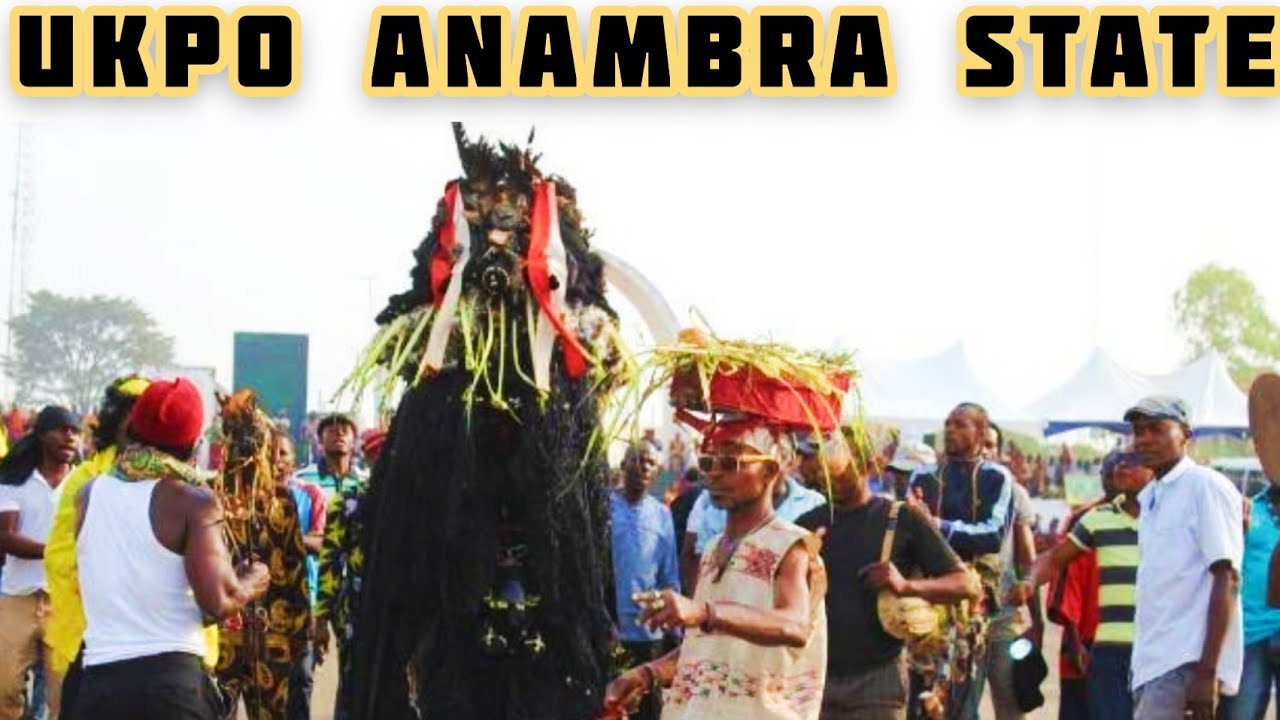
Festivals and cultural events are a central part of life in Ukpo as they offer a vibrant expression of its heritage, values, and communal identity. These occasions allow residents to celebrate history, honour traditions, and strengthen social bonds within and across villages.
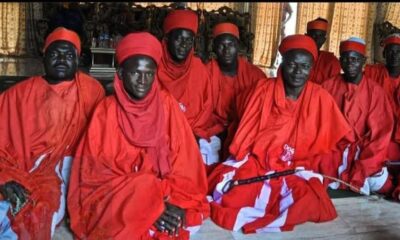
Ofala Festival is one of the most important cultural events in Ukpo. It is a ceremonial celebration that honours the traditional ruler known as the Igwe and reinforces the unity of the community. The festival typically involves a series of rituals, cultural performances, and public appearances by the Igwe and his council. Residents from all villages of Ukpo, as well as visitors from neighbouring towns gather to witness the colourful displays, traditional music, and dances that highlight the rich cultural heritage of the town.
Masquerades are another key feature of Ukpo cultural life. These masked performers often represent ancestral spirits and are central to festivals, funerals, and special community ceremonies. Masquerades combine dance, music, and symbolic performance to entertain, educate, and remind the community of moral values, history, and social norms. They also act as enforcers of cultural codes, encouraging good behaviour and communal harmony.
Beyond the Ofala Festival and masquerades, Ukpo celebrates various local and seasonal events that reflect agricultural cycles, ancestral remembrance, and social milestones. These include harvest celebrations, naming ceremonies, and marriage festivals where residents gather to honour family achievements, provide communal support, and engage in social networking.
Festivals and cultural events in Ukpo are entertainment and serve educational and social functions. Younger generations learn about their heritage, ethical conduct, and communal responsibilities through participation and observation. These events create spaces for dialogue, conflict resolution, and community planning and strengthen its social cohesion.
Overall, Ukpo festivals, masquerades, and cultural events illustrate its rich traditions, artistic expression, and communal values. They are living reminders of the community’s history and continue to play a significant role in shaping the identity and pride of its residents.
Religion and Belief Systems
Traditionally, the people of Ukpo practiced indigenous beliefs and worshipped community deities connected to land, harvest, and family lineage.
With the spread of Christianity during and after colonial times, many people now practice various Christian denominations alongside remnants of traditional belief systems.
Today, religious life in the town includes church activities, communal worship, and celebrations that reflect a blend of faith and cultural heritage.
Economy and Occupations
The economy of Ukpo is primarily agriculture-based which reflects the its fertile land and long-standing farming traditions. Residents engage in the cultivation of yams, cassava, maize, vegetables, and other staple crops which not only support household consumption but also supply local markets. Farming remains a central occupation and a key aspect of daily life that connects families to the land and reinforces communal cooperation.
Ukpo is also known for its trade and market activities, with the Oye Market serving as the central commercial hub. Farmers, traders, and artisans gather at the market to sell produce, crafts, and everyday goods. This marketplace fosters economic interaction within Ukpo and with neighbouring communities and provides opportunities for entrepreneurship and income generation.
In addition to farming and trading, many residents are employed in civil service, education, and small businesses. Its role as the headquarters of the Dunukofia Local Government Area brings jobs in administration, public service, and local governance. These positions contribute to the diversification of the local economy and provide stable income sources for residents.
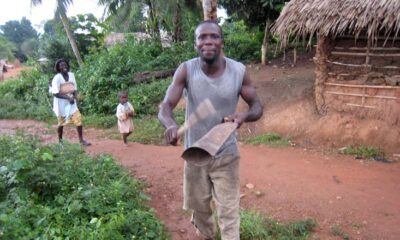
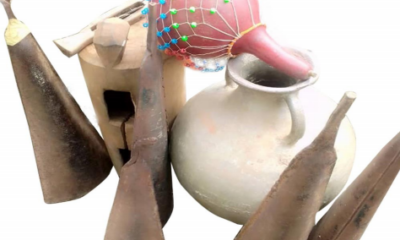
Traditional crafts and informal occupations also form part of the economic landscape. Skills such as weaving, carpentry, blacksmithing, and tailoring are practiced, often alongside farming to ensure that families can sustain themselves while preserving cultural skills.
The combination of agriculture, trade, civil service, and artisan work has created a resilient local economy in Ukpo. While modern development introduces new opportunities, the town relies on its land, skills, and communal networks to maintain economic stability.
This balance between traditional livelihoods and emerging occupations ensures that the economy remains both vibrant and sustainable.
Education and Social Development
Ukpo is part of the Dunukofia Local Government Area which has several schools and educational institutions serving the local population.
Dunukofia has general hospitals in towns like Ukpo and Ifitedunu, and a number of secondary and primary schools that support education in the area.
The status of the town as a local government headquarters helps ensure access to essential services like education and healthcare.
Land, Boundaries and Historical Disputes
Like many communities in southeastern Nigeria, boundary issues have affected parts of Ukpo history. One long-running dispute involved land between Ukpo and the nearby town of Abba. The matter was taken through various courts, including the Federal High Court, Court of Appeal, and the Supreme Court.
Ultimately, the courts affirmed land rights in favour of Ukpo, although local tensions continued afterward as both communities negotiated peace and enforcement of the ruling.
These disputes reflect the importance of land as a resource and symbol of heritage in rural and semi-urban Nigerian communities.
Landmarks and Places of Interest
Ukpo is not only rich in culture and history but also home to several landmarks and places of interest that reflect its heritage, social life, and administrative importance. These sites provide residents and visitors with a glimpse into the town’s cultural, religious, and communal identity.
Oye Market is one of the most notable landmarks in Ukpo. It serves as the central hub for trade and commerce in the town. Farmers, traders, and artisans converge here to sell agricultural produce, crafts, and everyday goods. The market is not only an economic centre but also a social space where people interact, exchange ideas, and maintain communal ties.
As the headquarters of Dunukofia Local Government Area, Ukpo houses important administrative offices, including the town hall and local government secretariat. These buildings are central to civic administration, community planning, and public services. They also host official events, meetings, and programmes that impact both Ukpo and neighbouring communities.
Ukpo is home to several churches and places of worship. These include Catholic, Anglican, and Pentecostal churches that serve as spiritual and social hubs. Many of these churches also host educational and community programmes and contribute to its social development.
Some areas in Ukpo retain traditional shrines, ancestral grounds, and ceremonial spaces that highlight its historical and cultural heritage. These sites are important for festivals, masquerade performances, and other cultural events and help residents to connect with their roots and preserve traditional practices.
Schools in Ukpo, including primary and secondary institutions also serve as landmarks. They represent its commitment to education and social progress. Some of these schools have long histories and are known for producing distinguished graduates who contribute to both the town and wider society.
The fertile land surrounding Ukpo, along with small streams and farmland forms part of the natural landscape of the town. These areas are important for agriculture, recreation, and sustaining the local economy. They also provide scenic spots where community members can gather and engage in outdoor activities.
Ukpo landmarks and places of interest reflect a town that is rooted in tradition while embracing modernity. From bustling markets and administrative centres to churches, schools, and cultural sites, these locations illustrate the dynamic character and the richness of life in Ukpo.
Notable People from Ukpo
One of the most prominent personalities associated with Ukpo is Prince Engr. Arthur Eze, an industrialist and entrepreneur. He is widely known for his investments in infrastructure, energy, and community development initiatives in southeastern Nigeria.
Prince Eze’s philanthropic activities have contributed to education, healthcare, and social welfare projects in Ukpo and surrounding communities. His success has brought recognition to the town and inspired younger generations to pursue excellence in business and leadership.
In Conclusion …
Ukpo is a town that beautifully blends history, culture, and modern development. As the headquarters of Dunukofia Local Government Area in Anambra State, it holds both administrative importance and cultural significance. From its origins as one of the principal settlements of the Dunukofia clan to its present role in governance, trade, and education, Ukpo presents a strong sense of community and shared identity.
The villages, wards, and kindreds maintain a social structure that supports cooperation, cultural preservation, and civic responsibility. Festivals, masquerades, and traditional ceremonies celebrate its rich heritage while schools, healthcare facilities, and markets contribute to the well-being and growth of its residents.
The economy which is rooted in agriculture, trade, and public service demonstrates the resilience and industriousness of its people. Notable individuals from the town have contributed to its development and serve as inspirations for future generations.
Overall, Ukpo represents a harmonious balance between tradition and modernity where cultural pride, community values, and development co-exist. Its story is not only a reflection of the past but also a living testament to the potential of Nigerian towns to grow while staying connected to their roots.
References
- https://www.manpower.com.ng/places/lga/114/dunukofia
- https://en.wikipedia.org/wiki/Dunukofia
- https://www.nairaland.com/6019271/brief-history-dunukofia-clan
- https://www.dunukofialga-anambra.ng/
- https://thesun.ng/ukpo-abba-land-dispute-and-authority-of-supreme-court/
- https://en.wikipedia.org/wiki/Orofia
- https://dailytrust.com/anambra-community-where-ofala-attracts-traditional-rulers-other-personalities/?utm_source=chatgpt.com&
You might want to check this out …