



African Spirituality
Ogirisi Tree and Igbo Spirituality: A Sacred Wisdom Hidden from Many

Ogirisi tree holds deep spiritual meaning in Igbo communities and serves as a sacred cultural symbol with protective, medicinal, and ritual uses grounded in tradition and ethnobotany.
The Ogirisi tree is a quiet presence in many Igbo communities. Yet, its role reaches far beyond the ordinary. People plant it near homes, shrines, and gathering places not just for its shade or leaves, but because it carries a deep connection to Igbo spirituality. For generations, it has been part of rituals, ancestral observances, and traditional healing practices that blend everyday life with spiritual purpose.
This tree has a presence that many overlook, even though it is central to ideas of protection, purification, and guidance. Its leaves, bark, and roots are woven into practices that connect the living with the ancestral world, and shows how nature and belief are inseparable in Igbo culture.
In this article, we explore the Ogirisi tree in depth. Its history, its spiritual significance, its practical uses, and its continuing place in contemporary life. By looking closely at this remarkable tree, we uncover the sacred knowledge that has been quietly preserved across generations.
What the Ogirisi Tree Is
The Ogirisi tree which is known scientifically as Newbouldia laevis is a plant that is both familiar and remarkable in Igbo communities. It grows naturally across West and Central Africa, including southeastern Nigeria where it has become deeply connected to local culture and tradition.
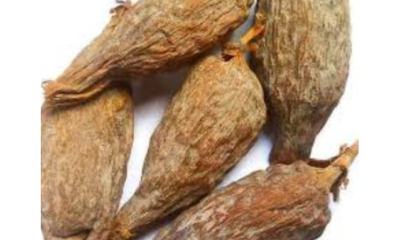
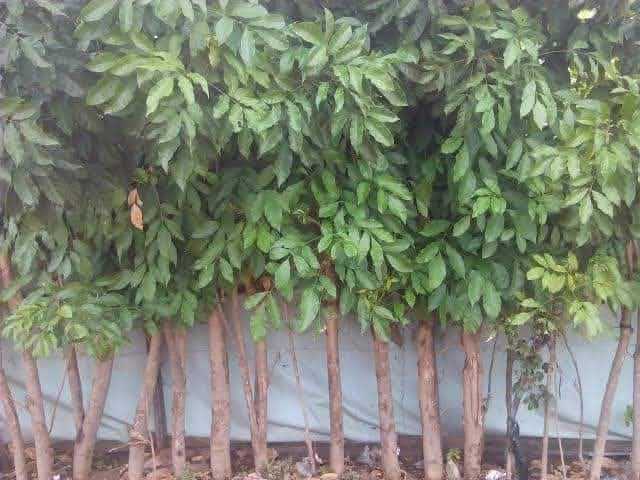
The tree is a medium-sized evergreen with glossy green leaves and clusters of small, often orange or yellow flowers that attract birds and insects. Its bark, leaves, flowers, and roots are all valued for different purposes that makes it a versatile part of everyday life.
People sometimes call it a “boundary tree” because it is often planted to mark property lines or community borders. Its other common names across Africa include Ogilisi or Ogirishi. But in Igbo land, “Ogirisi” is the name most widely recognized. The tree grows quickly, tolerates a variety of soils, and can thrive both in gardens and wild areas, which made it practical for use in homes, shrines, and communal spaces.
What makes the Ogirisi tree especially significant is not only its physical presence. It is also the meaning attached to it. While anyone can see it as a plant, the Igbo see it as a living symbol of life, protection, and connection. It is a bridge between everyday life and the spiritual world, quietly shaping how people interact with their surroundings and honour their traditions.
Historical and Cultural Significance
The Ogirisi tree has been part of Igbo life for centuries because it serves as more than just a plant. It carries a quiet authority in communities in marking spaces, guiding rituals, and preserving cultural memory. Families and village elders often plant the tree near homes, shrines, or community centres in recognition of its role in daily life and spiritual practice. Its presence is a subtle signal of respect for tradition and a reminder of continuity across generations.
Historically, the Ogirisi tree has been used as a boundary marker. When land is divided among families or when communities establish borders, cuttings of the tree are planted at corners or along edges. These trees act as living markers that signify ownership, ward off disputes, and embody the shared memory of the land. Beyond practicality, this tradition shows how the Igbo view the tree as a guardian, one that combines physical and symbolic purposes.
The tree is also present in folklore, proverbs, and oral histories. Elders often tell stories of how the Ogirisi tree safeguarded families, witnessed important community events, or served as a meeting point for discussions. One proverb, “Ogirisi a naghi anwu anwu”, meaning the Ogirisi tree does not easily die, captures the resilience, protection, and enduring nature associated with it. These stories have helped to preserve its significance, ensuring that its spiritual and cultural roles are remembered even as societies change.
In addition to marking boundaries and inspiring stories, the Ogirisi tree is deeply intertwined with communal life. It is often planted in spaces where decisions are made, where elders gather, and where rituals are performed. Its placement reflects the Igbo understanding of the environment as alive with meaning, where nature, community, and spiritual life exist in continuous conversation.
The historical and cultural significance of the Ogirisi tree is, therefore, not just about its physical presence. It is about its ability to connect people with their past, maintain social cohesion, and serve as a living emblem of spiritual and communal values that have endured across generations.
Ogirisi Tree in Igbo Spirituality

In Igbo communities, the Ogirisi tree is more than a plant. It is a vessel of spiritual meaning quietly shaping the ways people connect with the unseen world. In traditional Igbo belief known as Odinani, every part of nature carries life force and significance, and the Ogirisi tree is no exception. Its presence in compounds, shrines, and communal spaces is often tied to protection, purification, and ancestral connection.
Among its most recognized spiritual roles is protection. Planting an Ogirisi tree near a home or village entrance is believed to guard against harm, including misfortune, bad spirits, or conflict. Elders teach that the tree’s energy, connected to the ancestors, helps to maintain balance between the living and the spiritual world. In this wise, the tree is not just decoration or shade, it is a guardian that watches silently, reminding families of the spiritual dimensions of everyday life.
The Ogirisi tree is also a tool for purification. Its leaves are often used in traditional cleansing ceremonies, sometimes soaked in water and sprinkled to cleanse spaces or people considered ritually unclean. Burning the leaves as incense is another common practice believed to drive away negative energies and create a sacred atmosphere. These rituals show the Igbo understanding that physical spaces and spiritual life are intertwined, and that nature can carry intention and purpose in both realms.
The Igbo view of the Ogirisi tree extends to ancestral connection. Trees planted near shrines or sacred sites are often seen as conduits to the spirit world where the ancestors dwell and influence the living. Placing offerings near an Ogirisi tree or performing rites beneath it is a way of maintaining communication and respect with the ancestors. In some communities, the tree becomes a living witness to family history that carries the memory of important events, rituals, and agreements across generations.
Symbolically, the Ogirisi tree represents life, protection, and continuity. Its endurance, rapid growth, and vibrant appearance reflect the Igbo value of resilience and harmony between the material and spiritual worlds. The tree also embodies purity and sacredness as it reminds community members of the invisible forces that shape their wellbeing.
Through these roles, the Ogirisi tree demonstrates how deeply nature and spirituality are connected in Igbo thought. It is not a passive element of the landscape but an active participant in everyday life, ceremonial practices, and moral teachings. Its leaves, bark, and roots carry both practical and spiritual significance that combines ancestral knowledge with living tradition.
Medicinal and Practical Uses
Beyond its spiritual significance, the Ogirisi tree has long been valued for its practical and medicinal properties. Across Igbo communities, every part of the tree – the leaves, bark, roots, and flowers is used in ways that support health, wellbeing, and daily life. This dual role that blends spirituality and practicality shows how closely traditional knowledge ties nature to human needs.
The leaves, bark, and roots of the Ogirisi tree are widely used in herbal medicine. Infusions and decoctions made from the leaves are believed to treat fever, respiratory issues, digestive discomfort, and certain infections. In some communities, the bark is boiled to create remedies for joint pain or inflammation. The roots are occasionally used to address reproductive health or general fatigue. These practices have been passed down through generations, often taught orally from elders to younger healers.
Scientific studies support many of these traditional uses. Phytochemical analyses of Newbouldia laevis have revealed flavonoids, tannins, phenolics, alkaloids, and terpenoids. These compounds are associated with anti-inflammatory, antimicrobial, and antioxidant properties, all of which provide a scientific basis for its continued use in folk medicine.
The Ogirisi tree also serves practical roles beyond medicine. Its wood is occasionally used for crafting small tools or household items. In some villages, dried leaves or bark are used as fuel for cooking fires or ritual incense. Its fast growth and resilience make it an ideal plant for hedges or natural fencing, because it provides both privacy and protection for homes.
As such, the tree is woven into everyday life, and blends function with symbolism. Its physical presence supports practical needs while its spiritual presence supports cultural and ritual life. The duality of the Ogirisi tree as both healer and guardian illustrates why it continues to be a cornerstone of Igbo tradition and ecology.
What makes the Ogirisi tree particularly unique is the way medicinal and spiritual uses often overlap. A healer may prepare a leaf infusion not only for its physical benefits but also with the intention of invoking protection or ancestral guidance. Burning its leaves as incense can cleanse both the space and the mind. This shows that in Igbo thought, health and spiritual balance are inseparable.
Through these medicinal and practical roles, the Ogirisi tree remains a living resource for communities as it offers tangible benefits, and well as carries a legacy of sacred knowledge that links people, nature, and tradition.
Planting, Care, and Cultural Etiquette
Planting an Ogirisi tree is not usually a gardening decision in Igbo communities. It is a deliberate act that carries spiritual and cultural meaning. Families often place the tree near homes, shrines, or public spaces, not only to enjoy its shade or leaves but also to honour tradition and invite protection. Its placement is guided by both practical considerations and spiritual beliefs. This reflects the Igbo understanding that the environment is alive with significance.
The Ogirisi tree grows well in a variety of soils and adapts to different climates, which makes it practical for both village and urban environments. Cuttings or seedlings are commonly used for planting, and families often choose locations that are visible to the household and community. This visibility is intentional. The tree is meant to serve as a guardian and a symbol of continuity that reminds everyone of the spiritual and cultural order.
Planting may be accompanied by small rituals. Elders, sometimes, offer libations or prayers during the first planting to acknowledge ancestral presence and seek blessings for its growth. This practice reinforces the understanding that the Ogirisi tree is not just a plant but a living link to spiritual forces and communal life.
Caring for the Ogirisi tree is considered a communal responsibility in some villages. Families or communities may water, trim, or protect the tree from damage to ensure its health. Since it grows quickly and can thrive under minimal care, it is practical for everyday life. However, neglect is avoided because the tree is regarded as sacred. Cutting or harming it without permission is considered disrespectful and may be accompanied by specific rituals to restore balance.
Respecting the Ogirisi tree goes beyond physical care. People avoid using it for purposes that might dishonour its spiritual significance, such as casually cutting the wood or uprooting it without proper rituals. In some communities, only elders or designated practitioners may perform certain rites involving the tree. This etiquette ensures that the tree continues to serve its spiritual, cultural, and practical roles across generations.
The placement, care, and etiquette surrounding the Ogirisi tree illustrate how the Igbo people approach nature holistically. Every decision about where to plant it, how to care for it, and how to interact with it is informed by an understanding that the tree is alive with meaning. Its presence reminds people that the environment, their ancestors, and community life are all interconnected.
Hidden Truths and Common Misunderstandings About the Ogirisi Tree
While the Ogirisi tree is widely respected in Igbo communities, much of its significance is often misunderstood or overlooked by outsiders. Many people see it simply as a medicinal plant, a garden tree, or a source of wood, without realizing the deep spiritual and cultural layers that have been preserved for generations.
One common misunderstanding is that its value is purely practical. In reality, the Ogirisi tree is a spiritual sentinel, a living symbol of protection, ancestral connection, and cultural continuity. Its presence is intentionally cultivated to serve both the physical and spiritual needs of the community.
Another lesser-known fact is how the tree bridges ritual and everyday life. The leaves, bark, and roots are not used solely for medicine. They are often incorporated into purification rites, protection rituals, and ceremonies honouring the ancestors. This integration of practical and spiritual use highlights the Igbo worldview where health, wellbeing, and harmony with the spirit world are interconnected.
The Ogirisi tree is also, sometimes, misunderstood in modern urban contexts. People may plant it for shade or landscaping without recognizing its spiritual significance. In such cases, elders or traditional practitioners might guide the planting and care to ensure respect for its sacred roles, thus preserving both its practical benefits and cultural heritage.
Understanding these hidden truths helps us to appreciate why the Ogirisi tree has endured as an important aspect of Igbo spiritual life. This is because it is not just a plant or a tool, it is a living repository of knowledge, history, and spiritual wisdom that continues to shape communities quietly and profoundly.
Ogirisi in Contemporary Igbo Life
Even as Igbo communities evolve and many people move to cities, the Ogirisi tree continues to hold meaning. While some may no longer perform traditional rituals regularly, the tree still appears in festivals, naming ceremonies, and community events. Its presence remains a reminder of ancestral knowledge and cultural identity as it bridges the gap between past and present.
In urban settings, families often plant the Ogirisi tree in courtyards, gardens, or near communal spaces. Even without formal ritual use, it symbolizes protection, continuity, and respect for heritage. Some families maintain the tree simply because it represents a connection to home and tradition, and carries meaning that is passed quietly through stories and observation.
Traditional healers and cultural practitioners still incorporate the Ogirisi tree into ceremonies and herbal practices. Its leaves, bark, and roots are used in medicine, purification rites, and blessings. This reflects how the tree continues to function as both a practical resource and a spiritual symbol. In this sense, it serves as a living link between modern life and ancestral wisdom.
Even in popular culture and storytelling, the Ogirisi tree makes appearances. Children may hear tales about its protective powers, elders may reference it in proverbs, and communities may plant it during festivals to honour tradition. These practices show that while lifestyles change, the tree remains a subtle but enduring presence that grounds people in their history and spirituality.
The continued relevance of the Ogirisi tree demonstrates the resilience of cultural knowledge. It is a living reminder that tradition does not disappear with modernization. Instead, it adapts as it is integrated into everyday life while its spiritual and cultural significance are maintained.
In Conclusion …
As far as Igbo life is concerned, the Ogirisi tree is more than a plant. It is a living symbol of protection, healing, and ancestral connection quietly weaving spiritual meaning into daily life. Across generations, it has marked boundaries, guided rituals, supported traditional medicine, and carried the stories of communities. Its leaves, bark, and roots are not only tools for practical use but vessels of sacred knowledge.
Getting the spiritual meaning of the Ogirisi tree offers a window into how the Igbo see the world as a place where nature, spirituality, and community are inseparable. Even as modern life changes how people live and worship, the tree endures as a bridge between the past and present, reminding families and communities of their roots, values, and the wisdom passed down through centuries.
Preserving the knowledge and respect surrounding the Ogirisi tree is not just about protecting a plant, it is about safeguarding a legacy. It is about ensuring that future generations can continue to learn from, live with, and honour the sacred wisdom embedded in their environment.
In doing so, the Ogirisi tree remains a quiet guardian of culture, a teacher of resilience, and a living link to the spiritual world that has defined Igbo life for centuries.
References
- https://www.odinanimysteryschool.com/faculty-of-igbo-traditional-studies/ogilishi-tree-in-igbo-tradition-and-spirituality
- https://link.springer.com/article/10.1186/s13002-025-00788-y
- https://www.nmppdb.com.ng/species-details?specy=newbouldia-laevis&
- https://www.researchgate.net/publication/358468510_Trado-Medical_Uses_Chemical_Constituents_and_Biological_Activities_of_Newbouldia_laevis_Bignoniaceae_A_Review
- https://www.afriklens.com/the-history-of-local-incense-in-igbo-spirituality-odiniani-course-213/
You might want to check this out …