


African Traditions
Understanding the Sacred Symbolism of the Placenta in Igbo Culture and Cosmology

Placenta in Igbo culture is deeply sacred because it symbolizes identity, ancestry, and spiritual connection. Discover its meaning, rituals, and beliefs in Igbo cosmology.
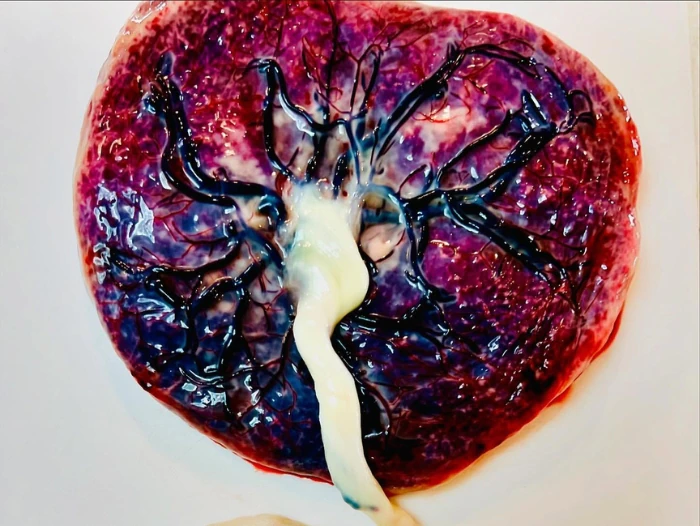
In many hospitals today, the placenta is often set aside after birth, and treated as medical waste, once its biological role is complete. In Igbo culture, it carries a very different meaning. What happens next is not routine. It is deliberate, careful, and deeply rooted in tradition.
For generations, the placenta has been seen as more than a temporary part of the human life. It is regarded as part of the child, a quiet companion that shared life in the womb and remains connected even after birth. Because of this, many Igbo families believe childbirth is not fully complete until the placenta is properly handled and returned to the earth.
The idea of the placenta in Igbo culture reveals a worldview where life is never just physical. Birth is tied to land, ancestry, and spiritual identity. A simple act like placenta burial carries meaning that speaks of belonging, continuity, and the unseen forces believed to guide each person’s path.
This perspective offers a deeper look at how the Igbo connect life to place, spirit, and heritage, starting from the very first moments of existence.
Cultural and Biological Meaning of the Placenta
The placenta is a temporary organ that develops in the womb during pregnancy. It forms a vital link between the mother and the unborn baby that supplies the fetus oxygen and nutrients while also removing waste. Through the umbilical cord, it supports the baby’s growth and survival until birth. Once the baby is delivered, it is expelled from the mother’s body. In medical settings, it is often referred to as the “afterbirth.”
From a biological point of view, its role is clear and measurable. It nourishes, protects, and sustains life in the womb. After delivery, it is no longer needed for physical survival.
In Igbo culture, however, the placenta is not reduced to its physical function. It is seen as something that shared existence with the child. Something that held life alongside the child for months. Because of this, it is treated with a level of care that goes beyond routine disposal.
The placenta in Igbo culture carries meaning tied to identity and origin. It is often regarded as part of the child’s being, and not something separate or insignificant. This belief informs how it is handled after birth. Instead of being discarded, it is returned to the earth in a deliberate and respectful way.
This contrast between biological understanding and cultural meaning is important. Science explains what the placenta does. Culture explains what it represents. In Igbo thought, both can exist side by side. But it is the cultural meaning that guides how people respond to it after birth.
By holding on to this perspective, many Igbo communities continue to treat it as something worthy of respect, care, and intentional action.
The Placenta in Igbo Cosmology
In Igbo thought, life is never seen as purely physical. Every birth is part of a larger web connecting the living, the ancestors, and the spiritual world. The placenta plays a natural role in this connection. Aside being a biological organ, it is a link between the child, the earth, and spiritual forces.
A key figure in Igbo cosmology is Ala, the earth deity who embodies fertility, morality, and the land itself. The earth is considered sacred, and everything returned to it carries spiritual weight. The placenta, having nourished the child in the womb is believed to retain a bond with life and spirit. By returning it to the earth, families honour this connection and invite the protection of Ala over the child.
Another essential concept is Chi, often understood as a person’s spiritual identity or personal god. The placenta is thought to have a relationship with Chi as it is believed to serve as a bridge between the child’s physical life and their spiritual destiny. Proper handling ensures harmony between these two realms.
Through this perspective, the placenta is not only a part of the child’s beginning, it is also a symbolic participant in shaping their life path. Its treatment connects the newborn to the spiritual, ancestral, and natural worlds, and establishes bonds that are meant to last a lifetime.
In essence, the placenta in Igbo culture represents both continuity and protection. It anchors the child within a network of relationships that includes family, land, and the forces of the unseen world. These beliefs highlight how birth in Igbo society is as much a spiritual event as it is a biological one.
The Placenta as a Spiritual Companion or “Twin”

Among the Igbo, the placenta is often viewed as more than a birth organ. It is regarded as a spiritual companion of the child, sometimes, described as a “twin” that shared life with the baby in the womb. This perspective gives it a presence that extends beyond the physical connection, and makes it a sacred part of the child’s existence.
Anthropologists and cultural studies show that in many indigenous societies, the afterbirth holds symbolic meaning that links it to identity and well-being. For the Igbo, this belief is especially strong. It is thought to carry aspects of the child’s essence that connects the newborn to both the material and spiritual worlds.
This understanding shapes the rituals surrounding the placenta. Handling it with care is seen as respecting the child’s spiritual companion. Mistreatment or neglect of it is believed to affect the child’s health, protection, and even destiny. Families take deliberate steps to ensure that the afterbirth is buried or treated in a way that honours its sacred role.
The idea of the placenta as a “twin” reinforces the belief that life is interconnected. The child is not alone at birth. The placenta remains a silent guardian, a link between the child’s beginning and the forces that guide their life.
As such, it embodies both companionship and protection, and establishes a foundation for the child’s future within the Igbo cosmological framework.
How the Placenta Is Treated Traditionally
In Igbo culture, the handling of the afterbirth is deliberate and guided by tradition. It is never treated as mere waste. Families believe that proper care ensures the child’s well-being and strengthens their connection to land, ancestors, and spiritual forces.
One of the most common practices is placenta burial. After birth, the placenta is carefully washed and wrapped, often in a clean cloth before being returned to the earth. In many communities, it is buried in the family compound or at the site where the child was born. Sometimes, a tree is planted above it, often a palm or fruit tree. This tree may grow alongside the child and become symbolically associated with their life and identity.
Elders, midwives, or experienced family members usually oversee the ritual. Their guidance ensures that the placenta is handled in a way that aligns with local beliefs. In some cases, specific prayers or libations are offered to Ala, the earth deity to bless the child and protect them from harm.
Practices can vary by community and family. Some bury the placenta near a river or farm while others place it at the edge of the compound. Gender may influence placement. The boy child and the girl child, sometimes, receive slightly different treatments. Despite these variations, the underlying principle remains the same, and that is the fact that the placenta is sacred and its proper handling supports the child’s spiritual and physical well-being.
Even with the rise of hospital births, many families request the placenta to be released for traditional burial. Some adapt the rituals to modern settings, ensuring that the symbolic connection between the child, family, and earth is maintained. The careful treatment of this birth tissue reflects the Igbo belief that life begins not just with birth, but with the recognition of the child’s place in the wider web of relationships and spiritual forces.
Symbolism of Placenta Burial in Igbo Culture

Placenta burial in Igbo culture carries deep meaning that goes far beyond the act itself. Every step, from preparation to interment is guided by beliefs about life, identity, and spiritual connection. The practice is not merely ritualistic, rather, it serves as a powerful expression of belonging, protection, and continuity.
Burying the afterbirth ties the child to the land of their forebears. In Igbo society, the land is a source of identity, lineage, and history. Returning the placenta to the earth establishes a tangible link between the newborn and their ancestral home. The child becomes rooted in both family and community, and the act signals their entry into the lineage and the responsibilities it carries.
The earth is sacred in Igbo cosmology, and is represented by Ala, the deity of fertility, morality, and land. By returning the placenta to the soil, families acknowledge this spiritual authority and invite protection over the child. The burial is considered a gesture of harmony as it connects the newborn to the natural and spiritual worlds.
Handling the afterbirth properly is believed to safeguard the child. Traditions hold that neglect or careless disposal could result in misfortune, illness, or spiritual vulnerability. Careful burial, often accompanied by prayers or offerings provides a form of spiritual security in a way that ensures the child grows with health and guidance.
The placenta is connected to Chi, the child’s personal spiritual identity. Its treatment is thought to influence the alignment between the child’s life and destiny. Families bury the afterbirth in a manner that honours these spiritual ties which symbolically secures a favourable path for the child’s future.
Through these layers of symbolism, the placenta becomes more than a birth tissue. It embodies ancestry, land, spiritual protection, and destiny. Every burial reflects a belief system where life, earth, and spirit are intertwined, and where the child’s first connection to the world is both physical and deeply sacred.
Gender and Cultural Variations in Placenta Practices
Placenta practices in Igbo culture are not uniform. They vary across communities, families, and even between male and female children. These differences are influenced by local traditions, beliefs about lineage, and spiritual considerations.
In some communities, the burial location differs depending on the child’s gender. For example, boys’ placentas may be buried in the family compound or near farmland symbolizing future responsibilities tied to the lineage and inheritance. That of girls may be buried near the home or under specific trees associated with nurturing and continuity of the household. These practices reflect broader cultural ideas about gender roles, responsibilities, and social expectations.
Community and family traditions also play a role. Some families follow longstanding rituals passed down through generations, while others adapt practices based on convenience, location, or religious influence. Urban families may integrate modern hospital births with traditional rituals by retrieving the placenta for burial, while rural families may follow more elaborate ceremonies that include prayers, libations, or planting a tree above the burial site.
Despite these variations, the underlying principle remains the same – the placenta is sacred and its treatment communicates care, protection, and belonging. The differences in practice highlight the flexibility and richness of Igbo cultural traditions, and show how shared beliefs can adapt while maintaining their essential spiritual and social significance.
Placenta, Identity, and the Concept of Belonging
In Igbo culture, the placenta is closely tied to a child’s sense of identity and belonging. Apart from being a physical organ, it symbolizes the child’s place within the family, the lineage, and the broader community. By carefully handling and burying it, families signal that the child is welcomed into both social and spiritual networks.
Burying the placenta on family land or at the site of birth physically anchors the child to their ancestral home. This act establishes a connection between the newborn and the lineage, and marks them as part of a continuing cycle that links the past, the present, and the future generations. It also reinforces the idea that the child’s life is interwoven with the land, the family, and the spiritual forces that govern well-being.
The practice reflects beliefs related to Ilo Uwa, a concept in Igbo thought that views life as part of a continuous cycle, including the ancestors, the living, and those yet to be born. The afterbirth becomes a tangible link in this cycle that symbolizes both continuity and the child’s integration into the web of relationships that define Igbo society.
In essence, the placenta is a marker of identity. Its proper treatment assures that the child is recognized, protected, and connected. It is a first step in belonging as it establishes the child as a meaningful part of both the physical world and the spiritual landscape that shapes life in Igbo culture.
Modern Changes and Evolving Practices
The way the placenta is treated in Igbo culture has changed in recent decades due to the influences of the hospitals, urbanization, and religion. In many modern births, the afterbirth is initially handled as medical waste, and families may not automatically have access to it. This shift has required adaptations to preserve cultural meaning while following medical protocols.
Some families now request the placenta from hospitals to perform traditional burial rites at home. In these cases, rituals may be simplified or modified. For example, it may be buried in a small container or under a potted plant, if outdoor burial is not possible. Even in urban settings, families continue to honour the age-old symbolic role. This shows that respect and spiritual connection remain central to the practice.
Religion has also influenced evolving practices. Christianity which is widespread among the Igbo, has led some families to incorporate prayers or blessings from clergy rather than traditional libations. However, many still maintain core cultural principles by ensuring that the placenta is treated with care and returned to the earth.
These modern adaptations demonstrate the resilience of Igbo traditions. While circumstances have changed, the placenta in Igbo culture continues to symbolize identity, ancestry, protection, and spiritual connection. Families find ways to balance medical realities, religious beliefs, and cultural heritage with the aim of keeping the practice alive in contemporary contexts.
Debunking Myths About Placenta Practices in Igbo Culture
Placenta practices in Igbo culture are often misunderstood. Outsiders, sometimes, assume they are superstitious, outdated, or purely ritualistic with no real significance. These views overlook the deeper meanings embedded in these traditions.
One common misconception is that the placenta is treated with excessive ritual for no reason. In reality, every step of handling, washing, and burying of the afterbirth reflects careful cultural thought. These practices connect the child to the land, family, ancestry, and spiritual forces which are essential elements of Igbo identity.
Another misunderstanding is that the burial is only about superstition or fear of harm. While protection is part of the belief, the practice also celebrates life, establishes belonging, and acknowledges the child’s spiritual companion or “twin.” It is a meaningful act of care and respect, rather than a random or irrational tradition.
Some also assume modern families no longer follow these practices. While hospitals and urban living have changed how the placenta is handled, many families still ensure it is returned to the earth in a culturally meaningful way by adapting the rituals to contemporary circumstances while still preserving their symbolic significance.
Debunking these myths reveals that Igbo placenta practices are thoughtful, symbolic, and deeply tied to the values of identity, belonging, and spiritual connection. They are living traditions that balance respect for the past with the realities of modern life.
Why Placenta Practices Remain Important in Igbo Culture Today
Placenta practices remain meaningful in Igbo culture because they connect the newborn to their family, ancestry, and the spiritual world. Even as modern hospitals and urban living have changed birth practices, the cultural significance of the placenta endures. It is a reminder that life is not only biological but also relational and spiritual.
By handling and burying the afterbirth carefully, families affirm the child’s place within the lineage and the land. The act provides a sense of belonging as it links the newborn to generations past and creates continuity for the future. It also acknowledges unseen forces that are believed to guide and protect the child throughout life.
The tradition offers lessons beyond the ritual. It teaches respect for life, care for heritage, and the importance of grounding identity in community and land. In a world increasingly focused on medical efficiency and urban living, maintaining such practices helps to preserve cultural memory, family bonds, and spiritual awareness.
Even today, the careful treatment of the placenta signals that life begins with more than birth. It begins with recognition, protection, and connection. These are values that remain central to Igbo life and cosmology.
In Conclusion …
The placenta in Igbo culture is far more than an organ expelled after birth. It is a symbol of life, identity, and connection to family, land, and the spiritual world. Through careful handling and burial, the child is anchored within a network of relationships that includes the ancestors, the earth, and spiritual forces.
Every ritual surrounding the placenta, from the washing and wrapping to interment, communicates respect, protection, and belonging. It marks the child’s entry into a lineage and establishes a bond with the land that will remain throughout life. The practice also acknowledges the child’s spiritual companion, the “twin” that shared life in the womb.
Even in modern settings where births often take place in hospitals, the tradition persists. Families adapt the practice to contemporary circumstances while maintaining its symbolic and spiritual significance. This enduring respect for the placenta highlights the depth of Igbo cosmology and the belief that life begins with both physical presence and meaningful connection.
In Igbo thought, every child’s arrival is a sacred beginning. The placenta serves as the first witness to that life, a quiet guardian, and a tangible link to the heritage, identity, and spiritual forces that shape the journey ahead.
References
- https://sloaneangelou.blog/journal/why-was-the-ichi-placenta-of-an-igbo-child-buried-in-the-earth-in-ancient-times
- https://igbocybershrine.com/wp-content/uploads/2012/11/infancy-rites-among-the-igbo-of-nigeria.pdf
- https://pmc.ncbi.nlm.nih.gov/articles/PMC10622600/
- https://shs.cairn.info/journal-essaim-2017-2-page-129?lang=en&
You might want to check this out …