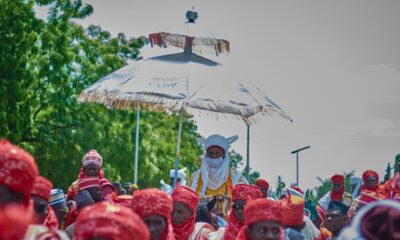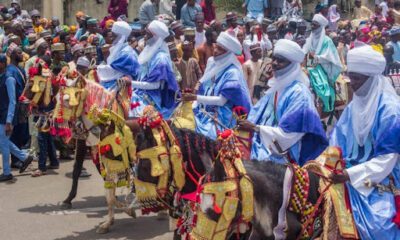
Festivals & Events in Nigeria
Nzem Berom Festival: Exploring Plateau State’s Rich Cultural Heritage

Nzem Berom Festival is an annual celebration of the Berom cultural identity in Plateau State, Nigeria that brings together the people from home and abroad to a display of colourful dance, music, and traditions as they pray for good rains and share cultural pride.
The Nzem Berom Festival is one of the most important cultural celebrations in Plateau State, Nigeria, and it holds a special place in the life of the Berom people. Each year, the festival brings together families, community leaders, and members of the Berom diaspora to celebrate their heritage and shared history.
The festival began in the early 1980s as an effort to bring several local rituals and seasonal celebrations observed in different Berom districts into a single event. What were once separate ceremonies scattered across the year gradually became a unified cultural gathering that strengthens community ties and preserves Berom traditions.
Today, the Nzem Berom Festival is both a cultural celebration and a learning experience. It offers the younger ones the chance to understand their roots, while visitors gain a firsthand look at Berom traditions through music, dance, crafts, and traditional cuisine.
Beyond being a festive gathering, the event remains a powerful symbol of identity, unity, and cultural continuity for the Berom people.
Origins and History of the Nzem Berom Festival
The Nzem Berom Festival has its roots in the rich cultural and social life of the Berom people which is the largest ethnic group in Plateau State, Nigeria. Historically, the Berom observed multiple seasonal and community celebrations throughout the year.
These included ceremonies connected to farming, hunting, and communal milestones. Each district had its own set of traditions, for example, the Mandyeng, Nshok, and Badu rites. Though meaningful, these celebrations were scattered across the year which made it difficult for the community to come together as a whole.
In the early 1980s, the leaders of the Berom Educational and Cultural Organization (BECO) proposed a unifying festival that would combine these separate celebrations into one annual event. The goal was to create a single platform that could honour Berom traditions, strengthen social ties, and educate the younger generations about their cultural heritage. This led to the first official Nzem Berom Festival held in 1981 at the Polo Field in Jos.
The initial festival drew people from all parts of the Plateau State, including members of the Berom community living in other regions of Nigeria. It was marked by traditional dances, music, prayers for a successful farming season, and displays of local art and crafts.
According to the records, the first celebration coincided with the beginning of the rainy season, a period traditionally associated with planting crops and seeking blessings for a good harvest. The timing added significance to the festival as it linked spiritual gratitude with practical hopes for sustenance and growth.
Over the years, the Nzem Berom Festival has continued to evolve. While its core focus remains on thanksgiving and cultural preservation, it has grown to incorporate modern elements which include educational workshops, cultural competitions, and events highlighting the contributions of women and youth. Despite these additions, the festival retains its original purpose which is to unite the Berom people and provide a living platform for their traditions.
Today, the festival is recognized not only as a key cultural event in Plateau State but also as one of Nigeria’s notable indigenous festivals. Its history pinpoints the effort of the community to preserve heritage while adapting to changing social and cultural landscapes.
By consolidating various local rites into one celebration, the Nzem Berom Festival has ensured that Berom traditions remain visible, relevant, and accessible to both the local population and visitors interested in Nigerian culture.
Traditional Activities and Rituals

A central aspect of the Nzem Berom Festival is its unique display of traditional activities and rituals which project the history, beliefs, and lifestyle of the Berom people in Plateau State, Nigeria. These activities are carefully preserved to ensure that every generation can witness and participate in the cultural expressions that define the Berom identity.
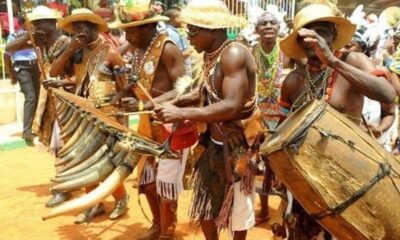
One of the most striking features of the Nzem Berom Festival is the cultural parade. Representatives from the eleven Berom districts dress in their traditional attire and march together in a colourful procession. Each group carries symbols and implements that reflect the history and unique customs of their district.
These parades are accompanied by live drumming and singing in the Berom language, thereby creating a lively atmosphere that is both entertaining and deeply meaningful. The parade is a visual representation of community unity and identity.
Dance performances are another key component. Each dance tells a story that is often connected to agricultural cycles, historical events, or spiritual beliefs. Dancers wear elaborate costumes, masks, and body paint, and their movements are synchronized with the rhythms of traditional drums. Some dances are performed by youth groups, while others feature elders.
Nzem Berom festival also highlights rituals tied to the farming calendar. Since the Berom people are traditionally agrarian, ceremonies that pray for good rainfall and fertile land remain central. The elders perform these rituals at the start of the festival to seek blessings for a successful planting season with the aim of ensuring that the community’s livelihood and sustenance are celebrated alongside cultural pride.
Other notable activities include the Acha pounding competition which celebrates the processing of acha, a staple grain. This activity is both practical and symbolic as they show respect for labour, food, and tradition. Participants compete in teams, and the event draws laughter, applause, and camaraderie from the audience, thus making it a highlight for visitors and locals alike.
The Nzem Berom festival also features exhibitions of crafts and traditional foods that allow visitors to experience Berom material culture directly. Artisans display weaving, pottery, and carving while food vendors serve dishes like tuwo, pounded yam, and other local delicacies. These exhibitions provide insight into daily life, resourcefulness, and culinary traditions that have been handed down for generations.
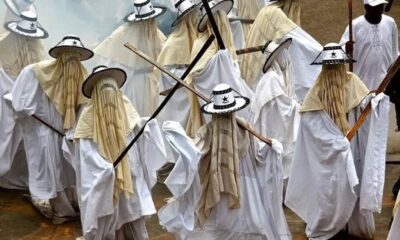
Finally, masquerade performances play an essential spiritual and symbolic role. Masquerades, or obos are often associated with ancestral spirits, and their appearance during the festival strengthens the connection between the community and its history. The performances combine music, dance, and storytelling, with emphasis on moral values, bravery, and respect for the elders and ancestors.
Beyond the entertainment, the traditional activities and rituals of the Nzem Berom Festival are living expressions of culture, connecting people to their land, history, and each other. Through these performances, parades, and ceremonies, the festival ensures that Berom heritage continues to flourish, thus teaching both locals and visitors the significance of community, work, and shared identity.
Modern Celebrations and Adaptations
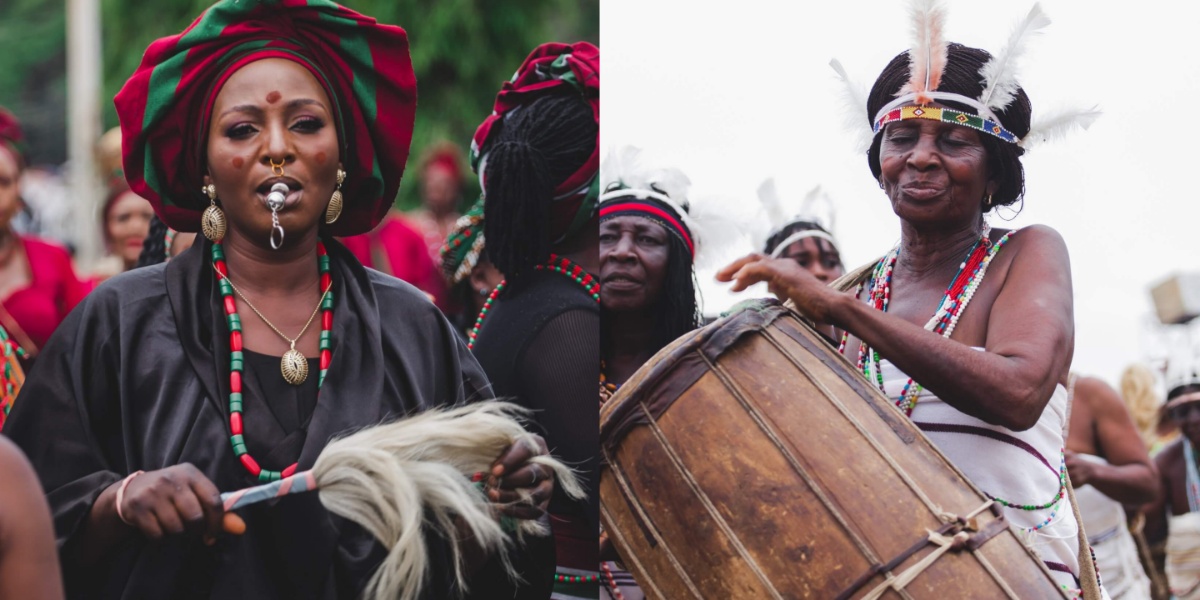
While the Nzem Berom Festival remains deeply rooted in tradition, it has evolved over the years to include modern celebrations and adaptations that make the festival relevant for today’s community and visitors. These additions complement the original cultural elements and ensure that the festival appeals to the younger members of the community while also retaining its role as a centre for Berom heritage.
One of the notable modern features is the inclusion of educational and thematic events. Each year, the festival may adopt a theme that highlights social or cultural issues. For instance, recent editions have focused on women’s empowerment, youth engagement, and community development, and aimed at reflecting contemporary values and encouraging broader participation. These themes are often explored through symposiums, talks, and presentations where community leaders, scholars, and participants discuss the relevance of tradition in modern life.
The Nzem Berom festival has also embraced competitions and pageantry. Events like the Zere Berom beauty contest celebrate the achievements of young women alongside showcasing traditional attire, dance skills, and public speaking. Music competitions often called Gwom Lwele allow talented young performers to display their skills in singing, drumming, and dancing. These contests combine modern performance elements with traditional cultural expressions to create a bridge between the past and the present.
Religious and spiritual elements have also adapted to modern practices. While traditional rituals continue to be central, many festival editions begin with a Christian thanksgiving service often called Wusal. These services offer prayers for peace, prosperity, and community well-being, and project the integration of modern religious practices with long-standing cultural traditions.
The use of media and technology is another modern adaptation. The organizers now share festival events on social media, through news coverage, and via live recordings. This has expanded the reach of the Nzem Berom Festival beyond Plateau State, and is attracting members of the Berom diaspora and other Nigerians who wish to witness the celebration virtually. Modern communication tools help to document the festival, preserve its activities for future reference, and create awareness of Berom culture nationally and internationally.
Despite these changes, the Nzem Berom Festival has maintained its essence. Traditional dances, masquerades, and rituals remain central, and the festival continues to honour the agricultural calendar, community values, and ancestral heritage. The modern adaptations enhance the festival without replacing the traditions, thereby creating a dynamic balance between history and contemporary culture.
Through these changes, the Nzem Berom Festival remains a living celebration, one that respects the past, engages the present, and inspires the future generations to value and participate in their cultural heritage. It shows that tradition can evolve, remain relevant, and still provide a meaningful connection to identity, community, and shared history.
Where and When the Nzem Berom Festival Takes Place
The Nzem Berom Festival is primarily held in Plateau State, Nigeria which is the homeland of the Berom people. Its main events usually take place in Jos, the state capital, and in surrounding towns where the majority of Berom communities live. Key venues often include the Polo Field in Jos which is a central and accessible location for large gatherings, and occasionally the Rwang Pam Township Stadium which hosts some of the festival’s cultural and sporting events.
The Nzem Berom festival is traditionally scheduled to coincide with the beginning of the rainy season, typically around April or May. This timing is intentional and meaningful. For generations, the Berom people have relied on agriculture, and the festival includes rituals and prayers for sufficient rainfall and a bountiful harvest. Holding the festival during this period supports the connection between cultural celebration and the community’s way of life.
In addition to Jos, some events of the Nzem Berom festival take place in other Berom districts across Plateau State. Each district often contributes its own cultural displays, dances, and performances to the central celebration as a way of ensuring that the festival represents the full diversity of Berom communities. Visitors attending the festival can move between different locations to experience varied aspects of the Berom culture, from music and masquerades to local crafts and traditional foods.
The Nzem Berom festival usually spans several days, with activities planned throughout the week. Preparations often begin well in advance, and that include community meetings, rehearsals for performances, and arrangements for visiting members of the diaspora. While the festival’s schedule may vary slightly from year to year, the timing remains consistent enough that both locals and visitors can plan to participate and experience the events in full.
By being held in Plateau State during this specific period, the Nzem Berom Festival combines practical cultural needs with communal celebration. It is both a homecoming for families and a point of cultural pride as it attracts thousands of participants, including tourists interested in learning about Nigerian indigenous traditions. This deliberate choice of location and timing validates the identity, relevance, and purpose of the festival as a living expression of Berom heritage.
Cultural Highlights and Unique Features
The Nzem Berom Festival offers a rich showcase of Berom culture which combines visual spectacle, music, dance, food, and craftsmanship. These cultural highlights provide visitors with an authentic experience of Plateau State’s traditions while portraying the unique aspects that set the Berom people apart.
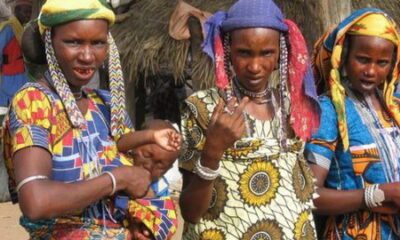
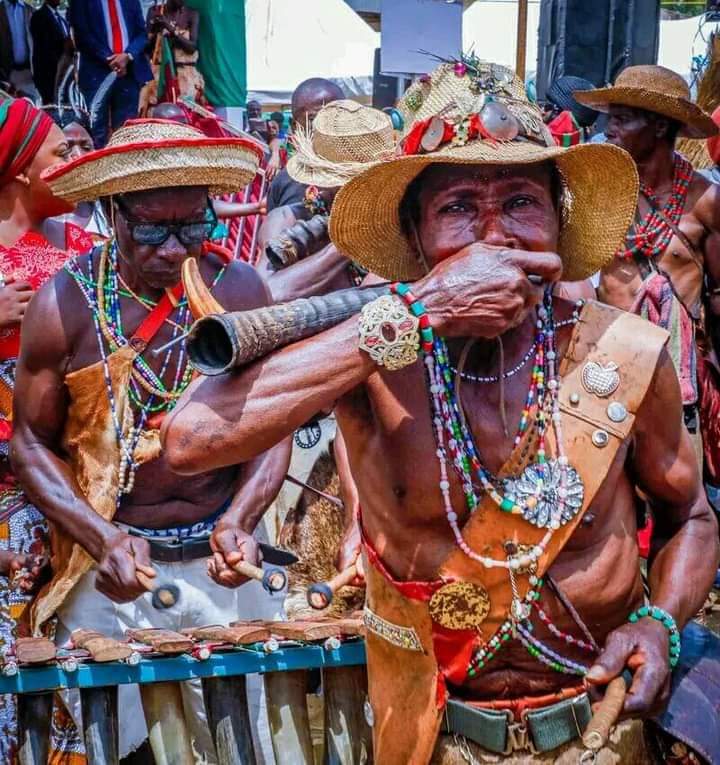
One of the most striking features of the festival is traditional attire. Participants from different Berom districts wear clothing made from handwoven fabrics often decorated with symbolic patterns that signify community identity, status, and history. Bright colours, intricate beadwork, and carefully styled headpieces make each costume visually distinctive, thus allowing attendees to immediately recognize the district or group represented.
Masquerades, or obos are another central feature. These performances are not just entertainment, they carry spiritual and cultural significance. Each masquerade represents ancestral spirits or historical figures, and performers often use symbolic movements and masks to convey messages of morality, courage, or community values. Visitors often describe these performances as both mesmerizing and educational.
The Nzem Berom festival also celebrates traditional music and dance. Drumming, flutes, and other indigenous instruments provide the rhythm for intricate dance performances. Different dances reflect agricultural themes, historic events, or social values. Each performance is carefully choreographed in a combination of skill, stamina, and storytelling. The young and old alike participate.
Culinary displays are another highlight. The Nzem Berom festival features a wide array of Berom dishes that give visitors a taste of the local cuisine. Foods like tuwo, pounded yam, and other traditional meals are prepared by community members to highlight the agricultural richness of the region. Sharing food during the festival validates the social bonds that unite the community and offers the visitors an immersive cultural experience.
Finally, the festival showcases local arts and crafts. Artisans exhibit weaving, pottery, carving, and beadwork that have been passed down through generations. These crafts are not only decorative but also functional because they represent the practical and aesthetic sensibilities of the Berom people. Many visitors purchase items as souvenirs which helps to support local artisans and preserves traditional skills.
Together, these cultural highlights and unique features make the Nzem Berom Festival a living display of Berom heritage. Every costume, dance, dish, and artifact tells a story, and offes both the residents and visitors a deeper understanding of Plateau State’s traditions and the values that sustain this vibrant community.
Challenges and Preservation Efforts
Like many cultural celebrations around the world, the Nzem Berom Festival has faced challenges that threaten its continuity. While it remains a significant event for the Berom people and Plateau State, factors like security concerns, modernization, and changing social dynamics have occasionally disrupted the festival. In the past, periods of unrest in Plateau State forced the suspension of the festival for safety reasons.
Modern lifestyles also pose challenges. The younger people often move to urban centres or abroad for education and work which can reduce their exposure to traditional practices. The influence of modern entertainment, digital media, and global culture may sometimes overshadow interest in local rituals, dances, and crafts. Without conscious effort, these factors could weaken the transmission of cultural knowledge from the elders to youth.
In response, community leaders and organizations like the Berom Educational and Cultural Organization (BECO) have taken deliberate steps to preserve the festival and its traditions. These efforts include educational programmes, workshops, and public exhibitions designed to teach young people about Berom history, language, and artistic practices. Schools and cultural centres participate in these initiatives, thereby helping to make the festival an opportunity for learning as well as celebration.
Another key preservation effort involves integrating modern adaptations without losing the traditional elements. For example, the festival organizers now include symposiums, youth competitions, and themed discussions which attract younger participants and diaspora members. By linking contemporary relevance with traditional practices, the Nzem Berom festival encourages engagement while maintaining authenticity.
Documentation and media coverage are also crucial. Events are recorded and shared through social media, local newspapers, and online platforms which increases visibility and preserves records of performances, dances, and rituals. This digital record serves as a reference for future generations and allows Berom culture to reach a broader audience.
Despite these challenges, the Nzem Berom Festival thrives because of community commitment, cultural pride, and structured preservation efforts. The festival is proof that traditions can adapt to modern realities without losing their essence. Through education, documentation, and inclusion, the Berom people ensure that their heritage remains a living, accessible, and meaningful part of life in Plateau State.
Why You Should Experience the Nzem Berom Festival
The Nzem Berom Festival is not only a cultural cornerstone for the Berom people of Plateau State, Nigeria, it is also a unique experience for visitors who wish to understand the depth and richness of Nigerian traditions. Attending the festival offers a rare opportunity to witness a living culture where history, community, and artistry intersect.
First, the festival is a window into Berom heritage. Visitors can see firsthand the traditional dances, masquerades, and music that have been passed down through generations. Every performance, costume, and ritual tells a story, from the rhythms of the drums to the symbolic gestures of the masquerades. Observing these traditions provides insight into the Berom worldview, social values, and historical experiences that define the community today.
Food is another compelling reason to attend. The Nzom Berom festival offers a variety of authentic Berom dishes, from staple meals like tuwo and pounded yam to locally prepared delicacies that are rarely found outside Plateau State. Sharing these foods in a festival setting allows visitors to engage in one of the most fundamental aspects of culture which is communal eating. It is a sensory experience that connects people through taste, tradition, and hospitality.
Visitors also benefit from educational and interactive experiences. Many festival events, such as workshops, exhibitions, and competitions provide practical insight into Berom crafts, arts, and agricultural practices. From pottery and weaving demonstrations to storytelling sessions, visitors can participate actively, and learn skills and traditions in an engaging way.
Beyond cultural immersion, the Nzem Berom Festival is a celebration of community and connection. Tourists have the chance to meet the locals, exchange ideas, and share in the warmth and hospitality of the Berom society. For members of the Nigerian diaspora or international visitors, the festival can be a meaningful way to connect with African heritage and gain a deeper understanding of Plateau State’s social fabric.
Finally, the festival contributes to cultural tourism and economic development. By attending, visitors support local artisans, performers, and vendors, and as such, help to sustain the cultural economy. It also raises awareness of Berom traditions on a national and international stage, ensuring that the community’s cultural heritage remains alive and appreciated.
In essence, experiencing the Nzem Berom Festival allows visitors to witness a living tradition, participate in communal joy, and gain a deep appreciation for the richness of Berom culture. It is an opportunity to leave with lasting memories, new knowledge, and a stronger connection to one of Nigeria’s most remarkable communities.
In Conclusion …
The Nzem Berom Festival stands as a testament to the resilience, unity, and cultural richness of the Berom people in Plateau State, Nigeria. Over the decades, it has grown from a series of scattered local celebrations into a central event that brings together families, elders, and visitors from near and far. Through dances, masquerades, music, crafts, and traditional rituals, the festival preserves the Berom heritage and offers a meaningful connection to the past, present, and future of the community.
Beyond entertainment, the Nzem Berom festival fosters education, cultural pride, and intergenerational dialogue. The younger ones learn about their roots, and visitors gain a firsthand understanding of Berom traditions. The combination of historical rituals and modern adaptations of the festival ensures that it remains relevant and engaging.
For anyone interested in culture, history, and authentic experiences, the Nzem Berom Festival provides an unparalleled opportunity. It is a celebration of identity, community, and continuity. It reminds us that preserving cultural heritage is not only about honouring the past but also about connecting with others, sharing values, and inspiring future generations to embrace their roots.
In essence, the Nzem Berom Festival is a living story of a people who cherish their traditions, welcome the world to their celebrations, and ensure that their cultural legacy keeps growing in a rapidly changing world. Experiencing this festival offers both a deep appreciation for Berom culture and a meaningful glimpse into the heart of Plateau State.
References
- https://en.wikipedia.org/wiki/Berom_people
- https://beco.org.ng/about-2/history-of-beco/
- https://nzemberom.org.ng/nzem-berom-cultural-festival-on-the-plateau/
- https://nzemberom.org.ng/wusal-nzem-berom-2025-a-celebration-of-faith-unity-and-the-berom-woman/
- https://independent.ng/plateau-berom-natives-hold-cultural-festival-nzem-berom/
- https://viewpointnigeria.org/2025-nzem-berom-day-4-preliminary-events-of-berom-beauty-pageant-and-gwom-lwele-take-centre-stage/
- https://tribuneonlineng.com/berom-revived-cultural-heritage/
You might want to check this out …