







African Culture & Heritage
Aju Festival: History, Rituals and Cultural Significance in Igbo Land

Aju festival is an age-old rite of passage and cultural celebration in Igbo land that marks the transition into adulthood through. Discover the history, rituals, significance and deep community meaning of the festival.

In Awgu, as the rainy season begins to ease and August approaches, anticipation fills the air. Aju festival is about to take place. Recognized as one of the most respected cultural traditions in some Awgu communities and across Igbo land, Aju festival is not merely a public spectacle, it is a deeply lived experience.
For generations, the festival has marked the formal transition of young men into adulthood. It is during this period that they are entrusted with new responsibilities and acknowledged as full members of their communities. Long before modern institutions such as schools or courts defined social status, Aju festival served this essential role within Igbo society.
During the festival, the people gather in shared spaces where tradition and collective memory converge. Elders guide the ceremonies, families stand close, and age grades move in harmony to the rhythmic drumming that has conveyed the same messages for decades. Every gesture carries significance. Every ritual embodies the principles of honour, social order, and belonging that are central to Igbo life.
Beyond the visible celebration, Aju festival serves a deeper purpose. It demonstrates how communities historically maintained cohesion, transmitted values without formal instruction, and established identity through experience rather than assumption. Even today, as Christianity and modern life influence daily routines, the festival continues to command respect in adapting while retaining its core essence.
This article examines the history, rituals, and cultural significance of Aju festival in Igbo land, with particular focus on its practice in some Awgu communities. It explores its origins, the ceremonial process, and its enduring relevance. More than a cultural event, the festival remains a living expression of community, memory, and responsibility.
Meaning of Aju Festival
Aju festival is a traditional rite of passage celebrated in some Awgu communities, e.g. Ugbo in Enugu State, southeastern Nigeria. It is a cultural ceremony that formally marks a young man’s transition from youth into adulthood within Igbo society. Far more than a festive gathering, the festival serves as a public acknowledgment of maturity, responsibility, and readiness to take part in community life.
In Awgu LGA, Aju festival is closely connected to the Igbo initiation rite known as Iwa Akwa. This act symbolizes dignity and acceptance into adult society. Before undergoing the Aju festival, a young man is regarded as still in training. Afterward, he earns social recognition, respect from elders, and the right to belong fully to an age grade. This status comes with expectations, including participation in communal duties and local decision-making.
Aju festival is usually held at specific intervals, often every few years, depending on community customs. It brings together families, age grades, elders, and returning indigenes. Through music, ritual movement, and public presentation, the festival affirms shared values that have guided Awgu communities for generations.
Origins and Historical Background
Aju festival has deep roots in the traditions of Awgu communities in Enugu State. It was created to formally mark the passage of young men from youth into adulthood. Long before schools, courts, or modern titles defined maturity, Aju festival provided a clear path for social recognition and responsibility.
Oral history explains that age and maturity were measured not by years alone but by readiness to serve the community, uphold customs, and take responsibility. Aju festival became the public moment when this readiness was acknowledged. After participating, a young man earned respect from elders and gained full membership in the age-grade system.
The festival grew alongside the Igbo age-grade system which organized people born in similar periods into groups tasked with communal duties such as labour, security, and decision-making. Participation in the festival was essential to joining this system. Without it, a young man could not fully engage in community life or hold social standing.
Traditionally, the festival is held after the farming season when families have food and time to gather. This timing allowed the entire community to witness the transition and celebrate together. Over the years, the festival developed a regular cycle, often occurring every few years, depending on local customs and decisions by community elders.
Even with the influence of colonial rule, Christianity, and modern education, Aju festival endured. Communities in Awgu adjusted certain practices while keeping its core purpose intact. Today, it continues to connect generations by linking past values with contemporary life. Elders share stories of their own participation. Fathers recall their own ceremonies. Each festival becomes a living memory in passing history to the next generation.
Where Aju Festival Is Celebrated

Aju festival is celebrated across several communities in Awgu Local Government Area of Enugu State, southeastern Nigeria. While Ugbo is one of the most widely documented centres, the festival is not limited to this town alone. Many Awgu communities observe the festival, each adding unique local touches to the rituals and celebrations.
In Ugbo, the festival is particularly well-known because of its structured ceremonies and the active participation of families and age grades. Residents return from across the region, and even from cities and abroad to witness and take part in the celebration. Village squares and communal spaces come alive with music, dance, and ritual movements.
Other communities in Awgu also celebrate Aju, though the timing and details may differ. Some towns hold the festival every few years while others follow slightly different seasonal cycles. Despite these differences, the core purpose remains the same, that is to formally recognize young men as adults, integrate them into the age-grade system, and strengthen communal bonds.
By spanning multiple towns within Awgu, Aju festival acts as a unifying tradition that connects families and villages, thereby creating a sense of shared heritage. For visitors and cultural enthusiasts, attending the festival in any of these communities offers a vivid glimpse into the customs, values, and rhythms of Igbo life in Awgu.
Preparing for Aju Festival
Preparation for Aju festival begins weeks, and sometimes, months before the main event. Families and age grades start by organizing resources, making announcements, and ensuring that all the initiates are ready for their transition into adulthood. This early preparation is as important as the festival itself because it sets the stage for the ceremonies and the social recognition that follows.
A key early event is the Nkata Ekwa during which each young man preparing for initiation formally announces his intention to participate. This announcement often involves sending traditional invitations to relatives, friends, and community members, along with symbolic gifts such as palm wine. These gifts signal readiness, respect, and the seriousness of the rite.
Families also use this period to prepare ceremonial clothing, organize communal spaces, and coordinate with elders and age-grade leaders. Drums, music instruments, and ritual objects are readied. Even the simplest details, like the arrangement of the village square are carefully planned to honour tradition and ensure the ceremonies proceed smoothly.
For the initiates, preparation is both practical and spiritual. They undergo guidance from elders on the meaning of the rituals, learn songs and dances, and reflect on the responsibilities that come with adulthood. This period is a time of anticipation and excitement not only for the young men but for the entire community.
Through careful preparation, Aju festival strengthens bonds between families, neighbours, and age grades. It reminds everyone that the celebration is a collective affirmation of identity, responsibility, and cultural continuity.
Rituals of Aju Festival
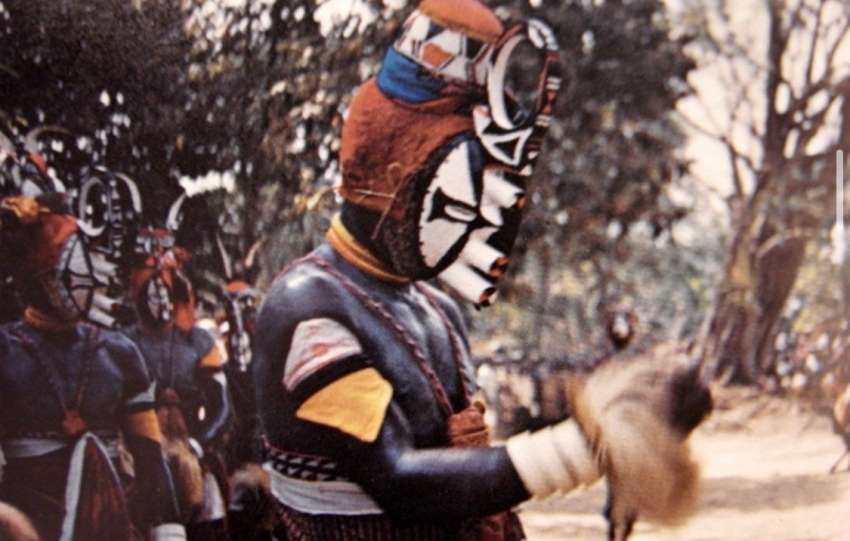
Aju festival is rich in ritual as it combines ceremonial acts, music, and dance to mark the transition into adulthood. In Awgu communities where it is observed, the festival unfolds over several days, each carrying specific significance for the initiates and the larger community.
Day One: Izo Ekwa and Community Gatherings
The first day often begins with Izo Ekwa, a group performance that honours tradition through song, dance, and ritual movement. Initiates, family members, and elders gather in the village square. The square becomes a vibrant space where the community witnesses the young men taking their first steps toward adulthood. Every movement, every chant, carries meaning passed down through generations.
During this phase, initiates also receive guidance from the elders on the moral and social responsibilities of adulthood. Community leaders emphasize the values of honesty, respect, and service which form the core of the purpose of the festival.
Presentation of Initiates
A central ritual is the public presentation of the initiates. Each young man is formally introduced to the community wearing ceremonial attire that signifies his readiness for adulthood. Family members and friends offer gifts, often including Ego Akwa (money for cloth) to show support and approval. This act affirms the initiate’s new social status and strengthens bonds between families, age grades, and the broader community.
Age-Grade Integration
Participation in Aju festival officially integrates the initiates into the age-grade system which is a structure that organizes community members by age and assigns responsibilities such as communal work, decision-making, and social leadership. Once the rituals are complete, the young men become part of this social framework ready to contribute actively to community life.
Symbolic Practices
The festival also includes symbolic practices that reinforce the transition. Music, drumming, and dances are performed to honour the ancestors and express gratitude. Ritual objects, sometimes including ancestral insignia or ceremonial cloth are used to convey respect for tradition. Every step is deliberate and carries lessons about responsibility, honour, and community cohesion.
Through these rituals, Aju festival connects the past to the present, teaches values without words alone, and binds individuals to their community in ways that last a lifetime
Social Meaning of Aju Festival
Aju festival is much more than a celebration or a rite of passage. In Awgu communities where it holds, it serves as a cornerstone of social life that influences how individuals relate to each other and to the community. By marking the transition into adulthood, the festival gives young men a clear role, responsibilities, and recognition within the social structure.
In Igbo culture, adulthood comes with expectations. Completing the Aju festival signals that a young man is ready to participate in communal decision-making, take on leadership responsibilities, and contribute to the well-being of the village. It is a public acknowledgment that he is no longer just a youth but a member who must honour tradition, uphold values, and serve the community.
Aju festival also integrates initiates into the age-grade system which is one of the most important social structures in Awgu. Age grades group people born within a certain period and assign them communal duties such as maintaining public spaces, assisting during ceremonies, and supporting each other in times of need. Through this system, the Aju festival strengthens social cohesion and ensures that each generation understands its role in sustaining community life.
Beyond individual recognition, Aju festival fosters unity. Families, neighbours, and entire villages come together to celebrate. Songs, dances, and rituals honour the ancestors and shared values in a way that reminds people of their common heritage. By participating in these communal activities, young men learn that personal growth is inseparable from community well-being.
Aju festival also reinforces moral and ethical standards. Elders use the ceremonies to teach lessons about honesty, respect, courage, and responsibility. These lessons are tied to visible, real-world roles that the initiates will assume after the festival. As such, the festival is both a celebration and a teaching tool that passes wisdom from one generation to the next.
In essence, Aju festival is a living institution that affirms identity, strengthens community bonds, and ensures that cultural values continue to guide the communities, even as times change.
Women and the Aju Festival
While the Aju festival centres on the initiation of young men into adulthood, women play a vital role in its success and meaning. In Awgu, mothers, sisters, and daughters are deeply involved through providing support, guidance, and celebration that enrich the festival for the initiates and the entire village.
Mothers often prepare their sons for the ceremonies, ensuring that they understand the significance of each ritual. Sisters and aunts may help with ceremonial clothing and adornments to make sure that the initiates are properly dressed and ready for public presentation. Their involvement reflects the central role of family in shaping a young man’s readiness for adult responsibilities.
Women contribute to the festival through music, dance, and preparation of communal meals. These acts of hospitality create a sense of warmth and togetherness that makes the festival not only a public ritual but also a family-centered event. Through their presence and participation, women strengthen social bonds and provide emotional support for the initiates.
Women also play a subtle, yet important role in passing cultural knowledge. By observing and participating in the festival, daughters learn about social expectations, values, and the rhythms of community life. Mothers share stories of past festivals as a way of connecting generations and preserving memory. This ensures that cultural traditions, including the Aju festival itself remain alive and relevant.
Though Aju festival formally celebrates male initiation, it is ultimately a community event, and women’s participation is essential. Their involvement reinforces the idea that adulthood, respect, and communal responsibility are part of a shared cultural life, not a solitary journey.
Aju Festival Today
Aju festival remains a living tradition in the communities involved, even as modern life brings change. While the rhythms of daily life have shifted, the festival continues to mark the passage into adulthood as a way of connecting generations and reinforcing cultural identity.
Today, young men between the ages of 19 and 24 participate in the festival, sometimes, travelling from distant cities or even abroad to return home for the ceremonies. The village squares which have hosted generations of initiates, come alive with music, drumming, and communal celebration. Elders guide the rituals to ensure that the values of responsibility, respect, and service continue to be taught.
The festival has also adapted to contemporary realities. Some communities incorporate church thanksgiving services alongside traditional rituals. Modern clothing may complement traditional attire, and media coverage allows wider audiences to witness the celebration. Yet, despite these adaptations, the core purpose of the festival remains intact, that is to publicly acknowledge the transition into adulthood and integrate initiates into the age-grade system.
For many in Awgu, Aju festival is a living connection to history. Fathers remember their own initiation, and grandfathers share stories of the past festivals. Each new cycle strengthens communal bonds, teaches lessons about maturity, and affirms the shared identity of the community.
Even in a rapidly changing world, Aju festival still thrives as proof that culture, memory, and communal values can coexist with modern life. It remains a vivid expression of what it means to belong, to grow, and to honour the past while moving into the future.
Tourism Appeal of the Aju Festival
Aju festival is not only a vital cultural event for Awgu communities, it also holds significant tourism potential. Each season, the festival draws visitors from within Nigeria and beyond and offer a rare opportunity to experience the vibrancy of Igbo tradition firsthand.
One of the most compelling attractions of the festival is its visual spectacle. The colourful traditional attire worn by the initiates, the rhythmic drumming, and the carefully choreographed dances create an immersive cultural experience. Visitors can witness age-grade processions, public presentations, and community gatherings that reflect centuries-old customs preserved in their authentic form.
Beyond the performances, the festival offers insight into Igbo social structures. Tourists observe how communities organize themselves, honour elders, and transmit values through ritual and celebration. This interaction provides a deeper understanding of local life, far beyond what is typically seen in guidebooks or urban centres.
The festival also supports local economies. Families and local businesses benefit from the influx of visitors who require food, accommodation, and transportation. Artisans and craftspeople sell traditional attire, ceremonial objects, and souvenirs, thus turning cultural preservation into a sustainable economic activity.
For cultural enthusiasts, scholars, and adventure travellers, Aju festival provides an opportunity to connect with living history. It demonstrates how traditional values, communal identity, and social cohesion continue to thrive in contemporary Nigeria. As more people become aware of its significance, the festival has the potential to become a landmark cultural tourism event in southeastern Nigeria.
Cultural Significance of Aju Festival
Aju festival is a cornerstone of cultural life in Awgu communities. Its significance stretches across generations and links history, social structure, and identity in ways that shape both individuals and the community as a whole.
Through Aju festival, these communities preserve stories, values, and practices passed down for generations. Each ritual, song, and dance carries lessons from the past that remind the participants of the wisdom and experiences of their ancestors. By actively engaging in the festival, young men connect with a living history that anchors them to their roots.
The festival also fosters unity. Families, neighbours, and age grades come together to celebrate, thus creating bonds that extend beyond individual households. Through shared participation, communal cooperation is reinforced, and a sense of belonging is cultivated. This way, Aju festival strengthens the social fabric and ensures that cultural values continue to guide everyday life.
At its core, Aju festival is a rite of passage that formally recognizes young men as adults and grants them both social rights and responsibilities. This public acknowledgment teaches accountability, leadership, and service. It also signals to the community that the initiates are ready to contribute meaningfully to decision-making, communal projects, and cultural preservation.
The festival bridges the past, the present, and the future. Elders recall their own initiation while fathers and mothers guide their sons through the process. Daughters and younger children observe and learn the values embedded in the ceremonies. This intergenerational connection ensures that cultural knowledge, ethics, and community identity are passed down without interruption.
In essence, Aju festival is a living testament to the resilience of Igbo culture. It celebrates life, teaches values, and strengthens community ties, all while honouring the traditions that have shaped the Awgu society for generations. It is a vivid expression of identity, responsibility, and continuity in Igbo land.
In Conclusion …
Aju festival stands as one of the most meaningful cultural traditions in Awgu and across Igbo land. More than a celebration, it is a living institution that connects generations, honours history, and teaches values essential to community life. Through its rituals, music, dance, and ceremonies, young men are welcomed into adulthood as they gain social recognition, responsibility, and a place within the age-grade system.
For families and communities, the festival strengthens bonds and fosters unity. It allows the elders to pass wisdom to the younger generations while giving the women, relatives, and neighbours a chance to participate, support, and celebrate together. This way, Aju festival preserves cultural memory and sustains shared identity.
Even in contemporary times, with the influence of modern education, urbanization, and religion, Aju festival remains vibrant. It adapts without losing its core purpose which is to honour tradition, celebrate growth, and embed values that guide life in practicing communities.
Ultimately, Aju festival is a story told through movement, music, and collective memory. It is a marker of belonging, responsibility, and continuity. For anyone who witnesses it, the festival offers a profound glimpse into the depth of Igbo culture and the enduring spirit of community in Awgu.
References
- https://igbodefender.com/about-iwa-akwa-festival-igbo-initiation-into-manhood
- https://www.nairaland.com/5001019/iwa-akwa-festival-igbo-initiation
- https://www.nairaland.com/2474443/aju-festival-ugbo
- https://nigerianfinder.com/igbo-festivals-in-nigeria/
- https://www.thisdaylive.com/2021/09/04/aju-ugbo-ancient-festival-with-tourism-appeals/
You might want to check this out …