



History and heritage
Awgu in Enugu State: History, Communities, and Culture

Awgu is both a town and Local Government Area in Enugu State with rich history, culture, agriculture, institutions and community life. Explore its people, geography, economy, markets, landmarks and more.

Awgu is a town in Enugu State, southeastern Nigeria that is alive with history, culture, and community life. It also serves as the hub of Awgu Local Government Area which comprises a network of towns and villages.
From the rolling hills and fertile plains to the bustling markets and sacred spaces, Awgu tells the story of everyday life in southeastern Nigeria. Visitors and residents alike know the town for its vibrant Orie Market, the iconic NYSC Orientation Camp, and the Catholic Diocese that has been there for generations.
But Awgu is not just about the landmarks. It is also about its people – the farmers, the students, the traders, and the families. Each community, from Awgu Town to Ugwueme and Mmaku adds its own voice to the rich tapestry of the region.
In this article, we explore Awgu in depth. You will discover its history, the distinction between the town and the Local Government Area, its culture, economy, educational institutions, religious life, and how it continues to play a vital role in Enugu State today.
Whether you are curious about its heritage or planning a visit, this offers a complete and authentic look at both the town and LGA.
Location of Awgu
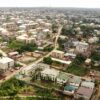
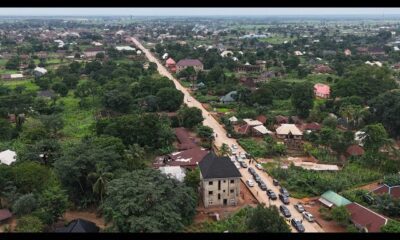
Awgu is situated in the southeastern part of Nigeria, within Enugu State, a region known for its rolling hills and fertile farmland. The town serves as the headquarters of Awgu Local Government Area which stretches across a network of communities, each with its own unique character and history.
Geographically, Awgu lies roughly between latitude 6°00’ and 6°19’ North and longitude 7°23’ and 7°35’ East. Its position places it at a crossroads between several neighbouring local government areas. To the north are Udi and Nkanu West, to the west lie Oji River and Aninri, while to the east it meets Ivo LGA in Ebonyi State, and to the south, it borders Umunneochi in Abia State. These borders highlight its importance as a link between communities across State lines.
The landscape is a mix of gentle plains and low-lying hills that create fertile land for farming and lush greenery that stretches across the LGA. The hills rise in the western parts, and give way to open valleys where villages and farmland spread. This combination of terrain and climate has made Awgu an ideal place for agriculture, trade, and settlement over the years.
Accessibility also adds to the significance of the area. The town is connected by major roads that link it to Enugu, the State capital, and neighbouring towns, thus making it a hub for commerce and travel within the region. These routes carry both people and goods, from farm produce to building materials, and help to tie together the communities within the LGA.
Whether you are exploring the town or its surrounding villages, the location offers a glimpse into the natural beauty, strategic importance, and vibrant life that have made the area a central part of Enugu State.
Town and Local Government Area Explained
Awgu is a name that carries double meaning, and understanding the difference is key to appreciating the area fully. When people talk about Awgu Town, they mean the bustling community at the heart of the region. This is where the Local Government Area headquarters is located, where government offices, markets, and key institutions like the NYSC Orientation Camp and the Catholic Diocese are found. It is the hub of activity, a place where the rhythms of daily life are most visible.
On the other hand, Awgu Local Government Area (LGA) is much larger. It includes Awgu Town but also encompasses a collection of surrounding towns and villages, each with its own character. Communities such as Agbogugu, Ugwueme, Mmaku, Owelli, Ihe, and Mgbowo are all part of the LGA. Together, they form an administrative and cultural network that contributes to the social, economic, and political life of the region
This distinction matters because not everything that happens in the LGA takes place in the town. While the town is known for its institutions and markets, the LGA covers fertile farmland, smaller villages, and unique cultural sites that give the area its diversity. For example, Ugwueme is celebrated for its hills and agricultural land, while Mmaku has its own festivals and traditions. Each community brings a voice to the collective identity of Awgu LGA.
By understanding both the town and the LGA, we get a complete picture of the region. The town acts as the administrative and social hub, while the wider LGA reflects the broader cultural, economic, and geographical diversity of the area. Together, they show why Awgu is more than just a point on a map. It is a living, interconnected network of people, traditions, and communities.
Historical Background
To understand the story of Awgu, you must first look at its roots in the history of southeastern Nigeria and the early settlement patterns that shaped it. The area now known as Awgu Local Government Area began as a larger administrative and cultural region long before Nigeria became a modern nation. Over time, several factors influenced how communities formed, grew and connected with one another across fertile valleys and hills.
The present boundaries of the LGA were officially defined in 1976 when the old Awgu Division was reorganized into a smaller administrative unit separate from what became Aninri and Oji River Local Government Areas. This change marked a new chapter for the region as an independent administrative entity within Enugu State.
The people of Awgu are part of the larger Igbo ethnic group whose presence in southeastern Nigeria stretches back to centuries. The Igbo are known for farming, trade and a network of settlements that emerged long before colonial contact. While records specific to the earliest settlers in the town are not found in written form, geographic research and settlement studies show how communities took shape in response to the natural landscape.
Many families chose to establish villages at the base of hills where the soil was fertile and easier to cultivate. This made the lowlands around the hills attractive for agriculture which became central to local livelihoods.
According to geographic studies, the settlement patterns in Awgu were influenced by the landscape. People tended to live in clustered communities on hills where natural defenses existed, while the homesteads were more spread out in the fertile lowlands suitable for farming. These patterns reflect a long history of families moving into the region, clearing land, and building homes that would grow into the towns and villages known today.
Some communities within the LGA have oral traditions that explain their earliest origins more specifically. For example, in the Ogugu area of the LGA, local histories told by families describe the ancestors settling in a fertile valley surrounded by hills. These stories say the name “Ogugu” grew out of an early settlement known as Ogwugwulu which reflected the physical features of the land. While these accounts are passed down through generations rather than formally recorded, they remain important to local identity and community memory.
In the colonial period, British administrators formalized divisions and districts across what is now southeastern Nigeria. By the early 1900s, the Awgu region had been recognized as part of a larger administrative area which later became the modern Awgu Division. Over time, as population and economic activity increased, new local government structures were established under Nigeria’s evolving political system leading to the creation of the Awgu Local Government Area that exists today.
Today, the history of Awgu is visible in its towns and villages, in the layout of its markets and farms, and in the traditions that families maintain. It remains a place where the past and the present live side by side, and influence how residents see themselves and how visitors understand the region.
Communities That Make Up Awgu LGA

Agbogugu Community
Awgu Local Government Area encompasses a network of distinct communities, each adding its own culture, traditions, and livelihood to the region. Together, these towns and villages form a vibrant LGA that reflects the diversity and richness of southeastern Nigeria.
At the centre is Awgu town, the administrative and social hub. This is where the local government offices are located, where the NYSC Orientation Camp trains young graduates, and where the Catholic Diocese of Awgu guides spiritual life. Beyond the town, the LGA stretches across fertile hills, valleys, and plains that connect a variety of communities.
Some of the notable communities in theLGA include:
- Agbogugu: Known for its agricultural land and active local markets. Families here have maintained traditional practices for generations.
- Ugwueme: A hilly village celebrated for its scenic landscapes and fertile farmland. Farming remains the backbone of life here.
- Mmaku: This community is known for its cultural festivals and communal gatherings. Education is highly valued, with several schools serving local children.
- Owelli: Famous for its fertile soil and thriving subsistence farming. Local markets serve both residents and traders from neighbouring towns.
- Ihe: A smaller community known for its traditional values and strong community ties. Many families trace their ancestry back to several generations in Ihe.
- Mgbowo: A growing town with a mix of traditional and modern developments. It contributes to both the economy and culture of the LGA.
- Obeagu, Agbudu, Amoli, Nenwenta, Ituku, Ugwuoka, Ezere: Each of these communities has its own unique identity, festivals, and economic contributions, from farming to local crafts.
Each community is connected through roads, markets, and social ties. While Awgu town serves as the hub, these villages and towns contribute the lifeblood of the LGA. They maintain agricultural production, host local markets, and celebrate festivals that preserve the Igbo culture. Visitors travelling through the LGA can see a variety of lifestyles, from busy market days in the town to peaceful farming life in Ugwueme and Mmaku.
Understanding these communities helps to provide a full picture of Awgu LGA as a region where tradition meets daily life, where families maintain a deep connection to their land, and where each village adds its own story to the rich tapestry that makes Awgu a key part of Enugu State.
Culture and Traditions

Ikeji Festival in Awgu
The people of Awgu LGA carry a rich and vibrant culture that has been preserved through generations. Rooted in Igbo heritage, their way of life blends tradition, community values, and modern influences. From music and dance to festivals and family customs, its culture reflects both history and everyday living.
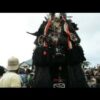
One of the most noticeable aspects of its culture is the festivals and celebrations. These events which include Ikeji Festival and Aju Festival often coincide with the agricultural calendar that marks planting and harvest periods. During the festivals, people gather to honour the ancestors, celebrate communal achievements, and strengthen bonds among families and neighbouring communities. Drumming, dancing, and singing are central to these occasions as they bring together both young and old in a joyful display of shared heritage.
Family and social life are also central to Awgu culture. Communities place strong emphasis on respect for elders and communal responsibility. Naming ceremonies, marriages, and other rites of passage are celebrated with rituals that preserve traditional values while incorporating modern practices. Children grow up learning stories of their ancestors, participating in local customs, and understanding their role in the wider community.
Language plays a key role in maintaining culture. The people of Awgu primarily speak Igbo, with local dialects unique to each town. These dialects carry expressions, proverbs, and storytelling techniques that have been passed down over centuries. Storytelling is not just entertainment here, it is a way to educate young people, teach morals, and preserve history.
Religious practices also influence Awgu culture. Christianity is widely practiced, and churches often serve as centres for social life, education, and charity. At the same time, some communities maintain traditional spiritual practices that honour the ancestors and cultural symbols. This combination of faiths has created a culture that is respectful of heritage and open to new ideas.
Markets, too, reflect cultural practices. The Oye Market in Awgu town is more than a place to buy and sell goods. It is a gathering space where people meet, share news, and exchange ideas. Markets throughout the LGA often coincide with festival days.
Through festivals, daily life, language, and religion, Awgu LGA has preserved a strong sense of identity. Its traditions continue to shape how people live, work, and relate to one another, thereby keeping the history and culture of the region alive for future generations.
Economy and Market Life
Awgu Local Government Area is not only rich in culture but also thrives on its agricultural and market economy. Farming forms the backbone of daily life in the area, with most families relying on the land for sustenance and income. The fertile valleys and gently rolling hills of the region support a variety of crops, including cassava, yam, cocoyam, maize, and vegetables. Many households also raise livestock, including goats, poultry, and pigs which provide both food and additional earnings.
Markets in Awgu are more than places to buy and sell goods. They are hubs of social interaction, culture, and commerce. The Oye Market in Awgu town is the most prominent, and operates on a four-day cycle. Farmers, traders, and artisans from across the LGA gather here to exchange produce, crafts, and household items. Beyond trade, the market is a space for news, networking, and community bonding. Visitors often remark on the lively energy with which people negotiate prices, share stories, and celebrate the bounty of the land.
Smaller markets exist in villages throughout the LGA such as those in Ugwueme, Mmaku, and Agbogugu. These local markets support the day-to-day needs of residents while maintaining traditional trading practices. They often coincide with cultural or festival days to create a vibrant mix of commerce and celebration.
Agriculture in Awgu is not just about sustenance, it drives local businesses and employment. Women play a key role in trading and processing crops while men often focus on farming, livestock, and other trades. Palm wine tapping, pottery, and stone quarrying are common supplemental livelihoods. These activities create a diversified local economy that sustains families and supports the community.
The location of the LGA adds to its economic significance. Its road networks link Awgu town and surrounding villages to the State capital and neighbouring LGAs, thus enabling the transport of goods to larger markets beyond the region. Traders from other States also come here to purchase produce and crafts in a way that connects the area to a broader economic network.
In Awgu, the economy is not just about business, it reflects community life, tradition, and resilience. From the bustling market days to harvest celebrations, economic activity is intertwined with social and cultural life which make the area a living example of how people, land, and tradition can work together to sustain a region.
Education and Institutions
Education has always been a central part of life in Awgu. From the earliest schools established during colonial times to modern institutions today, learning plays a vital role in defining the community and preparing its younger generations for the future.
At the heart of area are primary and secondary schools that serve children from surrounding villages and towns. Schools such as Awgu High School, Girls’ Secondary School Awgu, and several other public and private institutions provide a foundation for literacy, numeracy, and critical thinking. Many families in the area place a strong emphasis on education, as they see it as a pathway to opportunity and personal growth.
Beyond basic schooling, Awgu hosts vocational and professional institutions that contribute to skill development. These centres train young people in trades, agriculture, and administrative skills, and help them to engage with local businesses, farming, and civil service work. Education is not only about academics but also about preparing residents to participate actively in the economy and civic life of the area.
The area is also home to healthcare facilities and community institutions that support education indirectly. Hospitals and clinics such as the District Hospital Awgu, St. Ann’s Hospital, and Beacon Hospital provide health services that ensure students and residents can thrive. Libraries, community halls, and religious institutions contribute further to learning and offer spaces for lectures, workshops, and youth programmes.
Religious institutions, particularly the Catholic Diocese of Awgu play a dual role in education and moral guidance. Churches often organize literacy programmes, scholarship funds, and community seminars with the aim of helping young people and adults gain knowledge and practical skills. The diocese also collaborates with schools to promote values, discipline, and community engagement.
Education in Awgu is, therefore, deeply intertwined with culture and daily life. From children attending local schools to young graduates passing through the NYSC Orientation Camp, learning is part of the rhythm of the community.
These institutions not only equip individuals with knowledge but also strengthen social bonds in a way that ensure that the LGA continues to grow as a centre of opportunity, culture, and development.
Landmarks and Places of Interest

NYSC Orientation Camp in Awgu
Awgu is full of places that make it more than just a settlement on the map. It has historic institutions, spiritual centres, natural attractions, and community spaces that connect people to history, culture, and the landscape. From educational sites to scenic waterfalls and campgrounds, it offers both everyday value for residents and notable places for visitors to appreciate.
NYSC Permanent Orientation Camp
One of the most well‑known landmarks in Awgu is the NYSC Permanent Orientation Camp. This camp is where graduates from universities across Nigeria come for the three‑week orientation programme before they begin their primary assignments. It sits on a stretch of land near Awgu town and has been a pivotal space for national service and interaction among young Nigerians. It includes training grounds, parade fields, lecture halls, accommodation blocks, and spaces for skill‑building activities that help corps members to learn discipline, teamwork, and community values.
The camp brings people from all over the country into Awgu each year. For many, it is a first taste of life in southeastern Nigeria as it offers a chance to understand local customs, food, and community life. The presence of the camp also supports the local economy, as families and traders provide food and services to corps members.
St Michael’s Catholic Cathedral and Awgu Catholic Diocese
Another major place of interest is the St Michael’s Catholic Cathedral located in Awgu town. This cathedral serves as the diocesan seat for the Roman Catholic Diocese of Awgu, a spiritual and community centre for Catholics in the area and beyond. The cathedral has become a recognizable spiritual landmark where worshippers gather for regular services, festival celebrations, and other religious events. The diocese plays an active role in community life by supporting educational initiatives, charity work, and youth programmes in the area.
Across Awgu, numerous churches and faith communities offer places of gathering, support, reflection, and spiritual growth for people of all ages. These spaces often host concerts, talks, and fellowship events that bring residents together.
Orie Awgu Market
In the heart of the town is Orie Awgu Market which is the biggest and busiest market in the LGA. It operates on a traditional four‑day market cycle and draws traders, farmers, and buyers from both within and outside Awgu. You can find fresh produce like cassava, yam, vegetables, and palm oil, along with household goods, fabrics, and crafts. The market is a social hub where people meet, exchange news, forge connections, and celebrate community life.
Natural Attractions and Scenic Sites
Beyond institutional landmarks, Awgu has natural places of interest that showcase its environment and landscape:
Orsu Waterfall is a scenic waterfall located in the town of Awgunta within the LGA. It is known for its breathtaking cascade and peaceful setting that makes it a favourite spot for nature lovers and photographers.
In and around the broader area, there are hidden waterfalls, valleys, caves, and scenic hills that attract hikers and adventure seekers. Places such as the nwaekpu forest, Ululo Lake, and various forest pools in the Mmaku valley offer glimpses into the natural beauty of the region.
While some famous natural attractions like Awhum Waterfall are located in neighbouring parts of Enugu State, the terrain and green hills around Awgu itself create a sense of connection to the larger landscape of the scenic beauty of southeastern Nigeria.
Community and Cultural Spaces
Other notable places include communal halls, local sports fields, schools with longstanding histories, and traditional meeting grounds where festivals and cultural celebrations take place. These spaces give residents places to gather for weddings, age‑grade meetings, talent shows, and public discussions. They help to preserve cultural heritage, even as they support modern community life.
In Awgu, landmarks and places of interest are markers of identity, history, faith, community, and nature. Whether it is the young graduates marching at the NYSC Camp, worshippers gathering at the cathedral, traders at the market, or visitors walking to a waterfall, each place tells part of the story of Awgu and its people.
Governance and Administration
Awgu is not only a hub of culture, commerce, and community life but also a well-structured administrative unit within Enugu State. Governance in the area blends formal government structures with traditional leadership which creates a system that manages daily life, development projects, and community affairs.
At the heart of local governance is the Awgu Local Government Council headquartered in Awgu town. The council is responsible for coordinating public services, such as education, healthcare, sanitation, road maintenance, and community development programmes across the LGA. It is divided into wards, each represented by elected officials who bring the voices of their communities to the council.
In addition to formal political structures, traditional rulers and village chiefs play an important role in maintaining cultural cohesion and resolving local disputes. For instance, the Egbeleli of Awgu and other community leaders oversee customary matters, including land issues, festivals, and family-related affairs. Their influence complements the work of the local council in ensuring that governance respects both modern administrative procedures and longstanding traditions.
The LGA also collaborates closely with the Enugu State Government on major projects. Roads, health facilities, and educational institutions often receive support from the State, while local authorities handle community engagement and maintenance. This partnership allows Awgu to address both immediate needs and long-term development goals.
Challenges exist, as in many local government areas. Residents, sometimes, advocate for better infrastructure, more efficient service delivery, and transparent budget management. Local leaders work with community members to prioritize projects ranging from road repairs and market improvements to the provision of clean water and public health initiatives.
Overall, governance in Awgu is a blend of modern administration and traditional leadership, which ensures that policies, public services, and cultural values can coexist. This system allows the communities to thrive, as they maintaining their unique identity, thus creating a framework that supports both growth and heritage.
Awgu in Contemporary Life
Today, Awgu is a vibrant mix of tradition, growth, and everyday life. While the town and its surrounding communities honour their rich history and cultural heritage, they are also adapting to the demands of modern Nigeria. From the bustling markets to educational institutions, from youth programmes to religious life, Awgu represents both continuity and change.
Agriculture remains the backbone of the area, with farmers tending cassava, yam, maize, and vegetables. But contemporary Awgu also embraces small-scale businesses, trading, and services that connect the area to broader economic networks. Shops, marketplaces, and roadside businesses have grown alongside traditional farming to create a dynamic mix of rural and semi-urban livelihoods.
Education continues to define the future of Awgu. Schools and vocational institutions equip young people with skills and knowledge while the NYSC Permanent Orientation Camp introduces thousands of graduates annually to local life, customs, and the opportunities within the LGA. These interactions foster community awareness, national service values, and cultural exchange in such a way that the area becomes a hub for learning and personal development.
Cultural life in Awgu thrives alongside modernization. Festivals, markets, religious gatherings, and communal events continue to unite residents. The St Michael’s Catholic Cathedral and other churches provide spaces for worship, education, and community support. Local markets, such as Orie Awgu remain lively centres for trade and social interaction.
The strategic location of the area as it is connected by major roads to Enugu City and neighbouring LGAs also supports its growing influence. The town serves as a hub for travel, trade, and communication, thus linking communities and fostering economic growth.
In contemporary life, Awgu is a place where history meets progress. Its communities balance respect for traditions with the embrace of new ideas and ensure that residents maintain their identity while pursuing opportunities in education, business, and social development. Visitors and locals alike witness a region that is both grounded in heritage and actively participating in the wider story of Enugu State and southeastern Nigeria.
In Conclusion …
Awgu is a living, thriving community where history, culture, and contemporary life intersect. From the rolling hills and fertile farmland to the bustling markets and educational institutions, Awgu tells the story of a region that honours its heritage, even as it embraces the opportunities of today.
Awgu town serves as the administrative and social hub and plays host to landmarks like the NYSC Permanent Orientation Camp, St Michael’s Catholic Cathedral, and the lively Orie Awgu Market. Beyond the town, the wider LGA encompasses villages such as Ugwueme, Mmaku, Agbogugu, and Mgbowo, each contributing its own culture, traditions, and economic activity. Together, these communities form a network that reflects the diversity, resilience, and spirit of the region.
Culture and tradition remain central to life in Awgu. Festivals, language, religion, and family life are celebrated daily to preserve the identity of the people while connecting them to future generations. Meanwhile, education, agriculture, trade, and local governance demonstrate how it continues to adapt and thrive in contemporary Nigeria.
Whether you are visiting for its natural beauty, exploring its landmarks, or learning about its communities, Awgu offers a rich, authentic experience of life in southeastern Nigerian. It is a place where history lives, culture thrives, and people continue to shape their future.
References
- https://en.wikipedia.org/wiki/Awgu
- https://propertypro.ng/guide/axes/awgu-enugu/
- https://explorenugu.com.ng/lga/awgu/
- https://www.manpower.com.ng/places/lga/297
- https://www.emmason247.com.ng/blog/history-origin-culture-and-tradition-of-awgu-local-government-area-in-enugu-state/CRWRRbZCW
- https://aroundus.com/p/8612412-awgu
- https://outravelandtour.com/exploring-awgu-things-to-know-about-awgu-local-government-area/
You might want to check this out …