



Anambra News
Amansea Town, Anambra State: History, Culture, and Development of a Border Community

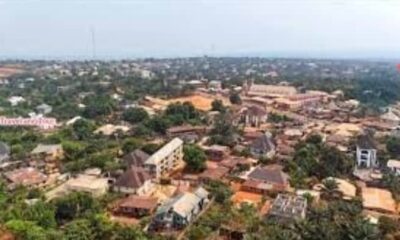
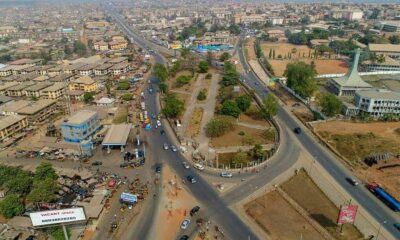
Amansea is one of the most strategic and historic towns in Anambra State. Located in Awka North Local Government Area, the town sits gracefully on the border between Anambra and Enugu States, serving as a major gateway into Awka, the state capital. The Ezu River, which flows along the edge of the community, marks the natural boundary between the two states.
With a population estimated between 40,000 and 60,000 people, Amansea is a growing community where tradition meets modern development. The town is known for its peaceful people, agricultural roots, and rising infrastructure projects.
The people of Amansea are proud of their heritage, their resilience, and their connection to both ancient customs and modern governance. As one of the major border towns of Anambra, Amansea represents a blend of Igbo cultural identity and a forward-looking vision for development.
Location and Geography
Amansea lies in the Awka North Local Government Area of Anambra State, southeastern Nigeria. Geographically, it is positioned on a fertile plain that borders Enugu State, with the Ezu River serving as a natural divider. This river plays an important role in the life of the community by providing water for agriculture and household use, though it has also been at the centre of environmental and public health concerns.
The town shares boundaries with Ebenebe, Mgbakwu, Ugbenu, and parts of Enugu State such as Ugwuoba. It is only a few kilometres from Awka city, which gives it easy access to the state’s administrative and commercial centres.
Amansea is made up of five main villages namely Amaowelle, Egbeagu, Okukwa, Orebe, and Umuekpala. These villages form the traditional and administrative units of the community. The landscape is largely flat, with pockets of wetlands and fertile farmland that support crops like yam, cassava, and maize.
However, erosion and seasonal flooding from the Ezu River pose serious environmental threats, often affecting roads and farmlands. In spite of these challenges, the community continues to make progress through local initiatives and state government interventions.

Traditional Leadership and Governance
The traditional authority of Amansea is vested in the Igwe, who serves as the community’s custodian of culture and head of the traditional council. The current ruler, His Royal Highness Igwe Peter Chukwuma Anigbogu, ascended the throne in 2022, bringing renewed leadership and unity to the people.

HRH Igwe Peter Chukwuma Anigbogu of Amansea
The town also operates a strong civic administrative structure through its Town Union, led by a President-General, currently known to be Chief Chris Ughanze. The Town Union collaborates with the Igwe’s cabinet to manage community development, dispute resolution, and liaison with government agencies.
Below the central leadership are the village heads (Obis) and elders’ councils, who oversee local affairs in their various villages. The Ozo title holders play important cultural roles as custodians of tradition, while youth and women groups contribute actively to community projects, sanitation, and festivals.
Decision-making in Amansea often combines traditional methods with modern civic dialogue, an approach that has helped maintain order and communal harmony despite the pressures of modernization.
In recent years, the leadership has focused on improving peace, especially after historical border tensions and environmental issues. The collaboration between traditional and civic authorities has been key to the town’s continued stability.
Religion and Cultural Practices
Like many towns in Anambra State, Amansea practices a mix of Christianity and traditional religion. Christianity dominates, with major denominations such as Catholic, Anglican, and Pentecostal churches spread across the community. Missionary activities led to the establishment of early schools and health centres, influencing literacy and social development.
However, traditional religion (Odinani) continues to play an important role in the town’s identity. The Ozo title system remains a mark of honour among men, symbolizing integrity, community service, and ancestral connection.
The town celebrates several cultural events that reinforce unity and tradition. The Kpololo Ozo festival, for example, is a colorful ceremony during which titled men are adorned with symbolic regalia and cultural dances. The Ofala Festival, celebrated by the Igwe, is another highlight of Amansea’s cultural calendar. They also celebrate the iwa ji festival.
Masquerades and traditional music still appear during festive seasons, blending the past and present. The community’s deep respect for ancestral customs continues to coexist peacefully with modern Christian beliefs.
These cultural activities not only strengthen local identity but also attract attention from neighboring communities, making Amansea an emerging center for cultural tourism in Awka North.
Education and Social Institutions
Education has played a central role in Amansea’s development and transformation. From early missionary schools to modern institutions, the town has continued to prioritize learning as a tool for progress.
The community has several primary and secondary schools, including Community Primary School Amansea, St. Joseph’s Primary School, Amansea Community Secondary School, and others established by both the government and religious missions. These schools have produced many teachers, civil servants, and professiolls who now contribute to Anambra’s economy and governance.
Beyond formal education, Amansea has embraced vocational learning and youth empowerment, especially in skills such as tailoring, hairdressing, carpentry, and mechanics. These training programs help young people earn a living and reduce unemployment.
Social organizations also play strong roles in the community’s structure. Women associations, youth groups, and age grades regularly organize community clean-ups, market renovations, and road maintenance. The town’s Development Union coordinates most community initiatives, while church-based groups support widows, orphans, and students through scholarships.
The presence of educated indigenes in government, academia, and business has made Amansea a community where education is viewed as the foundation of progress and unity.
Economy and Livelihood
Amansea’s economy is built primarily on agriculture, trade, and small-scale enterprise. The fertile plains surrounding the town make it ideal for farming, and many residents engage in the cultivation of yam, cassava, maize, cocoyam, vegetables, and palm produce.
The proximity to the Ezu River also supports fishing activities, although environmental challenges sometimes affect yields. Amansea’s location along major roads linking Anambra and Enugu States makes it a small but active trading hub. Farmers and traders from neighboring towns bring goods to local markets to sell produce, livestock, and household items.
In recent years, Amansea has seen the growth of real estate and housing developments, especially projects like the Genesis City Estate by Cadlands Group. These new housing schemes are attracting investors and residents who work in Awka and Enugu but prefer the quieter lifestyle of Amansea.
There are also artisans, traders, and civil servants forming the backbone of the town’s working class. Small businesses such as block molding, transportation, and retail trade support household income.
The community in the diaspora contributes through remittances, funding community projects like roads, boreholes, and scholarships. The growing focus on youth entrepreneurship also shows that the people of Amansea are adapting to modern economic opportunities while preserving their agricultural roots.
Health and Development Projects
Health care remains a critical area for Amansea’s well-being. The town has primary health centers and small private clinics, though many of them lack modern equipment and adequate staff. Community health initiatives, often supported by NGOs and the Anambra State Ministry of Health, help provide immunization, malaria control, and maternal health services.
One of Amansea’s major health challenges is clean water access. The community once depended heavily on the Ezu River, but the discovery of dead bodies in the river in 2013 created a serious public health crisis. This tragic incident led to public protests and calls for improved water supply systems.
Since then, various efforts have been made to provide boreholes and safer drinking water, although some projects remain incomplete or poorly maintained. The state government and donor organizations occasionally carry out free medical outreach programs, focusing on child health, malaria prevention, and health education.
The community’s health and development efforts also include sanitation campaigns and awareness against drug abuse. For example, the anti-drug campaign at the Amansea cattle market aimed to address youth addiction and promote a healthier society
Challenges Facing Amansea
Despite progress, Amansea faces a number of challenges that affect daily life and development.
One of the biggest issues is environmental degradation caused by erosion and seasonal flooding from the Ezu River. This damages roads, farms, and homes, especially during the rainy season.
Another serious concern is water pollution and scarcity. The contamination of the Ezu River in 2013 exposed the vulnerability of the community’s main water source. Although boreholes have been constructed, many residents still lack constant access to clean water.
Infrastructure development remains uneven. While new roads like the Amansea–Ntoko–Ndiukwuenu–Awa–Ufuma road and the Amansea–Ebenebe–Ugbenu–Awba Ofemili–Umuerum–Omor road have improved connectivity, several inner roads remain in poor condition.
Healthcare and education facilities also need upgrades. Some schools are under-equipped, and a few health centers are abandoned or need more staff and resources.
The town has also faced youth-related challenges, including unemployment, occasional substance abuse, and lack of recreational centers. However, recent campaigns and empowerment programs are helping to address these issues.
Security is another concern, as with many communities located on major highways. The town maintains vigilante groups to support law enforcement and ensure community safety.
While these challenges are significant, the people of Amansea are known for their resilience and collective spirit in solving their problems through self-help projects and advocacy.
Recent Developments and Positive Changes
In the last few years, Amansea has witnessed a wave of positive changes. The Awka Capital Territory Development Authority (ACTDA) completed the construction of a 130-meter paved road in Amaowelle village, including drainage systems and solar streetlights. This has greatly improved local movement and safety.
The completion of the Amansea–Ntoko–Ndiukwuenu–Awa–Ufuma road and ongoing work on the Amansea–Ebenebe–Ugbenu–Awba Ofemili–Umuerum–Omor road have opened up new commercial and agricultural access routes.
New housing estates and private investments are rising, reflecting confidence in the town’s future. The recognition of the community’s cultural festivals, such as the Kpololo Ozo and Ofala celebrations, also boosts cultural tourism and strengthens local pride.
The leadership of Igwe Peter Chukwuma Anigbogu and the Town Union under Chief Chris Ughanze has encouraged peacebuilding, youth development, and better coordination with the state government. These combined efforts have positioned Amansea as one of the fastest-developing communities in Awka North.
Conclusion
Amansea stands today as a symbol of resilience, culture, and transformation in Anambra State. From its historic roots as a riverside settlement to its current role as a growing border town, the people of Amansea have shown unity and strength in the face of challenges.
Despite problems such as erosion, poor infrastructure, and water pollution, the community continues to rise through self-help, leadership, and education. Its festivals, traditional institutions, and progressive projects all reflect a town determined to thrive.
As modernization spreads from Awka to its borders, Amansea remains a proud reminder of how heritage and progress can coexist. With continued unity, investment, and visionary leadership, Amansea’s future will remain as strong and flowing as the Ezu River that has defined its past.
Read About: Aguluzigbo Town in Anaocha Local Government Area: History, Culture, and People