


Festivals & Events in Nigeria
Bariki Festival: Nupe People’s Rich Cultural Celebration

Bariki Festival is a historic celebration of the Nupe people’s cultural identity in Bida. Explores its history, rich traditions, and living heritage, including key festivities, social significance, modern evolution, and travel insights.
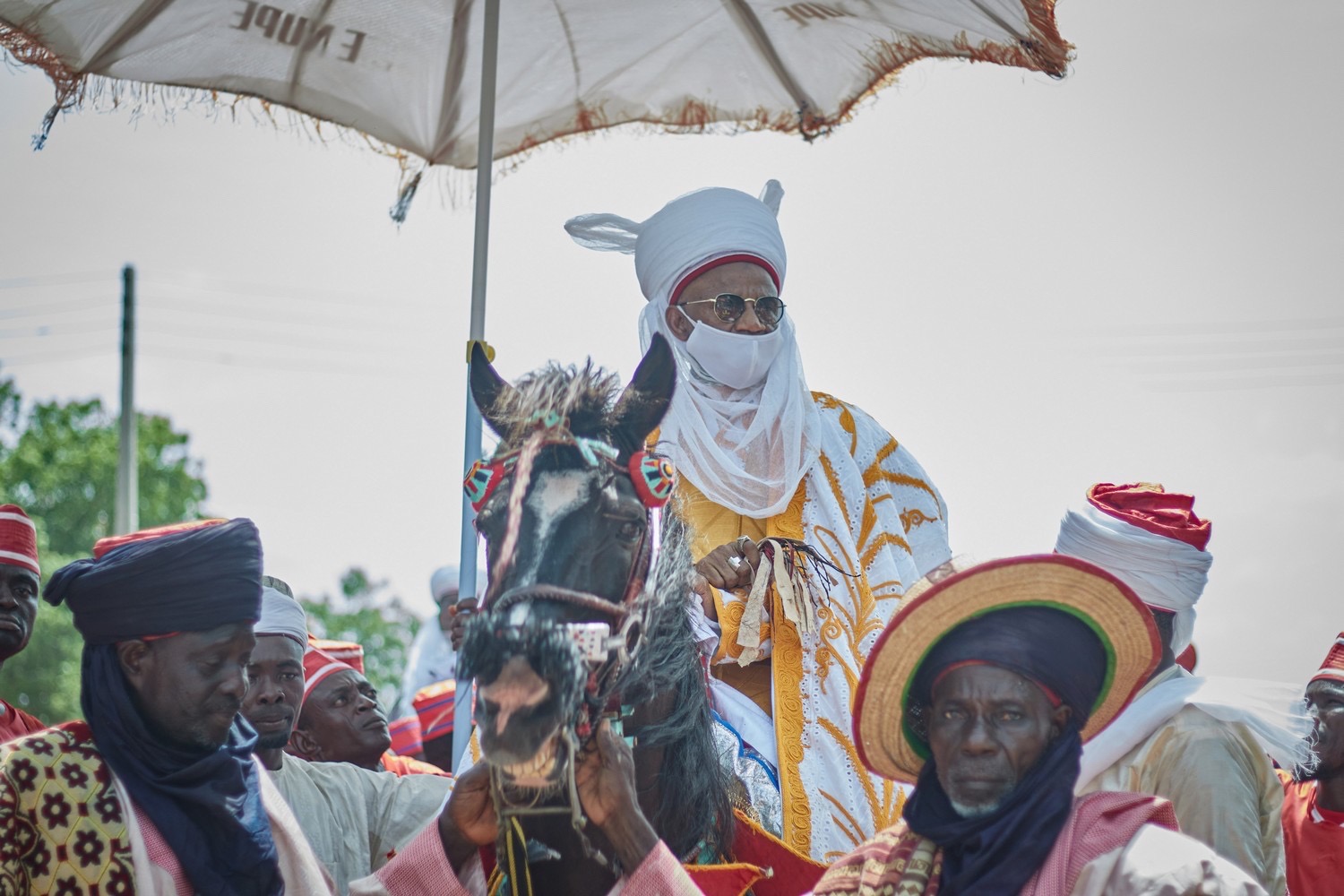
Every year, in the heart of central Nigeria, the Bariki Festival transforms the ancient town of Bida into a living display of colour, sound, and tradition. Long after the prayers of Sallah have quieted, the rhythm of drums and the thrum of hooves rise again as the Nupe people gather to celebrate a tradition that has endured for generations.
Bariki Festival is a moment families come home, the elders share stories with children, and riders on beautifully decorated horses carry the hopes of a community through the winding streets.
For the Nupe people, the Bariki Festival connects the past and the present. It honours history, leadership, and shared identity. It is a public expression of pride rooted in centuries of culture shaped by river plains, craft skills, and enduring bonds of community. Whether you are in the crowd watching the dancers and the drummers or walking among stalls of local art and craft, you feel the living pulse of a people celebrating who they are.
In this article, we explore everything about the Bariki Festival – its origins, its rituals, its social meaning, and the ways it keeps growing in a modern world. By the end, you will understand why Bariki remains one of Nigeria’s most meaningful cultural celebrations and why it matters to the Nupe of today and generations to come.
Who Are the Nupe People?
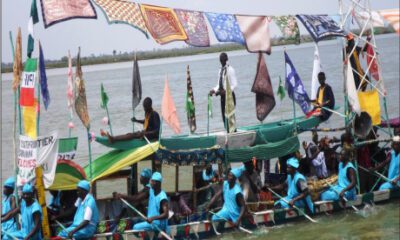
The Nupe people are an ethnic group mainly found in central Nigeria with the largest concentration in Bida, Niger State, and communities extending into parts of Kwara and Kogi States. Known for their rich culture and centuries-old traditions, the Nupe have lived along the fertile floodplains of the Niger River and its tributaries. These waterways have influenced their way of life, and supported farming, fishing, and trade that remain important today.
The Nupe society is well-known for its craftsmanship. Metalwork, beadwork, leatherwork, and weaving are not just economic activities, they are expressions of identity. Whether it is a finely forged knife, a decorative belt, or intricately beaded attire worn during festivals like Bariki Festival, every piece tells a story,
Islam is a major influence on Nupe life as it guides many aspects of social structure, festivals, and moral values. Despite this, traditional beliefs and practices remain interwoven with religious observances, thus giving the Nupe people a unique mix of spiritual and cultural richness. Community, respect for elders, and loyalty to the Etsu Nupe who is their traditional ruler are central to daily life.
Getting to know the Nupe people is key to appreciating the Bariki Festival, because the celebration is a living reflection of Nupe history, values, and identity.
History and Origins of the Bariki Festival
The Bariki Festival has a history that stretches back over a century in Bida, the cultural centre of the Nupe people. It is celebrated shortly after the two major Islamic festivals, Eid‑el‑Fitr and Eid‑el‑Kabir (Sallah) with the aim of giving the Nupe people a special moment to extend the joy of the season. Unlike the religious observances that end with prayers, Bariki is a community-centered festival where culture, leadership, and heritage come alive.
Originally, Bariki was a ceremonial event to honour the Etsu Nupe, and to celebrate unity among the people. The festival provided an occasion for local families to gather, for the elders to pass on cultural knowledge, and for communities to showcase their skills in music, dance, and horsemanship. The word “Bariki” itself signifies blessing and celebration, and reflects the role of the festival in reinforcing gratitude and communal bonds.
During the colonial era, Bariki Festival served as a public expression of Nupe identity, and asserting their traditions in a changing political and social landscape. Despite historical challenges which include shifts in governance and modernization, the festival has continued without interruption, thereby preserving both its ceremonial and social significance. Today, Bariki Festival remains a cornerstone of Nupe cultural life that connects generations through shared experience and tradition.
The origins of Bariki Festival also highlight the combination of religion and culture among the Nupe. While it is rooted in Islamic festive timing, the festival has evolved into a celebration that emphasizes Nupe craftsmanship, performance arts, and social cohesion, thus making it a uniquely local expression of joy, identity, and pride. Attending Bariki is not only to witness a festival, it is also to experience history in action.
Key Traditions and Festivities

The Bariki Festival comes alive with energy, colour, and rhythm, and its traditions are what make it truly unforgettable. From dawn to dusk, the streets of Bida glow as the Nupe people celebrate their heritage through music, dance, horsemanship, and artistry. Every detail of the festival portrays centuries of culture, communal pride, and a deep respect for tradition.
Royal Cavalry and Horse Processions
One of the most striking sights at Bariki Festival is the royal cavalry procession. The Etsu Nupe, accompanied by local chiefs and titled men rides majestic horses adorned with colourful decorations. These horses are symbols of prestige, strength, and continuity of Nupe leadership. The riders perform precise formations, sometimes displaying acrobatics while the crowd cheers. For the visitors, it is both a spectacle and a window into the Nupe appreciation for discipline, horsemanship, and ceremony.
Music and Dance
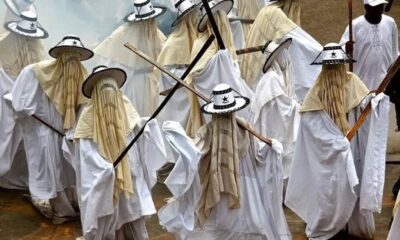
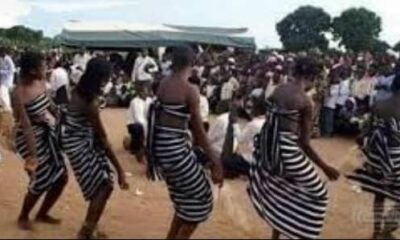
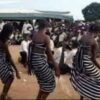
The heartbeat of the Bariki Festival is the sound of drums, flutes, and traditional instruments echoing through the streets of Bida. Groups of dancers perform intricate movements that tell stories of Nupe history and everyday life. The rhythms invite everyone, both the young and the old to participate, thereby turning the festival into a communal celebration rather than a performance to watch from afar.
Masquerades and Spiritual Elements
Masquerades add a mystical dimension to Bariki Festival. Figures like Gboya and Gani appear during the celebration wearing elaborate masks and costumes that symbolize ancestral spirits. They move through the crowds with grace and energy, and many attendees view their presence as a blessing. These performances show how spiritual beliefs are woven seamlessly into cultural practices.
Crafts, Art, and Culinary Displays
Bariki Festival also functions as a showcase for Nupe craftsmanship. Artisans display finely woven baskets, intricate beadwork, metalworks, and leather goods. Local food vendors prepare traditional dishes that offer the visitors a taste of Nupe culinary heritage. These elements highlight the role of the festival not just in entertainment but also in sustaining local economy and cultural knowledge.
Community Participation
Perhaps the most important tradition of Bariki is its inclusiveness. Every community member has a role, whether as a performer, a craftsman, a vendor, or a spectator. Families gather to share meals; children learn traditional dances; and the elders recount the stories behind each ritual. The festival is a living classroom where heritage is passed from one generation to the next with the aim of ensuring that Nupe traditions remain alive.
In essence, the Bariki Festival is a showcase of Nupe life. Its traditions combine royal ceremony, spiritual expression, artistic display, and communal celebration into a single, unforgettable event. For anyone attending, it is an experience that lingers long after the drums stop and the horses leave the square.
Cultural and Social Significance
The Bariki Festival offers more than a display of music, dance, and horsemanship. For the Nupe people, it is a vital expression of identity, unity, and cultural continuity. Each moment of the festival, from the procession of riders to the rhythms of traditional drums reflects the values and history of the Nupe community.
One of its key social roles is bringing families and communities together. Relatives who live far apart return home to participate, while neighbours and friends gather in the streets to share in the celebrations. Children watch and imitate dances and horsemanship, and at the same time, learn not only the steps but also the stories and morals behind them. As such, the Bariki Festival acts as a living classroom where cultural knowledge and community values are passed down naturally from generation to generation.
The festival also strenghtens the importance of leadership and respect in Nupe society. Paying homage to the Etsu Nupe during the celebrations reminds the participants of the longstanding bond between the ruler and the people. This ritual fosters a sense of responsibility, loyalty, and continuity, thus reminding everyone that traditions are maintained through collective effort.
Beyond personal and community connections, Bariki Festival plays a broader social role. It celebrates Nupe creativity and craftsmanship, and gives artisans a platform to showcase skills that are deeply tied to the community’s heritage. Music, dance, and masquerades reinforce cultural pride while food and craft displays support local economic activity. In a sense, every participant is both a guardian and a beneficiary of Nupe culture.
In contemporary times, the festival has also become a bridge between tradition and modernity. As tourists and journalists visit, the Bariki Festival presents Nupe culture to a wider audience in a way that fosters appreciation and understanding. It demonstrates how heritage can remain vibrant and relevant, even as societies evolve.
Ultimately, the cultural and social significance of the Bariki Festival lies in its ability to unite, educate, and celebrate. It is a festival that preserves the past while welcoming the present, and by so doing, ensure that the Nupe identity thrives for generations to come.
Bariki Festival in Contemporary Times

Today, the Bariki Festival is not only a cultural celebration but also a growing symbol of Niger State’s heritage and potential for tourism. While the festival retains its traditional core, namely, royal processions, music, dance, and community gathering, it has gradually adapted to modern times. Local authorities, cultural organizations, and government agencies now work together to ensure that it reaches wider audiences and contributes to economic development.
In recent years, the Niger State government has partnered with the Federal Ministry of Art, Culture, Tourism and Creative Economy to promote Bariki as a festival with national and international appeal. Efforts include improved infrastructure in Bida, better accommodation options for visitors, and media campaigns to attract tourists and cultural enthusiasts from across Nigeria and beyond.
Bariki Festival also benefits from modern technology. Photographers, videographers, and journalists document every procession and performance, and share the festival online through news outlets and social media. This visibility not only educates the public about Nupe traditions but also encourages the younger generations to take pride in their heritage.
Another notable change is the inclusion of organized craft and food exhibitions. Artisans now have structured marketplaces where visitors can buy traditional items like beadwork, leather crafts, and metalwork, thereby creating economic opportunities while preserving Nupe culture. Similarly, food vendors showcase local dishes that offer an authentic taste of Nupe culinary traditions.
Despite these modern adaptations, the festival remains firmly rooted in its traditional purpose. The Etsu Nupe continues to play a central role, and the community maintains the rituals, dances, and horsemanship displays that have defined Bariki Festival for generations. Modernization has not diluted the festival, rather, it has amplified its reach, and has made it a celebration that bridges the past and the present.
For visitors, experiencing Bariki Festival today involves a combo of history, culture, and modern celebration. The festival offers a chance to witness centuries-old traditions in a lively, contemporary setting, and shows how cultural heritage can thrive even in a changing world.
Notable Personalities and Community Leaders
At the heart of the Bariki Festival are the individuals who uphold Nupe traditions and guide the community through every celebration. The festival is not only a cultural event but also a reflection of leadership, continuity, and the respect that the Nupe people give to their elders and rulers.
Central among these figures is the Etsu Nupe, the traditional ruler of the Nupe people. The current Etsu Nupe, Brigadier General (Rtd) Yahaya Abubakar has held the title since 2003. He plays a pivotal role in the festival by leading the royal procession, receiving homage from the people, and ensuring that every ritual is conducted according to long-standing customs. His presence connects the community to its history and provides a living example of Nupe leadership and cultural stewardship.
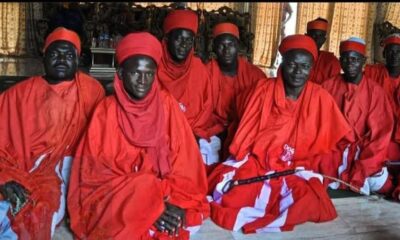
Alongside the Etsu, the local chiefs and titled men actively participate in Bariki Festival. They organize segments of the festival, supervise traditional ceremonies, and mentor the younger members of the community. Their involvement ensures that every element, from horsemanship displays to the masquerades and dances remains authentic and meaningful.
Other notable contributors include artisans, musicians, and cultural custodians who dedicate time to preserving and presenting the Nupe heritage. Bead makers, drummers, horse trainers, and dancers all play vital roles in bringing Bariki Festival to life. Each person’s expertise contributes to a rich display of tradition that has been maintained over generations.
The collective effort of these leaders and cultural practitioners shows how the Bariki Festival is not just a ceremonial event but a community project, one that depends on respect, collaboration, and a shared commitment to the Nupe heritage. Their dedication ensures that Bariki continues to grow as a living celebration of culture, history, and identity.
Tips for Experiencing the Bariki Festival
Experiencing the Bariki Festival is a unique opportunity to immerse yourself in Nupe culture. Whether you are a first-time visitor or returning to witness the celebration again, there are ways to make your experience richer, more enjoyable, and respectful of local traditions.
Plan around Sallah dates
The Bariki Festival is held five days after the two major Islamic festivals, Eid‑el‑Fitri and Eid‑el‑Kabir (Sallah). Because these holidays follow the lunar calendar, the exact dates change every year. Planning your visit in advance ensures you arrive during the peak of festivities and can participate fully in all the cultural displays.
Arrive early to witness the processions
One of the highlights of Bariki Festival is the royal horse procession led by the Etsu Nupe and his entourage. Arriving early gives you the chance to see the horses being prepared, observe the intricate decorations, and experience the anticipation building among the crowd. Early arrival also allows you to find a good vantage point to capture photographs or simply enjoy the spectacle.
Engage with music and dance
The festival is full of live drumming, flutes, and traditional dances. Don’t hesitate to join in, clap along, or learn the steps from the local performers. Participating rather than observing passively provides a more authentic and memorable experience. The Nupe people value enthusiasm and respect. So, joining in with good spirits is welcomed.
Explore the crafts and local food
Bariki Festival is also a showcase for Nupe craftsmanship. Take time to explore the stalls offering beadwork, metalwork, leather goods, and woven crafts. Taste the local dishes prepared by the local vendors to fully enjoy the culinary offerings of the festival. Purchasing crafts or food supports artisans and keeps cultural traditions alive.
Respect the cultural practices
The Bariki Festival is deeply tied to Nupe identity and spiritual practices. Be mindful of local etiquette, especially when photographing ceremonies, approaching masquerades, or interacting with the elders. Dress modestly and observe the flow of events without interrupting the rituals or performances. Respectful engagement ensures a positive experience for both the visitors and the community.
Learn the stories behind the festival
Take the time to listen to the elders or guides who can explain the meaning of dances, music, and the masquerades. Understanding the stories and history behind Bariki Festival adds depth to your experience as it transforms the festival from a spectacle into a meaningful cultural encounter.
Experiencing the Bariki Festival is about connecting with the Nupe people, appreciating their heritage, and taking part in a centuries-old tradition that continues to thrive in modern Nigeria. Following these tips allows the visitors to enjoy the festival fully while honouring the community that keeps it alive.
Challenges and Cultural Preservation
While the Bariki Festival remains a rich celebration of Nupe culture, it has faced challenges that threaten its continuity. Rapid modernization, urbanization, and shifting lifestyles mean that the younger ones may spend less time learning traditional crafts, music, and dances. In some years, security concerns or public health issues have forced limited participation or adjustments to the festival schedule.
Another challenge lies in balancing cultural authenticity with growing tourism. As more visitors attend Bariki, there is a risk that commercialization could overshadow the traditional rituals. For instance, while the craft markets and organized exhibitions provide economic opportunities, there is a need to ensure that the cultural meaning behind these practices is not lost.
Efforts to preserve the Bariki Festival and Nupe heritage are underway as the Niger State government and cultural organizations are documenting Bariki celebrations, promoting educational programmes, and supporting local artisans. The collaboration between traditional leaders, community members, and government bodies ensures that the rituals, horsemanship displays, music, dance, and masquerades keep thriving authentically.
Community engagement plays a central role in preservation. The elders teach the young ones about the historical and spiritual significance of each element of the festival, from the preparation of horses to the meaning behind masquerade performances. Schools and cultural clubs also organize events that introduce students to Nupe music, dance, and crafts, thereby helping to sustain cultural knowledge in everyday life.
In addition, partnerships with media outlets and social platforms have increased awareness of Bariki Festival beyond Bida. By highlighting the festival to national and international audiences, these efforts help to generate pride among the Nupe and encourage support for cultural preservation initiatives.
The Bariki Festival exemplifies the fact that a centuries-old tradition can adapt to modern times, even as it remains deeply rooted in community identity. Through combined efforts of leaders, artisans, educators, and cultural institutions, the festival celebrates the Nupe heritage and inspires the future generations to carry it forward.
In Conclusion …
The Bariki Festival stands as a vivid testament to the richness of Nupe culture and the enduring power of tradition. From the majestic horse processions led by the Etsu Nupe to the rhythmic beats of drums, the dances of the young and the old, and the artistry of local craftspeople, every moment of the festival tells a story of history, identity, and community. It is a celebration that unites families, honours leaders, and educates the younger generation about their heritage.
In contemporary times, Bariki continues to evolve as it welcomes tourists, artisans, and modern media, while retaining the heart of its tradition. Efforts by community leaders, cultural custodians, and government bodies ensure that this centuries-old festival blossoms as it allows the Nupe people to share their heritage with the world while still keeping its meaning intact.
For anyone curious about Nigeria’s rich cultural heritage, the Bariki Festival offers more than entertainment. It is an invitation to witness a community’s pride, creativity, and continuity. Attending or learning about Bariki is not only an exploration of vibrant festivities but also a deeper appreciation of the Nupe people’s legacy, values, and the living traditions that continue to define their identity.
The Bariki Festival is a bridge between the past and the present, a pulse of culture that beats strongly in the heart of Bida and the lives of the Nupe people.
References
- https://www.nupe.ng/culture
- https://mytertiarynews.org.ng/the-history-of-nupe-people/
- https://www.vanguardngr.com/2026/02/fg-ncac-move-to-project-bida-bariki-revive-nigers-cultural-economy/
- https://guardian.ng/news/fg-niger-state-partner-to-globalise-historic-bida-bariki-festival/
- https://www.thisdaylive.com/2026/01/24/niger-partners-ministry-to-elevate-bida-bariki-festival/
You might want to check this out …