


Festivals & Events in Nigeria
Inside Annang Festival of Arts and Culture: History, Significance, and Cultural Impact

Annang Festival of Arts and Culture (AFAC) is a yearly cultural celebration in Ikot Ekpene, Akwa Ibom State, Nigeria that showcases traditional masquerades, warrior parades, drum ensembles, arts and crafts exhibitions, and the heritage of the Annang people in a way that promotes tourism, unity, and economic engagement.
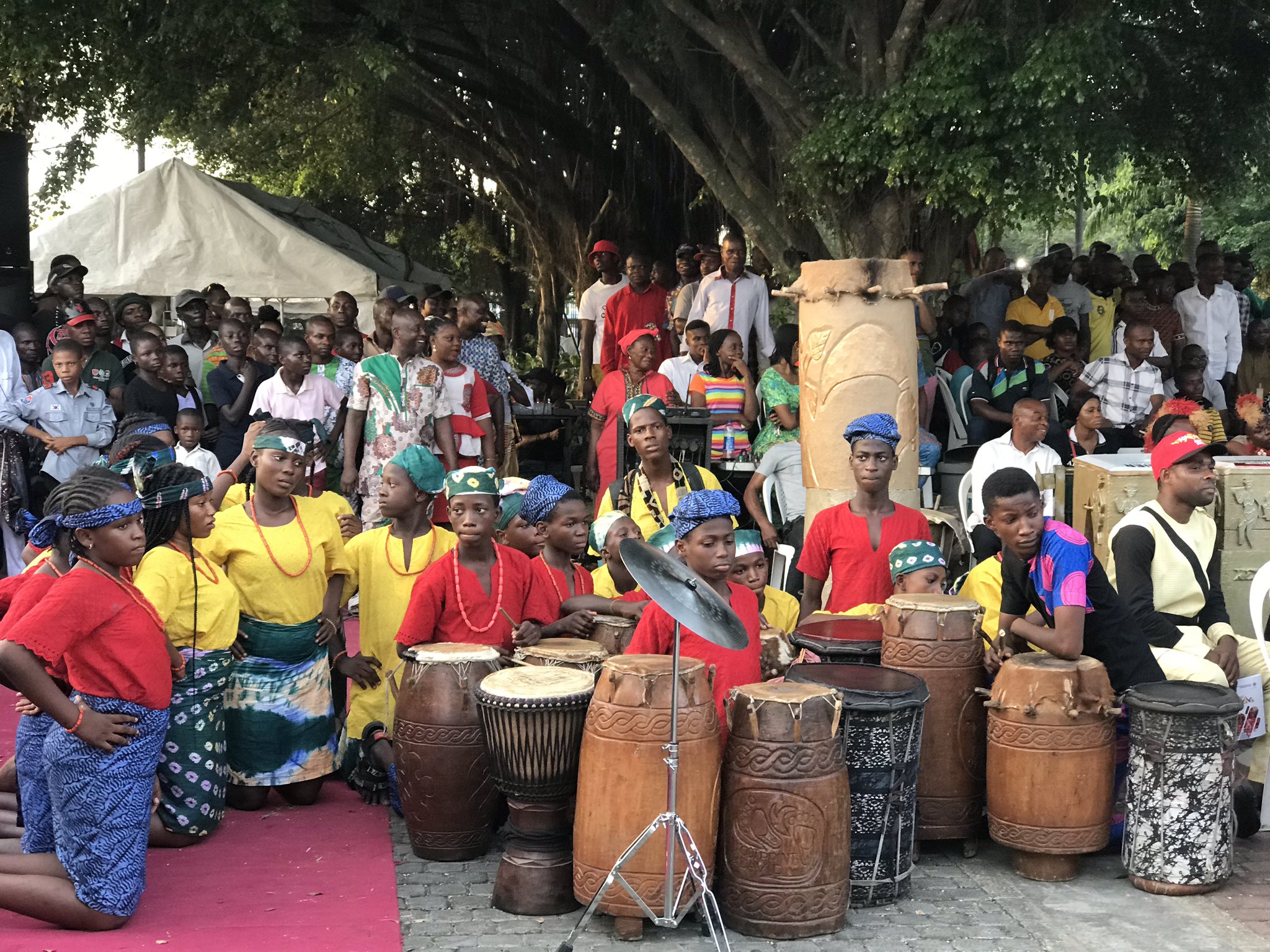
In Ikot Ekpene, a town rich with history and tradition in Akwa Ibom State, south-south Nigeria, one festival brings the community together like no other – the Annang Festival of Arts and Culture (AFAC). It is a festival that turns the streets into a stage for music, dance, and colour. It is a space where the Annang people honour their heritage, share their stories, and welcome visitors to experience their traditions firsthand.
Since its launch in 2016, the Annang Festival of Arts and Culture has grown into a major cultural event. It was created to ensure that the language, arts, and customs of the Annang community remain alive and accessible to the younger generations. Beyond performances, the festival is a living record of history, a gathering of artisans, drummers, dancers, and storytellers who carry the past into the present.
From the vibrant masquerade displays to warrior parades, from the drum ensembles to the arts and crafts exhibitions, every moment of the festival is intentional. It encourages young people to connect with their roots, attracts tourists from across Nigeria and beyond, and strengthens the local economy. The Annang Festival of Arts and Culture is a statement that heritage, creativity, and community still matter in a modern world.
This article will take you through the history, meaning, and impact of the Annang Festival of Arts and Culture. You will discover why it is a cornerstone of Annang identity, how it preserves traditions, and why it continues to grow in relevance each year.
The Annang People and Their Cultural Roots
The Annang people are an ethnic group primarily found in central Akwa Ibom State, Nigeria. They form part of the larger Ibibio-Efik cultural cluster but maintain distinct traditions, language, and social structures that set them apart. The Annang community is known for its rich oral history, intricate art, and deep respect for ancestral practices. Every village and town has its own stories, songs, and customs that have been passed down through generations.
Traditionally, Annang culture emphasizes community, respect for elders, and a strong connection to the land. Music and dance play central roles in everyday life, not just in celebrations but also in ceremonies marking births, marriages, and harvests. Storytelling remains a vital tool for education, moral instruction and entertainment.
It is within this cultural context that the Annang Festival of Arts and Culture takes on its significance. The festival is not simply a performance, it is a living reflection of the Annang identity. Through masquerades, warrior parades, drumming, and art exhibitions, the festival keeps these traditions vibrant. It allows young people to see, hear, and experience their heritage directly, in a way that ensures that Annang culture remains a visible and celebrated part of Nigeria’s cultural heritage.
AFAC also serves as a bridge between generations. The elders share wisdom while the youths engage actively whether by performing, crafting, or participating in cultural competitions. Visitors from outside the region gain insight into the Annang way of life, thereby creating understanding and appreciation for this rich cultural heritage.
In essence, the Annang people have cultivated a culture that is both resilient and dynamic. The Annang Festival of Arts and Culture captures this vitality, and turns it into an annual celebration that preserves, showcases, and honors the essence of who the Annang people are.
How the Annang Festival of Arts and Culture Began
The Annang Festival of Arts and Culture started in 2016 as a response to a growing concern that Annang traditions were fading in the face of modern life. Community leaders, cultural advocates, and local organizers wanted a platform to preserve language, music, dance, and art and create an event that could engage both the young people and outsiders. The festival was designed to be a living celebration of Annang identity.
The inaugural festival was held in Ikot Ekpene, a town renowned for its cultural significance and historical role as a commercial hub. Over the first week of December, the town transformed into a bubbly space of performances, exhibitions, and community gatherings. Thousands of people attended, from local families to visitors from other states, drawn by the promise of seeing Annang culture in full display.
From the very beginning, the organizers structured the festival to include a variety of activities that reflected the breadth of Annang heritage. Traditional masquerades performed intricate dances. Warrior parades showcased historical attire and ceremonial movements. Drum ensembles filled the streets with rhythmic patterns unique to the region. Artisans displayed crafts, including woven raffia items, beadwork, and sculptures. Language competitions, beauty pageants, and storytelling sessions invited the young people to actively participate, thus creating a bridge between generations.
The success of the first AFAC confirmed that there was both interest and value in celebrating the Annang heritage publicly. Since then, the festival has continued annually, growing in scale, variety, and recognition. Each edition adds new dimensions, like cultural workshops, forums on heritage preservation, and expanded exhibitions that include local cuisine and fashion. The Annang Festival of Arts and Culture has evolved into a landmark event for Ikot Ekpene, Akwa Ibom State, and Nigeria as a whole.
Essentially, the festival began as a protective measure for culture but quickly became a celebratory space where history, art, and community converge. It set the standard for how cultural preservation can be paired with modern engagement, thereby creating an event that is both educational and entertaining.
The Main Goals of the Festival
The Annang Festival of Arts and Culture was created with clear and purposeful goals that go beyond celebration. At its heart, the festival is a platform for preserving and promoting the rich traditions of the Annang people while engaging the wider community. Its objectives combine cultural, educational, social, and economic intentions, thus making it a multi-dimensional event.
Preserving Annang Heritage
One of the primary goals is to protect and maintain the language, music, dance, and arts of the Annang people. In a rapidly modernizing world, many traditional practices risk being forgotten. The festival ensures that these practices are visible, appreciated, and passed down to the younger people. By presenting rituals, masquerades, and folk performances in a public setting, AFAC keeps these traditions alive and relevant.
Engaging the Youth
The Annang Festival of Arts and Culture places a strong emphasis on youth participation. Cultural competitions, language challenges, and talent showcases allow the young people to interact with their heritage in meaningful ways. By involving the next generation directly, AFAC creates a sense of ownership that encourages the youths to value and continue their cultural legacy.
Promoting Tourism and Cultural Awareness
Another goal is to position Ikot Ekpene and Akwa Ibom State as destinations for cultural tourism. Visitors from across Nigeria and abroad attend the festival to experience the depth of Annang traditions firsthand. This exposure not only increases awareness of the Annang people but also fosters respect and appreciation for Nigeria’s diverse cultural heritage.
Supporting Local Artisans and Economy
The Annang Festival of Arts and Culture provides a platform for local craftsmen, performers, and entrepreneurs. Arts and crafts exhibitions, food fairs, and fashion displays allow participants to showcase their skills and generate income. As such, the festival combines cultural preservation with economic empowerment, and supports both artisans and the local community.
Fostering Community Unity
Finally, Annang Festival of Arts and Culture strengthens social bonds within the Annang community. Families, friends, and neighbours come together to celebrate shared identity. The gathering of elders and youth creates opportunities for intergenerational dialogue, and ensures that values, stories, and customs are transmitted naturally.
Through these goals, the Annang Festival of Arts and Culture becomes a living, breathing expression of Annang identity, and provides education, economic opportunity, and a sense of belonging while inviting the world to witness and participate.
Where and When AFAC Happens
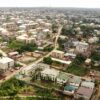
The Annang Festival of Arts and Culture is traditionally held in Ikot Ekpene, a town with deep historical and cultural significance for the Annang people. Known as the “Raffia City” for its long-standing association with raffia palm crafts, Ikot Ekpene provides the perfect backdrop for a festival that celebrates both tradition and creativity. Its streets, squares, and open grounds transform into lively stages for music, dance, masquerades, and craft displays.
The Annang Festival of Arts and Culture usually takes place in December which is a period many people are on holiday and can fully engage in the week-long celebration. The timing also aligns with the cultural cycles and allows for maximum participation from community members, tourists, and government representatives. Venues like the Ikot Ekpene Township Stadium and public squares host performances, exhibitions, and competitions as they provide spaces where everyone, locals and visitors alike can experience the richness of Annang heritage.
By choosing Ikot Ekpene as its permanent home, the festival not only highlights the cultural importance of the town but also stimulates local tourism. Hotels, restaurants, and markets see increased activity as visitors come to witness traditional masquerades, warrior parades, and artisan displays. Government and cultural institutions often participate to further emphasize the festival’s role in promoting both heritage and economic development.
This combination of place and timing is deliberate. Ikot Ekpene’s historical relevance and central location within Annang territory make it accessible and symbolic, while December offers a festive period when participation is highest. The setting, along with careful scheduling ensures that the Annang Festival of Arts and Culture is not only a cultural highlight but also a moment the community comes together to celebrate, learn, and share their traditions with the wider world.
What Happens at the Festival

The Annang Festival of Arts and Culture is an energetic and immersive celebration where tradition, art, and community converge. Every edition of the festival is carefully designed to give visitors a complete picture of Annang heritage while allowing the locals, especially the youth to connect deeply with their roots. From the elaborate performances to the interactive competitions, the festival offers something for everyone.
Masquerade Displays
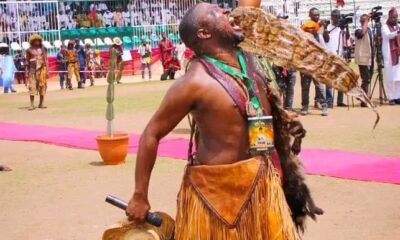
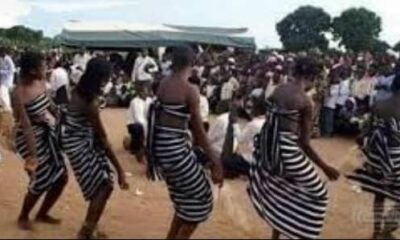
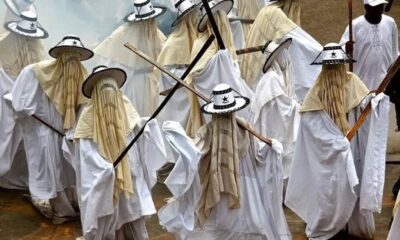
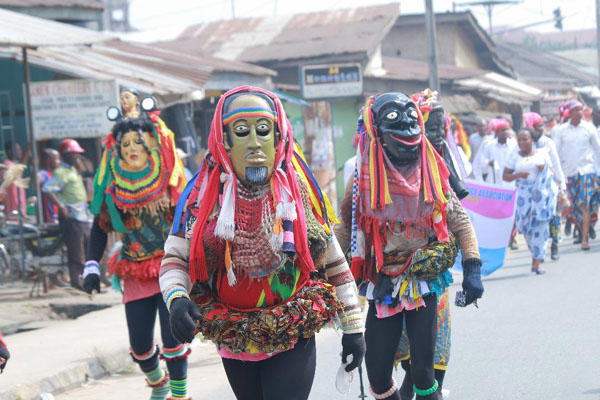
Masquerades are often the highlight of the Annang Festival of Arts and Culture. Dancers wear intricately decorated masks and costumes that represent ancestral spirits, mythical beings, and societal roles. Each performance tells a story from the past as they moving through the streets in coordinated steps, accompanied by traditional songs and drumming. The energy is palpable, and the spectacle is both entertaining and educational as it offers visitors a window into Annang beliefs and customs.
Warrior Parades
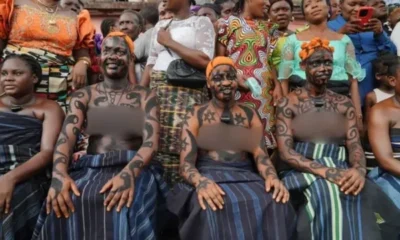
Traditional warrior parades showcase the bravery and history of the Annang people. Participants don historical attire, carry ceremonial items, and demonstrate traditional martial movements. These parades honour the ancestors who defended their communities, and give the spectators a glimpse of Annang resilience and discipline.
Drum Ensembles
Music is central to the Annanbg Festival of Arts and Culutre, and drum ensembles provide the heartbeat of every performance. Different types of traditional drums fill the air with intricate rhythms that guide dances and signal important moments. Drumming sessions create a sense of unity that invites the crowd to feel the pulse of Annang culture firsthand.
Arts and Crafts Exhibitions
The Annang Festival of Arts and Culture also serves as a platform for Annang artisans to display their work. Visitors can see woven raffia products, beadwork, wood carvings, and other crafts that reflect the skill and creativity of the community. Each exhibit tells a story, and highlights symbols, patterns, and techniques that have been passed down through generations. Many attendees purchase these items as a way of supporting the local creative economy.
Cultural Competitions and Pageants
Youth engagement is a major focus of the Annang Festival of Arts and Culture. Competitions in storytelling, poetry, and the Annang language encourage the younger ones to actively participate in cultural preservation. The Ujai Annang beauty pageant highlights grace, intelligence, and cultural pride, and offers a stage where young women represent the community as they showcase their talents and knowledge.
Food, Fashion, and Social Gatherings
No cultural festival is complete without food and fashion. During AFAC, traditional Annang cuisine is served to give the visitors a taste of local flavours, while fashion displays combine traditional attire with contemporary designs. Evening programmes often feature storytelling sessions, performances, and forums where the elders share history, values, and wisdom, thereby creating meaningful intergenerational dialogue.
The Experience as a Whole
What makes the Annang Festival of Arts and Culture truly unique is how all these elements come together. It is a festival that educates, entertains, and connects. Visitors do not just watch, they engage with the culture, and learn through observation and participation. Each activity, from masquerades to drum ensembles is carefully crafted to reflect the identity, values, and creativity of the Annang people. This makes the festival a living, breathing celebration of heritage.
Need for Cultural Preservation
The Annang Festival of Arts and Culture is a vital tool for preserving and transmitting the heritage of the Annang people. In an age where modern lifestyles and global influences can easily overshadow traditional practices, the festival provides a structured and engaging space where culture is actively maintained and shared.
One of the festival’s key contributions is its role in keeping the Annang language alive. Through storytelling sessions, language competitions, and poetry recitals, the younger ones are encouraged to speak, write, and appreciate their native tongue. This ensures that the nuances of Annang expressions, idioms, and oral history are not lost over time.
The Annang Festival of Arts and Culture also preserves traditional arts and crafts. Exhibitions display woven raffia items, beadwork, sculptures, and ceremonial regalia that have been produced using techniques passed down through generations. Artisans can showcase their work to a broad audience. Each item tells a story about the community’s history, beliefs, and creativity.
Performances of dance, masquerades, and drumming serve as living archives of Annang customs. Through these dynamic displays, the participants and audiences alike experience rituals and practices that might otherwise only exist in memory. The visual and auditory elements of the festival make traditions tangible, and ensure they are understood, enjoyed, and remembered.
Another critical aspect is intergenerational knowledge transfer. The elders guide the youths through the preparation and execution of festival activities by sharing insights about cultural norms, ancestral wisdom, and societal values. This interaction not only preserves knowledge but also strengthens community bonds.
Finally, AFAC acts as a bridge between the Annang people and the wider world. By welcoming visitors, scholars, and tourists, the event raises awareness of Annang culture and its significance within Nigeria’s broader cultural landscape. This external attention helps to protect traditions from being marginalized and fosters respect for cultural diversity.
Simply put, the Annang Festival of Arts and Culture ensures that the Annang heritage remains a living, evolving practice. It preserves language, arts, music, and traditions, even as it fosters pride, understanding, and continuity among both local communities and visitors.
Economic and Tourism Benefits
The Annang Festival of Arts and Culture does more than celebrate tradition. It has become a catalyst for local economic growth and tourism in Ikot Ekpene and Akwa Ibom State. Each year, the festival draws thousands of visitors from across Nigeria and beyond, and create opportunities for businesses, artisans, and the hospitality sector.
Hotels and guesthouses experience full occupancy as tourists arrive to witness the vibrant activities. Restaurants, food vendors, and local markets benefit from increased demand, particularly for traditional Annang dishes and specialty items. This surge in economic activity provides income for small business owners and strengthens the local economy.
Local artisans and craftspeople also benefit significantly. Exhibitions and sales of woven raffia products, beadwork, sculptures, and other traditional crafts provide both visibility and revenue. Many of these artisans gain recognition beyond their communities, and sometimes attract partnerships, commissions, or media coverage.
Annang Festival of Arts and Culture also plays an important role in promoting cultural tourism. Visitors are drawn not only by the performances but also by the opportunity to learn about Annang heritage, history, and lifestyle. Government agencies, like the National Council for Arts and Culture and the Akwa Ibom State Ministry of Culture and Tourism often partner with the festival organizers to enhance its reach and profile to ensure that it contributes meaningfully to the state’s cultural tourism strategy.
Beyond direct economic benefits, the festival also enhances the cultural branding. Ikot Ekpene is widely recognized as a hub for Annang heritage that attracts media attention and cultural researchers. This recognition boosts both its and the state’s profile, and encourages repeat visits and long-term interest in local traditions.
Ultimately, the Annang Festival of Arts and Culture is proof that celebrating heritage can also drive economic opportunity. By combining cultural preservation with tourism and commerce, the festival strengthens communities, supports livelihoods, and ensures that the Annang traditions remain both relevant and sustainable.
Economic and Tourism Benefits
The Annang Festival of Arts and Culture does more than celebrate tradition. It has become a catalyst for local economic growth and tourism in Ikot Ekpene and Akwa Ibom State. Each year, the festival draws thousands of visitors from across Nigeria and beyond, and create opportunities for businesses, artisans, and the hospitality sector.
Hotels and guesthouses experience full occupancy as tourists arrive to witness the vibrant activities. Restaurants, food vendors, and local markets benefit from increased demand, particularly for traditional Annang dishes and specialty items. This surge in economic activity provides income for small business owners and strengthens the local economy.
Local artisans and craftspeople also benefit significantly. Exhibitions and sales of woven raffia products, beadwork, sculptures, and other traditional crafts provide both visibility and revenue. Many of these artisans gain recognition beyond their communities, and sometimes attract partnerships, commissions, or media coverage.
Annang Festival of Arts and Culture also plays an important role in promoting cultural tourism. Visitors are drawn not only by the performances but also by the opportunity to learn about Annang heritage, history, and lifestyle. Government agencies, like the National Council for Arts and Culture and the Akwa Ibom State Ministry of Culture and Tourism often partner with the festival organizers to enhance its reach and profile to ensure that it contributes meaningfully to the state’s cultural tourism strategy.
Beyond direct economic benefits, the festival also enhances the cultural branding. Ikot Ekpene is widely recognized as a hub for Annang heritage that attracts media attention and cultural researchers. This recognition boosts both its and the state’s profile, and encourages repeat visits and long-term interest in local traditions.
Ultimately, the Annang Festival of Arts and Culture is proof that celebrating heritage can also drive economic opportunity. By combining cultural preservation with tourism and commerce, the festival strengthens communities, supports livelihoods, and ensures that the Annang traditions remain both relevant and sustainable.
In Conclusion …
The Annang Festival of Arts and Culture stands as a lively testament to the richness, resilience, and creativity of the Annang people. From its origins in 2016 to its evolution into a nationally recognized cultural event, it has grown into a platform where history, art, music, and tradition come alive. It is a space where masquerades dance, drummers perform, artisans display their crafts, and young people engage with their heritage in meaningful ways.
Beyond entertainment, the festival plays a vital role in cultural preservation as it passes on language, stories, and customs to the younger members of the society. It strengthens community bonds, creates economic opportunities, and positions Ikot Ekpene as a centre for cultural tourism in Akwa Ibom State. Visitors leave not only with memories of colourful performances and traditional displays but also with an appreciation of the Annang heritage and the values it represents.
In a world where cultural traditions can easily be overshadowed by modernization, the Annang Festival of Arts and Culture ensures that Annang identity remains visible, celebrated, and relevant as a living archive of history, a bridge between generations, and a beacon of pride for the Annang people.
Each year, as the streets of Ikot Ekpene fill with music, dance, and laughter, AFAC reaffirms that culture is not just preserved in museums or books, it thrives in community, creativity, and celebration.
References
- https://en.wikipedia.org/wiki/Annang_Festival_of_Arts_and_Culture
- https://afac.com.ng/about/
- https://nico.gov.ng/annang-festival-of-arts-and-culture/
- https://www.theculturenewspaper.com/annang-arts-culture-festival-holds-december-20/
- https://annangheritage.com/
- https://nnewicity.com/annang-people-of-akwa-ibom-nigeria/