
Festivals & Events in Nigeria
Inside the Ojude Oba Festival: One of Nigeria’s Most Prominent and Colourful Cultural Event

Ojude Oba Festival is an annual cultural celebration in Nigeria that honours tradition, fashion, heritage and unity in Ijebu-Ode. Learn its history, rituals, age‑grade parades, music, horse riding and significance in this detailed guide.

The name Ojude Oba translates as “the king’s forecourt” in Yoruba language. It refers to the open space in front of the Awujale’s palace where participants gather to pay homage to the monarch. What began more than a century ago as a simple visit by early Muslim converts to thank the king for religious tolerance has developed into a large cultural festival that attracts residents, visitors, and members of the Nigerian diaspora.
Today, the Ojude Oba Festival is known for its organized parades by age-grade groups known as regberegbe, elaborate traditional clothing, music, and horse-riding displays by the descendants of historic warrior families.
The event also serves as a meeting point for families, community leaders, and cultural enthusiasts who gather to celebrate the traditions and identity of the Ijebu people. Through these activities, the Ojude Oba festival preserves cultural values and promotes social connection and cultural tourism in Nigeria.
What is the Ojude Oba Festival?
The Ojude Oba Festival is an annual cultural celebration held in Ijebu-Ode, Ogun State, in southwestern Nigeria. It is one of the most important events in the Ijebu calendar that draws people from across Nigeria and the diaspora. The festival is held on the third day after Eid al-Kabir (Ileya). Even though it was linked to Islamic tradition, but over time, it has grown beyond religious roots to become a community-wide celebration of heritage, identity, and unity.
At its core, the festival is a way for the people of Ijebu to honour their traditional ruler, the Awujale of Ijebuland, and to show gratitude, respect, and loyalty. The name Ojude Oba translates to “the king’s front” or “the king’s courtyard” in Yoruba, reflecting its central focus on the palace as the gathering place for homage, rituals, and celebrations.
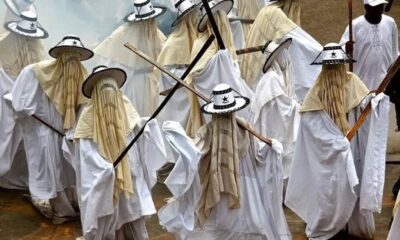
The festival is marked by vibrant parades of age-grade groups (regberegbe), dazzling traditional attire, music, dance, and the famous horse-riding processions performed by descendants of historic warrior families. Beyond the spectacle, the festival strengthens social bonds, showcases cultural pride, and preserves centuries-old traditions. It is a living celebration where history, fashion, music, and community converge.
History of the Festival
The Ojude Oba Festival began more than a century ago in Ijebu‑Ode, a town in southwestern Nigeria during a period of significant cultural and religious change. Its origins are rooted in the interactions between the traditional Ijebu leadership and early Muslim converts in the late 19th century. At that time, Islam was gradually spreading through Ijebuland, and many people in the community were embracing the faith while still maintaining strong loyalty to their traditional ruler, the Awujale of Ijebuland.
Before the birth of the Ojude Oba Festival, the Ijebu people held a traditional celebration called the Odeda festival in which followers of various indigenous Yoruba religions came together to honour deities and ancestors through music and dance in front of the Awujale. As Islam gained ground, some early Muslim converts could not participate in Odeda rites which contained practices that conflicted with their new beliefs.
One of the prominent figures in this transition was Chief Balogun Kuku, a wealthy and influential Ijebu leader. After converting to Islam, he could no longer take part in Odeda and instead, decided to create a new way to honour the king that was consistent with his faith. This event was first called Ita Oba and eventually became the festival known today as Ojude Oba.
Another account explains that the beginnings of the Ojude Oba festival centered on a group led by Imam Tunwatoba who after the Eid al‑Kabir (known as Ileya in Yoruba), led his friends and family to the palace of Awujale Oba Fidipote to thank the king for allowing Muslims to practice their faith in peace. Both stories point to a similar inspiration – gratitude to the traditional ruler for religious tolerance and social harmony.
The name Ojude Oba itself comes from the Yoruba words meaning “king’s forecourt” or “king’s frontage” which refers to the palace courtyard where people gather each year to pay homage, offer prayers and celebrate. Over time, what was once a small visit of thanksgiving grew into a major cultural festival that continues to honour the Awujale while embracing broader aspects of Ijebu identity, including music, attire, performance and communal pride.
Under successive rulers, the festival matured into a structured event. Age‑grade groups known as regberegbe became central to the celebration, each preparing coordinated attire and performances to parade before the king. These groups trace their roots back to traditional social structures in Ijebuland where age grades contributed to social organization and community development.
The festival has continued to evolve and attract increasing attention from Nigerians across all regions and even from the diaspora. Today, the Ojude Oba Festival stands as one of the most established celebrations of cultural heritage in Nigeria that combines religious influence, traditional royal respect and contemporary expressions of art, fashion and community unity.
The King and Ijebu Leadership

The Awujale of Ijebuland who is the traditional ruler who serves as both a cultural and spiritual figure for the Ijebu people is the main figure of the Ojude Oba Festival. He is the monarch, and he embodies the history, identity, and unity of the community. During the festival, all activities converge around his palace as he receives homage, blessings, and expressions of loyalty from his subjects.
The current Awujale, Oba Sikiru Kayode Adetona has been on the throne since 1960 which makes him one of the longest-serving traditional rulers in Nigeria. His reign has seen the Ojude Oba festival grow from a local tradition into a national and even international cultural spectacle. Under his leadership, the festival has maintained its focus on heritage, even while accommodating modern expressions of fashion, music, and performance.
The Awujale’s role during the Ojude Oba Festival is central. On the main day, he sits in the palace courtyard, dressed in traditional regalia ready to welcome thousands of Ijebu sons and daughters. Each age-grade group (regberegbe) approaches him with coordinated dances, songs of praise, and symbolic gifts. These acts are not merely ceremonial, they reaffirm the people’s respect for their leader and their commitment to the unity of Ijebu society.
Historically, the Awujale was also the ultimate decision-maker in matters of justice, trade, and social order in Ijebuland. Today, while Nigeria’s modern governance structures handle formal administration, the Awujale remains a key figure in cultural preservation and community leadership. The Ojude Oba festival highlights this role by centering the celebrations around him to remind the attendees of the enduring connection between leadership, tradition, and identity.
Through the Ojude Oba Festival, the Awujale also promotes social cohesion. By bringing together people of all ages, professions, and even countries, the festival strengthens bonds within the Ijebu community. It is a living expression of the respect accorded to traditional institutions in Nigeria and a celebration of the continuity of Ijebu culture under the guidance of their king.
Cultural Significance and Meaning
The Ojude Oba Festival entails much more than a colourful spectacle. For the people of Ijebu, it is a living celebration of history, identity, and community. Every element of the festival, from the parades to the music, carries layers of meaning that connect the present to the past.
One of the most important roles of the Ojude Oba Festival is preserving Ijebu heritage. The age-grade groups known as regberegbe perform coordinated dances, songs, and rituals that have been passed down through generations. Their performances provide more than entertainment at the festival. They tell stories of ancestors, local heroes, and the evolution of the community. Each step and gesture is a reminder of Ijebu values such as respect for elders, unity, and social responsibility.
The Ojude Oba Festival also honours the traditional ruler, the Awujale in such a way that reinforces the bond between leadership and community. Paying homage to the king is a symbolic act of loyalty and gratitude based on centuries of governance, protection, and guidance provided by the monarchy. It demonstrates how cultural institutions continue to shape social cohesion and collective identity in Ijebu society.
Another layer of significance is the festival’s role in strengthening community bonds. Families, friends, and even strangers gather to celebrate together bridging age gaps and uniting people from various social, economic, and geographic backgrounds. The event fosters a sense of belonging as it reminds the participants that they are part of a shared history and a larger community.
The Ojude Oba Festival also serves as a showcase of Yoruba culture at large which combines religion, traditional values, fashion, music, and performance in one celebration. While its origins are tied to Islam, the festival now welcomes people from different faiths and regions, thus creating a platform for cultural dialogue and appreciation. It celebrates the adaptability of tradition and the ability of communities to retain identity while they embrace change.
Esentially, the Ojude Oba Festival is a living symbol of continuity that keeps Ijebu stories, social structures, and customs alive in the modern world. Attendees do not just watch, they participate in carrying forward the values and narratives of their ancestors and contributing to the ongoing story of their people. The festival is both a mirror and a bridge that reflects history and connects generations.
Age‑Grade Groups (Regberegbe) and Their Role

A defining feature of the Ojude Oba Festival is the age-grade system known locally as regberegbe. These groups are social units that bring together people born within the same period, often spanning a few years. Traditionally, age grades played a key role in the governance, security, and social organization of Ijebu communities. Today, they still influence the festival by maintaining a deep connection to community life and heritage.
Before the Ojude Oba festival, each age-grade group prepares months in advance. Members plan every detail, from their coordinated traditional attire to dance routines, music, and presentation. The goal is to parade before the Awujale in a demonstration of unity, creativity, and loyalty. These groups often have distinctive names that carry historical or symbolic meaning. Names like Obafuwaji, Bobagbimo, Bobakeye, Gbobaniyi, and Gbobalaye. Each group contributes to the rich display of colour, rhythm, and heritage that defines the Ojude Oba Festival.
Beyond the performances, the parades are acts of cultural storytelling. Through song, dance, and attire, each group honours the ancestors, celebrates achievements, and strengthens shared values like respect, solidarity, and responsibility. The synchronized movements and matching fabrics reflect planning, coordination, and pride in identity.
Beyond the festival day, regberegbe groups often collaborate on community development projects. They contribute to education, health initiatives, and local welfare programmes. This way, they show that the age-grade system is not only about celebration but also about service and leadership within Ijebu society. This dual cultural and social role makes age grades central to the Ojude Oba Festival and the cohesion of the Ijebu community.
In essence, the regberegbe system transforms Ojude Oba Festival from a simple event into a vibrant, living institution. Each age-grade group embodies history, social responsibility, and creativity which eventually turn the festival into a platform where the past, present, and future of Ijebu society come together in a visual, rhythmic, and meaningful display.
Main Features of the Festival

The Ojude Oba Festival is renowned for its mix of history, culture, and pageantry. Every element of the festival, from the parades to music, fashion, and horse riding tells a story about Ijebu heritage and Yoruba identity. These features not only make the festival visually spectacular but also give it its deeper cultural meaning.
Parade and Pageantry
The parade is the heart of the Ojude Oba Festival. Each age-grade group (regberegbe) moves through the streets of Ijebu-Ode in carefully coordinated processions. Drums, singing, and chants fill the air as members display colourful traditional attire. The procession culminates at the palace of the Awujale where groups dance, sing praise songs, and pay homage to the king. This procession is not just ceremonial, it is a performance that communicates identity, history, and unity.
Traditional Attire and Fashion
Fashion is a defining feature of the Ojude Oba Festival. Men typically wear agbada, buba, and sokoto often made from richly patterned fabrics like aso-oke and damask. Women wear iro and buba with intricately tied gele often accompanied by beads, jewelry, and matching accessories. Many age-grade groups coordinate their clothing to reflect a theme or honour their heritage. This results in a sea of colour and texture that transforms the streets into a living gallery of Yoruba fashion.
Horse Riding and Warrior Lineage
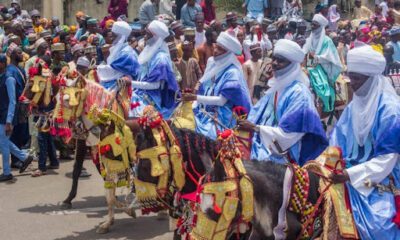
Perhaps, the most iconic feature of the Ojude Oba Festival is the horse-riding procession. Descendants of historic warrior families, often referred to as Balogun families parade on elaborately adorned horses. The riders wear regalia that signals their lineage and status, while their horses are decorated with colourful fabrics and beads. This display is both ceremonial and symbolic as it serves as a link between the present generation to the martial traditions and leadership of their ancestors.
Music and Dance
Music and dance are inseparable from the Ojude Oba Festival experience. Traditional Yoruba drums, percussion instruments, and praise songs fill the streets. Each age-grade group often performs choreographed dances that correspond with their costumes and theme. Music in the festival is both an entertainment and a storytelling tool that conveys history, respect, and communal values. Attendees often join in as a way of creating a participatory experience that strengthens social bonds.
Cultural and Community Engagement
Beyond the parades, attire, and performances, the Ojude Oba festival serves as a platform for community interaction. Families, friends, and visitors exchange greetings, gifts, and well-wishes. Businesses and artisans showcase their crafts, and in doing that create opportunities for economic activity, even as they promote local culture. To make the event more thrilling, corporate sponsors, sometimes, support prizes for best-dressed groups or performances with the aim of blending tradition with contemporary celebration.
Overall, the Ojude Oba Festival combines ceremonial homage, storytelling, artistry, and community spirit. From the precision of the parades to the rhythm of music and the elegance of fashion, every feature is a reflection of Ijebu heritage and a celebration of cultural identity. It is these elements that make the festival not only visually spectacular but deeply meaningful for the Ijebu people and visitors alike.
Modern Celebrations and Tourism Impact
Over the years, the Ojude Oba Festival has grown from a local expression of gratitude into one of Nigeria’s most celebrated cultural events. While its origins were rooted in religious respect and homage to the Awujale, the festival now attracts thousands of visitors from across Nigeria and even the diaspora. Tourists, journalists, historians, and culture enthusiasts come to witness the parades, horse-riding displays, music, and fashion, thus making it a vibrant showcase of Ijebu and Yoruba culture.
The Ojude Oba Festival has also become a significant tourism and economic event for Ijebu-Ode. Hotels fill up quickly as visitors travel to the town, while local tailors, artisans, and vendors experience a surge in business. From fabrics and clothing to traditional crafts, the festival provides a platform for local entrepreneurs to display their skills and generate income. Corporate sponsors often support prizes for outstanding performances or best-dressed age-grade groups.
Modern celebrations also integrate national and international elements. In recent years, media coverage and social media attention have brought the festival to a wider audience by highlighting its beauty and cultural significance. Some visitors now travel from neighbouring countries and other continents to witness the spectacle.
Despite its growth, the festival has maintained a strong focus on community values and heritage. It remains anchored in respect for the Awujale, the age-grade system, and Ijebu traditions. The modern Ojude Oba Festival balances heritage with contemporary expression as it incorporates fashion, music, photography, and performance alongside centuries-old customs. This balance ensures that the festival remains relevant, even as it preserves its authenticity.
In many ways, the Ojude Oba Festival has become a model for cultural tourism in Nigeria. It reveals how tradition can coexist with modernity, how community pride can attract national and global attention, and how festivals can contribute meaningfully to both cultural preservation and economic development. For visitors, it offers an immersive experience into Yoruba heritage, Ijebu identity, and the power of cultural celebration.
Spectacular Moments and Records
Over its long history, the Ojude Oba Festival has been marked by moments that capture the imagination and highlight its significance as a cultural, social, and even political event. Each festival brings together prominent figures, extraordinary displays, and unique milestones that contribute to its rich legacy.
One of the most celebrated features of the Ojude Oba festival is the attendance of national leaders and dignitaries. Over the years, governors, ministers, and influential personalities from across Nigeria have visited Ijebu-Ode during the festival. This validates its status as a national cultural treasure. The presence of such figures highlights the importance of the festival beyond its local origins, thus making it a symbol of unity, culture, and pride for the wider Yoruba community.
The Ojude Oba festival has also set records for spectacular fashion and age-grade participation. Each year, thousands of men and women take part in coordinated parades wearing the most elaborate traditional attire. In some editions, age-grade groups have competed for awards in categories like “Best Dressed Group” or “Best Performance” with the goal of celebrating dedication, planning, and artistry.
Another iconic feature that has captured attention over the decades is the horse-riding procession, often considered the highlight of the Ojude Oba festival. Riders from historic warrior families display skills and precision as they parade with horses adorned in colourful fabrics and decorations. Some of these processions have featured record numbers of horses and riders, and have drawn large crowds and media coverage. The spectacle not only honours ancestral traditions but also showcases the continuity of Ijebu heritage.
The festival has also been a stage for notable performances and musical celebrations. Traditional praise singers, drummers, and dancers often perform in front of thousands creating moments that are remembered long after the festival ends. In recent years, live media coverage and social media sharing have amplified these moments, and allowed audiences worldwide to experience the energy, music, and dance of Ojude Oba Festival.
A particularly memorable milestone occurred in 2010 when the festival was officially recognized as one of Nigeria’s largest cultural festivals as it attracted over 500,000 participants and became a major tourism and cultural heritage attraction. This recognition affirmed its role in promoting Ijebu identity, Yoruba culture, and Nigeria’s cultural diversity to a global audience.
Essentially, the famous moments and records of the Ojude Oba Festival highlight its ability to combine history, tradition, and modern celebration. Each edition creates stories, milestones, and experiences that resonate with the participants and spectators alike, and thus ensure that the festival continues to be celebrated as one of Nigeria’s most vibrant and culturally significant events.
Why the Ojude Oba Festival is Still Relevant Today
The Ojude Oba Festival continues to hold deep significance in modern Nigeria, not just as a celebration of Ijebu heritage but as a symbol of cultural continuity, social unity, and economic vitality. Its relevance stretches far beyond tradition, thereby making it an event that connects the past, present, and future of Ijebu society.
In an era of globalization and rapid social change, the festival serves as a living archive of Ijebu and Yoruba culture. It keeps ancestral stories, traditional attire, music, dance, and age-grade structures alive. For the younger people, participating in Ojude Oba provides an opportunity to learn about their roots, understand community values, and develop a sense of identity. By maintaining these traditions, the festival ensures that cultural knowledge is passed down, thus sustaining a legacy that might otherwise be lost.
The Ojude Oba festival is a platform for community cohesion. Families, friends, and strangers come together to celebrate. This creates connections across generations and social groups. Age-grade participation strengthens teamwork, mutual support, and shared responsibility and reminds the participants that cultural life is both about personal identity and a sense of belonging to a larger community with shared values and history.
In modern times, the Ojude Oba Festival has become a tourism magnet. Visitors from across Nigeria and beyond attend the festival, filling hotels, restaurants, and transport networks. Local artisans, tailors, and vendors benefit from increased demand for fabrics, fashion, crafts, and food. The festival also attracts corporate sponsorships and media attention, thus creating an economic ecosystem that links culture with commerce.
The festival highlights Nigeria’s cultural richness on both a national and global stage. Through media coverage and social media sharing, people worldwide can witness Ijebu traditions, attire, and performances. This visibility fosters appreciation for Nigerian heritage, encourages cultural tourism, and strengthens the global presence of Yoruba culture.
Ultimately, the Ojude Oba Festival still counts today because it reminds people of who they are and where they come from. It celebrates Ijebu identity, loyalty, creativity, and resilience. Each year, participants and visitors alike are invited to witness a culture that has survived centuries, adapted to modern realities, and still commands respect, admiration, and participation. The festival is a bridge between history and modern life, and a demonstration of the fact that cultural practices can remain vibrant and meaningful in the contemporary world.
In Conclusion …
The Ojude Oba Festival stands as a remarkable celebration of history, culture, and community. From its origins over a century ago as a gesture of respect to the Awujale of Ijebuland, it has evolved into one of Nigeria’s most prominent cultural events that attracts visitors from across the nation and beyond. Through age-grade groups, parades, horse-riding displays, traditional attire, music, and dance, the festival preserves Ijebu heritage and creates a shared experience that unites generations.
Beyond the spectacle, Ojude Oba is a living testament to the enduring relevance of tradition in contemporary life. It strengthens social bonds, boosts tourism, and provides economic opportunities for artisans, vendors, and local businesses. At the same time, it highlights the importance of identity, loyalty, and pride in community.
In witnessing or participating in the festival, one does not just see colourful parades and performances, one experiences the heart of Ijebu society in their respect for leadership, the cohesion of their age-grade groups, and the celebration of their shared history. The Ojude Oba Festival is a cultural landmark as well as a bridge that connects the past to the present, preserves heritage, and inspires pride in what it means to be part of the Ijebu people.
References
- https://ojudeoba.com/festival/
- https://en.wikipedia.org/wiki/Ojude_Oba_festival
- https://guardian.ng/life/celebrating-culture-and-tradition-the-ojude-oba-festival-in-ijebu-ode/
- https://punchng.com/interesting-things-to-know-about-ojude-oba-festival/
- https://www.bellanaija.com/
- https://www.oriire.com/article/ojude-oba-festival-and-the-preservation-of-ijebu-yoruba-identity
- https://epelga.lg.gov.ng/ojude-oba-festival/
You might want to check this out …