Festivals & Events in Nigeria
Durbar Festival: A Celebration of Faith and Northern Nigeria’s Spectacular Heritage

Durbar Festival is a spectacular cultural celebration in Northern Nigeria that showcases age‑old traditions, colourful horse parades, royal pageantry, and deep communal pride across cities like Kano, Katsina, and Borno.

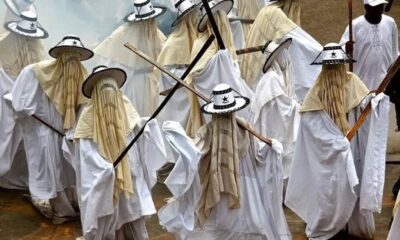
The Durbar Festival is one of the most recognized cultural celebrations in Northern Nigeria. It brings together communities, traditional rulers, and families in a public display of heritage and shared identity. During the festival, groups of horsemen ride through the streets in organized processions. The horses are decorated with colorful fabrics, beads, and ornaments, while the riders wear traditional robes and turbans that represent the customs of their emirate.
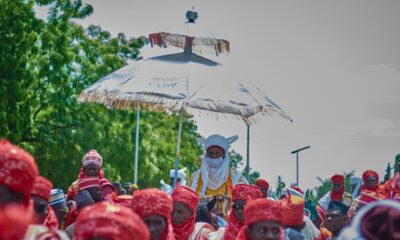
At the center of the celebration is the Emir, the traditional ruler, who leads the procession alongside palace officials, musicians, and other riders. Residents and visitors gather along the streets to watch the event, which combines ceremonial displays, traditional music, and community participation. These elements have been preserved over many generations.
From Bornu to Kano, Katsina to Zaria, the Durbar Festival serves as an important expression of Northern Nigeria’s cultural heritage. It takes place mainly during the Islamic festivals of Eid al-Fitr and Eid al-Adha, linking religious observance with cultural tradition. Today, the festival remains an important occasion that highlights leadership, community unity, and the preservation of long-standing traditions.
What Is the Durbar Festival
The Durbar Festival is a centuries-old tradition celebrated in cities across Northern Nigeria, where communities, rulers, and families come together in a vibrant display of culture, history, and social unity. At the heart of the festival are horsemen riding through the streets in carefully coordinated processions. These horses are lavishly decorated with colorful fabrics, beads, tassels, and metallic ornaments, while the riders wear intricately designed robes, turbans, and sometimes ceremonial swords that reflect the rich heritage of their city or emirate.
Central to the Durbar is the Emir, the traditional ruler of the city, who leads the procession with a presence that symbolizes continuity, authority, and a connection to generations of leadership. Behind him follow palace officials, noble families, horsemen from different districts, drummers, praise singers, and community members, all contributing to a rhythmic procession that blends pageantry with history. The music, chants, and synchronized movements of the riders create an atmosphere that is both ceremonial and deeply communal, offering spectators a window into the living culture of Northern Nigeria.
Traditionally, the Durbar coincides with major Islamic festivals, particularly Eid al-Fitr and Eid al-Adha, linking religious observance with cultural celebration. In some emirates, smaller Durbars are also held during special visits from dignitaries or to mark significant community events, demonstrating the festival’s adaptability and its role in local life.
Beyond the visual spectacle, the Durbar is a living record of Northern Nigeria’s heritage. Each procession, salute to the Emir, and musical performance carries meaning, narrating stories of loyalty, courage, faith, and community cohesion. From Bornu to Kano, Katsina to Zaria, the festival may take on different local forms, but its essence remains the same: honoring tradition, celebrating unity, and preserving a cultural legacy that continues to inspire pride and participation across generations.
Historical Origins of the Durbar Festival
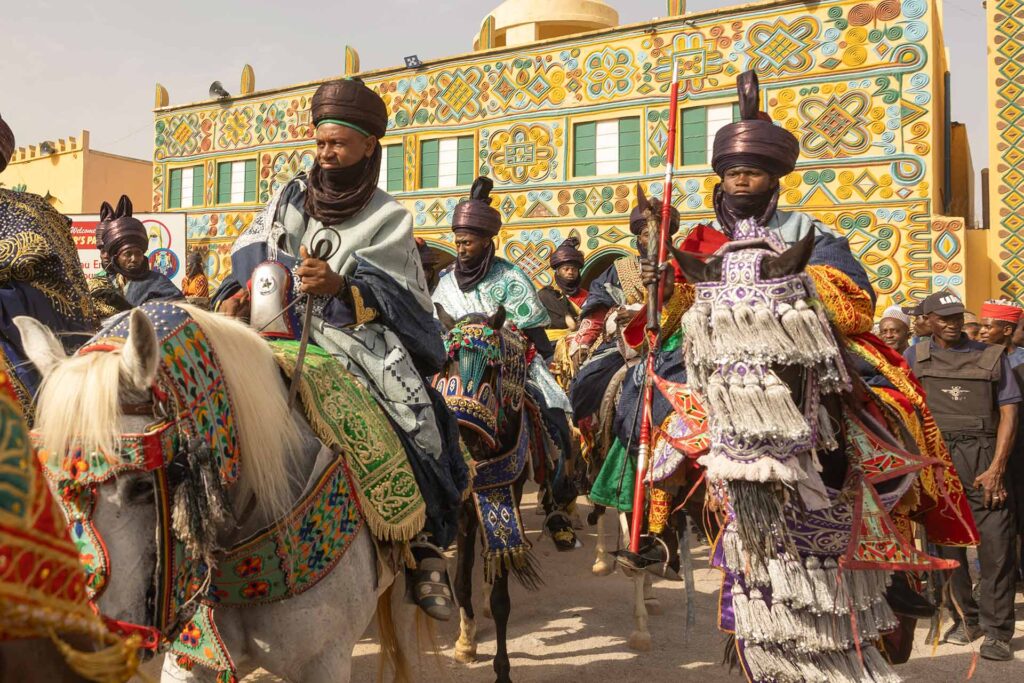
The Durbar Festival has roots that stretch back several centuries in Northern Nigeria, and emerged from the historical and political traditions of the region. Its origin is closely tied to the Hausa and Fulani emirates and the Kanem-Bornu Empire where horsemen were central to military and civic life.
Originally, these gatherings were military parades held to demonstrate the readiness and loyalty of cavalry forces to their rulers. Horsemen from different districts or clans would assemble in a way that shows discipline, coordination, and allegiance to the Emir.
Over time, these military exercises evolved into ceremonial celebrations. They became associated with religious festivals, particularly Eid al-Fitr and Eid al-Adha when communities had reason to come together in peace. What began as a show of strength and defense gradually transformed into a public expression of culture, identity, and unity.
The Durbar festival also reflects the historical importance of horses and equestrian skills in Northern Nigerian society. Horses were not only used in warfare but also in trade, travel, and status display. The decorations, regalia, and ceremonial swords seen today are inherited from these early traditions, thus connecting the modern festival to the social and political life of past generations.
In each emirate, the Durbar festival carries local nuances. For instance, Kano’s Durbar is famous for its elaborate pageantry while Bornu’s Durbar emphasizes community involvement and continuity of leadership. Despite differences, the Durbar festival consistently symbolizes loyalty to the Emir, celebration of Islamic faith, and pride in local heritage. Today, the Durbar Festival is both a living tradition and a cultural bridge that links the present-day communities of Northern Nigeria to their historical roots.
Traditions and Key Features of the Durbar Festival
The Durbar Festival is alive with traditions that have been preserved for generations which gives it a rhythm and character unique to Northern Nigeria. At the heart of the festival are the horse parades which are both ceremonial and deeply symbolic. The riders guide their horses through the streets in carefully choreographed processions with each horse draped in vibrant fabrics, beads, and ornaments. The riders wear traditional robes and turbans, and often carry ceremonial swords or flags that signal their roles and status.
A central figure in the Durbar festival is the Emir, the traditional ruler of the city or emirate. Riding at the head of the procession, the Emir represents continuity, leadership, and community unity. His appearance is often accompanied by an entourage of palace officials, noble families, and loyal horsemen. The presence of the Emir strengthens the historical link between the people and their rulers, a relationship maintained over centuries.
Music and rhythm are inseparable from the Durbar experience. Drummers, praise singers, and musicians perform alongside the horsemen to create a soundscape that guides the processions and enhances the ceremonial atmosphere. The drumming signals important moments in the parade, like salutes to the Emir or the start of a specific segment of the procession. Families and spectators often join in clapping, singing, and turning the festival into a shared cultural expression.
The Durbar Festival also features other traditions that highlight local customs. Young riders demonstrate equestrian skills inherited from previous generations, while artisans display intricately designed horse trappings and traditional garments. Children and elders alike participate in observing and narrating stories connected to past festivals, thereby making the Durbar Festival a living record of culture and history.
While each city adds its own unique flair, certain core features remain consistent, and they include horse parades, music, ceremonial gestures, and the presence of the Emir. Together, these traditions create a festival that is both a celebration of faith and a showcase of Northern Nigerian heritage aimed at bridging generations and communities in a single shared moment.
Major Durbar Festivals Across Northern Nigeria
The Durbar Festival is celebrated across several cities in Northern Nigeria. Each of the cities adds its own character while maintaining the core traditions the festival. Among the most notable are the Kano Durbar, Bornu Durbar, Katsina Durbar, and Zaria Durbar, each of which represents the unique history, leadership, and cultural expression of its community.
Kano Durbar Festival
The Kano Durbar is arguably the most famous and widely recognized of all the Durbar celebrations. Given its grandeur and historical depth, it was added to the UNESCO Representative List of the Intangible Cultural Heritage of Humanity because of its cultural significance. The festival in Kano typically takes place after Eid prayers, and extends over several days. Multiple parades, such as Hawan Sallah and Hawan Daushe feature riders from different districts, palace officials, musicians, and community members. Visitors witness a striking display of colours, music, and ceremonial homage to the Emir. All of these join to make Kano a central hub for understanding the Durbar tradition.
Bornu Durbar Festival (Borno State)
The Bornu Durbar Festival emphasizes both community participation and leadership continuity. Historically tied to the Kanem-Bornu Empire, the festival showcases riders who pay respect to the Shehu of Borno as well as celebrate the local culture. Horsemen, musicians, and families come together to observe the rituals, with a focus on connecting the present generation to centuries of tradition. Unlike the more globally recognized Kano Durbar, Bornu’s version is noted for its strong community involvement. Here, local stories, prayers, and gestures of respect form a key part of the celebration.
Katsina Durbar Festival
In Katsina, the Durbar is equally lively, though its scale is slightly smaller than that of Kano. Riders parade through the city streets following Eid prayers, showcasing traditional attire, music, and equestrian skill. The Durbar festival in Katsina highlights the history of the emirate and fosters community pride as it brings together residents and visitors to witness centuries-old rituals and performances that preserve the identity of the emirate.
Zaria Durbar Festival
Zaria’s Durbar reflects the culture of the Zazzau Emirate which emphasizes ritualistic displays, horse processions, and ceremonial homage to the Emir. Like other Durbar festivals, it combines religious observance with cultural performance to create a shared space for community celebration. While smaller in scale than Kano, Zaria’s Durbar festival maintains the core traditions of horsemanship, music, and ceremonial respect which allow the residents to experience the heritage intimately.
Each of these festivals, though unique in their local details, shares common threads – a celebration of leadership, faith, history, and community life. The Durbar Festival in Northern Nigeria is not just about the parade, it is a living connection between generations that offers a window into the rich cultural heritage of each emirate while reinforcing a sense of shared identity across the region.
When and Why the Durbar Festival Is Celebrated
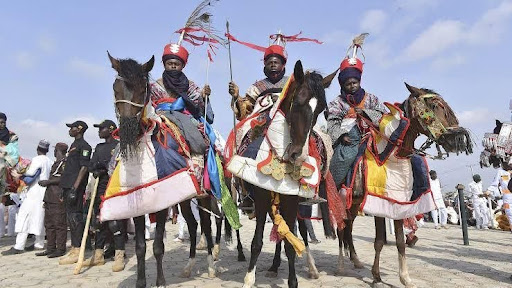
The Durbar Festival is closely tied to the Islamic calendar, and most of the celebrations take place during the two major religious festivals, namely, Eid al-Fitr and Eid al-Adha. These occasions mark significant moments in the life of Muslim communities in Northern Nigeria.
Eid al-Fitr signals the end of Ramadan which is a month of fasting, reflection, and spiritual discipline, while Eid al-Adha, also known as the Festival of Sacrifice commemorates faith, devotion, and the willingness to give. The Durbar Festival adds a cultural layer to these religious events by turning spiritual observances into communal celebrations.
During these festivals, the city streets are transformed into spaces for processions where horsemen, musicians, and community members come together to honour both tradition and faith. The parade sequences are often carefully timed, starting with morning prayers and continuing through the day with ceremonial rides, music, and salutes to the Emir. Families and visitors line the streets, as they participate in the communal experience while also observing customs that have been passed down for generations.
Beyond religious occasions, the Durbar Festival is also celebrated for community milestones and special visits from dignitaries or royal guests. In these instances, the festival serves as a demonstration of loyalty to the Emir, respect for local authority, and pride in cultural heritage. It is both a public display and a private affirmation of identity, unity, and continuity that shows how tradition continues to guide the social and cultural life of Northern Nigerian communities.
Essentially, the Durbar festival is celebrated to honour faith, preserve heritage, and strengthen community bonds. Each procession, gesture, and musical performance carries meaning that links contemporary society to centuries of history while giving everyone, from the young children to the elders a chance to participate in a shared cultural story.
Cultural Impact and Modern Significance
The Durbar Festival is not only a celebration of tradition but also a living reflection of the culture, social cohesion, and economic vitality of the Northern Nigeria. It plays a central role in preserving centuries-old customs, ensuring that horsemanship, traditional music, ceremonial attire, and community rituals continue to be practiced and appreciated by new generations. Each parade, each salute to the Emir, and every musical rhythm is a thread in the fabric of cultural memory.
The Durbar festival also strengthens community identity and unity. Residents gather along the streets to watch the horsemen, cheer the performers, and share stories of past festivals. Young people learn the skills, songs, and protocols that have been part of local life for centuries. As such, the Durbar Festival becomes a social platform where traditions, respect, and communal pride are passed down.
Modern significance of the Durbar Festival extends to tourism and economic opportunities. Cities like Kano have seen the festival attract both local and international visitors, thus boosting hospitality, artisanal crafts, and small businesses. UNESCO recognition of the Kano Durbar as intangible cultural heritage has increased global awareness and encouraged communities to maintain the authenticity of the festival while sharing it with a wider audience.
Beyond tourism, the Durbar Festival is a cultural bridge between the past and the present. It links history, faith, and community life in a way that resonates with people today. Leaders, elders, and youth alike participate, with each contributing to the continuity of a tradition that is uniquely Northern Nigerian. In a rapidly changing world, the festival remains a visible reminder of identity, heritage, and shared human experience that help to preserve the stories, values, and artistry that define the region.
How to Experience the Durbar Festival
Experiencing the Durbar Festival is both memorable and immersive. It offers visitors a chance to witness the culture of the Northern Nigeria in motion. To fully appreciate the festival, it helps to plan your visit around the two main occasions when it is traditionally held, namely, Eid al-Fitr and Eid al-Adha. These festivals mark the end of Ramadan and the Festival of Sacrifice, respectively, and provide the cultural and spiritual context that gives the Durbar its deeper meaning.
The best way to experience the festival is by positioning yourself along major parade routes, usually near the palace of the Emir or central city streets. From these vantage points, you can watch the procession of horsemen, musicians, and community groups, and observe the precision, colour, and rhythm that define the event. Arriving early allows you to see the preparation and energy of the participants, from the meticulous adornment of horses to the final touches on the traditional attire.
Respecting local customs and etiquette is important, and that calls for you to:
- Dress modestly
- Greet elders politely
- And follow any guidance from local authorities or guides.
Engaging with residents offers a richer experience, as stories, explanations, and local perspectives add depth to what you see. Photography is generally welcomed, but then, it is polite to ask permission before taking close-up shots of individuals, especially the Emir or palace officials.
For those interested in a deeper understanding, consider hiring a local guide or joining a cultural tour. Guides provide historical context, explain the significance of different processions, and highlight local variations in the festival between cities like Kano, Katsina, Bornu, and Zaria. Participating in side activities, like traditional music performances or artisan demonstrations can also enhance your appreciation of the Durbar Festival as both a cultural and social experience.
Ultimately, experiencing the Durbar Festival is about being present in the moment which involves watching centuries-old traditions unfold, listening to the music and drums, and connecting with communities who take pride in their history and heritage. It is a celebration of leadership, faith, and local identity that leaves a lasting impression on anyone who witnesses it.
In Conclusion …
The Durbar Festival is a parade of horsemen, a series of ceremonies as well as a living testament to the history, faith, and culture of Northern Nigeria. From the streets of Kano, Bornu, Katsina, and Zaria, communities gather to honour centuries of tradition, celebrate leadership, and strengthen bonds between generations. Each procession, musical rhythm, and ceremonial gesture tells a story of loyalty, identity, and shared heritage.
In today’s world, the festival continues to serve multiple roles of preserving cultural practices, uniting communities, and attracting visitors from across Nigeria and beyond. Its recognition by UNESCO affirms its significance as an intangible cultural heritage, and its enduring appeal shows how tradition can thrive alongside modern life.
Experiencing the Durbar Festival offers a window into the soul of the Northern Nigeria. It is a moment where history, culture, and everyday life come together in a colourful, meaningful, and deeply human celebration. It is a reminder that heritage is not just preserved in books or museums but lived, shared, and celebrated in the streets, through people, and across generations.
References
- https://en.wikipedia.org/wiki/Durbar_festival
- https://nico.gov.ng/durbar-festival/
- https://nigeria-del-unesco.org/durbar/
- https://www.britannica.com/place/Bornu-historical-kingdom-and-emirate-Nigeria
- https://www.thecable.ng/unesco-recognises-kanos-durbar-festival-as-cultural-heritage/
- https://ich.unesco.org/en/RL/durbar-in-kano-01895
You may want to check this out …