Igbo History & Heritage
Mbieri Town, Imo State: A Historical and Cultural Overview of an Igbo Community in Mbaitoli LGA

Mbieri is a town in Imo State with rich history, cultural life, festivals, indigenous social organization, and modern challenges. Learn about its people, traditions, economy, and contemporary identity.
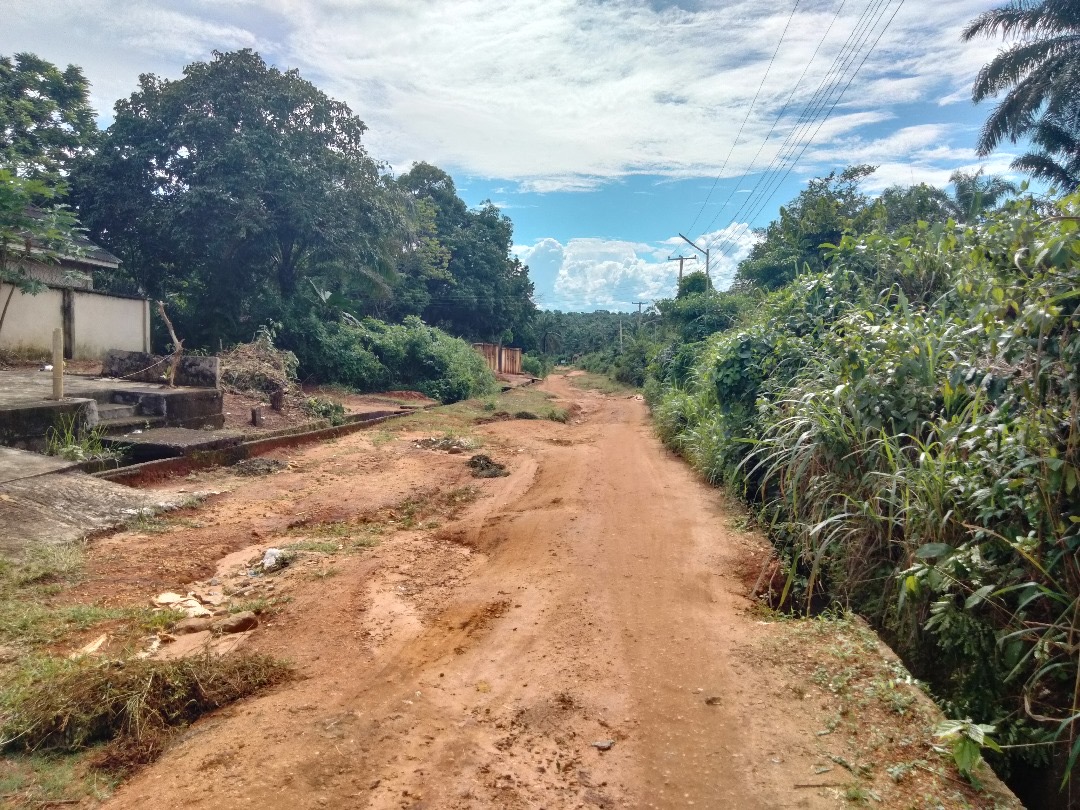
Mbieri is one of those Igbo towns whose story quietly carries the weight of history, culture, and community life in Imo State. Located in Mbaitoli Local Government Area just a short distance from Owerri, Mbieri sits at the meeting point of tradition and everyday modern life. It is a place where family ties matter, where festivals still call people home, and where memories are passed down through stories, rituals, and shared experience.
For generations, Mbieri has remained deeply rooted in Igbo customs, social organization, and communal values. Farming, festivals, village life, and respect for elders have long influenced how the people live and relate to one another. At the same time, education, Christianity, migration, and proximity to the State capital have influenced how the town has grown and adapted. These layers of the old and the new which exist side by side give Mbieri its unique character.
This article offers a historical and cultural overview of Mbieri by tracing its origins, traditions, social structure, festivals, and development over time. It explores how the people of Mbieri understand who they are, where they come from, and what continues to hold the community together. Through history, culture, and lived experience, Mbieri emerges as a living example of the Igbo identity in Mbaitoli LGA and Imo State.
Location and Geographical Setting of Mbieri
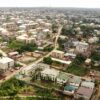
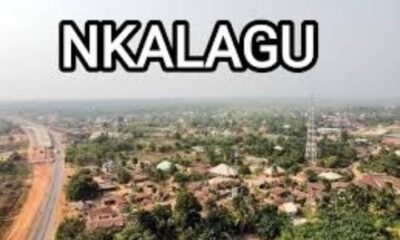
Mbieri is located in southeastern Nigeria, within Mbaitoli Local Government Area of Imo State. It lies just outside Owerri, the Imo State capital at a distance of roughly eight kilometers. This close proximity places the town within the wider Owerri urban influence while allowing it to retain the character of a traditional Igbo town. Many residents move easily between the town and Owerri for work, education, trade, and social life, thus making the town both connected and distinct.
Geographically, the town sits in the lowland rainforest zone typical of much of southeastern Nigeria. The area experiences two main seasons, the rainy season and the dry season with rainfall supporting farming throughout much of the year. The land is generally fertile, a factor that has supported agriculture for generations and helped to sustain early settlement in the area. Cassava, yam, maize, and vegetables grow well in the soil, and farming remains an important part of everyday life.
Mbieri shares boundaries with several neighbouring communities in Mbaitoli and surrounding areas. These include towns such as Iho, Akabo, and Umuoba, among others. These shared borders have encouraged long-standing interaction through marriage, trade, festivals, and communal relations. Movement between the community and neighbouring towns has always been part of daily life which reinforces cultural similarities across the Mbaitoli region.
The physical layout of Mbieri is made up of multiple villages and settlements spread across the landscape, and connected by local roads and footpaths. Over time, these villages developed into recognized autonomous communities with each maintaining its identity while belonging to the larger town. Natural features such as farmlands, streams, and forested areas historically influenced settlement patterns and economic activity.
The location of Mbieri has also played a role in its gradual transformation. Being close to Owerri has increased access to education, markets, and modern services while also bringing pressure from urban expansion. Even with these changes, the town remains rooted in its geographical setting where land, farming, and community space continue to shape how people live and relate to one another.
Origins and Early History

The early history of Mbieri is rooted in the wider settlement patterns of the Igbo people of central Imo State. Mbieri is an ancient Igbo community within present-day Mbaitoli Local Government Area, and its origins are preserved mainly through oral tradition rather than written historical records. Like many old Igbo towns, it did not emerge from the migration of a single named ancestor. Instead, the town developed gradually through the settlement of related Igbo lineages across different areas of the land.
Historical accounts passed down within families and villages indicate that early settlers chose the area because of its fertile soil, access to water, and forest resources that supported farming and daily life. Over time, these early settlements expanded into villages and kindreds, each maintaining its own ancestral memory and lineage history. This village-based pattern of settlement explains why Mbieri does not have a single, widely recognized progenitor shared by the entire town.
Before the colonial rule, Mbieri functioned as a group of autonomous villages linked by shared culture, language, and kinship ties. Governance was handled through family heads, councils of elders, and age grades rather than centralized authority. Community decisions were made collectively with emphasis on seniority, consensus, and customary law. This system allowed the town to maintain social order and continuity long before the introduction of modern administrative structures.
The early history of Mbieri is also marked by close interaction with neighbouring towns within the Mbaitoli area. Trade, intermarriage, shared festivals, and boundary agreements created lasting relationships that placed the community firmly within the social network of Igboland. These interactions strengthened cultural similarities while preserving village identity.
The arrival of the British colonial administration in the early twentieth century brought Mbieri into written historical records. The community was incorporated into the Owerri division, and later, into Mbaitoli administrative arrangements. While colonial rule introduced new systems of governance and taxation, its traditional social structure remained influential at the village and family levels.
Today, the early foundations of Mbieri continue to shape community life. Ancestral land, village identity, and kinship ties remain central to how the people understand their past and define their place within Imo State and Igboland.
Social Structure and Traditional Organization
The social structure of Mbieri is rooted in the traditional Igbo system of kinship, village life, and shared responsibility. Long before the introduction of formal local government administration, the town functioned as a network of villages and kindreds bound together by ancestry, custom, and mutual obligation. This system created order, guided behaviour, and supported community life across generations.
Mbieri is made up of several villages, and each has its own families and kindred groups. These villages later evolved into recognized autonomous communities such as Amaike, Awo, Ezi, Ihitte Isi, Obazu, Obi, and Umueze. While each autonomous community maintains its identity and local leadership, all remain part of the larger Mbieri town and share cultural ties and collective memory.
At the heart of the traditional organization in Mbieri is the family unit. Extended families live in close proximity, often on ancestral land passed down through generations. The eldest male in a family traditionally serves as the family head, and is responsible for representing the household in village affairs, settling internal disputes, and overseeing family rituals and obligations. Respect for age and lineage plays an important role in maintaining harmony.
Beyond the family level, councils of elders guide village affairs. These councils consist of respected men chosen based on age, character, and experience rather than wealth or political power. Elders oversee community decisions, land matters, customary law, and conflict resolution. Their authority is moral and social, rooted in trust and tradition rather than force.
Age grades also form an important part of Mbieri traditional organization. Members of the same age group work together to carry out community tasks such as road clearing, public works, and festival preparations. Age grades promote cooperation, discipline, and a sense of shared responsibility, especially among the younger members of the community.
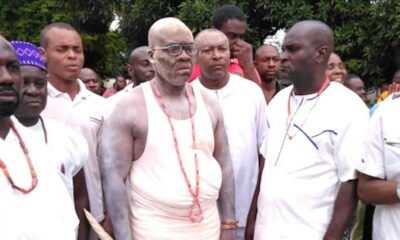
Traditional leadership in Mbieri did not follow a centralized kingship system in the precolonial period. Authority was distributed across families, elders, and village assemblies. With time and administrative changes, the institution of traditional rulers became more formalized under colonial and postcolonial governance. Today, traditional rulers and town unions work alongside elected local government structures to manage community affairs and represent the town in wider political spaces.
Despite modern influences, the social structure of the town remains active in everyday life. Family ties, village identity, and communal decision-making continue to guide social interaction. Through this system, Mbieri has preserved a strong sense of belonging, continuity, and collective responsibility that remains central to its identity in Mbaitoli Local Government Area.
Cultural Practices and Belief Systems
The people of Mbieri have a rich cultural life that reflects both traditional Igbo values and adaptations to modern life. Like many Igbo communities, the town places high importance on family, community, and moral conduct. These values guide social behaviour, rituals, and daily interaction that shape how people live and relate to one another.
Historically, the residents practiced indigenous religious systems centered on ancestral reverence, deities, and natural spirits. Families and villages maintained shrines or sacred spaces where they offered prayers, sacrifices, or libations to ensure peace, prosperity, and protection. Specific deities were associated with farming, fertility, or communal wellbeing as a reflection of the integration of spiritual life with everyday survival and social order.
Festivals, rituals, and moral codes were often tied to these beliefs. Community members observed taboos and moral expectations, and reinforced respect for elders, the environment, and communal norms. Marriage, birth, and death rituals were conducted with attention to both spiritual guidance and social cohesion as a way of creating continuity between past and present generations.
The arrival of Christianity in Mbieri introduced new religious practices which gradually became dominant. Today, most residents identify as Christians, belonging to a variety of denominations including Catholic, Anglican, and Pentecostal churches. Churches have become central to social life, hosting gatherings, education programmes, and community events while often blending with traditional cultural practices in a respectful and symbolic way.
Even with the shift to Christianity, elements of traditional culture continue to influence everyday life. Naming ceremonies, family gatherings, and respect for age grades and elders remain rooted in Igbo custom. Proverbs, folktales, and storytelling carry lessons about morality, hard work, and communal responsibility. As such, Mbieri maintains a unique cultural identity that harmonizes indigenous practices with contemporary beliefs by connecting past generations to the present while guiding the social and moral life of the town.
Festivals, Masquerades, and Cultural Expressions


Festivals in Mbieri are living celebrations of community life, heritage, and seasonal rhythms. They bring the people together in shared joy, remembrance, and cultural expression. These events carry centuries‑old traditions, even as they adapt to the rhythms of contemporary life. They are not mere performances, rather, they are gatherings where history, identity, and social bonds come alive.
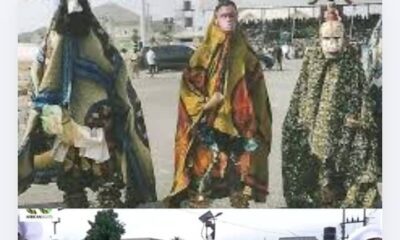
One of the most widely recognized cultural celebrations in Mbieri is the Okorosha Festival. Okorosha takes place during the dry season, often in December when the people return home from cities, schools, and workplaces to be with family. This festival is known for its striking masquerade displays, music, and dance.
Masquerades in Igbo tradition represent spiritual forces and ancestors. They move through the streets in colourful regalia accompanied by drummers and dancers as they perform rhythms that echo older cultural patterns. In Mbieri, Okorosha is both a time of cultural pride and a homecoming for the sons and daughters who live outside the community. It is a moment the community watches, laughs, remembers, and rejoices together.
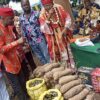
Another cultural celebration in Mbieri is the Emume Azu, or Fish Day festival observed especially in areas like Obazu. Emume Azu centres on fish‑based meals, social dancing, and shared laughter. While it may appear like a communal feast, its deeper meaning lies in communal unity and gratitude for life’s abundance. Members of the community gather to honour the harvest, share food, and renew friendships with neighbours, elders, and visitors. Such festivals remind everyone that community is experienced through shared tables and shared stories.
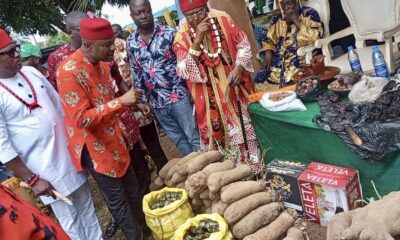
In parts of Mbieri, particularly Ihitte, the Iri‑ji Festival celebrates the yam harvest. Yam has symbolic importance across Igbo culture and stands for life, labour, and sustenance. Iri‑ji brings together the young and the old to offer thanks for the season’s crops, partake in traditional meals, and participate in dance and music. Music in these festivals comes from traditional instruments such as ogene, udu, and udu‑onwa to create rhythms that link the present celebration with ancestral soundscapes.
Beyond these named festivals, Mbieri cultural expression appears in everyday life. Weddings, naming ceremonies, and age‑grade gatherings all carry elements of Igbo performative tradition. Dance, song, and costume are woven into these moments to signal social transitions and shared values.
Masquerades in Mbieri are not solely for entertainment. They connect community members to stories that span generations. They arise out of collective memory and perform lessons about respect, courage, and connection to the ancestors. Whether in the drum beats that fill the village squares or the laughter of children watching dancers move with spirited steps, cultural expression in the community is a living thread that unites the past and the present.
These festivals and expressive forms are important for both the residents and the Mbieri diaspora as they reaffirm identity, spark conversation across generations, and provide spaces where belonging is felt as much as it is seen and heard. In Mbieri, cultural expressions are not relics of the past. They are ongoing celebrations of life, land, community, and shared history.
Economy and Traditional Occupations
The economy of Mbieri has long been rooted in agriculture which reflects both the fertility of the land and the traditions of its people. Farming remains a central occupation, with cassava, yam, maize, vegetables, and other staple crops grown in family plots and communal farmlands. These crops serve as both food for households and goods for local markets, and as such, sustain livelihoods and contribute to the wider economy of Mbaitoli Local Government Area.
Many families in Mbieri practice subsistence farming, that is, cultivating enough to feed themselves and selling the surplus in nearby markets. Over time, some residents have expanded into small-scale trade, craftsmanship, and animal husbandry to diversify income sources. Local markets in Mbieri and neighbouring towns are vibrant hubs where farm produce, crafts, and everyday goods are exchanged. These markets not only support economic activity but also reinforce social connections as neighbours, traders, and visitors interact daily.
Fishing is another traditional occupation in areas with access to rivers or streams, particularly among communities like Obazu. Fish provides both nutrition and a source of income, especially during festivals like Emume Azu when fish plays a central cultural and culinary role.
Artisanal crafts, including weaving, carving, and pottery have historically supplemented farming. Though modernization has reduced reliance on these crafts for survival, they continue as cultural expressions and occasional sources of income. Traditional skills are often passed down within families in order to preserve both craft techniques and community identity.
Education and urban migration have also shaped the economy. Many of the younger residents pursue work in Owerri, other Nigerian cities, or abroad. Remittances from these urban and international workers contribute to household incomes and community development, thus providing funds for school fees, building projects, and small business investments.
In contemporary times, Mbieri balances traditional occupations with modern economic opportunities. Agriculture remains central while trade, crafts, and urban employment complement it. The economy of the town reflects both the resilience of customary livelihoods and the adaptive strategies of a community responding to modern challenges, all while maintaining strong cultural and social cohesion.
Colonial and Post-Colonial Experiences
Mbieri, like many communities in southeastern Nigeria experienced significant changes during the colonial period. Before the arrival of the British, it operated under a decentralized system of governance. Authority was managed through family heads, councils of elders, and age grades. Social order, land allocation, and dispute resolution were guided by customary law, oral traditions, and communal consensus.
With the arrival of the British colonial administration in the early twentieth century, Mbieri was incorporated into the Owerri division and later, became part of Mbaitoli Local Government Area. Colonial officials introduced indirect rule which relied on local elders and community leaders to implement policies, collect taxes, and maintain order. This system brought some administrative formalization but largely preserved its traditional structures at the village and family levels.
Colonial influence also affected the economy, education, and religion. Taxes and the introduction of cash crops encouraged some residents to expand farming beyond subsistence needs. Missionary activities brought Christianity to the area, and established churches and schools that gradually transformed social life. Formal education introduced new opportunities while also challenging certain traditional practices.
After Nigeria gained independence in 1960, Mbieri continued to experience social and political changes. The Nigerian Civil War affected many southeastern communities, including Mbieri. Though specific records of the experiences of the town are limited, oral accounts suggest that families endured disruption and displacement, as did many neighbouring communities. Post-war recovery involved rebuilding homes, re-establishing schools, and restoring farmland.
In the decades that followed, Mbieri adapted to post-colonial governance structures which integrated traditional leadership with local government administration. Town unions and autonomous community councils now work alongside elected officials to manage development projects, resolve disputes, and coordinate festivals. These arrangements allow the town to maintain its cultural heritage while participating in modern State governance.
Today, the legacy of colonial and post-colonial experiences is visible in its blend of traditional customs and modern institutions. Education, religion, local administration, and market life reflect both continuity and adaptation.
Education, Religion, and Modern Development
Education has become a cornerstone of life in Mbieri that defines both individual opportunities and community growth. Over the decades, the town has embraced formal schooling alongside traditional knowledge systems. Primary and secondary schools serve children from the town and neighbouring communities, and offer a foundation in literacy, numeracy, and modern skills. Many families see education as a way for the younger generation to access better opportunities in Owerri, other Nigerian cities, or even abroad.
Religion plays a central role in the social and cultural life of the town. Christianity dominates with denominations including Catholic, Anglican, and Pentecostal churches present throughout the town. Churches are more than places of worship. They are community centres where residents gather for meetings, social programmes, and celebrations. Religious practice often blends with traditional values such as respect for elders and communal support in a way that creates a unique balance between faith and heritage.
Modern development in Mbieri has been gradual but noticeable. The town benefits from proximity to Owerri which provides access to markets, healthcare facilities, and employment opportunities. Roads connecting Mbieri to neighbouring towns facilitate trade and mobility, although some local routes still face challenges such as erosion and seasonal damage. Efforts by town unions and local government aim to improve infrastructure and access to essential services.
Technology and urban migration have also influenced modern life in Mbieri. Mobile communication, internet access, and exposure to urban culture have expanded social and economic possibilities. At the same time, families maintain strong connections through festivals, naming ceremonies, and village gatherings, thereby preserving the communal and cultural fabric that defines Mbieri.
Despite modernization, Mbieri retains its traditional rhythm. Farming continues alongside education and trade. Cultural events like the Okorosha Festival and Iri-ji yam celebration remain central to community identity.
These combined influences show that Mbieri is navigating the balance between preserving heritage and embracing contemporary development, thus creating a town that is both rooted in history and engaged with the modern world.
Notable Sons and Daughters
Mbieri has produced individuals who have contributed to political leadership, community development, and local pride. While not all have national profiles, many sons and daughters of the community have made meaningful impacts within Imo State and beyond.
Prince Ezeakonobi Madumere is one of the most widely recognized figures associated with Mbieri. He has served as the Deputy Governor of Imo State and is respected for his work in politics, public service, and community development. Born into a royal family from Achi, his career spans management consulting, entrepreneurship, and governance. His leadership has earned him influence in State politics and development circles in Imo State.
Within the Mbieri community and Mbaitoli Local Government Area, Chief Sir Onyewuchi Asinobi, popularly known as the “Mayor of Mbieri,” is celebrated for his local leadership and community service. He is often mentioned in connection with development initiatives such as road rehabilitation and civic projects that support mobility and economic activity in the area.
Beyond formal politics and traditional leadership, Mbieri also honours its community servants and business figures. For example, Oswald Okebata has received local recognition for his commitment to community service and was honoured with an ambassadorial award by a church congregation in the community for his role in promoting family values and civic responsibility.
Many other residents of Mbieri participate actively in local governance, business, civic organizations, and cultural leadership. Although not all of these individuals have widespread national profiles, their contributions help to sustain community cohesion, support development, and maintain pride in its heritage.
Together, these notable sons and daughters reflect the civic spirit, cultural engagement, and leadership that continue to shape the presence of the town within Imo State and Nigerian society.
Mbieri in Contemporary Times
Today, Mbieri is a community that balances tradition with modern life. The town continues to thrive as part of Mbaitoli Local Government Area while facing the challenges and opportunities of the 21st century.
Agriculture remains central to everyday life, with families continuing to farm cassava, yam, maize, and vegetables. However, modern economic activities such as small-scale trade, craftsmanship, and service-based work have also grown, particularly among the younger residents. Many people travel to Owerri, other Nigerian cities, or even abroad for work and education, and then, send remittances back to support families and local development projects. These contributions help to fund school fees, household needs, and communal initiatives, creating a network of local and diaspora support.
Cultural life continues to thrive in Mbieri. Festivals like Okorosha, Iri-ji, and Emume Azu remain key events that unite the natives across villages and generations. These celebrations preserve cultural knowledge, reinforce communal bonds, and provide opportunities for younger people to connect with their heritage. Masquerades, traditional music, dance, and storytelling are central features that ensure that the identity of the town remains vibrant even as modern influences increase.
Infrastructure and public services in Mbieri are gradually improving but still face challenges. Issues such as erosion, road deterioration, and inconsistent access to electricity and healthcare affect some parts of the community. Residents and town unions actively appeal to local and state authorities for development.
Education continues to influence the present and future of the town. Schools provide foundational learning while encouraging students to pursue higher education and vocational skills. Churches and religious institutions play active roles in social life by offering moral guidance, community programmes, and platforms for youth engagement.
The residents have also embraced technology and urban influence without losing connection to their roots. Mobile phones, internet access, and social media connect families locally and in the diaspora while traditional festivals, village meetings, and family gatherings preserve the communal fabric.
In essence, contemporary Mbieri is a town where history, culture, and modernity intersect. It is a community that values education, respects tradition, embraces economic opportunities, and nurtures cultural expression. Mbieri today stands as an example of a resilient Igbo town that continues to maintain its identity while engaging with the wider world.
In Conclusion …
Mbieri stands today as a vibrant example of an Igbo town that balances history, culture, and modernity. From its early settlement by related Igbo lineages to its village-based social structure, it has preserved traditions that shape identity, community life, and moral values. Festivals, masquerades, and cultural expressions continue to unite residents across generations while agriculture, trade, and modern occupations sustain its economy.
Colonial and post-colonial experiences introduced new governance systems, education, and religion. Even at that, Mbieri has retained its communal values, respect for elders, and strong family ties. Contemporary life in the town reflects this continuity – the residents embrace education, technology, and urban opportunities, while still honouring cultural heritage through festivals, village gatherings, and local markets.
The notable sons and daughters, community leaders, and active town unions demonstrate civic engagement and contribute to local development. Landmarks, from village squares to festival grounds to the rivers show that the most significant treasures of the town are its living traditions and communal spaces.
In essence, Mbieri is a story of resilience, identity, and cultural richness where the past and present coexist, guiding the community toward a future that honours its heritage while embracing progress. This makes it a unique and enduring part of Igboland and a town worth understanding, visiting, and celebrating.
References
- https://en.wikipedia.org/wiki/Mbieri
- https://en.wikipedia.org/wiki/Mbaitoli
- https://eajournals.org/wp-content/uploads/Impact-of-Deforestation-On-Rural-Livelihood-in-Mbieri-Imo-State-Nigeria.pdf
- https://www.ajol.info/index.php/ijdmr/article/view/79304
- https://ozikoro.com/the-okorosha-festival-of-mbieri-a-thrilling-celebration-of-igbo-spirit-and-tradition/
- https://nnewicity.com/okorosha-festival-heritage-mbieri-people/
- https://www.imonews.ng/2021/01/obazu-mbieri-community-celebrates-fish.html
- https://www.nigerianewspoint.org/2025/10/03/ihitte-mbieri-community-celebrates-2025-iri-ji-cultural-festival/
- https://guardian.ng/news/imo-community-laments-absence-of-infrastructure-appeals-to-buhari-uzodimma/
- https://ekweanaedonews.com/umuoyeali-mbieri-community-battered-by-erosion-abandoned-by-imo-government-for-more-than-a-decade/
- https://en.wikipedia.org/wiki/Prince_Madumere
- https://www.imonews.ng/2022/12/excitement-in-mbaitoli-east-as-mayor-of.html