


Igbo History & Heritage
Ngor Okpala, Imo State: 12 Things You Must Know About This Vibrant LGA

Ngor Okpala is a local government area in Imo State with rich culture, diverse communities, farming heritage, and strategic location. Learn its history, people, economy, challenges and more.
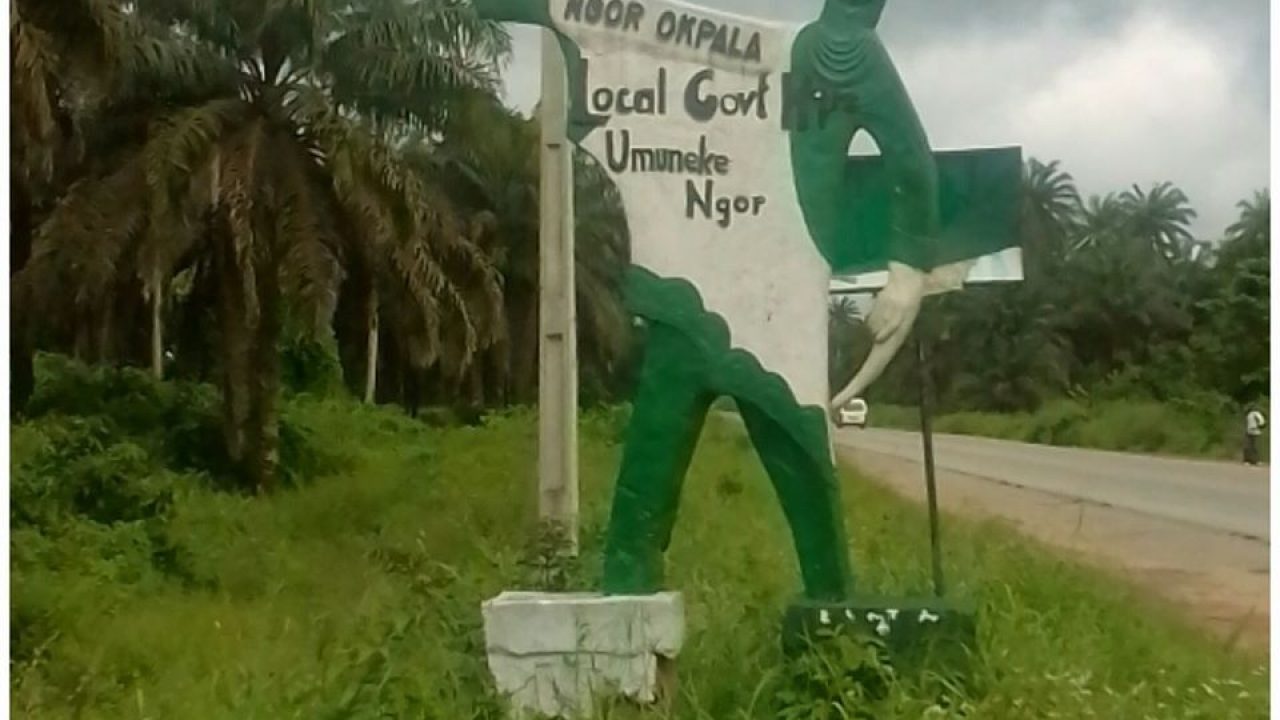
Ngor Okpala which is situated in the heart of Imo State is a local government area where tradition meets everyday life; bustling markets sit alongside quiet villages; and culture and community shape the rhythm of daily living.
From its rich farming lands to vibrant festivals, Ngor Okpala tells the story of a people who are hardworking, proud, and deeply connected to their roots.
Whether you are curious about its history, planning a visit, or simply exploring the diversity of Imo State, learning about Ngor Okpala gives you a window into a world that is both lively and grounded.
Here, we will uncover twelve things you must know about Ngor Okpala, from its communities and culture to its economy and modern life.
Where Ngor Okpala Is Located?
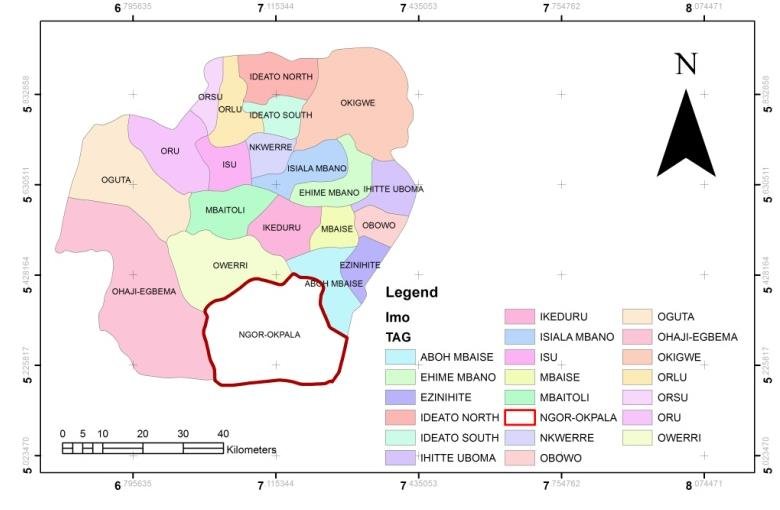
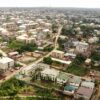
When you first hear about Ngor Okpala, you might picture a quiet town or a single village. In reality, Ngor Okpala is one of the largest local government areas in Imo State, Nigeria. It sits in the south‑eastern part of Nigeria and covers a wide area of rural and semi‑urban communities that stretch over about 561 square kilometres.
Its administrative centre is the town of Umuneke Ngor, a place many people recognize as the hub where local leaders and community activities come together.
Its location gives it unique importance. The area borders other key parts of Imo State such as Ihiagwa and Owerri, and it serves as a connection point to neighbouring States like Abia and Rivers. This road network has helped the area to remain lively because travellers, traders, and workers often pass through the area on their way to other parts of the southeast.
The people who live here are mostly members of the Igbo ethnic group, thus bringing a shared language and cultural life that weaves through daily life in towns and villages.
The position of Ngor Okpala where tradition and opportunity meet makes it an area that matters both to the locals and to anyone interested in understanding the different ways of life across Imo State.
A Short History of Ngor Okpala
Ngor Okpala has a history that stretches back long before it became a recognized local government area. Its story begins with early Igbo settlers who established small villages across the fertile lands of what is today southeastern Nigeria. Among these villages was Okpala which, over time, became the name associated with the wider area. The communities were part of a larger cultural grouping called Ama-Asaa known for close-knit family ties, farming, and communal living.
During the colonial period, the administrative importance of these villages grew. British authorities began organizing local governance around key settlements, and Okpala gradually became a recognized hub for administration and trade. After Nigeria gained independence in 1960, the region continued to develop, and Ngor Okpala was officially designated as a Local Government Area in Imo State, encompassing multiple towns and villages under a single administrative framework.
Throughout its history, the people have maintained their traditions and cultural practices. Farming, festivals, and community ceremonies remained central to daily life, even as modern institutions like schools, markets, and local government offices were established. This blend of heritage and development gives Ngor Okpala its unique character today as a place where history is alive in the lives of the people, the layout of the towns, and the rhythm of communal life.
Communities and Villages in Ngor Okpala
Ngor Okpala does not comprise just one town. It is a collection of vibrant communities and villages, each with its own identity, traditions, and role in the life of the local government area. The LGA is home to over 40 towns and villages spread across its 561 square kilometres which makes it the largest local government area in Imo State by land mass.
Some of the most prominent communities include Umuowa, Obiangwu, Ntu, Alulu, Eziama, Ohekelem, Nguru, Umuhu, and Umuneke Ngor where the local government headquarters is located. Each community has its own traditional leadership and plays a specific role in agriculture, trade, and cultural life
These communities are linked by both roads and family ties. Markets, festivals, and farming activities create a sense of unity across the villages. For instance, Umuowa and Obiangwu are known for their busy weekly markets which attract traders from other parts of Imo State. Meanwhile, smaller villages like Imerienwe and Elelem maintain a strong sense of local tradition as they host ceremonies and festivals that date back to generations.
Life in these villages is shaped by a combination of agriculture, trade, and cultural practices. Families often farm their land together, and the harvest season is a time for communal celebration. Traditional leadership structures still guide local decisions, even as modern government offices and schools operate across the area. The result is a rich tapestry of communities that makes Ngor Okpala both diverse and tightly connected.
Language and Cultural Life
The people of Ngor Okpala are predominantly Igbo, one of Nigeria’s major ethnic groups. Igbo language is widely spoken in daily life. Even in modern settings like schools, markets, and offices, Igbo remains the language of conversation in homes and local gatherings.
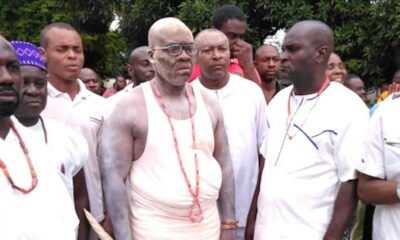
Cultural life in Ngor Okpala is rich and visible in everyday activities. Traditional practices, including marriage ceremonies, naming rites, and elder councils play a key role in guiding social behaviour and maintaining community cohesion. Christianity is the main religion, and churches are central to social life as they provide both spiritual guidance and venues for communal gatherings.
Despite the influence of modernity, many festivals and local traditions remain strong. Music, dance, and storytelling are part of celebrations, particularly during the New Yam Festival where communities honour the harvest and give thanks for the year’s bounty. These cultural practices offer visitors a glimpse into the values and heritage of the people of Ngor Okpala.
Language and culture are inseparable in the area. Igbo language not only facilitates communication but also carries the history, wisdom, and identity of the people. Through storytelling, songs, proverbs, and communal events, each generation learns the customs and traditions that have been passed down for centuries. This connection between language and culture gives Ngor Okpala a distinct character that is both welcoming and deeply rooted in heritage.
Festivals and Traditional Celebrations
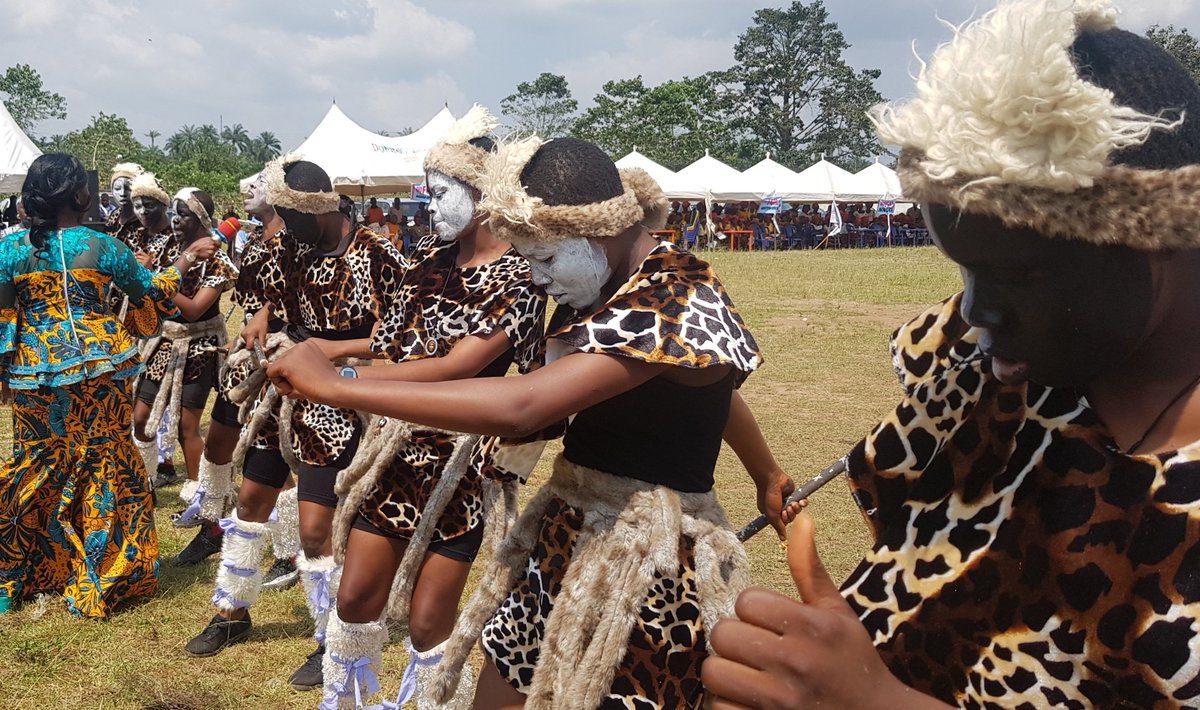
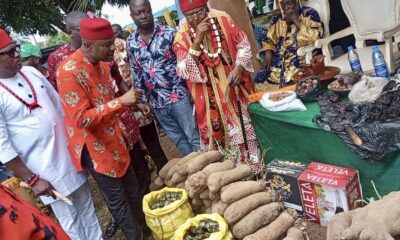
Festivals are an important part of life in Ngor Okpala because they serve as moments of celebration, community bonding, and cultural expression. Among the most prominent is the New Yam Festival. This festival takes place annually, usually in August, and marks the end of the harvest season. It is a time the communities give thanks to the earth for a bountiful harvest of yams. During the New Yam Festival, families gather to cook, share, and offer yams to the gods and ancestors while traditional music and dances fill the air.
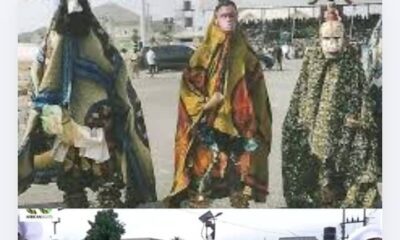
Another key celebration is Masquerade Festivals. Masquerades in Ngor Okpala are a central part of cultural life and usually occur during special community occasions or during annual festivals. Participants wear intricate masks and costumes representing ancestral spirits, and perform dances and theatrical displays that both entertain and convey moral or historical messages. These masquerades bring together the young and the old in a way that reinforces a shared cultural identity.
In addition, communities often observe Marriage and Naming Ceremonies with grand celebrations. Even though these are personal events, they often include traditional dances, music, and communal feasting as a reflection of the values of togetherness and family in Ngor Okpala. For example, a bride’s family and groom’s family will host extended family, friends, and neighbours for several days of events.
These festivals and celebrations are not only entertaining, they serve as living archives of history and culture. They teach the younger generations about respect, community responsibilities, and the spiritual connections that have guided Ngor Okpala for centuries. Visitors who attend these events gain firsthand insight into the richness of Igbo traditions and the vibrant life of this LGA.
The Economy and How People Earn a Living
The economy of Ngor Okpala is largely rooted in agriculture which has sustained the people for generations. The fertile land supports the cultivation of staple crops such as yams, cassava, maize, vegetables, and oil palm. Families often farm their own plots not just to feed themselves but to sell surplus produce at local markets. Farming remains the backbone of the LGA that shapes the daily routines and seasonal life in the communities.
Trade is another key economic activity. Weekly markets like Umuowa Market, Logara Market, and Amala Market serve as hubs where farmers, traders, and artisans converge. These markets are not just places to buy and sell goods, they are central to social life. People exchange news, make business connections, and share cultural experiences, all while contributing to the local economy.
Small-scale businesses also thrive in Ngor Okpala. Shops, palm oil processing units, cassava mills, carpentry, and tailoring provide jobs and income for many residents. Youth and women often run these enterprises, thus creating a dynamic economic environment that balances tradition with modern needs.
While large industries are limited, the combination of agriculture, trade, and small businesses ensures that communities remain self-sufficient and resilient. The economy of Ngor Okpala reflects the resourcefulness of its people and their ability to adapt while preserving traditional ways of earning a living.
Education in Ngor Okpala
Education is a cornerstone of life in Ngor Okpala where families value learning as a pathway to growth and opportunity. The local government area is home to a variety of primary and secondary schools that serve children across its many communities. These institutions provide a foundation in literacy, numeracy, and essential life skills that prepare students for higher education or vocational pursuits.
One notable school in the area is the Secondary Commercial School in Umuneke Ngor which offers academic programmes alongside practical courses in business and vocational skills. In addition to formal education, many communities emphasize informal learning through mentorship, apprenticeships, and cultural teachings that complement classroom instruction.
Schools in Ngor Okpala often serve as community hubs where events, meetings, and cultural activities that strengthen the bonds between students, parents, and local leaders are hosted. Despite challenges such as limited resources or infrastructure, families in the area continue to prioritize education with the understanding that knowledge is a gateway to personal development and wider opportunities beyond the LGA.
By combining modern education with traditional values, Ngor Okpala nurtures a generation that respects its heritage while being equipped to navigate the broader world. This commitment ensures that the community remains vibrant, resilient, and forward-looking.
Roads and Infrastructure Challenges
Life in Ngor Okpala is shaped not only by its communities and culture but also by the state of its infrastructure. Roads, in particular play a crucial role in connecting villages, markets, schools, and healthcare facilities. Unfortunately, many parts of the area face infrastructure challenges, especially with road conditions. Heavy rainfall often worsens unpaved or poorly maintained roads, making travel between communities difficult during the rainy season.
The condition of the roads directly affects daily life. Farmers transporting yams, cassava, and other produce to markets often struggle with long, rough journeys. Students commuting to schools may face delays while access to healthcare can be hindered in emergencies. Residents frequently call for government intervention to repair, upgrade, and maintain key roads with emphasis on the fact that better infrastructure will boost trade, education, and overall quality of life.
Despite these challenges, the people remain resilient. Communities often organize local initiatives to maintain smaller paths and critical routes. Government plans and community advocacy continue to highlight the urgent need for sustainable infrastructure development which would unlock the full potential of Ngor Okpala for economic growth and social advancement.
Places of Interest and Travel Spots

While Ngor Okpala is primarily known for its vibrant communities and agricultural life, it also offers points of interest for visitors and residents alike. One of the most notable landmarks is the Sam Mbakwe International Cargo Airport located within the LGA. This airport not only serves cargo and domestic flights but also connects Ngor Okpala to other parts of Imo State and Nigeria.
For those interested in local culture, community markets like Umuowa Market and Amala Market provide a glimpse into the daily life of the residents. These markets are lively spaces where traders sell fresh produce, crafts, and household goods. Visitors can experience the vibrancy of local trade, taste traditional foods, and observe cultural interactions that have been part of the community for generations.
The rural landscapes of the LGA offer another form of attraction. Rolling farmland, small rivers, and open spaces provide opportunities for nature walks and exploration. Some communities maintain traditional shrines and ceremonial grounds which are often used during festivals and masquerade events. These sites serve as living reminders of Ngor Okpala’s cultural heritage that blends natural beauty with rich history.
Although Ngor Okpala may not yet be a mainstream tourist destination, its combination of strategic infrastructure, cultural events, and scenic rural life makes it a rewarding place for visitors seeking to understand both the modern and traditional aspects of southeastern Nigeria.
Modern Life in Ngor Okpala Today
Life in Ngor Okpala today is a blend of tradition and modernity. While many residents continue to farm the fertile lands that have supported generations, modern occupations such as trading, teaching, and small businesses are increasingly common. Young people often travel to nearby towns and cities such as Owerri to pursue higher education, employment, and entrepreneurial opportunities while still maintaining strong ties to their home communities.
Churches and religious organizations play a central role in daily life. Most communities are Christian, with Catholic, Anglican, and Pentecostal churches providing not only spiritual guidance but also social support and spaces for community programmes. Schools, local markets, and community centres continue to serve as hubs for interaction, education, and commerce in ways that keep the social fabric of Ngor Okpala vibrant.
Modern utilities such as electricity and telecommunications have improved access to information, business opportunities, and entertainment, though challenges remain in some rural areas where infrastructure is limited. Internet access and mobile connectivity allow residents to engage with the wider world, even though the local traditions and cultural practices remain strongly observed.
Festivals, masquerades, and communal events remain important. They provide continuity between the past and the present, thereby allowing the younger generations to celebrate their heritage while navigating a changing world. Modern life in Ngor Okpala is, therefore, a careful balance of respecting traditions, embracing education and technology, and maintaining strong community bonds.
Notable People from Ngor Okpala
Ngor Okpala has produced several individuals who have made their mark in music, film, and broader cultural life in Nigeria and beyond. Their stories show how this local government area has influenced arts and public life both locally and nationally.
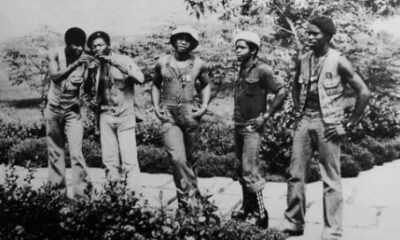
One of the most celebrated voices to come from Ngor Okpala is Godwin Opara, popularly known as Kabaka. Kabaka was a pioneer of Igbo highlife music and one of the founding members of the Oriental Brothers International Band, a group that helped to define modern Nigerian music in the 1970s. Born in Imerienwe, Ngor Okpala, Kabaka went on to release numerous albums as a solo artist and earned deep respect in the music world before his passing in 2024.
In the world of film and entertainment, Enyinna Nwigwe stands out as a Nollywood actor and producer born in Obiangwu, Ngor Okpala. He has appeared in well‑known films such as The Wedding Party 2 and Black November, and has gained recognition both within Nigeria and on global screens.
Another highly notable figure from Ngor Okpala is Stephanie Okereke Linus, a Nigerian actress, film director, and model. Born in Ngor Okpala, she rose to fame through Nollywood and has received multiple awards, including a national honour from the Nigerian government as a Member of the Order of the Federal Republic (MFR). Her work in film and advocacy has made her a respected figure in Nigerian cinema.
Actor Prince Oluebube Eke also hails from Ngor Okpala. Known for his roles in Nollywood films such as Indecent Proposal and Secret Code, Prince Eke has built a strong reputation in the movie industry over many years.
Beyond entertainment, Ngor Okpala has a history of community leaders and educators whose influence can be seen in local development. Figures such as Chief Andrew Nosike played significant roles in early educational and political life within the region by building bridges between traditional leadership and formal institutions in the mid‑20th century.
These individuals from different towns and villages across Ngor Okpala help to tell a larger story about the impact of the LGA on Nigerian culture, arts, and leadership. Their lives show how people from Ngor Okpala have influenced and shared their talents with communities far beyond the borders of Imo State.
Challenges and Future Opportunities
Like many local government areas in Nigeria, Ngor Okpala faces challenges that affect daily life and long-term development. Roads and infrastructure remain a key concern as it leaves many rural communities struggling with poor access during the rainy season. This affects transportation, trade, healthcare access, and even school attendance. Limited electricity supply and inconsistent water access also pose challenges for residents and small businesses.
Despite these hurdles, Ngor Okpala is full of potential opportunities. Its fertile land supports thriving agriculture while markets continue to grow as hubs for trade and social interaction. The Sam Mbakwe International Cargo Airport offers a strategic gateway for business, travel, and logistics as it connects the LGA to broader regional and national networks.
Education and cultural heritage also present avenues for growth. Schools and youth programmes can nurture a skilled workforce ready to explore business, technology, and innovation. Festivals, masquerades, and local traditions provide tourism potential that offer visitors a chance to experience the Igbo culture firsthand.
Community resilience and advocacy are another asset. Local leaders and residents actively call for government investment in infrastructure, schools, and health services. With continued attention from policymakers and investment in key sectors, Ngor Okpala has the potential to grow economically, socially, and culturally while preserving its rich traditions.
In essence, the challenges facing Ngor Okpala are matched by opportunities. By building on its agriculture, culture, human capital, and strategic location, the LGA can develop sustainably and create a brighter future for its residents.
In Conclusion …
Beyond being a local government area in Imo State, Ngor Okpala is a place where culture, tradition, and modern life coexist. From its fertile farmlands and bustling markets to vibrant festivals and rich community life, it tells a story of resilience, heritage, and progress. Its people, mostly of Igbo descent maintain traditions, even as they embrace education, trade, and modern opportunities.
Despite challenges like infrastructure gaps and limited utilities, its strategic location, cultural wealth, and hardworking residents provide a strong foundation for growth. The LGA continues to produce notable figures in music, film, and leadership to reflect its deep talent and potential.
Whether you are exploring Nigeria’s local communities, studying Igbo culture, or planning to visit Imo State, Ngor Okpala offers a vivid glimpse into the everyday life, history, and promise of southeastern Nigeria. Understanding its communities, economy, festivals, and modern realities allows visitors and readers to appreciate why it is truly a vibrant and important part of Imo State.
References
- https://en.wikipedia.org/wiki/Ngor_Okpala
- https://www.manpower.com.ng/places/lga/341/ngor-okpala
- https://www.townstovillages.com/ngor-okpala-in-imo-state/
- https://thesun.ng/foremost-ngor-okpala-builder-and-mentor-goes-home/
- https://en.wikipedia.org/wiki/Sam_Mbakwe_Airport
- https://dailypost.ng/2024/09/20/imo-ngor-okpala-communities-groan-over-deplorable-roads/
- https://en.wikipedia.org/wiki/Kabaka_(musician)
- https://en.wikipedia.org/wiki/Enyinna_Nwigwe
- https://en.wikipedia.org/wiki/Stephanie_Okereke_Linus
- https://en.wikipedia.org/wiki/Prince_Eke
You might want to check this out …