
African Culture & Heritage
Ngwo, Enugu: History, Culture and Stunning Natural Wonders

Ngwo Enugu is a vibrant Igbo town known for its rich history, culture, and stunning natural wonders that include the famous Ngwo cave and waterfall tucked within a peaceful pine forest that invites visitors for hiking, reflection, and cultural exploration.

Situated just a short drive from the bustling heart of Enugu city lies a town that feels like a world apart. Ngwo Enugu is a place where history, culture, and nature meet in perfect harmony. Imagine walking through towering pine trees, the air scented with fresh greenery, and hearing the distant roar of water echoing through a limestone cave. This is the Ngwo cave and waterfall, one of the most famous natural wonders in Ngwo Enugu waiting quietly for visitors to explore its beauty.
But Ngwo is not only about breathtaking scenery, it is a community rich in Igbo heritage where traditions are alive in festivals, folklore, and the daily rhythm of life. From stories passed down through generations to the unique cultural practices that define the town, Ngwo Enugu invites you to experience Nigeria in a way that feels intimate, personal, and deeply rooted in its land.
Whether you are a traveller seeking adventure, a nature lover in search of calm, or someone eager to connect with Igbo culture, Ngwo Enugu offers an experience that lingers long after you leave.
In this article, we will explore its history, culture, and natural wonders, and give you a helpful guide to everything this remarkable town has to offer.
Location of Ngwo Enugu
Ngwo Enugu sits gracefully in southeastern Nigeria, just a short drive northeast of Enugu city, the capital of Enugu State. Despite being close to the city’s hustle and bustle, the town feels wonderfully peaceful, tucked among rolling hills and lush greenery. Its location makes it both easily accessible for visitors and a quiet retreat for those looking to connect with nature and culture.
The town is surrounded by neighbouring communities like Abor, Nsude, Eké, and Nike which together create a patchwork of Igbo heritage and tradition. The landscape around Ngwo is characterized by gentle hills, fertile valleys, and the iconic pine forests that lead down to the famous Ngwo cave and waterfall. These natural features not only shape its beauty but also influence the way people live, farm, and celebrate their culture.
Whether you are travelling from Enugu city or exploring the broader southeastern region, finding Ngwo is straightforward. The main routes are well-travelled, and signage guides visitors toward the natural and cultural landmarks. Once you arrive, the quiet charm of Ngwo Enugu unfolds, and invites exploration, reflection, and adventure.
History of Ngwo Enugu
Ngwo Enugu is a town with roots that run deep into Igbo history. Generations of families have lived here and shaped this community that is rich in tradition, culture, and resilience. The story of Ngwo is intertwined with the broader history of Enugu State, a region known for its role in trade, education, and the development of southeastern Nigeria.
Traditionally, Ngwo Enugu was a settlement of Igbo people who valued community, cooperation, and respect for elders. Families here lived closely with the land, farming its fertile hillsides and passing down stories from one generation to the next. These oral histories reveal not only the origins of the town but also the values that have guided its people for centuries.
Ngwo also benefited from its strategic location near the old Enugu-Onitsha Road, which connected the town to neighbouring communities and trade centres. Over time, this access has helped Ngwo to become both a hub for local commerce and a waypoint for travellers moving across southeastern Nigeria. Visitors, in the past, would often stop in Ngwo to rest, trade goods, or experience the natural beauty of the area, particularly the hills, forests, and waterfalls that have long defined the landscape.
Despite modern development, Ngwo Enugu has preserved much of its historical identity. Its people continue to celebrate festivals, honour traditions, and maintain the communal lifestyle that has defined the town for generations. Walking through Ngwo today, you can see how the past and the present coexist as a town where history is not just remembered but lived in every corner, from its hillside homes to the winding paths leading to the famous Ngwo cave and waterfall.
Villages That Make Up Ngwo Enugu
Ngwo Enugu is not a single settlement but a cluster of closely related villages bound by shared ancestry, history, and tradition. Understanding these villages helps to explain how Ngwo functions socially, culturally, and politically as a community.
Traditionally, Ngwo Enugu is organized into two major groups that reflect early settlement patterns and lineage. These groups are known as Ngwo-uno and Ngwo-asaa, a structure that has shaped community life for generations.
Ngwo-uno
Ngwo-uno consists of the earliest villages believed to have been settled by the first sons of Ngwo founding ancestor. These villages form the historical core of the town and include:
- Amankwo Ngwo
- Amaeke Ngwo
- Uboji Ngwo
These communities are often regarded as the ancestral heart of Ngwo Enugu. Many traditional rites, lineage discussions, and historical narratives trace their roots back to these villages.
Ngwo-asaa
Ngwo-asaa represents the larger group of villages that developed as the community expanded. These villages make up a significant portion of Ngwo Enugu today and include:
- Enugu Ngwo
- Etiti Ngwo
- Amachala Ngwo
- Ukaka Ngwo
- Amaebo Ngwo
- Okwojo Ngwo
- Umuase Ngwo
Together, these villages form the broader social and geographical structure of Ngwo. Each village maintains its identity while remaining deeply connected to the others through shared festivals, markets, marriages, and communal decision-making.
According to oral history, the people of Ngwo Enugu trace their origin to a common ancestor known as Ngwo-Ako. Tradition holds that his ten male descendants gave rise to the ten villages that make up Ngwo today. This shared ancestry explains the strong sense of unity among the villages and the emphasis on cooperation, respect for the elders, and communal responsibility.
Even in modern times, this village structure continues to influence leadership, cultural ceremonies, and social organization in Ngwo Enugu. For visitors and readers, it offers a deeper understanding of how history, family, and place intertwine to shape the enduring identity of the town.
Culture and Traditions in Ngwo Enugu
Ngwo Enugu is a town where Igbo culture breathes through everyday life. The people of Ngwo have preserved traditions that have been passed down for generations and created a community that is deeply connected to its roots. From festivals to folklore, every aspect of life here tells a story of resilience, identity, and shared heritage.
One of the most notable cultural events in Ngwo is the Odo Masquerade Festival celebrated by the community in honor of their ancestors and cultural heritage. This festival features vibrant masquerades, colourful costumes, music, and dance, and bring together families and neighbours in a joyful celebration.
The masquerades symbolize a connection between the living and the spirit world, and reflect Igbo beliefs and spiritual values. Children and young adults often participate to learn the stories and rituals that have shaped Ngwo’s cultural identity over centuries.
Beyond festivals, Ngwo culture is visible in daily life. Farming, communal work, and family gatherings reinforce the values of cooperation, respect for elders, and care for the land. Traditional foods, crafts, and oral storytelling also play a vital role in helping residents maintain a strong sense of identity while welcoming visitors to experience the community’s rich heritage.
Music and dance are central to celebrations, whether during weddings, naming ceremonies, or local gatherings. The rhythmic beats of traditional instruments, paired with lively singing and storytelling make cultural events in Ngwo Enugu not only entertaining but also educational. Visitors often remark that these experiences provide a window into the heart of Igbo life where joy, history, and community intertwine seamlessly.
In Ngwo Enugu, culture is not static, rather, it evolves while still staying rooted in the past. This balance between tradition and modernity is what makes the town a living example of Igbo heritage. Every festival, family gathering, and local ritual offers a glimpse into the values, beliefs, and history that define the community and make Ngwo a place where culture is felt as much as it is seen.
Ngwo Pine Forest and the Cave

One of the first things that captures the heart of anyone visiting Ngwo Enugu is the Ngwo Pine Forest. Walking into this forest feels like stepping into a natural cathedral. Tall pine trees rise in orderly rows, their green needles filtering sunlight and casting gentle shadows on the soft forest floor. The air is crisp and fragrant, and carries the faint scent of earth and pine as a welcome contrast to the city’s hustle.
The forest is not just beautiful, it is an entryway to one of Ngwo’s most famous attractions, that is, the Ngwo cave and waterfall. A winding path through the pine trees leads visitors down gentle slopes, past small streams and flowering shrubs, until the cave entrance reveals itself. The journey through the forest builds anticipation, and makes the experience of discovering the cave all the more rewarding.
The Ngwo cave is a natural limestone formation carved over centuries. Inside, shadows dance along the walls, and the cool air creates a sense of calm. At its heart lies a serene waterfall dropping from a small rock opening into a shallow pool below. The sound of water echoing through the cave produces a gentle, meditative rhythm that draws visitors into quiet reflection.
More than just scenic spots, the waterfall and cave carry cultural significance for the people of Ngwo Enugu. For generations, the site has been considered sacred, a place where stories of the ancestors and local legends are shared. Visiting the cave is as much about connecting with history and culture as it is about admiring natural beauty.
For travellers, nature lovers, and photographers, the forest and cave offer endless opportunities. Walking along the trails, capturing sunlight through the pine branches, or standing before the cascading waterfall, every moment feels immersive and unforgettable. Families can enjoy picnics, hikers can explore hidden corners, and anyone seeking peace can find a quiet spot to breathe and reflect.
The Ngwo Pine Forest and cave remind us why Ngwo Enugu is such a unique destination. Here, nature and culture coexist, and create a space where visitors can experience both awe-inspiring scenery and the living heritage of the Igbo people.
Things to Do at Ngwo Enugu
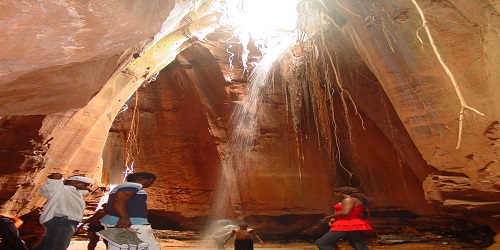
Ngwo Cave and Waterfall
Visiting Ngwo Enugu is like stepping into a world where adventure, nature, and culture blend effortlessly. Whether you are a nature lover, a family traveller, or someone seeking a quiet escape, there is something here for everyone.
Explore the Ngwo Pine Forest
The moment you step into Ngwo Pine Forest, you will feel a calm energy. Tall, straight pines create dappled sunlight patterns on the soft forest floor, while gentle breezes carry the fresh scent of pine. Walking along the forest trails, you can pause to take photos, meditate, or simply enjoy the quiet away from city life. It’s perfect for morning walks, picnics, or a peaceful afternoon with a book.
Visit the Ngwo Cave and Waterfall
A short hike through the pine forest leads to one of Ngwo Enugu’s most famous attractions – the Ngwo cave and waterfall. The limestone cave opens to a cascading waterfall that fills a shallow pool below. The sound of falling water echoes softly, and creates a sense of calm and wonder. Visitors can wade in the shallow waters, capture stunning photos, or just sit and listen to the rhythm of nature.
Attend Local Festivals and Cultural Events
Timing your visit to coincide with local festivals is an unforgettable way to experience the spirit of Ngwo Enugu. The Odo Masquerade Festival held every two years features masked dancers, music, and rituals that honour the ancestors. Participating or observing these celebrations offers a rare glimpse into Igbo traditions and the close-knit community life that thrives in Ngwo Enugu.
Photography and Nature Observation
From the golden light filtering through pine needles to the cascading waterfall in the cave, Ngwo Enugu is a paradise for photographers and nature enthusiasts. Early mornings and late afternoons are ideal for capturing the forest trails, wildlife, and panoramic views of the hills and valleys.
Picnic and Relax in Nature
Whether with family or friends, the forest and waterfall areas offer perfect picnic spots. Spread out a mat, enjoy a packed meal, and let the gentle sounds of water and wind provide a natural soundtrack. It’s an ideal way to recharge, reflect, and immerse yourself in the serenity of Ngwo Enugu.
Nearby Exploration
While in Ngwo, you can also explore nearby attractions in Enugu State. Nike Lake, Miliken Hills, and other scenic spots are just a short drive away, and it gives travellers the chance to make a full day of adventure while learning more about southeastern Nigeria’s landscapes and culture.
Festivals and Events in Ngwo

Odo Masquerade Festival of Ngwo
Ngwo Enugu is not only a haven of natural beauty, it is a town where culture comes alive through vibrant festivals and community events. Visiting during these celebrations offers an immersive experience, and reveals the heart and spirit of the Igbo people who call Ngwo home.
The crown jewel of Ngwo cultural calendar is the Odo Masquerade Festival celebrated every two years. This festival honours ancestors, and connects the living with those who have passed on. On festival days, masked dancers move gracefully through the village, their elaborate costumes and rhythmic dances telling stories of history, morality, and communal values.
The sounds of drums, flutes, and singing fill the air as families gather to watch and participate. Children often imitate the dancers, thereby learning the rhythms and stories that have been passed down for generations. For visitors, the festival is not just a spectacle, it is a living lesson in Igbo heritage and tradition.
Beyond the Odo Festival, Ngwo Enugu hosts smaller annual events that celebrate harvests, communal achievements, and family milestones. These may include New Yam festival, cultural performances, music, dance, and local markets. While less well-known than the Odo Festival, these other festivals provide authentic glimpses into daily life, and offer visitors a chance to interact with locals, taste traditional foods, and experience genuine Igbo hospitality.
The festivals of Ngwo Enugu matter because they help to preserve history, strengthen community bonds, and teach younger generations about their roots. They also attract tourists, thus providing economic opportunities for locals who sell crafts, food, and guided experiences around the events.
Attending these festivals transforms a visit to Ngwo Enugu into an immersive cultural journey where the music, colours, dances, and stories leave lasting impressions. For anyone looking to truly understand Ngwo Enugu, timing your visit to witness one of these celebrations is an experience you will never forget.
Local Economy and Community Life
Ngwo Enugu is a living, thriving community where traditions, work, and daily life coexist in harmony with nature. Its economy and social life reflect the resilience and ingenuity of its people.
For generations, agriculture has been the backbone of Ngwo Enugu economy. The fertile hills and valleys support crops like yam, cassava, maize, and vegetables which provide both sustenance and income for families. Small-scale farming is often a family affair, with grandparents, parents, and children working together in the fields. This shared labour strengthens community bonds and preserves traditional farming knowledge.
Local farmers also supply fresh produce to nearby towns and markets, thus making Ngwo Enugu an important contributor to the regional food supply. Visitors passing through the area often notice the neatly cultivated hillsides and the vibrant market stalls that showcase the agricultural richness of the town.
Ngwo Enugu is home to talented artisans who create wood carvings, baskets, traditional tools, and handmade souvenirs. These crafts are often sold during festivals, in local markets, or to visitors exploring the pine forest and cave. Purchasing these items directly supports families and helps to preserve local art forms that might otherwise fade with time.
Tourism has become an important part of the economy of Ngwo Enugu, especially with the growing popularity of the Ngwo Pine Forest, cave, and waterfall. Local guides, vendors, and small business owners benefit from visitors who come to explore the natural and cultural attractions. This interaction allows tourists to engage directly with the community, thereby creating a mutually beneficial exchange where the visitors enjoy authentic experiences and the locals gain income and opportunities to showcase their heritage.
Beyond work, community life in Ngwo Enugu is influenced by close-knit relationships and shared traditions. Families often gather for celebrations, meals, and festivals. The elders play a central role in passing down stories, values, and customs to the younger generations. Respect for elders, cooperation, and communal support remain at the core of daily life, and ensure that the social fabric of Ngwo stays strong, even as the town experiences modern influences.
Visitors to Ngwo Enugu quickly notice the warmth of its people. The ready smiles, greetings, and willingness to share their stories. This sense of community, combined with the natural beauty and cultural richness makes Ngwo not just a destination but a window into Igbo life and values.
Ngwo Enugu in Modern Times
While Ngwo Enugu is deeply rooted in history and tradition, it is also a town that is embracing modernity and growth. Today, Ngwo balances its rich cultural heritage with developments that enhance tourism, infrastructure, and community opportunities.
In recent years, Ngwo Enugu has gained recognition as a tourist destination. The Ngwo Pine Forest, cave, and waterfall now attract not only local visitors but also travellers from across Nigeria and beyond. Recognizing this potential, the Enugu State Government and local entrepreneurs are exploring ways to improve visitor experiences while still protecting the natural environment.
One notable development is the planned zipline at Ngwo Pine Forest which aims to offer adventure tourism for thrill-seekers and boost local employment. Projects like this demonstrate how modern attractions can cooperate with nature in creating sustainable opportunities for the community.
Modern roads and transportation options have made Ngwo more accessible than ever. Visitors can now reach the town quickly from Enugu city or surrounding towns, thus making it a convenient escape for weekend trips or day visits. This accessibility has also allowed local businesses to flourish, from eateries and craft sellers to guided tours and accommodation providers.
Even as it grows as a tourist spot, Ngwo Enugu values education and community development. Schools in the town incorporate modern teaching methods alongside cultural education to ensure that children learn both global knowledge and their own heritage. Technology is gradually being introduced in schools and businesses, which helps the locals to connect with broader markets while preserving the unique character of the town.
Despite modernization, Ngwo residents remain committed to preserving culture and tradition. Festivals like the Odo Masquerade thrive, and family values remain central to daily life. Visitors often remark on the ability of the town to blend the old and the new, while offering experiences that are both culturally authentic and comfortably modern.
Ngwo Enugu today stands as a model for how heritage, community, and natural beauty can thrive alongside progress to create a town that welcomes visitors as it honours its past and prepares for the future.
Why Ngwo Enugu Remains a Cultural and Natural Gem
Ngwo Enugu is a living story of culture, history, and nature that quietly reminds us why some places remain unforgettable. This town matters not only to its residents but to every visitor who steps into its forests, caves, and communities.
At its heart, Ngwo Enugu is a guardian of Igbo traditions. Festivals like the Odo Masquerade keep ancestral stories alive by passing values from one generation to the next. The cultural practices, crafts, and communal gatherings are not relics of the past, rather, they are vibrant, living expressions of identity. For visitors, witnessing these traditions offers a rare chance to connect deeply with Nigeria’s cultural roots.
The Ngwo Pine Forest, limestone cave, and waterfall offer more than scenic spots. They offer spaces where people reconnect with nature. The towering pines, gentle breezes, and cascading water create an atmosphere of calm and reflection. In a world dominated by urban chaos, Ngwo Enugu reminds us that nature can be both a teacher and a sanctuary.
Ngwo Enugu matters because of the people who call it home. The town thrives on agriculture, crafts, and tourism, with residents working together to preserve their environment, even as they embrace sustainable development. Modern initiatives like eco-tourism projects and improved accessibility show that Ngwo can grow without losing its soul, thus ensuring its relevance for generations to come.
What makes Ngwo Enugu truly special is its ability to combine history, culture, and modernity seamlessly. Visitors leave not only with memories of beautiful landscapes but with a sense of connection to people, stories, and traditions that have endured through time. Ngwo is proof that a town can honour its past while embracing the future, thereby making it a meaningful destination for anyone seeking more than just scenery.
In Conclusion …
Ngwo Enugu is a place where history, culture, and nature meet in a way that leaves every visitor with lasting memories. From the cool shadows of the pine forest to the echoing waters of the limestone cave, and from the lively beats of the Odo Masquerade to the warmth of the local community, Ngwo offers experiences that are both enriching and unforgettable.
Visiting Ngwo satisfies more than sightseeing, it offers the opportunity to step into a living story. Every trail, festival, and family gathering tells of a people who cherish their heritage, honour their ancestors, and celebrate the beauty of their surroundings. It is a town that reminds us why preserving culture and nature matters in a fast-changing world.
Whether you come for adventure, relaxation, or cultural immersion, Ngwo Enugu welcomes you with open arms. Its forests, waterfalls, festivals, and friendly community make it a destination that inspires reflection, joy, and connection. For travellers, Ngwo provides you an experience that stays with you long after you leave.
References
- https://en.wikipedia.org/wiki/Ngwo
- https://eprints.gouni.edu.ng/1988/1/695-1278-1-PB.pdf
- https://en.wikipedia.org/wiki/Odo_Masquerade_Festival
- https://www.ngworocks.com/blog/odo-festival-of-ngwo-a-celebration-of-ancestral-spirits-and-igbo-heritage
- https://en.wikipedia.org/wiki/Ngwo_Pine_forest
- https://enugumetro.ng/blog/2025/05/14/ngwo-pine-forest/
- https://enugumetro.ng/blog/2025/05/14/enugu-to-construct-first-zipline-in-nigeria-at-ngwo-pine-forest/
You might want to check this out …