





African Culture & Heritage
Ezumezu Festival in Igbere: History, Meaning, and Cultural Significance

Ezumezu festival is a triennial cultural celebration in Igbere, Abia State, Nigeria that honours community heritage, reunites indigenes, and showcases age-grade traditions and local development through ceremonies, music, dance, and unity.
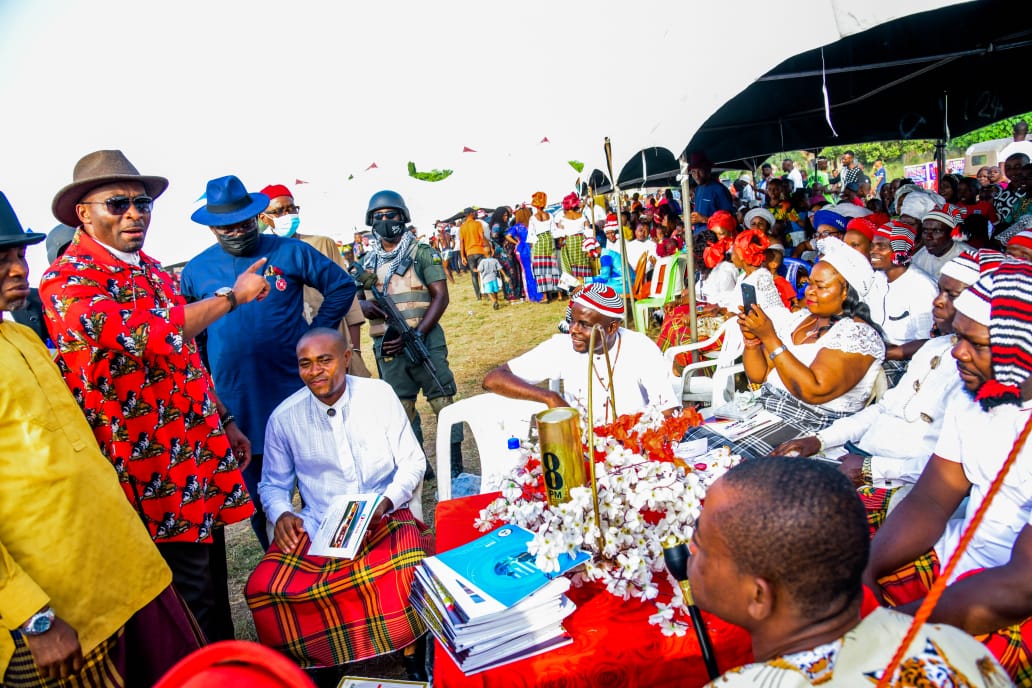
Every few years, Igbere town gets lit and becomes more alive than it usually is. The town turns into a meeting point of memory, belonging, and shared history. Families return. Old friends reconnect. Drums sound across the hills, and at the centre of it all is the Ezumezu festival, a deeply rooted cultural celebration that brings the people of Igbere in Abia State together in a way few events can.
The Ezumezu festival is not just about the festivity. It is about return. The word “Ezumezu” itself speaks of collective gathering, and that meaning plays out in real life as indigenes come home from across Nigeria and the diaspora. What follows is a blend of tradition and purpose. Age grades are honoured, new ones are introduced, elders are respected, and the community pauses to reflect on its past while planning for its future. Music, dance, ceremonies, and public celebrations fill the days. But beneath the excitement lies something deeper. A shared understanding of responsibility, service, and continuity.
For the people of Igbere, Ezumezu festival is a cultural anchor. It preserves long-held customs, strengthens social ties, and supports community development through organized age-grade activities. For outsiders, it offers a clear window into how Igbo traditions still thrive in modern Nigeria.
This article explores the history, meaning, and cultural significance of Ezumezu festival, explains why it remains one of the most important triennial events in Igbere and why its relevance has endured across generations.
What Is Ezumezu Festival?

Ezumezu festival is a major cultural event celebrated by the people of Igbere in Abia State, southeastern Nigeria. It is a triennial homecoming that brings together indigenes from different parts of the country and the diaspora to reconnect with their roots and with one another. At its heart, Ezumezu festival is about collective return, shared identity, and community responsibility.
The name “Ezumezu” loosely translates to mass gathering or coming together, and the festival lives up to that meaning in both spirit and practice. During the celebration, the entire community gathers to honour tradition through age-grade ceremonies, cultural performances, and public events that reflect long-standing Igbo values. It is a time when generations meet, stories are exchanged, and cultural knowledge is passed on in lived, visible ways.
Beyond the celebration, Ezumezu festival serves a clear social purpose. It marks the retirement of senior age grades after years of service and formally introduces new age grades into active community life. These age-grade transitions are central to how Igbere organizes leadership, service, and development. Through this structure, Ezumezu festival connects culture with responsibility, and makes it not just a festival to watch but one that actively sustains the community it represents.
Where Is Igbere?
Igbere is a historic town located in Bende Local Government Area of Abia State, in southeastern Nigeria. It sits within the heart of Igboland, a region known for strong communal ties, deep cultural traditions, and a long history of organized social life. Surrounded by rolling hills and neighbouring Igbo communities, Igbere is often described as both scenic and culturally grounded.
The town is made up of several villages that share a common ancestry and cultural outlook. These villages function as one community bound together by customs, festivals, and social institutions such as the age-grade system. This shared structure is part of what gives events like Ezumezu festival their wide participation and lasting importance.
Geographically, Igbere’s location within Abia State places it close to other culturally significant towns in the old Bende Division, an area known for early education, trade, and political organization in Igbo history.
Over the years, many indigenes have migrated to cities across Nigeria and abroad, but the strong ties to home remain. Ezumezu festival draws strength from this connection that turns Igbere into a gathering point where geography meets memory, identity, and homecoming.
Origins and Historical Background of Ezumezu Festival
The origins of Ezumezu festival are closely tied to Igbere’s long tradition of communal organization and collective responsibility. Before it became known by its present name, the gathering began as a community anniversary event created to bring indigenes together at regular intervals. At a time many Igbere people were moving to other parts of Nigeria for work, education, and trade, the need for an organized homecoming became clear. The early gatherings served as a reminder of shared roots and common identity.
As participation grew, the event gradually took on a more defined cultural structure. The concept of “Ezumezu,” which implies a collective return or coming together emerged to capture the true spirit of the gathering. What started as a general reunion evolved into a formal festival that highlighted how Igbere organized itself socially. The age-grade system which had long existed as the backbone of community service and leadership became central to the identity of Ezumezu festival.
By the mid twentieth century, Ezumezu festival had developed into a triennial event. This three-year cycle was not accidental. It was meant to align with the rhythm of age-grade responsibilities to allow each group time to serve the community before being publicly honoured or retired. The festival became the moment when the community assessed its progress, acknowledged collective effort, and prepared for the next phase of service.
Over time, traditional ceremonies, music, dance, and public celebrations were added to give the Ezumezu festival its rich cultural character. Despite these additions, its original purpose remained intact. It was, and still is a structured return to home, a reaffirmation of unity, and a public reminder that the strength of the town lies in shared effort across generations.
Why Ezumezu Festival Is Held Every Three Years
Ezumezu festival is held every three years because of the way community life in Igbere is organized around service, responsibility, and collective planning. This timing is closely linked to the age-grade system which plays a central role in how the town manages leadership and development. A three-year interval allows each active age grade enough time to carry out its duties before the community comes together to review its efforts.
Within this period, age grades are expected to contribute meaningfully to communal life. They may take part in development projects, support social order, or assist with important community needs. Holding the Ezumezu festival annually would not give enough space for these responsibilities to be fulfilled. The three-year cycle creates a natural pause for reflection and public acknowledgment.
The triennial schedule also makes the festival more significant. Because it does not happen often, preparation is taken seriously. Families plan their return well in advance, and indigenes living outside Igbere make deliberate efforts to be present. This anticipation strengthens participation and ensures that the festival remains a major event rather than a routine celebration.
In practical terms, the spacing helps the community to mobilize resources more effectively. Fundraising, planning, and coordination are easier when there is adequate time between festivals. As a result, Ezumezu festival becomes not just a cultural gathering but a carefully timed moment when tradition, accountability, and future planning meet.
The Age-Grade System and Its Role in Ezumezu

A defining feature of Ezumezu festival is its connection to the age-grade system which is a traditional social structure that organizes the people of Igbere into groups based on age. In Igbere, every adult belongs to an age grade, and these groups are more than just social circles. They serve as units of responsibility, leadership, and community service that influence how the town functions on a day-to-day basis.
During Ezumezu festival, the age-grade system takes the centre stage. The festival formally honours those who have completed their period of service, known as the retiring age grade in recognition of their contributions to the community. This ceremony which is called Igbotonma is a moment of respect and celebration for years of work that often includes maintaining public order, supporting communal projects, and guiding the younger members of the community.
At the same time, a new age grade is officially recognized and introduced into active service. These younger members begin their cycle of responsibility ready to contribute to community initiatives over the coming years. This continuous rotation ensures that leadership, service, and cultural knowledge pass from one generation to the next.
The age-grade system also adds structure to Ezumezu festival itself. Processions, performances, and seating arrangements are often organized by age grade to showcase seniority and unity. Music, dance, and masquerades accompany these ceremonial moments to highlight both the cultural vibrancy of Igbere and the social significance of organized community life.
Through the age-grade system, Ezumezu festival becomes more than mere celebration but a living framework of accountability and service that connects the past, the present, and the future of Igbere. It reminds every participant that belonging to a community comes with both privilege and responsibility, thus making the festival a deeply meaningful event for all indigenes.
Key Rituals and Activities

Ezumezu festival is a vibrant mix of tradition, celebration, and community engagement. Each activity is carefully planned and carries cultural significance that makes the festival a lively, yet meaningful event. From ceremonial rituals to public performances, every part of the festival portrays the values and heritage of Igbere.
Parade of Age Grades
One of the most anticipated moments is the parade of age grades. Each group marches in order of seniority, dressed in traditional attire and accompanied by music and dance. This procession honours the contributions of older age grades while showcasing the pride and readiness of the younger members. The visual display of unity and organization is a hallmark of Ezumezu festival.
Traditional Ceremonies
Several rituals and ceremonies are performed to honour the ancestors and bless the community. Elders conduct prayers, libations, and symbolic acts that connect the people of Igbere to their past. These ceremonies reinforce the cultural values of respect, gratitude, and communal harmony.
Cultural Performances
Music, dance, and masquerade performances bring energy and colour to Ezumezu festival. Drummers, singers, and dancers perform traditional routines while masquerades entertain and remind attendees of Igbere spiritual and cultural heritage. These performances are not only entertaining but also educational as it offers the platform to pass cultural knowledge to younger generations.
Community Development Activities
Beyond celebration, Ezumezu festival plays a practical role in community progress. Age grades and other contributors raise funds for local development projects. These projects can include building schools, health facilities, and roads, or supporting community initiatives. By combining festivity with civic responsibility, the festival strengthens both cultural identity and tangible community growth.
Feasting and Socializing
Food is central to Ezumezu festival. Families, friends, and visitors gather to share meals in a way that creates an atmosphere of warmth and togetherness. This aspect of the festival reinforces bonds, reconnects distant relatives, and strengthens the sense of belonging that defines the Ezumezu experience.
Through these rituals and activities, Ezumezu festival becomes a living expression of Igbere cultural heritage where tradition, service, and community life intersect in a way that engages every participant.
Cultural and Social Significance
Ezumezu festival holds deep cultural and social meaning for the people of Igbere. Its core is the celebration of identity, unity, and continuity that connects generations and preserves the community’s rich heritage.
Culturally, the festival serves as a living classroom. Through music, dance, masquerades, and age-grade ceremonies, the younger members of the community learn about customs, traditions, and social responsibilities. Elders share stories, teach values, and provide guidance as a way of ensuring that cultural knowledge is passed down and not lost to time. The rituals and performances reinforce a sense of pride in being from Igbere and instill respect for its history and social structures.
Socially, Ezumezu festival strengthens bonds among residents. Families separated by distance return home, friends reconnect, and neighbours engage in shared celebrations. This gathering fosters cohesion and encourages cooperation that reminds everyone of the importance of community over individual pursuits.
Ezumezu festival also underscores accountability and service. By honouring retiring age grades and welcoming new ones, the community acknowledges contributions and responsibilities. This public recognition motivates each generation to participate actively in communal life, ensuring that leadership, service, and cultural preservation continue seamlessly.
In essence, Ezumezu festival is a colourful celebration – a cultural anchor and social glue that gives the people of Igbere a shared purpose, reinforces communal values, and creates a space where heritage, pride, and responsibility come together in meaningful ways.
Ezumezu Festival and Community Development
Ezumezu festival is not only a cultural celebration but also a catalyst for community development in Igbere. While the festival brings people together for music, dance, and tradition, it also serves as a platform to plan, fund, and implement projects that benefit the entire town.
A central element of this development focus is the age-grade system. Each age grade is responsible for certain duties which often include community improvement initiatives. These can range from constructing roads, schools, and health centres to organizing clean-up campaigns or supporting vulnerable members of the community. Ezumezu festival provides an opportunity to recognize the efforts of retiring age grades and to encourage the new ones to continue this tradition of service.
Fundraising during Ezumezu is another significant aspect. Indigenes living in other cities or abroad contribute donations that go directly toward development projects. This not only mobilizes resources for tangible improvements but also strengthens the connection between the diaspora and their hometown.
The festival also encourages collaboration between community leaders, youth, and elders. Strategic discussions often accompany the celebrations, with plans for infrastructural, social, and economic projects being mapped out. This way, Ezumezu festival combines celebration with action, and use cultural pride as a driving force for collective progress.
Through these mechanisms, Ezumezu festival ensures that cultural preservation and community development go hand in hand. It transforms a joyful gathering into a practical engine for growth, thereby showing how tradition can be harnessed to improve the present and future of Igbere.
Ezumezu Festival in Modern Times
Today, Ezumezu festival thrives, even as it adapts to the realities of modern life. Although it remains deeply rooted in tradition, the festival has embraced changes that make it more inclusive, organized, and visible to a wider audience.
One of the most notable changes is the participation of Igbere indigenes living in different parts of Nigeria and abroad. Many plan their return well in advance. This turns the festival into a major homecoming event that strengthens connections between the diaspora and their hometown. The growing attendance has made the festival not only a cultural reunion but also an opportunity to network, share ideas, and contribute to community development.
Media coverage and digital platforms have also amplified the reach. Local news outlets, social media, and blogs now highlight the Ezumezu festival, and document age-grade ceremonies, masquerades, and cultural performances. This increased visibility helps to preserve its significance for younger generations while introducing Igbere traditions to outside world.
Modernization has also influenced logistics and planning. Organizers now use structured programsme, public announcements, and coordinated activities to ensure smooth execution. Despite these updates, the heart of the festival remains unchanged. Age-grade recognition, cultural performances, and community development remain central in a way that show that modernization can coexist with tradition without diluting the cultural essence of the festival.
Essentially, Ezumezu festival in modern times bridges the past and the present. It preserves the values of Igbere heritage and creates opportunities for engagement, growth, and cultural continuity in an evolving world.
In Conclusion …
Ezumezu festival stands as a remarkable celebration of culture, community, and continuity in Igbere, Abia State. More than a gathering of people, it is a living tradition that honours ancestry, celebrates unity, and encourages service through the age-grade system. Every ceremony, performance, and parade reinforces a sense of belonging and shared responsibility that connects generations in meaningful ways.
Beyond its cultural richness, the festival plays a practical role in community development. Funds raised, projects initiated, and collaborative efforts during the festival strengthen the social and infrastructural fabric of the town. This combination of celebration and purpose makes Ezumezu unique among Igbo festivals, and highlights how cultural events can drive tangible progress.
For the people of Igbere, Ezumezu festival is a homecoming, a reminder of identity, and a platform for nurturing the values of service and unity. For outsiders, it is an opportunity to witness how tradition, pride, and collective effort come together to sustain a community. Ezumezu festival is a vivid testament to the enduring power of culture and the meaningful ways it continues to impact life in Igbere.
References
- https://igbere.com/ezumezu.htm
- https://nico.gov.ng/ezumezu-festival-in-igbere/
- https://igbere.com/agegrades.htm?
- https://ozikoro.com/the-ezumezu-festival-of-igbere-a-triennial-celebration-of-unity-and-igbo-heritage/
- https://thisnigeria.com/ezumezu-age-grade-system-as-driver-of-development-in-igbere/
- https://thesun.ng/ezumezu-igbere-community-celebrates-culture-in-style/
- https://abntv.com.ng/news/rep-benjamin-kalu-reels-out-achievements-as-he-participates-in-triennial-ezumezu-igbere-festival/
You might want to check this out …