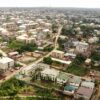








History and heritage
Onueke, Ebonyi State: History, Culture, Festivals, and Local Life

Onueke is a historic town in Ebonyi State with deep cultural roots, a lively market, proud traditions, and everyday life that tells a story of community and heritage. Discover its history, culture, festivals, economy, and more.

Onueke is a town in Ebonyi State, southeastern Nigeria. More than that, it is the heartbeat of the Ezza people, a place where history, culture, and everyday life meet in vivid, unforgettable ways.
Walk through its streets, and you feel the rhythm of market days at Eke Imoha, hear the laughter of families preparing for festivals, and sense the pride of generations who call this town home.
From its ancestral roots to its role as the administrative centre of Ezza South Local Government Area, Onueke carries stories of tradition, resilience, and community in every corner.
Whether it is the vibrant Oke Aku Festival, the bustling market, or the quiet moments of daily life, Onueke invites you to explore a town that preserves its heritage as it embraces today.
Onueke – A Town with Deep Roots in History
Onueke is not just a name on a map of Ebonyi State, it is a living chapter of history that carries the shared memory of the Ezza people. For countless generations, families have known the town as the ancestral headquarters of the Ezza clan, one of the most populous and widely spread Igbo sub‑groups in southeastern Nigeria.
Ezza communities are found across Ezza South, Ezza North, Onicha, Ishielu, and Ohaukwu Local Government Areas, and even beyond the borders of the State, in parts of Enugu, Benue, and Cross River states. Yet, through all these places, Onueke remains the point of return for many when it is time to honour their roots and ancestors.
If you walk through Onueke, you will hear its history in the names that roll easily from lips – Ezekuna and Anyigo Ezekuna, the progenitors of the Ezza people. These ancestors are so central to the Ezza identity that traditional families still make pilgrimages back to Onueke to pay homage at their graves. This practice links the present generations with the sweet and difficult stories of the past that form a thread of continuity that passes from grandparents to children and beyond.
The importance of the town did not begin with colonial maps or modern political boundaries. Long before the present local governments were created, Onueke was already a place of meaning. It served as the headquarters of the old Ezzikwo Division, a large administrative unit that included several of today’s local government areas.
Later, it became the centre of the old Ezza Local Government Area before the creation of Ebonyi State in 1996 and the establishment of Ezza South Local Government Area with Onueke as its capital. Today, it also functions as the heart of the Ebonyi Central Senatorial Zone, thus bringing together Ezza South, Ezza North, Ishielu, and Ikwo in political unity.
But history in Onueke reaches even further back than those official roles. The Ezza people are part of the broader Igbo cultural world. They speak the Ezza dialect and central Igbo language that carries centuries of oral tradition, community law, and shared celebration. These layers of story, song, prayer, and belonging make Onueke more than a headquarters for governance. They make it a home in memory and spirit for many whose families carry the name Ezza.
As such, the past still lives in the everyday life of Onueke. It rises with the sun over fields where farmers plant yams and rice. It hums in the laughter of market days. It punctuates festival celebrations and quiet moments of prayer at church.
All of these pieces of life carry the echoes of history down to the present day, and invite both visitors and residents to feel connected to a story that is long, deep, and still unfolding
Location and Relevance of Onueke
Onueke sits comfortably in the southeastern corner of Nigeria, in the heart of Ebonyi State. The town serves as the headquarters of Ezza South Local Government Area which makes it a central point for administration, governance, and political life in the region. Its location is a meeting place for history, culture, and everyday commerce that connect neighbouring towns, villages, and communities that share Ezza heritage.
The town is surrounded by fertile farmlands where generations of Ezza families cultivate yams, cassava, rice, and other staple crops. Farming is not just an economic activity here, it is part of the rhythm of life, the heartbeat of the community, and a tie that connects Onueke to its rural neighbours. Visitors often notice the calm, yet vibrant pace of the town. Market stalls preparing for Eke Imoha Market day; children walking to school, and the chatter of the locals greeting one another in warm familiarity.
Politically, Onueke carries weight beyond its borders. It is the centre of the Ebonyi Central Senatorial Zone which includes Ezza South, Ezza North, Ishielu, and Ikwo Local Government Areas. This status gives the town a voice in State and regional affairs and ensures that decisions affecting the Ezza people and surrounding communities are grounded in the realities of daily life in the town.
Even as modern roads and technologies connect the town to larger cities like Abakaliki, Onueke maintains its role as the anchor of Ezza identity. Families returning for festivals, traders bringing goods to market, and students coming back home for holidays all converge here in a way that reinforces its significance as a place that is more than just a point on a map. It is a town where history, culture, governance, and community life intersect naturally.
Whether you come to Onueke for work, family, or culture, you quickly sense its importance. It is not only geographically central but also central to the lives and identities of the Ezza people and to the pulse of Ebonyi State as a whole.
Culture and Traditions that Connect Generations
In Onueke, culture is not something that sits on a shelf. It is lived every day, heard in the laughter of children, seen in the careful planting of crops, and celebrated in gatherings that bring the community together. The town is the ancestral home of the Ezza people, and its traditions connect families across generations. Even as modern life unfolds, the ties to heritage remain strong.
One of the most enduring traditions is the honouring of the ancestors, particularly Ezekuna and Anyigo Ezekuna, the forebears of the Ezza people. Families from Onueke and surrounding Ezza communities often return home to pay respects at the graves of these ancestors. This act is a way of staying connected to identity, community, and a sense of belonging that transcends the ordinary.
Christianity is also woven into the cultural fabric of Onueke. Churches like Sacred Heart Parish and other denominational centres serve as hubs for spiritual life, education, and social engagement. Religious gatherings are often blended with traditional greetings, communal meals, and celebrations that reflect its unique approach to faith and culture. This mix of faith and tradition illustrates how Onueke preserves its heritage while embracing new ways of living.
Language is another thread that ties generations together. The Ezza dialect, a variant of central Igbo carries stories, proverbs, and expressions that have been passed down through centuries. It is used in daily conversation, in storytelling, and during ceremonies. Young people learn not only words but also values, history, and social responsibilities through the language.
Traditional practices are also visible in farming, market life, and festivals. Seasonal events, such as planting or harvest activities, are accompanied by songs, dances, and prayers that honour the land and ancestors. Markets like Eke Imoha are not just commercial centres, they are spaces where culture is performed through greetings, negotiations, and shared stories.
These cultural connections ensure that Onueke is a living community that remembers its past, teaches its young, and celebrates continuity. Every festival, market day, and family gathering serves as a reminder that culture in the community is not static, rather, it moves, breathes, and connects one generation to the next.
Celebrating Harvest and Unity with Oke Aku Festival

Oke Aku Festival
In Onueke, the arrival of the new yam season is a time the town comes alive with gratitude, music, dance, and togetherness. The Oke Aku Festival widely known as the New Yam Festival is one of the most important cultural celebrations for Ezza people. It is both a thanksgiving for a successful harvest and a celebration of life, community, and continuity.
Yam is central to the lives of the people. It is not only a staple food but also a symbol of prosperity, hard work, and the blessings of the earth. The festival begins with prayers and offerings to the ancestors, especially Ezekuna and Anyigo Ezekuna in acknowledgement of their guidance and protection over the community. Elders perform rituals to bless the new yam while families prepare traditional dishes to share with neighbours, friends, and visiting relatives.
The streets of Onueke transform during the festival. Traditional music fills the air, dancers in vibrant attire move to the rhythm of drums, and storytellers share the histories and proverbs that carry the wisdom of generations. The festival is also a time for family reunions. Children who have grown up in towns far from Onueke often return home to reconnect with their roots, meet their elders, and participate in the celebrations that define their identity.
Beyond the spiritual and cultural significance, Oke Aku Festival has social and economic dimensions. Traders and farmers bring fresh produce to Eke Imoha Market which operates at full capacity during the festival season. Craftsmen display handmade items, local delicacies are sold, and the town becomes a vibrant hub of trade and interaction. This reinforces its role as both a cultural and economic heartland in the region.
The festival also serves as a bridge between the past and the present. While modernity has introduced new ways of living, Oke Aku continues to hold traditional meaning. Community leaders and elders use the festival to teach younger generations about respect, hard work, and the importance of maintaining connections to their heritage. It is a moment when the stories of the ancestors, the lessons from history, and the hopes for the future converge to make Onueke not just a town but a living repository of the Ezza legacy.
Visiting Onueke during Oke Aku offers an experience that goes beyond sightseeing. It is a chance to witness the Ezza people’s unity, to taste the fruits of their labour, and to feel the warmth of a community that honours its past.
In Onueke, Oke Aku is a celebration of identity, family, and the enduring spirit of a people deeply rooted in their land.
Economy and Markets

Eke Imoha Market
In Onueke, the pulse of everyday life is closely tied to the flow of trade and the rhythm of the markets. The town is home to Eke Imoha Market which is one of the oldest and busiest markets in Ebonyi State. The market is a meeting ground for families, neighbours, and visitors from surrounding communities. Here, stories are exchanged as freely as yams, cassava, and palm oil.
Eke Imoha Market follows the traditional Igbo four-day week cycle, with Eke as one of the sacred market days. Farmers bring fresh produce directly from their farms, including yams, cassava, rice, cocoyams, vegetables, and palm oil. Artisans and craftsmen also display their goods, from hand-woven baskets to carved wooden tools, while traders sell fabrics, household items, and small electronics. The market thrives as a place where the community meets its daily needs as it keeps its cultural practices alive.
The economic life of Onueke is rooted in its agricultural surroundings. Many families rely on farming as their main source of income. Yams are especially significant, not only as a staple food but also as a symbol of wealth and labour. The harvest feeds the town and provides goods to trade, ensuring that Onueke maintains its role as an essential economic hub in the region.
Beyond agriculture, small businesses, retail shops, and local services contribute to the vibrancy of the economy. Entrepreneurs and traders find opportunities in supplying goods to the population of the town and the many visitors who come for market days or festivals. These interactions bring people together and create social networks that strengthen community bonds and encourage cooperation.
Market days are also a reflection of Onueke social life as they provide a space for neighbours to meet, exchange news, and celebrate shared successes. The elders and youth alike participate in conversations that link tradition with contemporary life. As such, its economy is not just about money, it is about sustaining relationships, passing knowledge from one generation to the next, and maintaining a sense of identity tied to place and people.
For visitors, spending a day at Eke Imoha Market in Onueke is an opportunity to witness the living culture of trade. You see the care in how produce is displayed, the lively negotiations between buyers and sellers, and the pride of farmers offering the first fruits of their harvest. Every exchange tells a story, and every market day reinforces Onueke’s importance as a centre of both commerce and culture in Ebonyi State.
Daily Life, Community, and Growth
Life in Onueke moves at a pace that balances work, family, and community. Mornings often begin with farmers heading to their fields, tending yams, cassava, rice, and other staple crops that sustain both the town and its markets. The sounds of the town waking up – children laughing on their way to school, church bells ringing, and market stalls being prepared create a rhythm that is distinctly Onueke.
Community is at the heart of life in Onueke. Families gather for meals, share news, and support one another in times of need. Neighbours often assist each other on farm work or during festive occasions in a way that reinforces social bonds that have been cultivated over generations. Churches act as hubs not only for worship but also for education, social programmes, and community events. These institutions play a role in guiding moral life, teaching values, and supporting families in practical ways.
Markets like Eke Imoha continue to shape daily interactions in the community. Beyond commerce, market days serve as social spaces where elders share advice, youth meet peers, and neighbours discuss local events. These everyday interactions are a vital part of the social fabric of the town. The market, the fields, and the streets together tell the story of Onueke’s growth, weaving the economic, social, and cultural life of its people into a living whole.
Education is an emerging force in Onueke. Local schools and learning centres offer young people access to knowledge while maintaining respect for tradition. Families recognize that schooling provides opportunities for upward mobility and helps the next generation balance modern life with the values and stories passed down through centuries.
Growth in Onueke is not just about population or infrastructure. It is seen in how the community nurtures connections, encourages collaboration, and invests in the future of its children. Development initiatives, local leadership, and community cooperation aim to provide better roads, schools, and public services. While the town embraces modernity, the essence of its identity remains intact.
Every day in Onueke offers a glimpse into how people live in harmony with their history, land, and neighbours. This is a town where growth is measured not only by material progress but also by the strength of community bonds, respect for culture, and the ability to carry traditions forward while adapting to a changing world.
Education, Development, and Future Prospects
Education has long been a pillar of life in Onueke. Over the years, the town has nurtured generations of students who attend primary and secondary schools in and around the community. Schools like Onueke Community Secondary School and other local institutions provide the young people with opportunities to learn not only academic skills but also values, responsibility, and a connection to their cultural heritage.
The community recognizes the power of education as a pathway to growth. Families often encourage their children to pursue higher learning, whether in Ebonyi State or beyond, while maintaining a strong link to their roots. Education is seen as a bridge between tradition and modernity, as it gives the younger generation tools to succeed in the wider world without losing the connection to their ancestry.
Development initiatives have also become part of Onueke’s evolving story. Local leaders and community organizations work together to improve infrastructure, including roads, electricity, and public services. Proposals for higher learning institutions such as technical colleges or polytechnics reflect the ambition of the town to provide opportunities closer to home. These initiatives aim to retain talent in the community and strengthen its role as a hub for education, culture, and commerce.
Beyond formal education, the town invests in the growth of its people through festivals, market interactions, and community programmes. Every event, from the Oke Aku Festival to daily market life, teaches practical lessons in cooperation, negotiation, and social responsibility. These experiences shape well-rounded individuals who understand the importance of both heritage and progress.
Looking forward, Onueke balances respect for its past with aspirations for the future. Its focus on education, development projects, and community engagement shows that growth is not only measured in material terms but also in the strength of its people, their knowledge, and their ability to thrive while honouring traditions.
Onueke stands as an example of a community that values learning, invests in its youth, and nurtures opportunities that will benefit generations to come.
Landmarks and Places of Interest in Onueke

Onueke may not appear on the typical tourist map of Nigeria but for those who know the town, it is full of meaningful places that tell the story of its people, culture, and daily life. Every corner has a story, every street a rhythm, and every landmark a connection to the generations that have called it home.
Conceived to improve air connectivity for Ebonyi State and surrounding areas, the airport was developed to support commercial passenger travel and future cargo operations, especially for agricultural produce.
Although its operational phases have progressed gradually, the presence of the airport has already placed Onueke on the national map and draws attention to its strategic importance and growing role in transportation, commerce, and regional development.
Another iconic landmark is Eke Imoha Market, one of the oldest and busiest markets in Ebonyi State. The market is the lifeblood of the town as it draws farmers, traders, and visitors from across Ezza communities and neighbouring areas. Here, yams, cassava, rice, palm oil, and other produce fill the stalls, while artisans display their crafts and fabrics.
But more than commerce, the market is where news is shared, friendships are strengthened, and traditions are kept alive. Market days in Onueke are lively celebrations of work, community, and culture.
Spiritual life in Onueke is anchored by Sacred Heart Parish, a Catholic church that serves as a centre for faith, education, and community engagement. Churches like All Saints Parish and various Pentecostal congregations also provide spaces where the locals gather for worship, fellowship, and social support. These religious landmarks are woven into the identity of the town as they host weddings, funerals, feast days, and celebrations that bring together people from far and wide.
The town is also home to sites of deep cultural significance. Families return regularly to ancestral gravesites, including those of Ezekuna and Anyigo Ezekuna, the progenitors of the Ezza people. These places are sacred markers of heritage, memory, and tradition that reminds everyone that Onueke is the heart of a community that honours its past.
Smaller neighbourhood markets such as Ngamgbo Nwele Market and Azuunwachi Market provide glimpses into everyday life beyond the main market. They reflect the rhythms of local commerce, the generosity of neighbours, and the ways in which Onueke continues to thrive as a hub of trade and connection.
Together, these landmarks show that the significance of Onueke is not measured by monuments or skyscrapers. Its value lies in the people, their traditions, their work, and their devotion to community life.
More than sightseeing, visiting Onueke offers an experience of living culture, history, and the vibrant heartbeat of a town that continues to honour its roots while embracing everyday life.
In Conclusion …
Onueke is the heart of the Ezza people, a place where history, culture, and community converge in ways that continue to shape everyday life. From the vibrant stalls of Eke Imoha Market to the sacred spaces of Sacred Heart Parish and ancestral sites, the town tells a story of resilience, tradition, and connection. Festivals like Oke Aku remind everyone that Onueke is a living community, where harvest, celebration, and family come together to honour the past and embrace the present.
The importance of the town extends beyond culture and tradition. As the administrative headquarters of Ezza South Local Government Area and a key centre in the Ebonyi Central Senatorial Zone, Onueke plays a vital role in governance, politics, and regional development. Its people, markets, schools, and religious institutions all contribute to a community that is dynamic, welcoming, and deeply rooted in heritage.
Visiting or learning about Onueke is an opportunity to experience the rich tapestry of Ezza life where daily routines, celebrations, and commerce carry the echoes of generations. It is a place where history lives in memory and practice, where culture is celebrated in action, and where the future grows alongside a strong sense of identity and community.
Onueke reminds us that even in a rapidly changing world, the strength of a town lies in its people, their stories, and the traditions they uphold.
References
- https://en.wikipedia.org/wiki/Onueke
- https://www.ebonyistate.gov.ng/page/towns-and-villages
- https://thesun.ng/oke-aku-ebonyi-festival-of-unity-peace/
- https://saltnationnews.com.ng/ebonyi-state-new-yam-festivals/
- https://www.nairaland.com/3848952/discover-eke-imoha-one-oldest
- https://soluap.com/onueke/
You might want to check this out …