






Biographies & Personalities
Yaw (Steve Onu): Profile of a Pidgin English Broadcaster, Comedian, Actor and Cultural Icon

Yaw is a celebrated Nigerian broadcaster, comedian, actor, and cultural figure best known for his work on Wazobia FM and his role in bringing Pidgin English to mainstream radio audiences in Nigeria.
Yaw is a voice many Nigerians have grown up listening to, laughing with, and even quoting at breakfast time. Born Steve Onu, he did not start life as a celebrity. He began as a young man in Lagos who loved theatre, acting, and speaking in the language of the streets.
Over the years, Yaw became the voice that helped to bring Pidgin English into mainstream radio in Nigeria. His warm, easy style of speaking made people feel at home every morning.
On Wazobia FM, Yaw did not just host a show, he invited everyday Nigerians into a conversation that connected humour with everyday life feel. His influence went beyond jokes and catchphrases to shape how people saw themselves and how the media could speak in a language they actually used.
This profile tells the story of Yaw’s journey from theatre stages to radio studios and television screens. It looks at how a broadcaster, comedian, and actor became a cultural figure whose work still resonates with people across Nigeria today.
Yaw’s Early Life and Educational Background
Yaw was born Stephen Onubuchukwu Onu on August 23, 1977 in the lively neighbourhood of Lawanson, Surulere in Lagos State, Nigeria. He was the seventh of ten children in a large family with roots in Awka, Anambra State, even though his life unfolded mostly in Lagos. Growing up with many siblings in a bustling city gave him a sense of community and resilience early on.
From his earliest school days, Yaw was exposed to both formal education and the rhythms of everyday Nigerian life. He attended Osimoye Primary School and Obele Primary School in Surulere where he completed his basic education. He then went on to St. Ann Secondary School in the same area where he earned his West African Senior School Certificate in 1993 before moving on to higher education.
Yaw’s journey into media and performance began at Lagos State University (LASU with his enrolment for a Diploma in Radio, Television, and Film Production in 1995. This course gave him foundational skills in broadcasting, technical production, and the mechanics of storytelling.
Later, he returned to LASU to pursue a Bachelor’s degree in Theatre Arts and graduated in the year 2000. His training in theatre introduced him to acting, voice work, stage movement, and audience engagement, all of which became vital tools for his future career in radio, comedy, and screen work.
During his university years, Yaw was already active in performance outside the classroom. He participated in stage productions and joined creative groups where he performed regularly. These early experiences helped him to sharpen his presence in front of audiences and learn how to make people laugh, think, and connect with language in new ways.
The combination of formal education and practical performance gave him a solid foundation for the many roles he would take on in Nigerian entertainment.
Entry into Performance and Media
Yaw journeyed into performance long before his voice became familiar across radio waves. From the earliest stages of his life, he was drawn to telling stories, making people laugh, and being where the action was. Even while he was studying at Lagos State University, he was already stepping into performance work that would lay the foundation for a career spanning theatre, television, radio and more.
Long before he became known simply as Yaw, he was already treading the boards in stage productions, radio dramas, and home video projects. While at the university, he became a founding member of Optimum Konsortium, a drama group that gave students space to act, organize events, and hone their craft.
In that setting, he was involved in student plays, served as master of ceremonies, and did stand‑up acts at campus events. These experiences helped him to become comfortable performing before all kinds of audiences.
During this period, Yaw worked on several radio drama series produced by the British Broadcasting Corporation (BBC). One of these was Story Story, a Pidgin English radio drama that reached listeners beyond classrooms and campuses and exposed him to another side of performance and voice work.
Working with the BBC gave him early exposure to scripted broadcasting and strengthened his confidence in speaking into a microphone.
Yaw also appeared in stage productions of works by prominent Nigerian playwrights, including Ahmed Yerima’s Fall of a King and Wole Soyinka’s Trials of Brother Jero. Directors and producers took notice of his presence and versatility, and it was through these roles that he began to be cast in television shows such as Twilight Zone, Flatmates, Dear Mother and Fuji House of Commotion. These early screen appearances helped him to move from theatre stages into the television medium while keeping his performance skills sharp.
His nickname Yaw itself came from a character he played, and it stuck with him even as he transitioned into broadcasting. The name became more than a stage name. It became a brand, a familiar identity that listeners and viewers recognized. At first, it was just a simple catchphrase in one of his early roles but over time, it became the name he carried into his work at Wazobia FM, Nigeria’s first Pidgin English radio station.
Beyond the structured work in theatre and broadcast drama, Yaw also lived the everyday hustle common to many aspiring performers. He once worked as a bus conductor and sold ice water at markets just to survive while pursuing his craft. These experiences of navigating city life and the realities of work in Lagos infused his performance with a grounded humour and relatability that helped him to connect instantly with audiences.
In 2007, all of this experience came together when he entered mainstream broadcasting as an on‑air personality at Wazobia FM 95.1 in Lagos. There, he took the skills he had developed in theatre, television and radio drama and applied them to live broadcasting in Pidgin English. His natural voice, combined with his background in performance helped him to become a standout presence on the morning show Make Una Wake, which connected with listeners across Lagos and beyond.
Yaw’s early media years showed a performer who followed his instincts, learned from many different stages and screens, and carried every experience forward. It was not a single breakthrough but a steady accumulation of work that prepared him for the moments the opportunity arrived. Listeners soon came to recognize his voice and his name, not just because it was distinctive but because it felt familiar and sincere in every broadcast.
Yaw and the Rise of Pidgin English Radio Broadcasting
By 2007, Yaw had gathered years of experience in theatre, television, and radio drama. That year marked a turning point in his career as he joined Wazobia FM 95.1 in Lagos, a station that was pioneering the use of Pidgin English as a mainstream broadcast language. Wazobia FM’s mission was to make radio accessible to all Nigerians, regardless of education or social background. His arrival on the station brought a combination of professionalism, humour, and street-level relatability that quickly made him a favourite among listeners.
Yaw hosted the popular morning show Make Una Wake which aired every weekday to a wide audience across Lagos and online. The programme was unique because it spoke directly to everyday Nigerians in a language they understood and enjoyed. Pidgin English, once considered informal became a tool for connection, storytelling, humour, and social commentary. His ability to mix comedy with news, interviews, and music gave the show a rhythm that felt spontaneous, yet expertly crafted.
Listeners connected with Yaw not just for his jokes but because he voiced their experiences and opinions. He discussed traffic jams, small-business struggles, politics, and popular culture in ways that felt natural and relatable. His humour was never abstract. It reflected the realities of Lagos life and the Nigerian society more broadly. This approach transformed the listener experience. Radio became a conversation, a community, rather than just background noise.
The use of Pidgin English was central to Yaw’s appeal. For years, mainstream Nigerian media privileged formal English and left a gap for audiences who spoke Pidgin daily. Yaw and Wazobia FM filled that gap by turning Pidgin into a credible, entertaining, and culturally relevant medium. By giving voice to everyday expressions, proverbs, and jokes, Yaw helped to normalize Pidgin English on the radio, and that influenced other stations to explore local-language programming.
Yaw’s style on air was casual, yet intentional. His timing, emphasis, and ability to read the energy of the studio made listeners feel engaged and included. He frequently encouraged participation, asking listeners to call in, share stories, or react to current events. The result was a dynamic, interactive broadcast that blended humour, commentary, and music seamlessly.
Through this platform, Yaw became more than a radio presenter. He became a cultural connector that bridged generational, social, and educational gaps in Nigeria. His work demonstrated how language and entertainment could intersect to reflect real lives and create a shared experience. By 2010, his name was already synonymous with Pidgin English broadcasting, and his approach set the standard for other on-air personalities who sought to blend humour with cultural insight.
Yaw’s influence on Pidgin radio was not only professional but social. Audiences began to see Pidgin English as a valid language for serious discussion, comedy, and news. This shift had long-term implications for Nigerian broadcasting, as it encouraged a new generation of presenters to embrace local languages in professional contexts. His voice, style, and presence became a benchmark for quality in Pidgin English radio which ensured that the language had a respected place in mainstream media.
Simply put, Yaw’s rise at Wazobia FM illustrates more than personal success. It reflects a transformation in Nigerian radio where humour, culture, and language combined to reach millions. His work helped to shape an era of broadcasting that is accessible, inclusive, and culturally authentic. Listeners tuned in not just for entertainment but for a sense of connection, a feeling that their lives, language, and laughter mattered on the airwaves.
Comedy as Social Performance
Yaw is not just a broadcaster, he is also a comedian who understands the power of laughter as a bridge between people. His comedy on radio and screen goes beyond entertainment to capture everyday Nigerian life, the quirks, struggles, and joys, and presents them in ways that feel familiar and comforting. His humour reflects the experiences of Lagosians, Nigerians, and anyone who engages with his Pidgin English broadcasts.
His early theatre training at Lagos State University taught him timing, character development, and audience engagement. Yaw translated these lessons into radio comedy where he turned every broadcast into a performance. Whether telling a funny story about city traffic, imitating voices, or responding to listeners’ calls, he made his audience feel included in the joke. His humour was never abstract or detached. It had roots in real life that made it relatable and human.
Yaw’s style often blends observational comedy with social commentary. He can take a simple situation such as a bus jam, a market scene, or a family disagreement and highlight the humour, the irony, and the lessons within. Listeners laugh because they recognize themselves in the stories. This approach gives his comedy depth beyond punchlines, allowing it to inform, entertain, and even inspire reflection.
In addition to his radio work, Yaw brought this comedic skill to television and stage. His performances in shows like Flatmates, Fuji House of Commotion, and Dear Mother demonstrate the seamless link between comedy, language, and culture. Audiences who enjoyed his radio shows found familiar humour on screen, thus making him a multi-platform performer whose appeal crossed different forms of media.
One of Yaw’s most notable contributions is how he legitimized Pidgin English as a medium for professional comedy. Previously, many media outlets preferred formal English which left comedians and presenters limited in how they could reach broad audiences. He showed that Pidgin could carry humour, satire, social critique, and news, all while being widely understood and appreciated. This shift helped the younger presenters embrace local languages in their work to create a richer and more inclusive media environment.
His comedy also strengthens his connection with listeners. By using everyday language, references, and shared experiences, Yaw makes people feel seen and heard. Listeners do not just laugh at his jokes, they feel like participants in the story. This interactive quality is what makes his work resonate long-term and positions him as a cultural figure rather than just an entertainer.
In essence, Yaw uses comedy not merely for amusement but as a tool for social performance. He engages with language, culture, and daily life to create an experience that is entertaining, authentic, and meaningful. His work illustrates how humour can educate, unite, and reflect society, and that has made him a pioneer in the Nigerian media comedy and a voice that continues to influence audiences today.
Acting Career and Screen Presence
Yaw’s talent is not confined to the radio studio. His acting career has been an integral part of his journey which complementing his work as a broadcaster and comedian. With a background in Theatre Arts from Lagos State University, he brought a refined understanding of performance to every screen role he took on. This foundation gave him versatility, and allowed him to move seamlessly between theatre, television, and film.
His earliest screen appearances included television series like Flatmates, Dear Mother, and Fuji House of Commotion. In each of these productions, Yaw demonstrated his ability to portray relatable characters with humour, timing, and authenticity. Audiences quickly recognized his on-screen presence as natural and engaging, which mirrored the same warmth they had come to associate with his radio persona.
His acting often draws on his comedic instincts. Even in dramatic moments, he infuses subtle humour that allows his characters to feel grounded and multidimensional. This skill made him a sought-after performer for both sitcoms and drama productions. His approach emphasizes connection with the audience, a technique he had refined through years of live radio and stage performance.
One of the distinctive features of Yaw’s acting is his use of Pidgin English in character dialogue. By speaking in the everyday language of his audience, he strengthens relatability and cultural resonance. This practice, already central to his radio work became a hallmark of his screen performances which helped to normalize Pidgin English in mainstream television and film.
Through these roles, Yaw has built a cross-platform reputation that extends beyond radio. His visibility on television allows him to reach audiences who may not be radio listeners, while his theatre and early stage work continue to inform the depth and nuance of his performances. This combination of platforms demonstrates his versatility and commitment to performance as a craft rather than simply a career.
Beyond individual roles, his screen presence contributes to his cultural significance. By portraying everyday Nigerians with humour, empathy, and insight, Yaw helps audiences to see themselves and their experiences reflected on screen. This way, his acting complements his radio work, and reinforces his reputation as a communicator who bridges entertainment and culture.
Essentially, Yaw’s acting career is a natural extension of his work in comedy, broadcasting, and cultural storytelling. His performances are accessible, authentic, and culturally grounded, and allow him to connect with audiences across generations and media platforms, thereby solidifying his place as a prominent figure in Nigerian entertainment.
Public Recognition and Professional Milestones
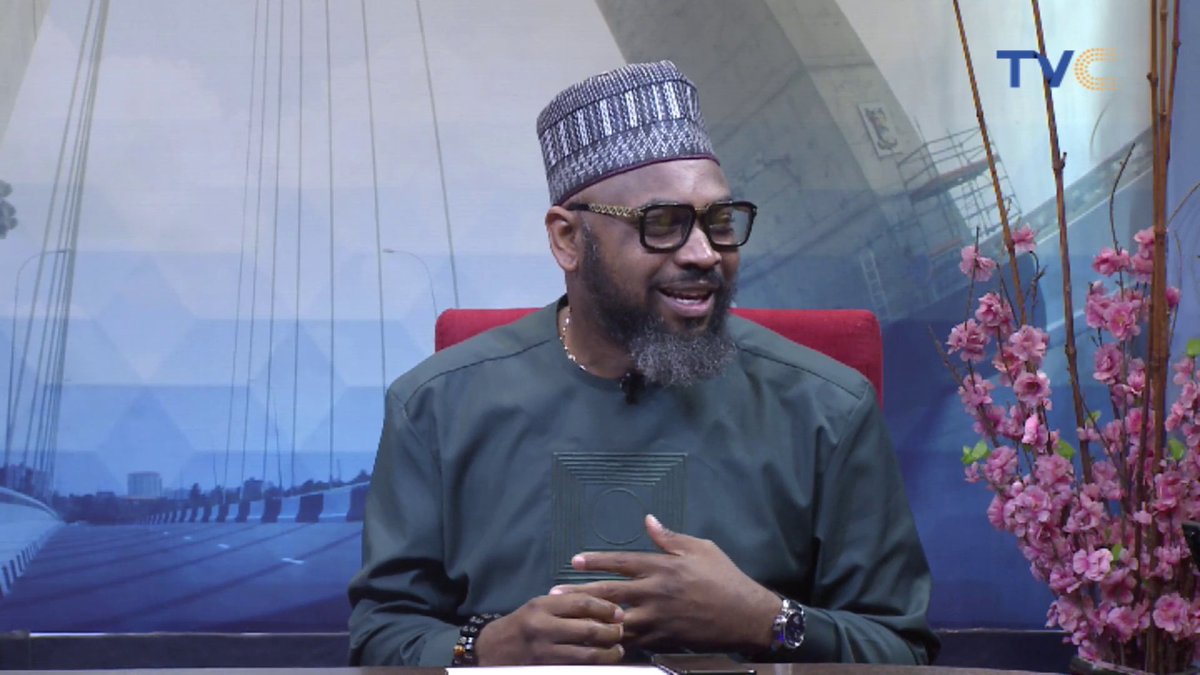
Steve Onu’s work in broadcasting, comedy, and acting has earned him recognition both within Nigeria and beyond. Over the years, he has become one of the most respected voices in Pidgin English radio. This distinction comes not only from popularity but from the quality, consistency, and cultural relevance of his work.
Among his notable professional milestones, Yaw was awarded the Outstanding On-Air Personality of the Decade at the Marketing Edge Awards in 2021. This award recognized his years of dedication to radio broadcasting, his influence on audiences, and his role in introducing Pidgin English as a credible medium for professional media.
In addition to the Marketing Edge recognition, Yaw has received multiple accolades from City People Entertainment Awards and Mode Men Awards which celebrate excellence in Nigerian radio and entertainment. These awards highlight his skill in connecting with listeners, his innovative use of language, and his ability to entertain while engaging with social issues.
Yaw’s achievements are not limited to media awards. In 2012, he served as an Olympic torchbearer for the London Olympics which was a symbolic recognition of his cultural influence and public presence. He has also been recognized by international organizations for his work in media and youth engagement, including initiatives with the United Nations Young Ambassadors for Peace. All of these highlight his role in using media as a platform for positive societal impact.
In a significant recognition of his expertise in comedy and media, Yaw was appointed as an Advisory Board Member of the International Comedy Arts Film Festival (TICAFF) in Canada in 2025. This role makes him the first Nigerian to serve in such a capacity for the festival, which collaborates with the Toronto International Nollywood Film Festival (TINFF) to promote comedy filmmaking on a global scale.
Yaw’s appointment highlights his experience in theatre, film, and radio comedy, and positions him as an influential voice in shaping the programming, mentorship initiatives, and international collaborations of the festival. This reflects the growing global impact of his work and extends his cultural influence beyond Nigeria to the international comedy and film community.
These milestones are more than just awards or titles that mark his consistent commitment to entertainment, culture, and language, and show how one person’s dedication can transform a medium. Through his recognition, younger broadcasters and comedians see a model for blending humour, cultural relevance, and professionalism in ways that resonate with audiences across generations.
Yaw’s public recognition also reflects the changing landscape of the Nigerian media where local languages, cultural expression, and relatable content have become central to audience engagement. His success demonstrates that media personalities who embrace authenticity, cultural identity, and humour can achieve lasting influence, both nationally and internationally.
Overall, Steve Onu’s professional milestones are a testament to his versatility, consistency, and cultural impact. From national awards to international recognition, he has used his platform to entertain, inform, and celebrate the language, humour, and experiences of everyday Nigerians, making him a respected and enduring figure in media.
Yaw as a Cultural Figure
More than a broadcaster, comedian, or actor, Yaw is a cultural figure whose work reflects and celebrates Nigerian life. Through his use of Pidgin English, his humour, and his relatable storytelling, he has connected with audiences in a way that few media personalities have. His presence on radio and television has helped to shape the perception of local languages as valuable tools for entertainment, communication, and cultural expression.
By consistently using Pidgin English on shows like Make Una Wake Up, Yaw gave credibility to a language that had often been sidelined in formal media. His broadcasts made people feel represented. Listeners could hear their everyday speech, jokes, and expressions reflected on air. In doing so, he bridged social and generational gaps, and made radio feel inclusive, accessible, and culturally relevant.
His influence also extends to comedy and acting. On television shows such as Flatmates and Fuji House of Commotion, Yaw portrayed characters that mirrored the Nigerian society. These performances reinforced cultural narratives and gave visibility to urban experiences, family dynamics, and social interactions familiar to his audience. His characters often spoke in the same Pidgin English used on radio, thus creating a cohesive media identity that spans platforms.
Beyond language, Yaw embodies resilience, humour, and relatability. His own life story, from performing in student theatre to selling ice water in Lagos streets while pursuing his craft adds authenticity to his work. Audiences see in him someone who understands everyday struggles.
Yaw’s role as a cultural figure is further strengthened by his impact on the next generation of broadcasters and comedians. Many young talents cite him as an example of how to use local language, humour, and authenticity to engage audiences meaningfully. By demonstrating that success is possible while staying true to culture, he has inspired a new wave of media personalities across Nigeria.
In essence, Yaw represents a bridge between tradition and modern media. He honours Nigerian linguistic and cultural heritage while innovating within contemporary radio and television. His voice, performances, and public persona make him a symbol of cultural pride, and show how entertainment can celebrate identity, language, and shared experiences.
Personal Life
Despite being a household name, Yaw has always kept his personal life private by allowing his work and public presence to define him more than tabloids or gossip. Born Stephen (Steve) Onubuchukwu Onu, he grew up in a large family of ten children in Lagos. These early experiences shaped his character and gave him insight into the everyday struggles and joys of Nigerian life.
Yaw has occasionally shared glimpses of his family life in interviews where he expressed pride in his roots and the lessons he learned growing up. He values the balance between his career and personal wellbeing, often highlighting the importance of discipline, focus, and staying grounded in his community. He is currently single and has no known children.
In addition to his family and upbringing, Yaw’s personal life is marked by a strong connection to Nigerian culture and language. He credits much of his success to understanding the rhythms of everyday life, the humour in ordinary experiences, and the power of Pidgin English as a unifying cultural force. These values are reflected in the way he interacts with listeners, colleagues, and audiences on television.
Even with fame, Yaw maintains a low-profile lifestyle, preferring to focus on creative work rather than public spectacle. This approach has helped him to cultivate a reputation as not only a talented broadcaster and comedian but also a respected and relatable figure who represents the everyday Nigerian in the media spotlight.
Legacy and Continuing Relevance
Steve Onu’s career has left a lasting mark on the Nigerian media, comedy, and culture. From his early days on stage and radio drama to becoming the voice of Wazobia FM and a familiar presence on television, he has consistently demonstrated how talent, authenticity, and cultural understanding can create enduring influence.
One of Yaw’s most significant legacies is his role in popularizing Pidgin English in mainstream media. By showing that Pidgin could be both professional and entertaining, he changed the way audiences perceive language and communication. Today, young broadcasters, comedians, and actors cite him as an inspiration for embracing local languages in their work while connecting meaningfully with audiences.
His comedy also remains relevant and relatable because it reflects the everyday lives of Nigerians. His jokes, stories, and radio interactions are rooted in real experiences, from city traffic and market scenes to family dynamics and social commentary. This relatability ensures that even as trends in media change, his work continues to resonate with listeners and viewers across generations.
Beyond entertainment, Yaw’s influence can be seen in shaping the culture of Nigerian radio and television. He set a standard for professionalism in Pidgin broadcasts by blending humour, cultural insight, and audience engagement. His success encouraged other media houses to experiment with local languages, interactive formats, and relatable content, thus making the media landscape more inclusive and dynamic.
Even today, Yaw remains active in broadcasting, acting, and comedy, mentors younger talents and participates in projects that celebrate Nigerian culture. His presence reminds audiences that media personalities can be both entertainers and cultural ambassadors, people who reflect society, celebrate language, and elevate everyday experiences into shared laughter and conversation.
In essence, Yaw’s legacy is multi-dimensional. He is a performer, a broadcaster, a cultural icon, and a mentor. His continuing relevance demonstrates that authenticity, dedication, and connection to culture can create a career that resonates far beyond the stage or studio, thereby leaving a lasting imprint on both media and society.
In Conclusion …
The journey of Stephen Onubuchukwu Onu from a young theatre student in Lagos to one of Nigeria’s most beloved Pidgin English broadcasters, comedians, and actors is a story of talent, resilience, and cultural impact. Through his work on Wazobia FM, his television appearances, and his live performances, he has shown how humour, language, and storytelling can connect people across generations and social backgrounds.
More than a media personality, Yaw has become a cultural figure that shaped the perceptions of Pidgin English and influenced new generations of broadcasters and comedians. His ability to blend comedy with social commentary, entertainment with cultural insight makes him a role model for authenticity in media.
As audiences continue to engage with his work, his influence remains timeless and relevant, and proves that when creativity meets cultural awareness, media can do more than entertain. It can connect, inspire, and celebrate the shared identity of a nation.
His story is a reminder that authentic voices, rooted in culture and lived experience have the power to shape media, humour, and society itself.
References
- https://www.thecityceleb.com/biography/personality/radio-personality/steve-onu-a-k-a-yaw-biography-age-wife-net-worth-parents-radio-shows-height-instagram/
- https://guardian.ng/saturday-magazine/celebrity/not-just-yaw-of-radio-yaw-yaw-yaw-was-born-for-the-stage-and-screen/
- https://www.modernghana.com/nollywood/4645/i-once-hawked-ice-water-in-lagos-traffic-yaw-of-wazobia-f.html
- https://en.wikipedia.org/wiki/Wazobia_FM
- https://theyesng.com/wazobia-fms-hottest-presenters-reveal-their-success-secrets/
- https://marketingedge.com.ng/wp-content/uploads/2021/11/AWARDS-EDITION-72.pdf
You might want to check this out …