






Igbo Heritage & Achievements
Top 5 Richest Igbo Women Alive in 2026: Wealth, Power and Influence

“Richest Igbo women …” spotlights Igbo women who dominate business, politics, media, and global finance. Discover the top 5 richest Igbo women alive in 2026, their wealth, achievements, and lasting influence.
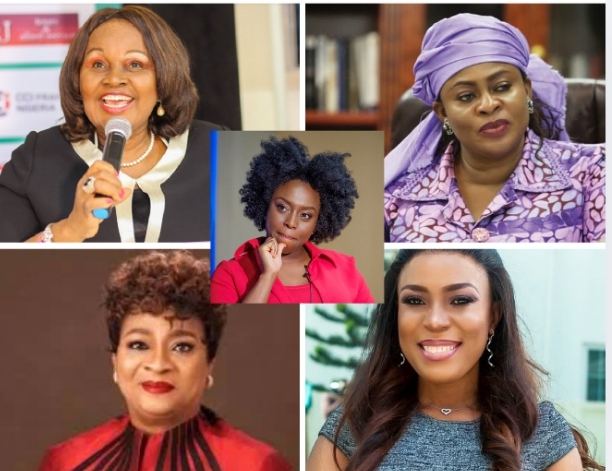
When people talk about wealth in Nigeria, the spotlight often falls on male billionaires and corporate moguls. But that tells only half the story. Across business, politics, finance, media, and literature, some Igbo women have built fortunes that rival the country’s biggest names.
These women did not inherit relevance. They earned it. From pharmaceutical boardrooms to the halls of global finance, from digital media empires to bestselling books read around the world, their journeys are as inspiring as they are impressive.
The richest Igbo women are more than successful. They are builders, investors, and cultural forces. They have created companies, influenced industries, and opened doors for countless others. Their wealth is not based on rumour or flashy social media estimates. It is rooted in verifiable achievements, valuable assets, and years of strategic decision-making.
In this carefully researched ranking, we spotlight the top 5 richest Igbo women alive in 2026. Using publicly available data, business valuations, disclosed assets, executive earnings, media ventures, intellectual property, and real estate holdings, this list goes beyond speculation to focus on real financial power.
From Stella Okoli to Chimamanda Ngozi Adichie, these remarkable women represent the very best of Igbo excellence. Their stories offer more than numbers. They reveal vision, resilience, and the kind of ambition that leaves a lasting mark.
How We Ranked the Richest Igbo Women
Ranking the richest Igbo women is not as simple as picking the most famous names or relying on the often shaky net worth figures that float around online. Celebrity can be loud. Real wealth is usually much quieter.
To create a list that is credible, balanced, and genuinely useful, we looked beyond headlines and social media chatter. Our ranking of the richest Igbo women is based on publicly available information, verified business records, official biographies, financial disclosures, and trusted media reports.
Several key factors guided our assessment. First, we considered business ownership and company valuation. Women who own significant stakes in large companies naturally rank higher, especially when those businesses operate at scale.
We also examined public office and disclosed assets. For political figures, publicly reported holdings and long-standing business interests provide important context.
International executive compensation played a major role, particularly for women who have held senior leadership positions in global financial institutions and multinational organizations.
Media ventures and intellectual property were equally important. In today’s economy, digital platforms, publishing rights, film royalties, and brand licensing can generate enormous long-term wealth.
Finally, we considered real estate holdings and diversified investments. Property portfolios, private equity, and strategic investments often reveal financial strength far better than headline income alone.
Because most private fortunes are not publicly disclosed, exact figures can vary. That is simply the nature of wealth reporting. Still, by focusing on verifiable data rather than speculation, this ranking offers a far more accurate picture of the wealthiest Igbo women in Nigeria today.
In simple terms, this list is not about hype. It is about substance, assets, and lasting financial influence. That is what truly defines the richest Igbo women.
1. Stella Okoli

When discussing the richest Igbo women, one name consistently stands at the very top, and that is Stella Okoli. Born in 1944 in Kano State but originally from Nnewi in Anambra State, Stella Okoli represents one of the strongest examples of long-term wealth built through industry, patience, and vision.
She is the founder and chief executive of Emzor Pharmaceutical Industries, a company she started in 1977 as a small retail pharmacy in Lagos before transforming it into one of Nigeria’s most trusted drug manufacturing brands.
What makes her story stand out among the richest Igbo women is not just the scale of Emzor today but how it grew steadily over decades. From a modest beginning, the company expanded into large-scale pharmaceutical production, manufacturing pain relief drugs, antibiotics, vitamins, and other essential medicines used across Nigeria and West Africa.
Emzor now operates as a major indigenous pharmaceutical manufacturer with a wide distribution network and multiple production facilities. Its growth reflects a carefully built industrial model rather than sudden wealth or speculation.
Stella Okoli’s influence also extends beyond business ownership. She has held leadership positions in major industry bodies such as the Manufacturers Association of Nigeria where she served in senior roles. She is also known for her philanthropic work through the Chike Okoli Foundation, established in memory of her late son to support health awareness and youth entrepreneurship.
Her estimated wealth has been widely reported in different ranges depending on valuation methods. However, she is consistently ranked among Nigeria’s wealthiest women, with estimates reaching several hundred million dollars, based on business assets and company value.
In the conversation about the richest Igbo women, Stella Okoli stands out for one key reason – she built real industrial wealth. Not fast money, not temporary fame, rather, a manufacturing empire that continues to grow across generations.
2. Stella Oduah

Among the richest Igbo women, Stella Oduah stands out for a career that moves between politics, public service, and business interests. Her profile reflects a combination of leadership roles in government and reported private sector engagements that have kept her name in discussions around wealth and influence in Nigeria.
Born in Akili-Ozizor in Ogbaru Local Government Area of Anambra State, Stella Oduah built her public profile through decades of involvement in governance and administration. She rose to national prominence when she served as Nigeria’s Minister of Aviation from 2011 to 2014 under President Goodluck Jonathan. During her tenure, she was at the centre of major reforms and infrastructure projects in the aviation sector.
After her ministerial role, she continued her political journey as a Senator representing Anambra North Senatorial District. Her presence in the National Assembly further strengthened her visibility and influence in national affairs.
When discussing the richest Igbo women, Stella Oduah is often included because of her reported business interests outside politics. These interests are said to span sectors such as real estate, logistics, and energy. However, it is important to note that detailed public financial disclosures in Nigeria are limited. So, most wealth estimates are based on media reports, perceived asset ownership, and known business affiliations, rather than audited personal financial statements.
Her influence is also tied to her long-standing presence in both public and private sectors. Over time, individuals who operate at this level of political and business engagement often accumulate diversified assets, including property investments and strategic holdings which contribute to their perceived net worth.
Stella Oduah remains a notable figure in conversations about the richest Igbo women because of her dual identity as both a public servant and a business-influenced political actor. Her career reflects how power, access, and enterprise often intersect in shaping long-term financial standing in Nigeria.
3. Arunma Oteh
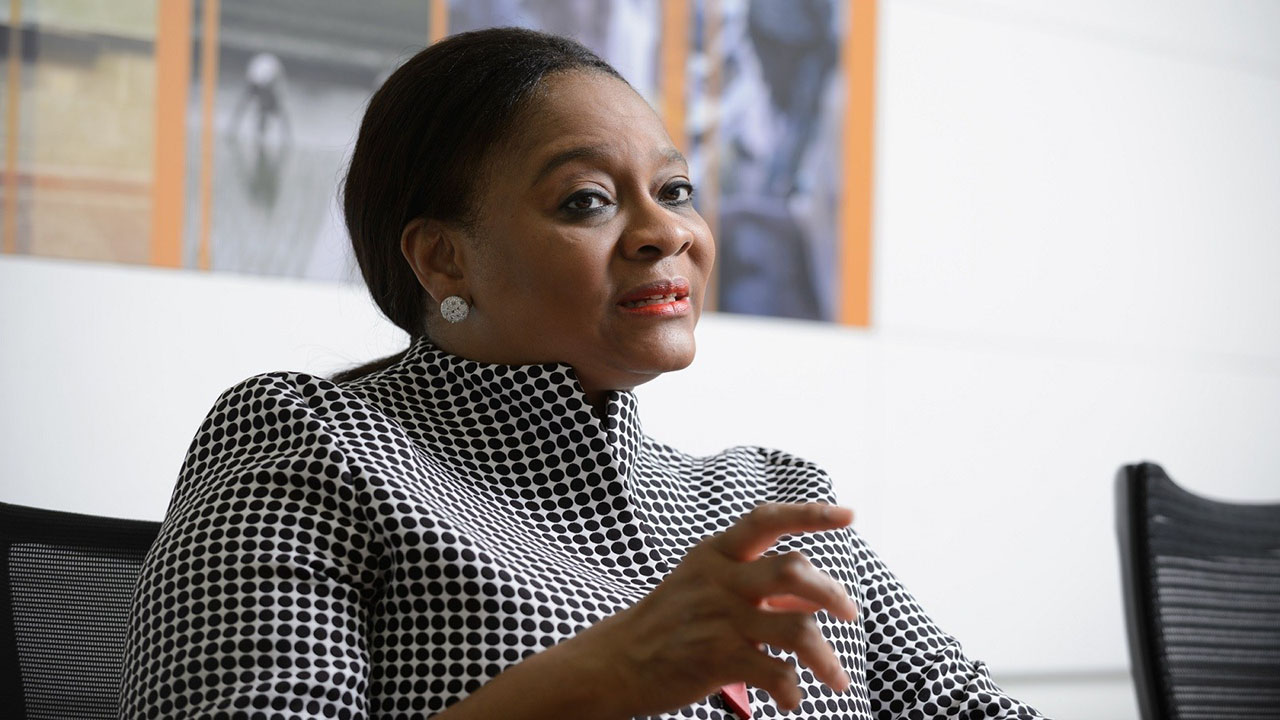
When discussing the richest Igbo women, Arunma Oteh represents a very different kind of wealth story. Hers is not built on entertainment or local business empires, but on decades of high-level international finance, regulatory leadership, and global institutional work.
Born in Abia State, Arunma Oteh built her career through academic excellence and steady progression in economics, public finance, and global development. She first came into national prominence when she served as Director-General of the Nigerian Securities and Exchange Commission where she led major reforms aimed at stabilizing and strengthening Nigeria’s capital markets.
Her career later expanded onto the global stage when she joined the World Bank, and served as Vice President and Treasurer. In that role, she was responsible for managing one of the largest financial portfolios in the world, overseeing funding strategies, global investments, and capital market operations.
This level of international executive responsibility places her in a unique financial category among the richest Igbo women. While she does not have publicly known private business empires like some others on this list, her wealth is largely tied to senior executive compensation, long-term earnings from global institutions, advisory roles, and board-level engagements across international organizations.
Arunma Oteh has also served on several global advisory boards and academic institutions which further contribute to her income and financial standing. Professionals at her level often accumulate wealth gradually through salaries, incentives, investment portfolios, and long-term institutional benefits, rather than direct ownership of companies.
What makes her inclusion in the richest Igbo women discussion significant is the nature of her influence. She represents wealth built through governance of capital rather than ownership of it. Her career reflects how expertise in global finance can translate into sustained financial security and elite economic status.
In many ways, Arunma Oteh shows that the richest Igbo women are not defined by one path. Some build factories, some build brands, and others build influence within the world’s most powerful financial institutions.
4. Linda Ikeji

When the conversation shifts to the richest Igbo women, Linda Ikeji is one of the clearest examples of how digital media can completely transform a life. Born in Nkwerre, Imo State, Linda Ikeji started out with no corporate backing or inherited wealth.
She studied at the University of Lagos and worked several small jobs before turning to blogging in the mid-2000s, at a time the idea of making serious money online in Nigeria was still new and uncertain.
Her blog, Linda Ikeji Blog grew rapidly by consistently publishing entertainment news, celebrity stories, and lifestyle content. Over time, it became one of the most visited blogs in Africa, attracting massive advertising revenue and brand partnerships. This steady growth laid the foundation for her entry into the conversation around the richest Igbo women.
As her platform expanded, she diversified her income streams. Linda moved from blogging into full-scale media production, launching Linda Ikeji TV and investing in digital content creation. She also ventured into real estate, acquiring properties in Lagos and other high-value locations. These investments added long-term stability to her earnings and expanded her asset base beyond online media.
Her wealth is largely built on media entrepreneurship and digital intellectual property. In today’s economy, content platforms can generate significant value, especially when combined with advertising, syndication rights, and brand collaborations. Linda Ikeji understood this early and positioned herself at the centre of it.
What makes her story stand out among the richest Igbo women is not just the income she generates but the independence behind it. She built her brand from scratch, scaled it into a household name, and maintained control over her platform for years.
Linda Ikeji’s journey reflects a shift in how wealth is created in modern Nigeria. It is no longer limited to factories or political offices. Digital platforms, when properly managed, can create lasting financial power and global recognition.
5. Chimamanda Ngozi Adichie
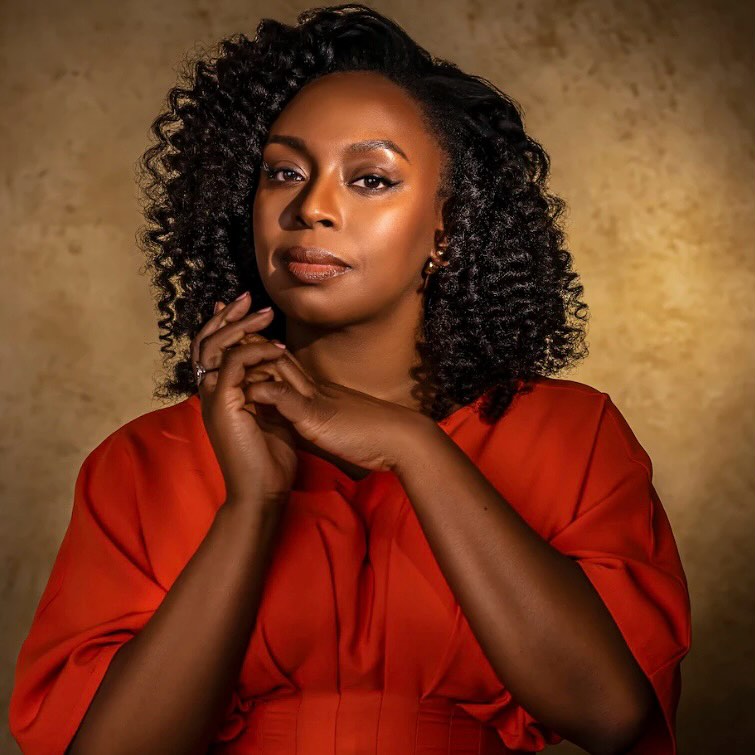
Among the richest Igbo women, Chimamanda Ngozi Adichie stands out in a category of her own. Her wealth is not built on factories, politics, or digital advertising, but rather on something far more enduring – ideas, storytelling, and global literary influence.
She was born in Enugu, raised in Nsukka, Enugu State, and hails from Abba in Anambra State. Chimamanda grew up in an academic environment that shaped her early love for reading and writing. She studied Medicine and Pharmacy briefly in Nigeria before moving to the United States where she eventually focused on Creative Writing and African Studies. That decision marked the beginning of a literary journey that would place her among the most respected writers in the world.
Her breakthrough came with novels such as Purple Hibiscus, Half of a Yellow Sun, and Americanah. These works achieved global success, winning awards, becoming academic texts, and being translated into multiple languages. Half of a Yellow Sun alone brought international attention to the Nigerian Civil War narrative, while Americanah became a bestseller across continents and was later adapted for screen production development.
For the richest Igbo women ranking, Chimamanda’s wealth comes from several interconnected streams. These include book royalties from global publishing houses, speaking engagements at major institutions and conferences, international fellowships, and intellectual property rights tied to her published works. Authors of her stature also benefit from long-term licensing deals, academic adoption of their books, and film or television adaptation rights.
Beyond financial value, her work carries cultural and intellectual weight that has positioned her as one of Africa’s most influential literary voices. Her TED Talk, “We Should All Be Feminists,” further expanded her global reach and was later published as a widely distributed essay book, adding another layer to her income portfolio.
Chimamanda Ngozi Adichie’s inclusion among the richest Igbo women is important because it broadens the definition of wealth itself. It shows that financial success is not limited to physical industries or corporate ownership. Intellectual property, when globally recognized and consistently relevant, can generate sustainable income and long-term economic value.
Her story closes this list with a powerful reminder – influence, when combined with originality and global demand, becomes a form of wealth that transcends borders and generations.
Estimated Net Worth of the Top 5 Richest Igbo Women
Stella Okoli = $500 million – $800 million
Stella Oduah = $80 million – $150 million
Arunma Oteh = $10 million – $20 million
Linda Ikeji = $10 million – $40 million
Chimamanda Ngozi Adichie = $5 million – $15 million
Note that these net worth figures are estimates compiled from publicly available financial reports, media publications, and industry analyses. Exact private wealth figures are not officially disclosed and may vary across sources.
Comparing the Richest Igbo Women
When you place the richest Igbo women side by side, a clear picture begins to emerge. There is no single path to wealth, and there is no single industry that guarantees success. What connects them is not similarity. It is strategy, discipline, and long-term thinking applied in very different ways.
On one end, you have industrial wealth. Stella Okoli built her fortune through manufacturing and healthcare. Her company, Emzor Pharmaceutical Industries represents physical production, distribution networks, and decades of reinvestment. This is wealth built slowly but with strong staying power.
In politics and public life, Stella Oduah reflects a different model. Her financial profile is tied to a mix of public service, reported private investments, and long-standing involvement in sectors such as real estate and energy. Here, influence and access often intersect with asset growth over time.
Then there is global institutional finance represented by Arunma Oteh. Her wealth is built through executive roles in major international organizations like the World Bank and Nigeria’s capital market regulator. This is a salary-driven and investment-linked form of wealth shaped by global systems rather than local enterprise ownership.
In digital media, Linda Ikeji stands out as a self-made entrepreneur who turned online content into a full-scale media business. Her income streams include advertising, digital platforms, real estate, and brand partnerships. This category shows how modern technology has created new routes to financial independence.
Finally, literature and intellectual property bring a unique dimension through Chimamanda Ngozi Adichie. Her wealth is driven by global book sales, speaking engagements, and rights to her published works. Unlike physical businesses, her earnings grow through ideas that travel across cultures and generations.
From this, we can deduce that the richest Igbo women do not follow a single pattern. Some built factories. Some built reputations in government and global finance. Others built media platforms or intellectual brands that now reach audiences worldwide.
What ties them together is not just money. It is consistency over time. Each woman identified an opportunity in her environment and developed it into something larger than expected. Their wealth reflects different systems, but the outcome is the same – lasting financial influence and wide-reaching impact.
What Makes These Women Different?
When you look closely at the richest Igbo women, one thing becomes clear. Their success does not come from a single advantage or a shared background beyond ethnicity. Instead, what sets them apart is how differently each one approached opportunity, risk, and long-term value creation.
First is the way they think about ownership. For someone like Stella Okoli, wealth is tied to building and sustaining a physical company like Emzor Pharmaceutical Industries. Ownership here is direct and deeply rooted in production, distribution, and long-term reinvestment. This kind of wealth grows slowly, but it tends to last across decades.
For others, wealth comes through influence within systems. Stella Oduah represents a pathway where public service, leadership roles, and reported business interests overlap. Her financial standing reflects a combination of career positions, access, and asset accumulation over time.
Then, there is the global institutional path taken by Arunma Oteh. Her career in international finance shows how expertise and leadership within global organizations can create strong financial outcomes without owning large private companies. Here, wealth is linked to compensation, investments, and high-level financial responsibility.
In contrast, Linda Ikeji built her fortune through digital media. She identified early how online content could become a business. Through blogging, media production, and real estate, she turned attention and traffic into structured income streams.
At the intellectual level, Chimamanda Ngozi Adichie shows yet another model. Her wealth is driven by books, global speaking engagements, and intellectual property rights. In her case, ideas become long-term assets that generate value across different countries and platforms.
These richest Igbo women do not follow a single formula. What connects them is not similarity in career paths, it is clarity in decision-making and consistency over time. Each woman recognized a different kind of opportunity and built around it. Whether through manufacturing, governance, global finance, digital media, or literature, they all turned their chosen field into a long-term source of value.
That diversity is exactly what makes their stories powerful.
The Economic Power of Igbo Women
The story of the richest Igbo women is not just about individual success. It is also a reflection of something deeper that has existed for generations, and that is the strong economic presence of Igbo women in trade, business, education, and leadership.
In Igbo society, women have long played active roles in commerce. From local markets to large-scale enterprises, they have participated in economic life in ways that go far beyond supportive roles. This tradition continues today but on a much larger and more global scale.
Modern Igbo women now operate in industries that stretch across continents. For example, Stella Okoli built a manufacturing empire through Emzor Pharmaceutical Industries, supplying essential medicines across Nigeria and West Africa. Her success reflects how industrial ownership can grow from local enterprise into regional economic influence.
In politics and public service, figures like Stella Oduah show how Igbo women have also entered spaces traditionally dominated by men. Her career highlights how leadership roles in government can intersect with broader economic participation through investments and strategic interests.
At the global level, Arunma Oteh represents the strength of Igbo women in international finance. Her work with the World Bank and Nigeria’s capital market system demonstrates how expertise and institutional leadership can translate into significant economic influence beyond national borders.
In the digital space, Linda Ikeji shows how new technology has expanded opportunities. Through blogging, media production, and real estate investments, she built a self-sustaining digital economy that reaches millions of people daily.
Meanwhile, in literature and global culture, Chimamanda Ngozi Adichie has turned storytelling into an international economic force. Her books, essays, and speaking engagements generate value across publishing markets, academic institutions, and global platforms.
The economic power of Igbo women is not new. Historically, women in Igbo communities played key roles in market systems and local trade networks. What has changed is scale and visibility. Today, that same entrepreneurial spirit now operates in pharmaceuticals, politics, global banking, digital media, and publishing.
Key drivers of this economic influence include:
- Strong participation in commerce and trade
- Early adoption of new business opportunities
- Willingness to diversify income sources
- Expansion from local markets to global platforms
- Strategic use of education and professional expertise
Understanding the economic power of Igbo women helps to explain why the richest Igbo women are able to build such varied and lasting forms of wealth. Their success is not isolated. It is part of a broader cultural and historical pattern of enterprise, adaptability, and resilience.
From local markets to global boardrooms, Igbo women continue to play a powerful role in shaping economic activity in Nigeria and beyond.
Conclusion …
The story of the richest Igbo women is ultimately a story about different paths leading to the same outcome – lasting financial influence built through years of work, decisions, and persistence.
From Stella Okoli and her pharmaceutical empire in Emzor Pharmaceutical Industries, to Stella Oduah and her blend of public service and business interests, each woman represents a distinct model of wealth creation rooted in her environment and choices.
In global finance, Arunma Oteh shows how expertise and leadership within international institutions can translate into long-term economic strength. In digital media, Linda Ikeji demonstrates how online platforms can evolve into full-scale businesses with real-world assets. In literature, Chimamanda Ngozi Adichie proves that ideas, when widely shared and valued, can also become a powerful source of wealth.
What ties them together is not a single formula, rather, consistency over time. Each of these richest Igbo women identified an opportunity, committed to it, and built something that continues to generate value years later.
The stories of these richest Igbo women also carry a wider message. Wealth is not limited to one industry, one background, or one method. It can grow through manufacturing, politics, finance, media, or intellectual work. What matters most is direction, discipline, and the ability to think beyond immediate gains.
In the end, the richest Igbo women are not only a reflection of financial success. They are a reminder that with vision and persistence, different paths can lead to extraordinary outcomes.
References
- https://makemoney.ng/richest-women-in-nigeria/
- https://lists.ng/meet-nigerias-10-richest-women-and-what-they-do/
- https://howng.com/5-richest-igbo-women-in-nigeria/
- https://en.wikipedia.org/wiki/Chimamanda_Ngozi_Adichie
- https://newswirengr.com/2022/08/10/top-5-richest-igbo-women-and-their-source-of-wealth/
You may want to check this out …








