
Nnewi News
Top Notable Caves in Nigeria: Explore Nature’s Hidden Wonders

Top notable caves in Nigeria offer a sneak peak into the heart of the country’s natural wonders, from Ogbunike and Amanchor to Awhum and Ngwo. Explore their history, culture, and beauty.
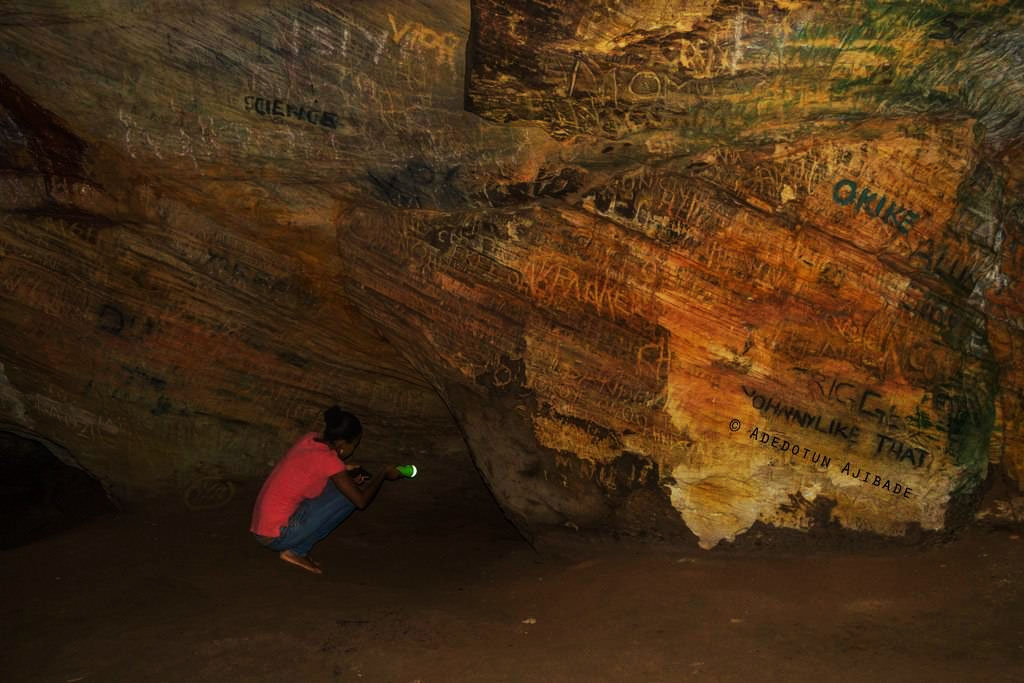
Nigeria is a land of breathtaking landscapes, hidden natural treasures, and rich cultural heritage. Among its most fascinating wonders are the top notable caves in Nigeria, each offering a unique combo of history, geology, and adventure.
From the sprawling chambers of Ogbunike Cave in Anambra State to the serene waterfall cave at Awhum in Enugu, these caves are gateways into the country’s past, its spiritual traditions, and its natural beauty.
Whether you are an adventurer seeking thrilling exploration, a nature lover captivated by underground streams and limestone formations, or a culture enthusiast eager to learn about local traditions, top notable caves in Nigeria provide unforgettable experiences.
In this guide, we take you on a journey through the most impressive caves across Nigeria, highlighting their history, cultural significance, tourism appeal, and practical tips for visiting these natural marvels safely.
What Makes a Cave Notable in Nigeria
Not all caves are created equal, and in Nigeria, certain caves stand out due to a combination of geological uniqueness, cultural significance, historical relevance, and tourism potential.
Geological Features
Many of the top notable caves in Nigeria are formed in limestone and granite terrains and create impressive natural structures such as tunnels, chambers, stalactites, and stalagmites. For example, Ogbunike Caves in Anambra State feature interconnected tunnels and deep chambers carved over millions of years while Awhum Cave in Enugu State is set within massive granite formations accompanied by a waterfall. These natural formations make caves visually striking and appealling for adventure tourism and geological studies.
Cultural and Spiritual Importance
Most of the top notable Caves in Nigeria often carry spiritual and cultural weight. Communities have historically used caves for rituals, prayers, and festivals. For instance, Ogbunike Caves is a sacred site where locals hold annual celebrations while Awhum Cave is associated with healing and meditation by pilgrims visiting the nearby monastery. Such cultural connections make a cave notable beyond its physical features.
Historical Significance
Some top notable caves in Nigeria served as refuges during times of conflict or crisis. Amanchor Cave in Ebonyi State, for example was historically used as a hiding place during the Nigerian Civil War. These historical roles enhance a cave’s significance and attract both scholars and tourists interested in Nigeria’s past.
Tourism and Adventure Potential
Caves that combine natural beauty with accessibility and surrounding attractions tend to gain recognition. Sites with waterfalls, underground rivers, and nearby forests such as Ngwo Cave in Enugu State are perfect for adventure tourism, photography, hiking, and eco-tourism. The integration of nature, adventure, and cultural narratives makes these top notable caves in Nigeria highly intriguing and appealling for both domestic and international visitors.
Essentially, top notable caves in Nigeria are defined not only by their sizes or geological uniqueness but also by its cultural heritage, historical relevance, and tourism appeal. These elements together create experiences that are educational, spiritual, and adventurous, and thus tag the caves among the most fascinating natural attractions in West Africa.
Top Notable Caves in Nigeria
Ogbunike Caves (Anambra State)

Ogbunike Caves is arguably one of the most famous and culturally significant natural cave systems in Nigeria. It is located in Ogbunike town, Anambra State nestled in a valley blanketed by tropical rainforest behind the Ogba hills. This cave system is widely recognized for its geological formation, historical importance, and rich biodiversity, making it a standout example among the top notable caves in Nigeria.
The entrance to Ogbunike Caves is reached by descending about 317 concrete steps, a walkway said to have been constructed by the Anambra State Government to improve access for visitors. By tradition, visitors remove their shoes at a reception point before entering as a mark of respect for the site’s spiritual and cultural significance.
At the mouth of the main cave is a large open chamber measuring approximately 5 meters high, 10 meters wide, and 30 meters long. From this chamber, ten tunnels branch off in different directions, creating a network of interconnected passages and chambers. The caves are home to colonies of bats and are interspersed with small streams and bodies of water. One notable feature is where an underground stream exits the cave and meets the rapidly flowing River Nkissa. Here, visitors can feel the warm water from the cave meet the cold river water. This is a unique natural experience.
The surrounding area also supports thick rainforest vegetation within roughly a 200‑meter radius, providing habitat for diverse wildlife including birds, reptiles, and small mammals. The site covers about 20 hectares and helps to protect its natural integrity from human encroachment.
Ogbunike Caves have been revered by local communities for centuries. The caves are deeply rooted in Igbo spiritual traditions, and many still regard parts of the site as sacred. There is an annual cultural celebration called “Ime Ogba” held in honour of the discovery of the cave and its significance to the community.
In recognition of its combined natural and cultural value, Ogbunike Caves were added to UNESCO’s World Heritage Tentative List in the early 2000s as a step toward potential future designation as a full UNESCO World Heritage Site.
Beyond its spiritual and cultural importance, the site has also served practical historical roles. Oral traditions indicate that locals took refuge within parts of the cave during difficult periods of history, including times of conflict, underscoring its place among Nigeria’s most notable caves.
Awhum Cave (Enugu State)
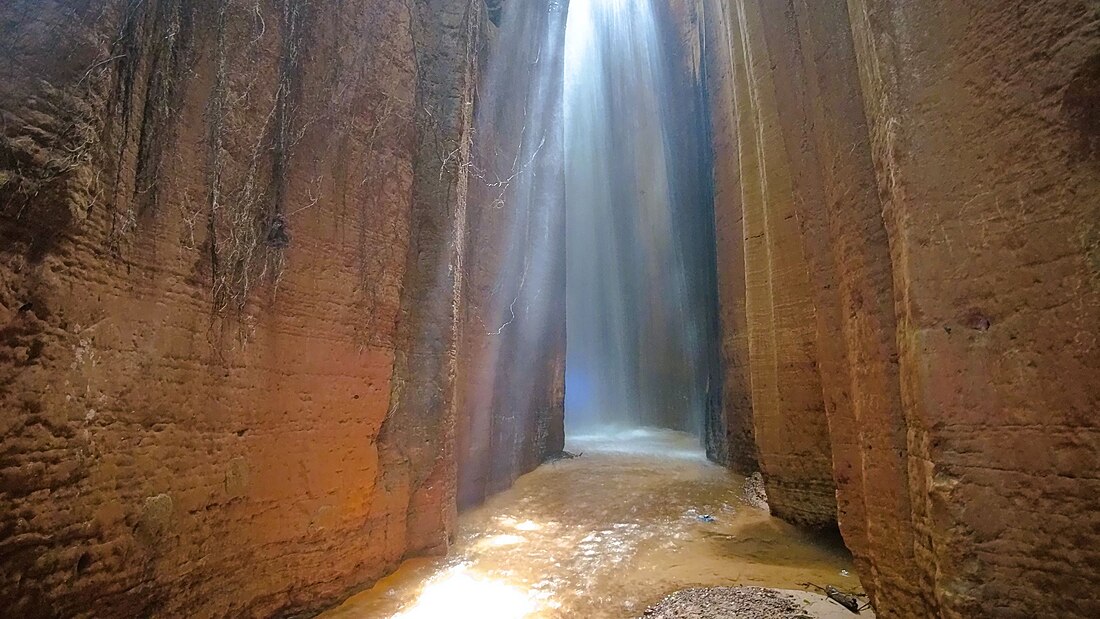
Awhum Cave is one of the top notable caves in Nigeria and a key natural attraction in Enugu State. It lies in Amaugwe village of Awhum town, within Udi Local Government Area, about 24 km northwest of Enugu city. This cave is part of a larger natural site that includes the Awhum Waterfall, a striking cascade and cultural landscape formed from massive granite rock outcrops.
The cave and waterfall are the result of a massive granite formation that channels water over its edge, creating a 30‑meter high waterfall. Some sections of the waterfall remain warm throughout the year which locals believe is due to underground thermal springs. This unusual feature adds to the site’s mystique and appeal.
The cave itself snakes through the granite formations and is intertwined with the watercourse. Limestone and granite channels inside the cave allow sunlight to filter through small openings, illuminating the interior and casting natural light on the stream that flows along the cave floor. The presence of twin cascades – one entering the cave midway and another larger drop farther in enhances its geological interest.
Beyond its natural beauty, Awhum Cave holds historical significance. During the Nigerian Civil War, locals sought refuge within the sturdy rock walls as the cave provided shelter from bombardments and conflict. Its solid structure made it a place of sanctuary for those in the surrounding communities.
The entire site comprising waterfall, cave, and surrounding valley is closely associated with spiritual and cultural practices. The Our Lady of Mount Calvary Monastery, one of the first monasteries established in Nigeria manages access to the caves and waterfall, this adds a layer of spiritual significance and pilgrimage activity, especially for Christian visitors. Some locals and visitors believe the waters have curative properties and the ability to ward off evil when sprinkled in homes or used in prayer rituals.
Visitors typically walk from the monastery area toward the waterfall and cave entrance, enjoying scenic views of rolling grassy hills, pristine lakes, and lush forest canopy along the way. The path provides a peaceful transition from the monastery’s calm to the natural drama of water and rock.
Today, Awhum Cave attracts tourists, nature lovers, and pilgrims alike. Its mix of geological wonder, natural beauty, historical depth, and spiritual resonance makes it one of the most compelling entries among the top notable caves in Nigeria.
Amanchor Cave (Ebonyi State)

Amanchor Cave is one of the top notable caves in Nigeria located in the Etiti community of Edda in Afikpo South Local Government Area, Ebonyi State in southeastern Nigeria. This significant natural site stretches for about 4 kilometers which makes it one of the longest known cave systems in the region and a key geological and cultural landmark.
The cave was reportedly discovered by a local hunter named Ofia Ugo who named it Ogba Amanchor. Ogba is an Igbo name for cave and Amanchor refers to the host village. The main entrance features a step‑like natural formation supported by a wooden ladder built by community members, and stands roughly 6 meters high.
Inside, Amanchor Cave contains multiple tunnels and passageways that weave through the underground rock, including features locally known as the window and door openings that lead into different sections of the cave and offer views into chambers below.
The cave is rich in local cultural significance. An annual festival called Orie‑Ogba is traditionally held on the last Orie market day of the year when community members gather to celebrate and honour the heritage of the cave.
Ecologically, the cave is home to bat colonies comprising both insect‑eating and fruit‑eating species. These bats emerge at dusk and return at night, adding to the atmospheric experience of the site.
Historically, Amanchor Cave also served as a refuge for local people during the Nigerian Civil War as it offered shelter and safety for residents from surrounding areas.
While infrastructure and visitor facilities remain limited, the Ebonyi State Government has recognized Amanchor Cave’s tourism potential and is exploring partnerships to develop the site for eco‑cultural tourism, improve access, and preserve its natural and cultural heritage.
Overall, the geological length and tunnel system of Amanchor Cave, cultural rituals, historical role as a sanctuary, and ecological features make it an important and fascinating entry among the top notable caves in Nigeria.
Ngwo Cave (Enugu State)

Ngwo Cave is one of the top notable caves in Nigeria nestled within the scenic Ngwo Pine Forest in Ngwo, Enugu State. This natural site combines a limestone cave with a unique waterfall feature that makes it a serene and intriguing spot for nature lovers, hikers, and cultural explorers alike.
The cave is formed from limestone rock and is situated in the hillside of Milliken Hill, under a canopy of tall pine trees that create a peaceful forest environment. A small waterfall flows into the cave through an opening in its roof, falling into a shallow pool on the cave floor before continuing as a gentle stream. This combination of cave and waterfall gives Ngwo a distinctive appeal among the top notable caves in Nigeria.
Visitors typically reach Ngwo Cave by walking down a winding stone‑paved trail from the edge of the pine forest. The descent through the cool shade of the forest, accompanied by the sound of water and birdsong adds to the sense of discovery. Parts of the cave are easily accessible while some sections require careful stepping or a short climb, and offer a mild adventure for visitors.
The surrounding Ngwo Pine Forest enhances the cave’s charm, with tall pine trees first planted to help control soil erosion now serving as a tranquil recreation space for picnics, hikes, and nature photography. Many see the forest and cave as a peaceful escape from urban life and a refreshing way to connect with nature.
Culturally, Ngwo Cave holds significance for local communities and is sometimes regarded as a sacred or meaningful place within Igbo traditions. While not as formally documented in historical records as some other Nigerian caves, its natural beauty and continued use by locals and tourists alike secure its reputation as one of the top notable caves in Nigeria’s tourist landscape.
Overall, the blend of limestone formations, cascading water, forest setting, and recreational appeal makes Ngwo Cave an inviting and memorable destination, a peaceful complement to Nigeria’s more widely known cave sites.
Other Notable Caves and Rock Caves in Nigeria
Beyond the well‑known systems like Ogbunike, Awhum, Amanchor, and Ngwo, Nigeria is home to additional cave‑like sites and rock shelters that are of geological, historical, or cultural interest, even if they are not major cave systems or widely developed tourist destinations. These formations add depth to the story of the top notable caves in Nigeria by highlighting lesser‑known natural features with local significance.
Gooya Valley Caves (Yobe State)
In Fika Local Government Area of Yobe State, Gooya (or Gòoya) Valley is a deep gorge that contains numerous rock hollows, gullies, and small caves carved into its steep walls. The name Gooya refers to the valley itself which is an archaeological and natural site featuring rugged terrain with caves and shelters historically used as refuge and defensive hideouts by the Karai‑Karai people during intertribal conflicts long before colonial times.
The remnants of ancient walls and settlements can still be seen in the valley as reflection of both natural and human history. While Gooya is more renowned for its dramatic gorges than for large cave complexes, its small caves and hollows remain points of interest for tourists, hikers, and researchers exploring Nigeria’s geological diversity.
Local Caves and Rock Shelters (Anambra State)
In parts of Orumba North and South Local Government Areas in Anambra State, geological surveys and local accounts note the presence of small caves and rock shelters, particularly around towns like Ajalli and Obinikpa village.
Compared the top notable caves in Nigeria, these sites are less established as formal tourist attractions. Nonetheless, they form part of Nigeria’s cave heritage landscape. Traditionally referred to locally as Ogba in Igbo, these hollows have been used over time for practical purposes such as water source collection, and they may have served as hiding places or shelters during historical periods of conflict.
Though not as expansive as Ogbunike or other major cave networks, they represent community‑level geological features that contribute to the broader picture of natural underground sites in southeastern Nigeria.
These additional cave and rock shelter sites may not draw large crowds yet, but their existence underscores the geological richness and cultural history found across Nigeria’s landscapes. With careful study and sustainable tourism development, some of these lesser‑known formations could be elevated as part of local heritage and nature‑based tourism circuits to further expand the list of top notable caves in Nigeria for explorers and culture enthusiasts alike.
Cultural and Historical Significance of Top Notable Caves in Nigeria
The top notable caves in Nigeria are not only natural wonders but also repositories of culture, history, and tradition. Many of these caves have been integral to local communities for centuries, serving spiritual, ceremonial, and practical purposes.
Caves like Ogbunike in Anambra State and Awhum in Enugu State are considered sacred sites. They are often linked to local religious practices, rituals, and annual festivals. For instance, the Ime Ogba festival at Ogbunike celebrates the discovery and heritage of the caves. It attracts thousands of participants and highlights the community’s spiritual connection to the site.
Several caves also have historical significance as refuges during times of conflict. Amanchor Cave in Ebonyi State and parts of Ogbunike served as shelters for local people during the Nigerian Civil War by providing safety and protection. These historical roles have cemented the status of the caves as cultural landmarks that preserve local memory and heritage.
Beyond conflict and spirituality, caves have been sites for storytelling, community gatherings, and traditional rites. In some regions, natural formations and hidden hollows in caves are associated with ancestral spirits, and that reinforce their role in cultural continuity. Small caves in towns like Ajalli and Obinikpa in Anambra State, though less famous, also hold cultural value for local communities, serving as shelters and traditional gathering spaces.
In essence, the cultural and historical significance of caves in Nigeria enhances their appeal beyond geology and adventure. Their sacred status, historical roles, and integration with local traditions make them notable destinations for both tourists and researchers as they offer insights into the spiritual and historical fabric of Nigerian communities.
Adventure and Tourism Opportunities in The Top Notable Caves in Nigeria
Apart from being geological wonders, the top notable caves in Nigeria are thrilling adventure and tourism destinations that attract visitors from across the country and beyond. These caves offer unique experiences that combine exploration, natural beauty, and cultural engagement.
For adventure seekers, caves like Ogbunike in Anambra State and Awhum in Enugu State provide exploration opportunities through winding tunnels, hidden chambers, and underground streams. Visitors can hike descending steps, climb rocky paths, and navigate cave passages while enjoying the thrill of discovering underground landscapes that have remained largely unchanged for centuries.
Many top notable caves in Nigeria such as Ngwo Cave in Enugu State are situated in lush forested areas or near waterfalls where visitors can enjoy forest trails, birdwatching, and photography. The combination of caves and surrounding ecosystems creates a holistic eco-tourism experience, thereby attracting nature lovers who want to appreciate both underground formations and above-ground biodiversity.
Caves like Amanchor in Ebonyi State offer insights into local traditions, festivals, and spiritual practices. Tourists can engage with local guides to learn about the historical uses of caves as refuges and the cultural ceremonies tied to them. This adds a cultural dimension to the adventure and makes each visit both educational and memorable.
The scenic beauty of these top notable caves in Nigeria coupled with waterfalls, streams, and unique rock formations, provides excellent opportunities for photography, picnics, and quiet reflection. Many tourists visit for the serene environment, the cool temperatures inside caves, and the chance to experience nature away from urban life.
Overall, the adventure and tourism potential of top notable caves in Nigeria is immense. Whether it’s exploration, eco-tourism, cultural immersion, or leisure, these natural formations provide diverse experiences that make them key attractions in Nigeria’s growing tourism landscape.
Challenges and Conservation of the Top Notable Caves in Nigeria
While the top notable caves in Nigeria attract tourists and adventurers, they also face several challenges that impact their preservation and sustainable tourism. Addressing these issues is crucial to safeguarding both the natural and cultural value of these sites.
Many caves such as Ogbunike and Ngwo are surrounded by forests and rivers which makes them vulnerable to deforestation, soil erosion, and pollution. Encroachment by nearby settlements, uncontrolled tourism, and littering can degrade the geological features and ecosystems that make these caves unique.
Limited infrastructure in caves like Amanchor and smaller local caves in Anambra State affects visitor access, safety, and comfort. Poor signage, unstable pathways, and lack of lighting can make exploration risky, especially for first-time visitors or children. Developing safe walkways, guided tours, and visitor facilities is essential for promoting responsible tourism.
Many caves hold spiritual or sacred significance for local communities. Tourist activities that disregard traditional rules such as wearing shoes in sacred areas or disturbing rituals can lead to cultural conflicts. Education for visitors and collaboration with local custodians is necessary to balance tourism with respect for cultural heritage.
Conservation initiatives are gradually improving. For instance, the inclusion of Ogbunike Cave in UNESCO’s Tentative World Heritage List highlights global recognition of its ecological and cultural value. Local and State governments are also exploring partnerships to develop eco-tourism, enforce environmental protection, and maintain traditional practices. Community-led efforts such as guided tours and festival celebrations, help to promote awareness while generating income for preservation.
Simply put, challenges and conservation of the top notable caves in Nigeria require a coordinated approach that addresses environmental protection, visitor safety, and cultural sensitivity. Sustainable tourism and responsible management are key to ensuring that these natural and cultural treasures remain intact for future generations.
Tips for Visiting Top Notable Caves in Nigeria
Just in case you are plan to explore any of these top notable caves in Nigeria, here are some practical tips:
- Go in dry season: Trails and access points are easier to navigate during the dry period, typically from November to March.
- Bring essentials: Flashlights or headlamps, sturdy shoes, and water will help you explore safely.
- Respect cultural norms: Follow local rules and guidance, especially in spiritually significant sites like Ogbunike and Awhum.
- Hire local guides: Knowledgeable guides enhance safety and enrich your understanding with local history and tradition.
In Conclusion …
Nigeria is home to some of the most remarkable natural wonders in West Africa, and the top notable caves in Nigeria are shining examples of this diversity. From the expansive tunnels of Ogbunike Cave in Anambra State to the serene waterfall‑fed Awhum Cave in Enugu, the extensive Amanchor Cave in Ebonyi, and the scenic Ngwo Cave in Enugu, these sites offer a rich experience of geological beauty, cultural heritage, historical significance, and tourism opportunities.
Beyond their natural allure, the top notable caves in Nigeria are living repositories of culture and history that serve as sacred sites, traditional gathering spaces, and even refuges during times of conflict. Adventure seekers, nature enthusiasts, and cultural explorers alike can experience the thrill of underground exploration, the tranquility of forested surroundings, and the stories of communities that have revered these caves for generations.
While challenges such as environmental degradation, limited infrastructure, and cultural sensitivity persist, ongoing conservation efforts and sustainable tourism practices are helping to preserve these top notable caves in Nigeria. By protecting and promoting these caves responsibly, Nigeria can ensure that future generations continue to discover, learn from, and be inspired by these remarkable underground landscapes.
The top notable caves in Nigeria are gateways into the country’s natural wonders, historical narratives, and cultural soul that invite every visitor to explore and appreciate the hidden beauty beneath Nigeria’s landscapes.
References
- https://whc.unesco.org/en/tentativelists/5174/
- https://guardian.ng/life/caving-nigeria-10-caves-you-should-know/
- https://naturenews.africa/enugus-awhum-waterfall-blends-natural-splendour-with-cultural-heritage/
- https://en.wikipedia.org/wiki/Amanchor_Cave
- https://hotels.ng/guides/beaches/take-a-refreshing-tour-of-ngwo-caves-and-waterfall
- https://en.wikipedia.org/wiki/Gooya_Valley
- https://nnewicity.com/amanchor-cave-afikpo-nigerias-hidden-cultural-treasure-beneath-the-hills/
- https://www.iosrjournals.org/iosr-jhss/papers/Vol20-issue11/Version-2/C0201121320.pdf