





African History
Ossomala Town in Anambra State: History, Traditions, Key Facts

Ossomala is a riverine town in Anambra State with a rich culture, history, traditions, and community life defined by its location along the River Niger. Learn key facts about its people, economy, environment, and daily life.

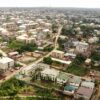
Ossomala is a vibrant riverine town located in Anambra State, Nigeria within the Ogbaru Local Government Area. Known for its fertile lands along the River Niger, the town has built a reputation as a hub for agriculture, fishing, and rich cultural traditions.
Ossomala is home to Igbo people who are known to maintain deep-rooted customs and celebrate festivals like the Okposi New Yam Festival which showcases their heritage and community spirit.
With a history shaped by its strategic riverbank location, Ossomala offers a unique blend of cultural vibrancy, economic resilience, and natural beauty.
This town profile explores the history, traditions, economy, environment, and key facts about Ossomala with highlights on why it remains an important and culturally rich community in Anambra State.
History and Origins of Ossomala
Ossomala is part of the wider Ogbaru region in Anambra State which has a long history that is influenced by its position along the River Niger. Ogbaru itself is one of the local government areas in Anambra State and includes about twenty riverine communities which include Ossomala, Atani, Obeagwe, Akili Ogidi, Umunankwo, and others that share similar cultural and economic patterns.
Ogbaru was officially created as a local government area in 1996 but the communities that now make up the LGA have existed for many generations as interconnected settlements rooted in farming and fishing life along the river.
Historically, the people of Ossomala and neighbouring Ogbaru communities have been part of the Igbo ethnic group, one of the largest and most influential ethnic identities in southeastern Nigeria. The Igbo-speaking people of Ogbaru consider the waters of the River Niger not just a natural resource but part of their territorial identity because the river supports their livelihood and shapes their community life.
In the early 20th century, the Ogbaru area, including Ossomala was recognized in colonial administrative structures. In 1906, a Native Court was established at Ossomala as part of a system covering the surrounding communities as a reflection of its early role as a point of local governance and customary law under colonial rule.
Representatives from Ossomala sat alongside representatives from towns such as Akili Ozidi, Obeagwe, Umunankwo, and others in this court which contributed to local dispute resolution and social order at the time.
Though precise records of the founding of Ossomala itself are limited in formal historical literature, the growth and development of the town reflect broader patterns in Ogbaru history where settlements emerged and expanded due to fertile land, abundant fish supplies, and river transport routes that supported trade and communication among riverine communities.
The historical connections between the towns in Ogbaru show shared cultural, economic, and social ties that reach back many decades before modern local government structures were established.
Over time, the people of Ossomala have maintained cultural traditions and community governance systems that blends customary practices with modern administrative frameworks under the Ogbaru Local Government Area. This rich backdrop of riverine life and collective identity helps to explain why the town remains an important and enduring part of the cultural and economic landscape of Anambra State.
Geography and Environment
Ossomala is located within Ogbaru Local Government Area in Anambra State in the southeastern part of Nigeria. Ogbaru lies on the low‑lying floodplain of the River Niger, and Ossomala occupies part of the eastern bank of this major West African river.
The stretch of land that includes the community and neighbouring communities forms a broad, flat terrain forged by frequent river movements and alluvial deposits. This landscape gives the area soil that is fertile and productive for farming and also highly susceptible to flooding.
The Ogbaru area spans roughly 387 to 450 square kilometers and sits within a tropical climate that has a long rainy season and a shorter dry season. The rainy season typically runs from March to November, with heavy rainfall supported by the humid tropical climate of southeastern Nigeria. Average annual rainfall in the region can be substantial and provides abundant water for crops and contributing to rising river levels and flood risks.
The soil in and around the town consists mainly of alluvial deposits from the River Niger. These are layers of sand, silt, and clay left behind over many years as the river has changed course and flooded neighboring lands. The sandy portions of this soil help support drainage and crop growth while the silt and clay portions retain water and nutrients which makes the land rich for food crops like yam, cassava, maize, rice, and vegetables. However, these same soil characteristics, along with the flat, low‑lying terrain also mean that water spreads widely when the river overflows its banks.
The proximity of the town to the Niger River provides significant benefits for agriculture and fishing, since freshwater resources and fertile floodplain soils make farming productive and fish populations abundant. This natural environment supports the major livelihoods and underpins local food production.
At the same time, the geographic setting brings recurrent environmental challenges. Seasonal flooding is a regular feature of life in Ossomala and broader Ogbaru communities. When heavy rains raise the level of the River Niger, water flows onto the floodplain and submerges farmland, roads, and homes, and disrupts planting and harvest seasons. These flood events have been reported repeatedly over the years and affect crops, infrastructure, and access to communities.
The flatness of the land means that even modest increases in water level can spread across large areas, thus making drainage slow and drainage planning difficult. Floodwaters often wash over roads and bridges, eroding surfaces and making travel difficult or impossible without boats. In some cases, key road links and bridges near Ossomala have been damaged or collapsed because of combined forces of flooding and erosion.
Despite these challenges, the fertile alluvial soils, year‑round water supply, and river access continue to affect the identity of the community. Its geography deeply influences how people live, farm, trade, and cope with environmental extremes and makes the environment both a source of livelihood and an ongoing test of resilience for residents.
People and Culture
The people of Ossomala are part of the Igbo ethnic group which happens to be one of the largest and most culturally vibrant groups in southeastern Nigeria. As members of the Ogbaru riverine communities in Anambra State, residents of Ossomala share language, traditions, and ways of life that reflect both Igbo culture and their unique riverside setting. Igbo language is widely spoken in the town, and traditional customs are woven into daily life, social structures, and community events.
Ossomala is structured around extended families and village groups that form the core of social interaction. The town is traditionally led by a town ruler known as the Atamanya and supported by elders and chiefs drawn from its constituent villages. These leaders help to guide community decisions, settle disputes, and preserve cultural values. Collaboration among villages is important to community unity and decision‑making, especially for cultural and development activities.
Family life in Ossomala is often communal, with extended families living close to one another and supporting one another in farming, fishing, and celebrations. Women play significant roles in community life through farming, trading, cultural events, and women’s groups that support social bonding and mutual cooperation.
One of the most important cultural celebrations in Ossomala is the Okposi Festival which is the local version of the New Yam Festival. This festival marks the end of the yam harvest and the beginning of a new farming cycle. It is a time of thanksgiving to God and ancestral spirits for a good harvest and blessings on the community.
During the Okposi Festival, the traditional ruler leads prayers of thanksgiving, cultural dances, songs, and feasting that bring the entire town together. Elders, women, and youths all participate in reinforcing the community identity and shared heritage.
At the Okposi Festival, community leaders emphasize the importance of culture and brotherhood. The festival is considered a central part of Ossomala cultural life, not a practice of idol worship but an expression of gratitude for agricultural productivity and a celebration that unites families and reinforces social values.
Like many Igbo communities, traditionally Ossomala people also engaged in practices such as breaking kola nuts which is a customary act of hospitality and blessing offered during gatherings and ceremonies. The kola nut ritual symbolizes peace, respect, and welcome to guests.
Because the community is riverine, water also plays a role in some traditional beliefs and practices. Many river communities in this part of Igboland recognize spiritual aspects of water and may include water‑related songs, stories, and symbolic acts during festivals and community gatherings.
Today, a significant portion of the population practices Christianity which reflects the broader religious landscape of southeastern Nigeria. Churches such as Catholic and Anglican denominations are active in the community. There is a blending of Christian worship with cultural expressions and community life. Even with the spread of Christianity, traditional cultural identity remains strong, and many events like the Okposi Festival reflect a mixture of cultural reverence and gratitude that fits with both faith and heritage.
Igbo language is central to cultural expression in Ossomala. It is used in daily communication, storytelling, cultural songs, and ceremonies. Language plays a key role in passing traditions, values, and shared history from generation to generation.
Cultural life in Ossomala also includes music and dance which are essential at festivals, communal work events, and celebrations. Traditional music helps to preserve history, entertain during ceremonies, and connect generations through shared rhythms and songs. Women’s singing and dance, men’s drumming and performance, and youth groups often participate in activities that reflect the cultural heritage of the town.
Food in the community reflects both agricultural productivity and riverine living. Dishes made from yam, cassava, and fish are common. Yam, in particular holds cultural importance across Igboland and is symbolic of wealth, sustenance, and community well‑being. Celebrations that feature traditional dishes help to bring families together and preserve culinary heritage.
Ossomala cultural identity is rooted in togetherness, hospitality, and cooperation. Despite challenges, residents continue to value education, farming, and cultural traditions. Elders and youth work together to keep cultural practices alive, thereby blending respect for the past with aspirations for the future.
Economy and Livelihood
The economy of Ossomala is influenced by its location within the Ogbaru Local Government Area of Anambra State, a region known for its rich agricultural and riverine resources. Its livelihoods are largely tied to the natural environment and the Niger River that runs along the western side of the area. Agriculture, fishing, small‑scale commerce, and related activities make up the core of daily economic life for most residents.
Agriculture and Farming
Farming is a major source of livelihood for people in Ossomala and the broader Ogbaru area. The fertile alluvial soil deposited by the River Niger supports the growth of staple crops such as yam, cassava, rice, maize, and vegetables. Similar to other communities in Ogbaru, many families engage in subsistence and small‑scale commercial farming and produce food both for household consumption and for sale in local markets. Agriculture remains a central contributor to the local economy, and Ossomala forms part of what is regarded as a productive agrarian zone in the State.
Agriculture in Ogbaru accounts for a significant share of local economic activity, and helps to support livelihoods and food security for the region. The frequent flooding that replenishes topsoil also brings challenges, but the productivity of these lands continues to attract farming as a primary occupation.
Fishing and Aquaculture
Fishing is another key economic activity for the people of Ossomala. The proximity to the River Niger provides access to abundant fish stocks which form part of both household diets and income sources. Small‑scale fishing is common with many residents using traditional methods to catch fish that are sold in local markets or consumed at home. Fish remains a vital source of protein and trade for riverine communities in Ogbaru.
In addition to artisanal fishing, some residents engage in fish farming on a small scale. Studies from Ogbaru Local Government Area indicate that fish farming can be profitable and is a growing aspect of the local economy, with catfish production being one of the productive ventures among smallholder farmers in the region.
Commerce and Market Activities
Trade and commerce support economic life in the town. Markets serve as centres where agricultural produce, fish, and general goods are exchanged. Within Ogbaru markets such as the Ossomala Market draw sellers and buyers from the town and surrounding communities on designated market days. These markets help to circulate locally produced goods and are important for everyday trade and economic exchange.
Commerce in Ossomala is linked with larger market centres in the Ogbaru area, including those in Atani and neighbouring towns. Traders often move agricultural produce and fish from the town to bigger markets where they reach broader consumer bases. This trading activity strengthens social and economic networks across the region.
Impact of Environmental Events on Livelihoods
The livelihoods of people in Ossomala are closely tied to their natural environment which also exposes them to economic risks. Recurrent flooding from the River Niger has had a significant impact on agriculture and related businesses. In 2023, for example, a major agricultural enterprise in Agbobo Umuoga Ossomala, Matucci Farms Limited was damaged by floods, resulting in the loss of more than 25,000 poultry birds and destruction of fish ponds and crops. As a result, around 400 workers were sent home.
Flooding also affects transport infrastructure as it makes it harder for farmers to move goods from farms to markets. Bridges and roads that link Ossomala with larger towns are, sometimes, damaged or rendered impassable due to flood and erosion, thus increasing the cost and effort required to trade agricultural products. These conditions can slow economic growth and raise the cost of doing business in the area.
These interconnected activities and challenges define the economic character of Ossomala and illustrate how natural endowments and environmental pressures shape livelihoods in this riverine town.
Governance and Leadership
Ossomala operates under a combination of traditional leadership and modern local government administration. At the community level, the town is led by a traditional ruler known as the Atamanya who works alongside a council of elders and village chiefs. These leaders represent the constituent villages, help to settle disputes, guide cultural practices, and coordinate community development activities.
At the administrative level, the town falls under the Ogbaru Local Government Area in Anambra State. The LGA provides governance structures, infrastructure planning, and public services for the town and neighbouring communities. The traditional leadership collaborates with local government officials to address communal issues, including development projects, flood mitigation, and social welfare initiatives.
The governance system in Ossomala reflects a balance between customary authority and formal state administration which allow the town to maintain cultural identity while engaging with modern governance frameworks.
Infrastructure and Services
Infrastructure in Ossomala reflects its status as a riverine town within Ogbaru Local Government Area. Roads connecting the town to neighbouring communities are mostly rural and flood-prone, with some links to major highways in Anambra State. Flooding from the River Niger has damaged several roads and bridges over the years and are affecting transport and the movement of goods.
Basic services in Ossomala include primary schools, health centres, and community halls which serve the educational, health, and social needs of the residents. For more advanced healthcare or secondary education, residents often travel to larger towns such as Onitsha or other parts of Anambra State.
Electricity, water, and communication networks are limited, with many households relying on alternative power generators, boreholes, or rivers for daily needs. Despite these limitations, the community has maintained essential services through local initiatives and occasional support from government and civil society programs.
The infrastructure highlights the resilience of the town and shows how the community adapts to environmental challenges while maintaining access to key services.
Environmental Challenges

Ossomala faces significant environmental challenges due to its location along the River Niger. Seasonal flooding is the most serious concern as heavy rains often cause the river to overflow and submerge farms, homes, and roads. These floods disrupt farming cycles, damage crops, and affect livelihoods.
Flooding has also damaged critical infrastructure, including roads and bridges, thereby limiting transport and access to markets. In 2023, floods in Ossomala and surrounding Ogbaru communities destroyed farmlands and caused the temporary closure of local businesses, including large-scale farms such as Matucci Farms Limited.
Erosion is another concern as river currents gradually wash away portions of farmland and riverbanks. These environmental challenges make farming, fishing, and transport unpredictable, thus requiring residents to adapt each year to changing conditions.
Despite these risks, the community continues to rely on the river for fertile soil, water resources, and fish.
Tourism and Local Attractions

Ossomanu Fish Farm and Resort
Ossomala is a riverine town in Anambra State that offers visitors a combination of natural scenery, cultural experiences, and local leisure activities. One of the most notable attractions is the Osummanu Fish Estate and Resort which is situated along the banks of the River Niger. The resort combines fish farming, leisure, and tourism by providing scenic river views, fish ponds, boat rides, landscaped gardens, picnic areas, and accommodation for guests. Visitors can also learn about aquaculture practices while enjoying a relaxing riverside environment.
The River Niger itself is a natural attraction as it offers opportunities for boat rides, photography, and observation of traditional fishing activities. The river’s floodplain and surrounding landscape showcase the natural beauty of the region and provide insight into the daily lives of riverine communities.
Cultural tourism is also an important aspect of visiting Ossomala. The Okposi Festival known locally as the New Yam Festival is celebrated annually and brings together residents and visitors. During the festival, people participate in traditional dances, music, feasting, and thanksgiving ceremonies that highlight the Igbo heritage and community spirit of the people.
Although Ossomala does not have internationally recognized monuments, it offers authentic experiences that combine riverine landscapes, cultural festivities, and emerging leisure facilities, thus making it a meaningful destination for visitors who want to explore the life and traditions of Ogbaru communities.
Notable People
Ossomala itself does not have a long list of widely documented public figures in national records. However, there are several individuals connected to Ossomala history, leadership, and cultural heritage who are noted for their influence and legacy:
Omu Okwei of Ossomari (1872–1943) was a highly successful merchant queen born in Ugolo, Ossomari (another name historically used for Ossomala). She became known as one of Nigeria’s most influential businesswomen in the early 20th century as she traded goods such as palm oil and other commodities. She was granted the title Omu (queen) of Ossomari, a role in which she oversaw women’s affairs and market activities, and she was one of the first Nigerian women to serve in a colonial‑era Native Court. Her legacy includes being a pioneer for women in trade and leadership in the region.
Igwe Victor Chukwuemeaka Awogu is the current Atamanya (traditional ruler) of Ossomala Kingdom. Before becoming the traditional ruler, he had a long career in journalism and editing, including roles with national media outlets. He ascended the throne in the mid‑2010s and represents the cultural and customary leadership of the community. \
Other community figures associated with Ossomala as reported in local news coverage of cultural events such as the Okposi Festival, include Chief Felix Awogu, Chief Eloka Chukwuma, and Chief Patrick Nwadialo. These leaders often speak publicly about culture, tradition, and community values during festivals and public gatherings.
In addition, Dr. Emejom (Adishieme) is noted as an Ossomala native serving as a Vice President of the Ogbaru National Association, USA, a diaspora group representing Ogbaru communities overseas.
It is also worth noting that Ogbaru LGA which is the administrative area that includes Ossomala is home to several nationally recognized figures, although they may come from neighbouring Ogbaru towns rather than Ossomala specifically. These include Professor Ben O. Nwabueze, a renowned constitutional lawyer and former minister born in Ogbaru, and others like Senator Stella Oduah from nearby communities.
Together, these individuals highlight the traditional leadership, historical trade prominence, and community representation in both local and diaspora contexts.
Contemporary Progress and Developments
Ossomala and neighbouring communities in Ogbaru Local Government Area continue to adapt and respond to environmental and economic challenges, even as efforts to improve resilience and living conditions are ongoing.
In recent years, community‑level interventions have focused on helping residents recover from flooding and build capacity to reduce future risks. For example, the Justice Development and Peace Caritas (JDPC) Onitsha, working with Catholic Relief Services and other partners has provided support to farmers in flood‑affected areas including Ossomala by distributing farm inputs such as cassava stems, yam tubers, and other planting materials to help restore livelihoods after flood losses.
This support is part of a broader Flood Risk Reduction and Management Project aimed at improving disaster preparedness and sustainable livelihoods.
The JDPC initiative also includes the development of community disaster management guides and training for local emergency committees which are intended to strengthen local capacity to respond to flooding and related hazards. Community leaders across Ogbaru region have welcomed these efforts as contributing to long‑term resilience, especially in the face of frequent seasonal flooding.
At the governmental level, infrastructure remains a priority area for progress. Lawmakers in the Federal House of Representatives have repeatedly highlighted the need to allocate funds for the Onitsha–Atani–Ossomala–Ogwuikpele–Ndoni Road, a critical transport link for Ossomala and other Ogbaru communities that is frequently damaged by rain and river flooding. The House urged inclusion of substantial funding for road construction in national budgets to improve connectivity and economic access for these riverine communities.
Despite continuing environmental challenges, these efforts reflect a growing recognition of the need for disaster risk management, infrastructure investment, and livelihood support in communities like Ossomala. Local and external stakeholders are working together to build more resilient systems that support agriculture, transport, and community wellbeing in the face of recurring natural hazards.
In Conclusion …
Ossomala is a vibrant riverine town in Anambra State with a rich mix of history, culture, and natural resources. Its location along the River Niger has defined its way of life, and support farming, fishing, and trade while also presenting challenges such as seasonal flooding and erosion. The people of Ossomala maintain a strong cultural identity, reflected in their Igbo traditions, festivals like the Okposi New Yam Festival, communal values, and language, even as Christianity and modern influences play an increasing role in daily life.
Its economy relies on agriculture, fishing, and commerce, and efforts by local organizations and government initiatives continue to strengthen resilience, infrastructure, and livelihoods. Contemporary developments, including support from organizations like JDPC and infrastructure advocacy in the National Assembly demonstrate its commitment to progress, despite environmental challenges.
The tourism potential of Ossomala, with attractions such as the Osummanu Fish Estate and Resort, riverside experiences, and vibrant cultural festivals highlight the unique lifestyle and heritage of the town. Together with the leadership of traditional rulers like the Atamanya and community elders, Ossomala represents a resilient and culturally rich community that balances tradition with contemporary development.
In essence, Ossomala is a town where history, culture, environment, and progress intersect which insights into the life of riverine communities in southeastern Nigeria and the enduring spirit of its people.
References
- https://ogbaru.an.gov.ng/
- https://www.manpower.com.ng/places/lga/122/ogbaru
- https://igweatani.wordpress.com/about/
- https://ozikoro.com/preserving-cultural-heritage-the-story-of-ossomala/
- https://www.newsden.com.ng/news/ossomala-community-celebrates-2021-okposi-festival/
- https://www.thisdaylive.com/2023/08/17/anambra-communities-send-sos-to-fg-as-flood-destroys-farms-roads/
- https://www.anambradaily.com/2025/02/03/jdpc-distributes-farm-inputs-worth-million-to-flood-affected-farmers-in-anambra-community/
- https://sabiabuja.com/osummanu-fish-estate-and-resort/
- https://en.wikipedia.org/wiki/Omu_Okwei
- https://ogbaruusa.com/
You might want to check this out …