








Igbo culture
Age Grade System in Igbo Society: The Influential Backbone of Traditional Social Organization

Age grade system in Igbo society is a vital traditional institution that promoted leadership, community development, security, and social order among the Igbo people. Discover its history, functions, and lasting relevance today.
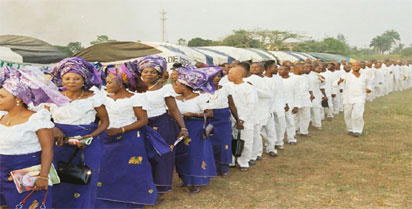
Long before local governments, youth associations, and community development unions became common across Nigeria, the Igbo already had a highly organized system for raising leaders, maintaining order, and getting things done. It was practical, disciplined, and deeply rooted in communal life. That system was the age grade system.
The age grade system in Igbo society was much more than a way of grouping people born around the same time. It was a lifelong institution that connected individuals to their community from youth to old age. Through age grades, villages built roads, maintained markets, organized festivals, settled disputes, and trained future leaders. Every member had a role. Everyone was expected to contribute.
What makes the age grade system in Igbo society so remarkable is its staying power. It survived colonial rule, adapted to Christianity, and continues to thrive in many communities today. In towns across southeastern Nigeria, age grades still fund projects, support members, and preserve cultural traditions. For many Igbo people, your age grade is not just an association. It is a lifelong bond, a network, and a responsibility.
To understand traditional Igbo social organization, you have to understand age grades. They were the engine behind community development, social order, leadership training, and collective progress. Even in the modern world, their influence remains impossible to ignore.
Overview of Age Grade System in Igbo Society
Basically, the age grade system in Igbo society is a traditional institution that brings together people born within the same period, usually within a few years of one another. In many Igbo communities, these groups are known as Ogbo, Otu Ogbo, Ebiri, or Uke. While the names may differ from one town to another, the purpose remains the same.
Membership is not temporary. Once a person joins an age grade, that bond often lasts for life. It becomes part of their identity, right alongside family, lineage, and hometown. Age mates grow together, take on responsibilities together, and continue supporting one another well into old age.
The age grade system in Igbo society has always been about more than age alone. It creates a structured path for civic participation, leadership, and community service. Members contribute financially, attend meetings, carry out assigned duties, and work collectively on projects that benefit the wider community.
In traditional Igbo life, belonging to an age grade meant belonging to something larger than yourself. It was a built-in support system, a training ground for leadership, and a powerful force for unity. Even today, the age grade system in Igbo society remains one of the most respected and enduring institutions across Igboland.
Historical Origins of the Age Grade System
The age grade system in Igbo society is not a recent invention. It is one of the oldest social institutions in Igbo culture, with roots that stretch far back into the precolonial era. Long before British rule arrived in southeastern Nigeria, Igbo communities had already developed effective ways to organize themselves, maintain order, and carry out collective responsibilities. Age grades were central to that system.
Traditional Igbo society was largely republican. Most communities did not operate under powerful kings or centralized monarchies. Instead, governance was shared among councils of elders, title holders, women’s associations, and age grades. Each group had specific duties, and together they kept the community functioning smoothly.
Within this structure, the age grade system in Igbo society served as an organized force for action. While the elders made important decisions, age grades often carried them out. They provided labour, maintained security, enforced communal rules, and handled projects that required teamwork and discipline.
Historical studies and oral traditions across Igboland confirm the long-standing presence of age grades. Communities such as Ohafia, Abiriba, Afikpo, Nnewi, and many others have maintained well-documented age grade traditions for centuries. Scholars including Victor Uchendu, Elizabeth Isichei, and Adiele Afigbo have all examined the importance of age grades in traditional Igbo political and social organization.
What makes this institution especially fascinating is its organic development. It emerged from the needs of the community itself. Villages needed a reliable way to mobilize young people, distribute responsibilities, and prepare future leaders. The age grade system provided exactly that.
For generations, it became one of the strongest foundations of Igbo communal life that link individuals to their peers, their elders, and the wider society. Its longevity speaks volumes about its value. Institutions do not survive for centuries unless they serve a real purpose. The age grade system in Igbo society did exactly that.
How Age Grades Were Formed
The formation of an age grade was a significant milestone in traditional Igbo life. It marked the beginning of a lifelong association, one that would influence a person’s social standing, responsibilities, and relationships within the community.
In most communities, the age grade system in Igbo society grouped together individuals born within the same period, often spanning two to five years. This allowed children who grew up together to formally enter adulthood as a unit. They were not just friends or neighbours anymore. They became age mates, bound by shared duties and collective identity.
The process usually began during late adolescence or early adulthood. At this stage, eligible members were formally enrolled into their designated age grade. In some communities, families played an active role in registering their children, while in others, community leaders oversaw the process.
Initiation ceremonies often accompanied the formation of a new age grade. These events varied across Igboland. But they typically included public recognition, feasting, music, and the introduction of the new group to the wider community. It was both a celebration and a declaration of responsibility.
Choosing a name was another important step. Age grade names were never random. They often captured the spirit, aspirations, or circumstances of the time. Some names celebrated unity, courage, progress, or prosperity. Others commemorated notable events in the community’s history. These names became lasting symbols of identity and pride.
Once established, the age grade elected its own officers. Positions commonly included chairman, secretary, treasurer, and welfare officer. These roles introduced members to leadership, accountability, and collective decision-making from an early age.
The age grade system in Igbo society was carefully structured to ensure continuity. As older grades advanced into senior roles, younger ones stepped forward to assume greater responsibilities. This created an orderly transition of duties across generations.
What began as a simple grouping by age soon became much more. It evolved into a lifelong network of support, service, and shared purpose, one that many Igbo people continue to cherish today.
Community Development and Public Works

One of the clearest ways to understand the importance of the age grade system in Igbo society is to look at what it achieved on the ground. Beyond titles and identity, age grades were the hands that built, repaired, and maintained the community.
In many Igbo towns and villages, public projects did not wait for government intervention. They were planned and executed locally, and age grades often carried the responsibility. Whether it was clearing bush paths, fixing village roads, or keeping marketplaces clean, each group was assigned duties based on its stage in the age grade system in Igbo society.
These assignments were not optional. They were part of civic responsibility. If a road needed repair, an age grade could be mobilized for collective labour. If a town hall or school was to be built, members contributed both money and manpower. This system made development a shared effort rather than an external expectation.
Over time, many communities began to visibly identify the contributions of specific age grades. It is still common today to find village halls, boreholes, and community projects named after the age grade that initiated or completed them. These are not just structures. They are records of collective effort. This system of communal labour was a key part of Igbo decentralized governance. It allowed communities to function efficiently without relying on centralized authority.
The age grade system in Igbo society also encouraged accountability. When a group was assigned a task, everyone knew who was responsible. This reduced neglect and encouraged completion of projects within expected timeframes.
Even today, in many rural communities, age grades still lead sanitation exercises, repair public infrastructure, and mobilize funds for development projects. The methods may have modernized, but the spirit remains the same. Collective effort still drives progress.
In many ways, age grades were the original community development unions. They turned shared responsibility into visible progress, and they made sure that every generation contributed to the growth of their homeland.
Security and Social Order
In traditional Igbo society, maintaining peace and safety was not left to a distant authority. It was a shared duty, and the age grade system in Igbo society played a major role in making that possible.
Each age grade, especially those in their active years, often took on responsibilities related to security. In many communities, they organized night patrols, watched over farmlands, and helped to protect village boundaries. This was especially important in earlier times when formal policing structures did not exist in rural Igboland.
When disputes arose or community rules were broken, age grades also stepped in to enforce decisions made by village assemblies or councils of elders. They could summon individuals, assist in implementing penalties, and ensure that agreements were respected. Their involvement gave authority to communal decisions and helped to maintain order without forceful central control.
The age grade system in Igbo society worked closely with other traditional institutions. While the elders provided wisdom and direction, age grades acted as the operational arm that carried out instructions. This balance helped to create a stable system of governance where responsibility was distributed rather than concentrated.
In some communities, age grades also served as emergency responders. They were the first to mobilize during fire outbreaks, accidents, or threats from outside the village. Their ability to act quickly made them an important safeguard for communal life. These informal security structures contributed to the stability of Igbo communities long before colonial administration introduced formal policing.
What stands out most is the sense of ownership. People protected what they belonged to. Because the age grade system in Igbo society was built on shared identity, members felt personally responsible for the safety of their environment and the well-being of their community.
Even today, this tradition continues in modified forms. Age grades in many towns still assist in community security initiatives, especially during festivals, meetings, and public gatherings. The structure may have evolved, but the idea remains strong. Security, in this system, is a collective responsibility, and not an individual burden.
Cultural and Religious Responsibilities
The age grade system in Igbo society was not limited to physical labour or community security. It also carried deep cultural and religious responsibilities that helped to preserve identity, tradition, and shared memory across generations.
In many Igbo communities, festivals and ceremonies were not complete without the active involvement of age grades. They helped to plan events, prepared public spaces, and coordinated the movement of people during celebrations. From village festivals to masquerade displays, their presence ensured order and participation.
Masquerade traditions in particular often depended on age grades. In some communities, specific age groups were responsible for organizing performances, maintaining secrecy where required, and ensuring that cultural rules around sacred displays were respected. This helped to preserve the spiritual and symbolic meaning of such events.
The age grade system in Igbo society also supported religious life in a broader sense. Members assisted during rites of passage such as naming ceremonies, marriages, and burial rituals. They helped with logistics, provided support to families, and ensured that community customs were followed with dignity and respect.
In traditional Igbo belief systems, ancestral reverence and spiritual balance were important. Age grades sometimes participated in maintaining sacred spaces, clearing paths to shrines, and assisting in community rituals under the guidance of elders and custodians of tradition. Their role was practical, but it also carried cultural weight. These kinds of communal responsibilities were central to how Igbo society preserved continuity in belief systems and cultural practices without written records.
What makes the age grade system in Igbo society especially important in this area is its consistency. Because membership lasts a lifetime, cultural knowledge is passed within the same group over many years. Younger members observe the older ones, learn the customs, and gradually take over responsibilities as they mature.
Even in modern times, age grades continue to support cultural festivals and community celebrations. While religious expressions have diversified, especially with the influence of Christianity and Islam, many communities still rely on age grades to organize public cultural events and maintain order during gatherings.
In this sense, the system continues to serve as a bridge between generations, ensuring that cultural practices are not only remembered but actively lived out within the community.
Social Welfare and Mutual Support

At the heart of the age grade system in Igbo society is a strong sense of care for one another. Beyond public duties and community work, age grades functioned as a dependable support system for their members in both good times and difficult moments.
From the moment individuals are grouped into an age grade, they are no longer seen as standing alone. They become part of a collective that shares responsibility for each other’s wellbeing. This includes emotional support, financial assistance, and practical help when life becomes challenging.
One of the most important roles of the age grade system in Igbo society is mutual financial support. Members contribute regularly to a common fund. This pool of money is used to assist individuals during major life events such as marriage, childbirth, illness, or death in the family. The idea is simple but powerful. When one person is affected, the group responds.
During weddings, age mates often contribute financially and help with planning and logistics. At funerals, they provide both financial assistance and physical presence, helping grieving families to manage arrangements. These moments are not treated as individual burdens, rather, as shared responsibilities.
In times of hardship, such as illness or unexpected financial difficulty, the age grade steps in. Members may organize visits, raise emergency funds, or provide direct assistance. This creates a safety net that reduces isolation and strengthens trust within the group.
The age grade system in Igbo society also promotes long-term welfare planning. Some groups establish structured savings schemes or cooperative investments. These initiatives help members to access funds for education, business, or housing support. This system of mutual aid is one of the reasons Igbo communities historically maintained strong internal resilience without heavy reliance on external institutions.
What makes this structure especially meaningful is the personal connection it builds. Members do not support strangers. They support people they grew up with, people they know by name, and people they have shared life experiences with over decades.
Even today, the age grade system in Igbo society continues to serve as a living welfare network. In towns and diaspora communities, age grades organize fundraising efforts, support members abroad, and contribute to development projects back home.
The age grade system in Igbo society is a reminder that in Igbo tradition, community is not an abstract idea. It is a lived experience built on shared responsibility and consistent care for one another.
Political Importance in Traditional Governance
To understand the age grade system in Igbo society, it is important to see how deeply it was tied to traditional governance. In many Igbo communities, political authority was not concentrated in one ruler. Instead, power was distributed across different groups, each with a defined role in decision-making and execution.
The age grade system in Igbo society played a key role in this arrangement. While councils of elders and titled men provided guidance and final decisions, age grades often carried out the practical work of governance. They acted as the active arm of the community’s political structure.
Village assemblies were where major decisions were discussed. Once decisions were reached, age grades were responsible for implementation. This included enforcing community laws, organizing communal labour, and ensuring compliance with agreed rules.
In this system, leadership was not only about age or title. It was also about responsibility and participation. Age grades provided a way for the younger members of society to be included in governance processes in a structured and meaningful way.
The age grade system in Igbo society also helped to maintain balance in leadership. Because different age groups had different responsibilities at different stages of life, no single group held unchecked control. This created a form of accountability that was embedded in the structure itself.
In some communities, age grades could also serve as a voice for the younger generations. They sometimes represented the interests of their members during community discussions, especially when issues affected labour, taxation, or development priorities. Their input helped to ensure that decisions were practical and widely accepted. This decentralized system of governance allowed Igbo communities to function effectively without centralized kingship in many areas.
What makes this system especially notable is its flexibility. Governance was not rigid. Roles could shift, depending on community needs, and age grades adapted as their members moved through different stages of life.
Even in modern Igbo society, the political relevance of age grades has not disappeared. In many towns, they still participate in community meetings, contribute to decision-making, and support local development plans. In diaspora communities, they often act as organized groups that liaise with hometown associations and local leadership structures.
The age grade system in Igbo society remains a living example of participatory governance where responsibility is shared and leadership is experienced through action rather than position alone.
Economic Contributions
The age grade system in Igbo society was not only about social order or governance. It also played a quiet but powerful role in the economic life of communities. Through collective effort, age grades helped people to pool resources, support members, and fund projects that benefited entire towns.
One of the most common economic activities within the age grade system in Igbo society was the collection of dues. Members contributed money regularly or during special occasions. These funds were not left idle. They were used for community projects, member welfare, and emergency support when needed.
In many Igbo communities, age grades also functioned like informal cooperative societies. They helped members to raise capital for farming, trading, and small businesses. In some cases, groups organized rotating savings systems where members received lump sums in turns. This helped individuals to invest in education, agriculture, or commerce without depending entirely on external loans.
The age grade system in Igbo society also supported communal labour which had strong economic value. Instead of hiring paid workers, communities relied on age grades to carry out tasks such as clearing farms, building houses, or constructing public infrastructure. This reduced costs and increased productivity at the community level. These associations acted as indigenous mechanisms for resource mobilization. They allowed communities to achieve development goals through internal cooperation rather than external funding.
In addition to collective projects, age grades also provided financial assistance to individual members. When someone needed help starting a business, paying school fees, or handling unexpected expenses, the group often stepped in. This created a strong safety net that reduced economic vulnerability.
Another important aspect of the age grade system in Igbo society was its encouragement of discipline in financial matters. Regular contributions, transparent record-keeping, and group accountability helped members to develop habits that supported long-term stability.
Even today, many age grades continue to operate as economic support networks. In both rural and urban settings, they raise funds for community development, sponsor scholarships, and invest in infrastructure projects such as boreholes, health centres, and schools.
In diaspora communities, these groups also play an economic role by pooling resources to support hometown projects back in Nigeria. Contributions are often sent collectively, ensuring that development continues, even from a distance.
The economic strength of the age grade system in Igbo society lies in its simplicity. It is built on trust, shared responsibility, and consistent participation. Over time, these small, regular contributions have produced lasting impact in many communities.
Leadership Development
The age grade system in Igbo society has always served as an informal but powerful training ground for leadership. From a young age, members learn how to work with others, manage group responsibilities, and take part in decisions that affect their community.
Within each age grade, individuals are assigned roles such as chairman, secretary, or treasurer. These positions are not just titles. They come with real duties that require organization, accountability, and communication. Through these roles, members gain practical experience in leadership long before they take on formal positions in the wider society.
The age grade system in Igbo society also teaches teamwork. Members learn how to plan projects together, resolve disagreements, and carry out shared tasks. These experiences help to build confidence and a sense of responsibility that often extends into adulthood.
Many community leaders, professionals, and business owners in Igboland first developed their leadership skills within their age grades. It is one of the reasons the system remains respected across generations.
In simple terms, age grade system in Igbo society prepares people to lead by first teaching them how to serve.
Age Grades and Social Identity
The age grade system in Igbo society plays a deep role in how people understand who they are within their community. It goes beyond family ties and hometown identity. It creates a shared sense of belonging among people who grew up within the same generation.
From the moment someone is inducted into an age grade, they become part of a lifelong group. This group carries its own name, history, and collective memory. Members are not just individuals living in the same community. They are bound together by shared experiences, responsibilities, and expectations.
The age grade system in Igbo society strengthens social identity by giving people a clear place within the community structure. It connects the young, the middle-aged, and the elderly through an organized progression of groups. As one age grade moves forward in responsibility, another steps in behind it, thereby creating continuity across generations.
This identity is not temporary. Even when members relocate to cities or live outside Nigeria, they often continue to identify with their age grade. Meetings, contributions, and support systems still continue.
Over time, this shared identity builds trust and loyalty. Members often see each other as lifelong companions rather than distant acquaintances. It becomes a network that extends beyond geography and circumstance.
In many ways, the age grade system in Igbo society gives people both identity and connection. It reminds individuals that they are part of something larger, something that continues even as life changes around them.
The Impact of Colonialism and Christianity
The arrival of colonial rule in Igboland brought major changes to many traditional institutions, and the age grade system in Igbo society was not left untouched. British colonial administration introduced new political structures, including warrant chiefs and formal local government systems which altered how authority was distributed in many communities.
Before colonial rule, governance in most Igbo areas was decentralized. Institutions like councils of elders, titled men, women’s associations, and age grades worked together to manage community affairs. However, colonial authorities often preferred centralized leadership structures that could be more easily controlled. This shift reduced the direct political influence of many indigenous systems, including age grades.
Despite these changes, the age grade system in Igbo society did not disappear. Instead, it gradually adapted to new realities. While some of its political roles were reduced, its social, cultural, and developmental functions remained strong in many communities.
Christianity also played a significant role in reshaping aspects of traditional life. Missionaries introduced new religious beliefs and practices that sometimes conflicted with indigenous customs. Certain initiation rites and ceremonial activities associated with age grades were discouraged in some areas, especially where they were linked to traditional religious practices.
However, this did not lead to the collapse of the system. Many communities modified their practices to align with Christian teachings while still preserving the core structure of age grades. Over time, participation became more focused on social development, mutual support, and community service rather than ritual elements.
The age grade system in Igbo society also showed remarkable resilience through urbanization. As people moved to cities for work and education, they carried the tradition with them. Age grades began to organize in urban areas and even outside Nigeria, forming associations that continued to support members and their hometowns. This ability to adapt has been key to the survival of many indigenous institutions.
Today, what remains is a redefined version of the system. While some ritual elements have faded or changed, the core idea of unity, shared responsibility, and collective progress remains intact. The age grade system in Igbo society stands as an example of how traditional institutions can evolve without losing their essence, even in the face of major historical change.
Age Grades in Contemporary Igbo Society
In today’s world of cities, technology, and fast-moving lifestyles, the age grade system in Igbo society has not disappeared. It has simply adjusted to modern realities while holding on to its core purpose of unity and shared responsibility.
In many rural communities across Igboland, age grades remain active and highly visible. They still organize sanitation exercises, maintain village infrastructure, contribute to development projects, and support community events. In some towns, they are among the most reliable groups when it comes to mobilizing people quickly for collective action.
What is even more interesting is how the system has moved beyond village boundaries. The age grade system in Igbo society is now common in urban centres like Lagos, Abuja, Enugu, and Onitsha. People who grew up together often regroup as adults, forming associations that mirror their traditional age grades. These groups function as support networks for social welfare, career assistance, and community development.
In the diaspora, the system has taken on a more organized and global structure. Age grades based in the United States, Europe, and other parts of the world regularly send contributions back home. They fund scholarships, build health centres, renovate schools, and support members during personal emergencies.
Technology has also changed how these groups operate. Meetings are now held through WhatsApp, Zoom, and other digital platforms. Communication is faster, coordination is easier, and participation is more flexible. Despite these changes, the sense of belonging remains strong.
The age grade system in Igbo society today continues to serve as a bridge between tradition and modern life. It connects people across distances and generations while still promoting the values of responsibility, cooperation, and community service.
Even in a modern setting, the essence has not changed. It is still about people who grew up together choosing to stay connected, support one another, and contribute to the growth of their homeland.
Challenges Facing the Institution Today
Even though the age grade system in Igbo society remains active in many communities, it is not without pressure. Modern life has introduced new realities that affect how the system functions and how deeply people participate in it.
One of the biggest challenges is urbanization. Many young Igbo people now live in cities far from their hometowns. Work schedules, education, and busy urban lifestyles make it difficult to attend regular age grade meetings or take part in community activities. Over time, this distance can weaken participation.
Migration also plays a major role. When members move abroad or to other parts of Nigeria, maintaining close contact becomes more complicated. Although technology helps to bridge the gap, physical presence still matters in many traditional activities within the age grade system in Igbo society.
Another challenge is generational change. The younger people sometimes view traditional associations as less relevant compared to modern social or professional networks. This shift in mindset can affect membership strength and long-term engagement.
Economic pressure is another factor. Regular contributions and project funding depend on the financial capacity of members. In times of economic hardship, some individuals may struggle to meet their obligations, which can slow down group activities.
There are also cases where internal disagreements affect unity. Differences in leadership style, financial transparency, or decision-making can sometimes create tension within age grades, if not properly managed.
Despite these challenges, many communities are finding ways to adapt. The age grade system in Igbo society is increasingly using digital tools for communication, improving financial accountability, and redefining roles to fit modern realities.
Even with these pressures, the system has not lost its relevance. It continues to evolve, showing that while circumstances change, the need for community connection and shared responsibility remains strong.
Why the Age Grade System is Still Relevant in Igbo Society
In a world where individualism is growing and traditional bonds are often weakening, the age grade system in Igbo society still holds a quiet but powerful relevance. It continues to offer something many modern structures struggle to provide – deep community connection built on shared responsibility.
One of the most important reasons it is still relevant is its role in community development. In many Igbo towns, age grades remain active participants in building and maintaining infrastructure. They mobilize people, raise funds, and complete projects that directly improve everyday life. This kind of collective effort is difficult to replicate through formal systems alone.
The age grade system in Igbo society also continues to serve as a support network. Members assist one another during important life events such as weddings, funerals, illness, and financial hardship. This creates a sense of safety and belonging that extends beyond immediate family.
Another reason for its relevance is leadership development. Age grades still provide a practical environment where people learn responsibility, teamwork, and decision-making. These experiences often stay with individuals throughout their lives, influencing how they engage with society at large.
It also plays a cultural role. Age grades help to sustain traditions, organize festivals, and maintain practices that might otherwise fade with time. Even in modern settings, they remain involved in cultural preservation and community celebrations.
Perhaps most importantly, the age grade system in Igbo society reminds people of the value of collective effort. It shows that progress is not only an individual journey but also a shared one. When people work together consistently, communities become stronger and more resilient.
Even today, as lifestyles continue to change, the system still finds ways to remain relevant. It adapts, adjusts, and continues to serve the needs of the people it was built to support.
Conclusion …
The age grade system in Igbo society remains one of the most enduring and influential traditional institutions in Igbo culture. More than a cultural practice, it is a living structure that has guided how communities organize themselves, solve problems, and grow together for generations.
From its historical roots in precolonial governance to its role in modern community development, the age grade system in Igbo society has consistently provided a framework for responsibility and cooperation. It has helped villages build infrastructure, maintain social order, support members in times of need, and preserve cultural practices that define Igbo identity.
What makes it especially remarkable is its ability to adapt. Despite colonial disruption, urban migration, religious change, and modern economic pressures, the system has not disappeared. Instead, it has evolved into new forms while holding on to its core values of unity, service, and collective progress.
Today, whether in rural towns, urban cities, or diaspora communities, age grades continue to connect people who share a common history. They remain a reminder that strong communities are built not only on institutions but on relationships, shared effort, and consistent participation.
Ultimately, the age grade system in Igbo society is not just a tradition from the past. It is a continuing story of how people organize themselves to live better, support one another, and move forward together.
References
- Obiorah, K. E. (2024). Onomastics of Age-Grade Names in the Igbo Community. Journal of Communication, Language and Culture, 4(2), 99-106. https://mmupress.com/index.php/jclc/article/view/811
- Ndukwe, C. (2015). Changes and Continuity in Age Grade Practices in Nigeria: A Study of the Igbo Traditional and Modern Administrative System. Journal of Policy and Development Studies, 9(3), 176-184. https://www.researchgate.net/publication/282476085_Changes_and_Continuity_in_Age_Grade_Practices_in_Nigeria_A_Study_of_the_Igbo_Traditional_and_Modern_Administrative_System
- Ahamefule, I. C. (2017). Age Grade Associations and Capital Formation: A Case Study of Ndi-Igbo of Southeast Nigeria. AKSU Journal of History and Global Studies. http://researchgate.net/publication/384498801_Age_Grade_Associations_and_Capital_Formation_A_Case_Study_of_Ndi-Igbo_of_Southeast_Nigeria
- Ezeogidi, C. (2020). Resuscitating the Age Grade Associations and Women Guilds in Igbo Land for Effective Conflict Management Mechanism and Resolution. SSRN Electronic Journal. http://researchgate.net/publication/341407197_Resuscitating_the_Age_Grade_Associations_and_Women_Guilds_in_Igbo_Land_for_Effective_Conflict_Management_Mechanism_and_Resolution
- Atuonwu, C. (2021). The Role of Age Grade System in Peacebuilding in Ohafia. http://researchgate.net/publication/356191404_THE_ROLE_OF_AGE_GRADE_SYSTEM_IN_PEACEBUILDING_IN_OHAFIA
- Nzeribe, K. (2026). The Role of Age-Grades (Ọgbo) in Igbo Social Organization. Ozi Ikòrò. https://ozikoro.com/the-role-of-age-grades-ogbo-in-igbo-social-organization/
- Igbere Cultural Association. Age Grade System in Igbere. https://igbere.com/agegrades.htm
You may want to check this out …