







Notable Igbo Personalities
20 Notable Igbo Intellectuals Who Shaped Nigerian Thought and Culture

Discover 20 Notable Igbo intellectuals who have made valuable impact on the Nigerian culture, politics, literature, economics, science, and social thought through original scholarship, leadership, writing, and theory rooted in the Igbo worldview.

Igbo people have a known tradition of curiosity, learning, and innovation. Throughout history, they have produced notable Igbo intellectuals whose ideas and work have impacted not only the Nigerian society but also global discussions in literature, politics, philosophy, economics, and science. These individuals are either scholars or public figures and are part of the minds that carry Igbo heritage into modern thought while bridging culture and contemporary knowledge.
From the nationalist leadership and visionary journalism of Nnamdi Azikiwe to the literary genius of Chinua Achebe, and from the economic insights of Pius Okigbo to the philosophical contributions of Innocent Asouzu, these notable Igbo intellectuals have pushed boundaries, challenged stereotypes, and inspired generations. Each has left a lasting imprint on their field that demonstrates the power of rigorous thought and creative scholarship.
This article explores the lives, ideas, and contributions of these remarkable thinkers. By highlighting the achievements of these notable Igbo intellectuals, we aim to show how Igbo intellectualism continues to define the Nigerian society, influence global scholarship, and inspire young minds to think critically, creatively, and courageously.
Notable Igbo Intellectuals – Nnamdi Azikiwe (1904–1996)
Dr. Nnamdi Azikiwe, popularly called Zik of Africa is widely recognized as one of the most influential notable Igbo intellectuals in modern Nigerian history. Born in 1904, Azikiwe became a leading voice in Nigeria’s struggle against colonial rule. His vision of African self-determination, leadership, and national unity helped to strenghten the foundations of Nigerian nationalism.
Azikiwe received his education both in Nigeria and abroad, including advanced studies in the United States where he focused on political science and anthropology. On returning to Nigeria, he used journalism as a powerful tool to educate and mobilize the public.
By founding newspapers and contributing thought-provoking editorials, Azikiwe critiqued colonial policies, encouraged political awareness, and promoted Pan-African ideals. His writings and activism played a central role in building support for Nigeria’s independence.
Dr. Nnamdi Azikiwe’s contributions included:
- Leading nationalist movements that played a pivotal role in Nigeria gaining independence in 1960.
- Becoming Nigeria’s first indigenous Governor-General and later the country’s first President.
- Advocating for education for all and emphasized the importance of media in influencing public opinion.
Azikiwe’s vision for self-rule, African dignity, and cultural pride continues to influence political thought in Nigeria and across Africa. His legacy as one of the greatest notable Igbo intellectuals endures and inspires generations to engage in leadership, scholarship, and social change.
Notable Igbo Intellectuals – Akanu Ibiam (1906–1995)
Sir Francis Akanu Ibiam stands out as one of the most respected notable Igbo intellectuals in Nigeria’s history. He is celebrated for his dedication to medicine, education, and ethical leadership which made lasting contributions to both community health and political governance.
Born in Unwana in what is now Ebonyi State, Ibiam trained as a medical doctor where he combined professional expertise with a strong sense of social responsibility. He served as Governor of the Eastern Region of Nigeria from 1960 to 1966 while navigating complex political challenges during a formative period in Nigeria’s history. Beyond his political role, Ibiam devoted himself to medical missionary work and church leadership, emphasizing service, integrity, and community development.
As part of his contributions, Dr. Akanu Ibiam:
- Strengthened healthcare and educational systems across the Eastern Region of Nigeria.
- Promoted humanitarian relief efforts during the Nigerian Civil War, prioritizing care for displaced and vulnerable populations.
- Resigned his British knighthood in protest of foreign interference in Nigeria’s domestic affairs, demonstrating his commitment to national dignity and ethical leadership.
His life and work bridged the worlds of medical service, governance, and ethical responsibility. His example continues to inspire generations of notable Igbo intellectuals and leaders committed to community development, moral courage, and national progress.
Notable Igbo Intellectuals – Dr. Akweke Nwafor Orizu (1914–1999)
Dr. Akweke Nwafor Orizu was one of the distinguished notable Igbo intellectuals whose life bridged traditional authority, modern education, and national political leadership. He combined scholarship, diplomacy, and public service at a critical period in Nigeria’s history.
Born in Nnewi, Anambra State, Nwafor Orizu pursued higher education in the United States where he earned a doctorate in education. His academic training influenced his lifelong belief in education as the foundation for leadership and national development. On returning to Nigeria, he became actively involved in politics and public administration during the late colonial and early post-independence periods.
Nwafor Orizu served as President of the Senate in Nigeria’s First Republic where he contributed to legislative leadership and constitutional development.
Key Contributions
- Played a significant role in legislative leadership as President of the Senate during Nigeria’s First Republic.
- Promoted education and intellectual development as essential tools for national progress.
- Demonstrated the coexistence of traditional leadership and modern political responsibility.
- Contributed to early Nigerian political thought and institutional development.
- Was Acting President of Nigeria from late 1965 until the 1966 coup d’etat.
Dr. Akweke Nwafor Orizu’s legacy echoes the depth and diversity of notable Igbo intellectuals. His life illustrates how education, cultural identity, and public service can work together to produce responsible leadership and national consciousness.
Notable Igbo Intellectuals – Chinua Achebe (1930–2013)
Professor Chinua Achebe is widely regarded as the father of modern African literature and remains one of the most celebrated notable Igbo intellectuals worldwide. His work reshaped the way African stories are told and appreciated, and gave voice to Igbo culture while challenging global perceptions of the continent.
Achebe was born in Ogidi, Anambra State. He gained international recognition with his first novel, Things Fall Apart published in 1958. The book offered a vivid portrayal of Igbo life and worldview, and presented its complexities and humanity while countering European stereotypes about Africa. Achebe’s literary approach combined storytelling, history, and social critique that helped to establish a new standard for African literature in English.
Key Works and Contributions:
- Things Fall Apart (1958 which introduced a global audience to African literature rooted in indigenous culture, language, and worldview.
- No Longer at Ease (1960), Arrow of God (1964), and other novels which explored themes of colonization, cultural change, and moral dilemmas in African societies.
- Advocating for the importance of African storytelling as a demonstration of the richness and validity of indigenous narrative structures.
Achebe’s influence reaches far beyond literature. His works have informed postcolonial studies, comparative literature, and cultural criticism, thus making him a lasting symbol of African intellectual achievement. Today, Chinua Achebe stands as a guiding figure for future generations of notable Igbo intellectuals and writers seeking to preserve culture while engaging with global audiences.
Notable Igbo Intellectuals – Flora Nwapa (1931–1993)
Chief Flora Nwapa is recognized as one of the pioneering notable Igbo intellectuals and a trailblazer for African women in literature. She broke barriers in publishing and storytelling that brought women’s experiences in Igbo society to the global stage while promoting African cultural identity.
Born in Oguta, Nigeria, Nwapa rose to prominence with her debut novel, Efuru published in 1966. She became the first African woman to have a novel published in English in Britain. Beyond her writing, she established Tana Press, one of the first publishing houses in Africa run by an African woman, thereby creating opportunities for other African writers to share their voices.
Key Works and Contributions:
- Efuru (1966): Explored the life and challenges of an Igbo woman, highlighting themes of independence, tradition, and resilience.
- Idu (1970) and other novels: Continued to centre women’s experiences while preserving Igbo cultural narratives.
- Founded Tana Press as a way of supporting emerging African authors and expanding literary platforms for African stories.
- Advocated for social welfare and educational development as part of contributing to post-war reconstruction efforts in Nigeria.
Flora Nwapa’s writing and publishing work solidified her place as one of the most influential notable Igbo intellectuals. Her legacy continues to inspire African women writers and scholars while demonstrating the enduring power of literature to shape culture, identity, and society.
Notable Igbo Intellectuals – Christopher Okigbo (1930–1967)
Christopher Okigbo is remembered as one of the most brilliant notable Igbo intellectuals in African poetry. His work blends Igbo cosmology with modernist literary forms in creating poetry that is deeply spiritual, intellectual, and culturally rooted.
Born in Ojoto, Anambra State, Okigbo showed early talent in literature and critical thinking. He studied English and Classics and became a teacher, journalist, and poet. His poetry reflects the tensions between tradition and modernity, personal identity, and societal change. During the Nigerian Civil War, Okigbo joined the Biafran forces, and he died in combat in 1967, thus becoming a symbol of artistic courage and commitment to his people.
Key Works and Contributions:
- Labyrinths: A seminal collection that cemented his reputation as a modernist poet, blending Igbo spiritual traditions with contemporary poetic techniques.
- Symbolized the intersection of intellectual pursuit and social responsibility by actively participating in the Biafran cause.
- Inspired generations of poets and writers to embrace African identity while experimenting with global literary forms.
Christopher Okigbo’s legacy as one of the most important notable Igbo intellectuals lies not only in his poetry but also in his commitment to culture, intellect, and the social conscience of his time. His work continues to influence African literature and modernist poetry worldwide.
Notable Igbo Intellectuals – Elechi Amadi (1934–2016)

Elechi Amadi is celebrated as one of the most influential notable Igbo intellectuals whose work preserved and promoted Igbo culture through literature and storytelling. His writings combine deep respect for tradition with insight into the social and moral challenges of Nigerian society.
Born in Aluu, Rivers State, Amadi initially trained as an engineer before dedicating much of his life to writing. He drew inspiration from Igbo traditions, folklore, and history and presented these elements in novels and plays that resonated with both local and international audiences. His work provides a window into Igbo life and emphasizes community values, morality, and the human experience.
Key Works and Contributions
- The Concubine (1966): His first novel, acclaimed for its rich depiction of Igbo customs, spiritual beliefs, and moral dilemmas.
- Sunset in Biafra (1973): Explored the Nigerian Civil War and its impact on communities by combining historical insight with storytelling.
- Authored plays and short stories that preserved Igbo oral traditions and cultural narratives for future generations.
- Contributed to education and cultural awareness by engaging in literary programmes and mentorship for young writers.
Elechi Amadi’s work ensures that the contributions of Igbo culture remain accessible and appreciated. As one of the most respected notable Igbo intellectuals, his literary legacy continues to inspire scholars, writers, and readers who value the richness of Igbo heritage.
Notable Igbo Intellectuals – Innocent Asouzu (born 1960)
Professor Innocent Asouzu is recognized as one of the most innovative notable Igbo intellectuals in contemporary African philosophy. His work bridges traditional Igbo thought and modern philosophical discourse ad offers fresh perspectives on knowledge, ethics, and human relationships.
Born in Abia State, Nigeria, Asouzu pursued higher education in philosophy and earned international recognition for his work in African metaphysics. He developed the Ibuanyidanda Philosophy, a framework that emphasizes complementary thought and the interconnectedness of human experiences. Through his research, teaching, and publications, Asouzu has helped to position Igbo and African philosophy within global academic conversations.
Key Works and Contributions
- Developed Ibuanyidanda Philosophy which promoted dialogue, complementarity, and holistic understanding in human relations and problem-solving.
- Published extensively on African metaphysics, epistemology, and cultural philosophy.
- Advocates for the integration of indigenous African thought into modern philosophical and educational systems.
- Mentored a generation of African philosophers and scholars, thereby strengthening the study of African intellectual traditions.
Innocent Asouzu’s ideas continue to influence philosophical scholarship worldwide by ensuring that Igbo intellectual traditions remain relevant in contemporary debates. As one of the most prominent notable Igbo intellectuals, he demonstrates the power of culture-based philosophy to enrich global understanding and intellectual discourse.
Notable Igbo Intellectuals – Pantaleon Iroegbu (1947–2015)
Professor Pantaleon Iroegbu was one of the leading notable Igbo intellectuals in African philosophy and theology. His work focused on human dignity, community, and the ethical foundations of African societies which drew strongly from Igbo worldview and Christian thought.
Born in Imo State, Iroegbu studied philosophy and theology in Nigeria and abroad. He spent much of his career teaching and writing, engaging deeply with questions about humanity, morality, and social responsibility. His scholarship emphasized African humanism and the moral obligations individuals owe to their communities.
Key Contributions
- Advanced African humanist philosophy rooted in Igbo cultural values.
- Published influential works on ethics, metaphysics, and African identity.
- Contributed to theological discourse by integrating African philosophy with Christian ethics.
Pantaleon Iroegbu’s work remains important in African philosophical studies, reinforcing the place of Igbo thought in global ethical and intellectual conversations.
Notable Igbo Intellectuals -Adiele Afigbo (1935–2009)
Professor Adiele Afigbo was one of the most respected notable Igbo intellectuals in the field of African history. His research reshaped the understanding of Igbo political systems and precolonial governance.
Born in Eastern Nigeria, Afigbo trained as a historian and devoted his academic career to documenting Igbo and Nigerian history from African perspectives. He challenged colonial interpretations and emphasized indigenous political organization, social systems, and historical continuity.
Key Contributions:
- Authored groundbreaking studies on Igbo history and political institutions.
- Corrected colonial-era misconceptions about Igbo statelessness.
- Strengthened African historiography through rigorous research and teaching.
Afigbo’s scholarship continues to guide historians and reinforces the intellectual depth of Igbo society.
Notable Igbo Intellectuals – Onwuka Njoku (1946–2021)
Professor Onwuka Njoku was a prominent historian and one of the influential notable Igbo intellectuals in Nigerian academia. His work focused on social history, labour, and African development.
Njoku served as a university lecturer and administrator, including as Vice-Chancellor of the University of Nigeria, Nsukka. His research examined African societies from social and economic perspectives which contributed to broader debates on development and governance.
Key Contributions
- Conducted important research in African social and labour history.
- Provided academic leadership within Nigerian universities.
- Mentored students who went on to become scholars and public intellectuals.
Njoku’s career embodies the role of intellectual leadership in strengthening education and research in Nigeria.
Notable Igbo Intellectuals – Pius Okigbo (1924–2004)
Professor Pius Okigbo was one of the most influential notable Igbo intellectuals in economics and public policy. His ideas shaped Nigeria’s economic planning during critical periods.
Born in Ojoto, Anambra State, Okigbo studied economics and later held key advisory roles in government. He was respected for his intellectual rigour and commitment to national development.
Key Contributions
- Played a major role in Nigeria’s post-independence economic planning.
- Served as an economic adviser and chaired key policy committees.
- Advocated disciplined economic management and institutional reform.
Okigbo’s work remains relevant in discussions about Nigerian economic development and governance.
Notable Igbo Intellectuals – Prof. Chukwuma Charles Soludo (Born 1960)
Professor Chukwuma Soludo is one of the most visible notable Igbo intellectuals in contemporary Nigerian economic policy and governance.
Born in Isuofia, Anambra State, Soludo built a strong academic career in economics before entering public service. He served as Governor of the Central Bank of Nigeria where he led major financial sector reforms.
Key Contributions
- Led banking sector consolidation in Nigeria.
- Contributed to economic research and policy development.
- Combined academic scholarship with public service leadership.
Soludo’s career highlights the practical impact intellectual expertise can have on national institutions.
Notable Igbo Intellectuals – Oby Ezekwesili (Born 1963)

Oby Ezekwesili is one of the most prominent female notable Igbo intellectuals known for her work in governance, education reform, and public accountability.
Born in Anambra State, Ezekwesili has worked in both national and international institutions, including the World Bank. She combines policy expertise with strong advocacy for transparency and social responsibility.
Key Contributions
- Championed public sector reform and accountability.
- Advocated education access and institutional transparency.
- Influenced global and national policy discussions.
Her work highlights the role of intellectual engagement in social reform.
Notable Igbo Intellectuals – Barth Nnaji (Born 1956)
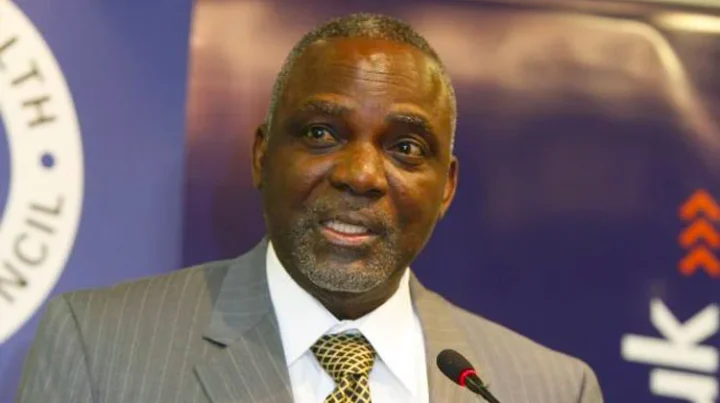
Professor Barth Nnaji is one of the leading notable Igbo intellectuals in engineering and energy development.
Born in Enugu State, Nnaji built an academic career in engineering before moving into industrial innovation and public service. He is known for his work in power sector development.
Key Contributions
- Advanced engineering education and research in Nigeria.
- Contributed to power and infrastructure development.
- Bridged academic research and industrial application.
Notable Igbo Intellectuals – Philip Emeagwali (Born 1954)
Philip Emeagwali is a globally recognized notable Igbo intellectual in computer science known for his work in high-performance computing.
Born in Anambra State, Emeagwali gained international recognition for mathematical and computational innovations related to parallel computing.
Key Contributions
- Contributed to advancements in computational science.
- Inspired interest in science and technology among African youth.
Notable Igbo Intellectuals – Kanayo Nwanze (Born 1957)
Professor Kanayo Nwanze is one of the most influential notable Igbo intellectuals in agriculture and food security.
Born in Imo State, Nwanze built a global career in agricultural research and development, including leadership roles in international institutions.
Key Contributions
- Advanced agricultural research in Africa.
- Promoted food security and rural development.
Notable Igbo Intellectuals – Chidi Odinkalu (Born 1967)
Professor Chidi Odinkalu is a leading notable Igbo intellectual in law and human rights.
Born in Anambra State, Odinkalu has worked extensively in legal scholarship and civil society, focusing on justice, constitutionalism, and human rights.
Key Contributions
- Strengthened human rights advocacy in Nigeria.
- Contributed to legal scholarship and public debate.
Impact of Notable Igbo Intellectuals
The contributions of these notable Igbo intellectuals extend far beyond individual achievements. Their ideas, writings, and leadership have impacted the Nigerian society, influenced policy, and enriched global scholarship. They have provided frameworks for understanding culture, governance, economics, literature, and philosophy, all while keeping Igbo heritage at the heart of their work.
In literature, figures like Chinua Achebe and Flora Nwapa introduced the world to authentic Igbo narratives and gave voice to communities often misrepresented in colonial accounts. Their novels and stories not only preserve Igbo culture but also encourage critical reflection on history, identity, and human experience.
In philosophy, thinkers such as Innocent Asouzu and Pantaleon Iroegbu have advanced indigenous African thought as they showed that Igbo intellectual traditions can engage with, and even challenge, global philosophical discourse.
In politics and economics, leaders like Nnamdi Azikiwe, Nwafor Orizu, Pius Okigbo, Chukwuma Soludo, and Oby Ezekwesili applied scholarship to practical governance, financial reforms, and policy development. Their research, planning, and ethical leadership have strengthened institutions, promoted economic growth, and advocated for transparency and accountability.
Meanwhile, scientists like Philip Emeagwali, Bart Nnaji, and Kanayo Nwanze have contributed to technology, energy, and agricultural development, thereby demonstrating that Igbo intellectualism is not limited to the humanities but spans every critical sector of society.
The influence of these notable Igbo intellectuals is also deeply social. By mentoring young scholars, advocating for education, and championing cultural pride, they have created a legacy that encourages future generations to think critically, act ethically, and innovate boldly. Their work demonstrates that intellectual contributions are not just personal achievements, they are tools for societal transformation, cultural preservation, and national development.
Simply put, the impact of notable Igbo intellectuals is enduring. They have guided the way Nigeria sees itself, contributed to global knowledge, and provided inspiring examples of how culture, education, and critical thought can work together to transform societies. Their legacy continues to guide and inspire as proof that intellectualism rooted in cultural identity has the power to change the world.
In Conclusion …
The story of these notable Igbo intellectuals is a story of ideas, courage, and lasting influence. Across literature, philosophy, history, science, economics, law, and public service, these men and women have guided how Nigeria understands itself and how the world understands Africa. Their work shows that intellectual contribution is not limited to classrooms or books. It extends into leadership, policy, culture, and everyday life.
What unites these notable Igbo intellectuals is a strong commitment to truth, learning, and community. Many of them drew inspiration from Igbo values such as dialogue, responsibility, and respect for knowledge. Whether through novels that preserved culture, research that corrected historical records, or policies that strengthened institutions, their contributions continue to guide national and global conversations.
Today, the relevance of many notable Igbo intellectuals remains clear. Their ideas inform education, governance, human rights, economic development, and cultural preservation. They also serve as powerful role models for the younger generations by showing that intellectual excellence can exist alongside social responsibility and ethical leadership.
In recognizing and studying the notable Igbo intellectuals, we do more than celebrate individual achievements. We acknowledge a rich intellectual tradition that continues to inspire critical thinking, creativity, and progress. Their legacy reminds us that knowledge, when rooted in culture and guided by purpose, has the power to transform societies and guide the future.
References
- https://www.britannica.com/biography/Nnamdi-Azikiwe
- https://www.britannica.com/biography/Francis-Akanu-Ibiam
- https://www.britannica.com/biography/Chinua-Achebe
- https://www.britannica.com/biography/Flora-Nwapa
- https://www.britannica.com/biography/Christopher-Okigbo
- https://www.britannica.com/biography/Elechi-Amadi
- https://plato.stanford.edu/
- https://www.crvp.org/
- https://www.britannica.com/biography/Adiele-Afigbo
- https://www.cambridge.org/
- https://www.britannica.com/
- https://www.cbn.gov.ng/
- https://www.worldbank.org/ext/en/home
- https://nae.ng
- https://www.emeagwali.com
- https://www.ifad.org/en/
- https://www.opensocietyfoundations.org/
You might want to check this out …