






African History
Nnofo Royal Lineage in Nnewi: History, Succession and the Monarchs

Nnofo Royal Lineage tells the complete story of the ruling dynasty of Nnewi in Anambra State, Southeastern Nigeria, including its history, succession, monarchs and cultural importance.

Nnofo Royal Lineage represents the ruling lineage of Nnewi, Anambra State, southeastern Nigeria. For centuries, this lineage has carried the weight of kingship, tradition, and cultural authority in one of Igboland’s most influential communities. Rooted in Otolo, the senior quarter of Nnewi, Nnofo Royal Lineage is a continuous hereditary system that has decided leadership, identity, and communal life across generations.
Unlike modern political offices, the throne of Nnewi is inherited, and not contested. Succession follows a well-defined royal bloodline that traces back to Chief Nnofo whose emergence as a traditonal ruler marked the beginning of an enduring dynasty. Through the Obis and later Igwes, the lineage has preserved customs, upheld spiritual responsibilities, and provided steady traditional leadership even as social and political systems evolved around it.
Today, Nnofo Royal Lineage remains a living institution. Its influence is seen not only in royal ceremonies and festivals but also in the moral authority and cultural continuity it offers the people of Nnewi.
Understanding this lineage is essential to understanding Nnewi itself. This article explores the origins, succession system, notable monarchs, and lasting legacy of the Nnofo Royal Lineage drawn from verified historical records and respected community sources.
Brief Historical Background of Nnewi

The story of Nnewi is ancient rich and rooted deeply in the culture of Igbo people of southeastern Nigeria. Modern historians and local oral traditions date the kingdom back to the fifteenth century when early settlers began to form the community that would later evolve into the city we know today as Nnewi.
Nnewi is widely understood to have been established through a blend of migration intermarriage and lineage settlement patterns involving people from surrounding Igbo areas. These groups came together and formed what became four major quarters: Otolo Uruagu Umudim and Nnewichi. Each quarter represented a significant lineage and became a foundation for political social and cultural life in the community.
At the heart of this ancient settlement was Mmaku, traditionally regarded as the ancestor of the Nnewi people. According to respected community records and oral history, Mmaku’s descendants established a lineage that led to the foundation of the town’s ruling structures. From Mmaku came his son Ikenga and eventually the namesake Nnewi from which the entire kingdom takes its modern identity.
The four quarters of Nnewi were more than geographical divisions. They formed the core of a unique traditional governance system that combined clan leadership family authority and communal responsibility. Each quarter consisted of villages which were organized into family units called umunna.
Within each umunna a leading family known as the obi served as the central point for social decision making, land management and customary rites. Otolo, the first born quarter was recognized as the premier among equals and became the seat of political leadership.
Before the British colonial period, Nnewi functioned as an independent kingdom with its own systems of trade, agriculture and conflict resolution. The community maintained itself through farming crafts local manufacturing and trade with neighbouring towns and regions. The position of the senior quarter and its rulers grew from these longstanding communal practices and traditional beliefs.
In traditional belief, Nnewi was associated with spiritual concepts that united its people. The supreme deity, Edo was central to the spiritual life of the community and was worshipped in the central shrine situated near Nkwo Nnewi market. Other local deities such as Ana, Ezemewi, Eze and Ele played roles in the cultural and religious life of the people. These spiritual beliefs provided a cultural framework that connected community members across different quarters and lineages.
The historical background of Nnewi also highlights its early strength in trade and defense. Long before formal colonial structures reached the area, Nnewi people used organized militia and alliances to protect their boundaries and interests. These early forms of self-defense helped to shape its identity and reinforced its autonomy among neighbouring communities.
By the time British colonial administration formally occupied the region in 1904, Nnewi had existed as a distinct kingdom for several hundred years. The arrival of colonial officers brought changes in governance and the introduction of indirect rule but traditional structures such as the roles of Obi and later the Igwe remained central to Nnewi’s local leadership.
Within this rich historical backdrop, the Nnofo Royal Lineage emerged as the leading dynasty within Otolo and ultimately, the entire Nnewi kingdom. Its authority and continuity are rooted in these deep origins and centuries of tradition that connect the past to the present.
The Origin of Nnofo Royal Lineage
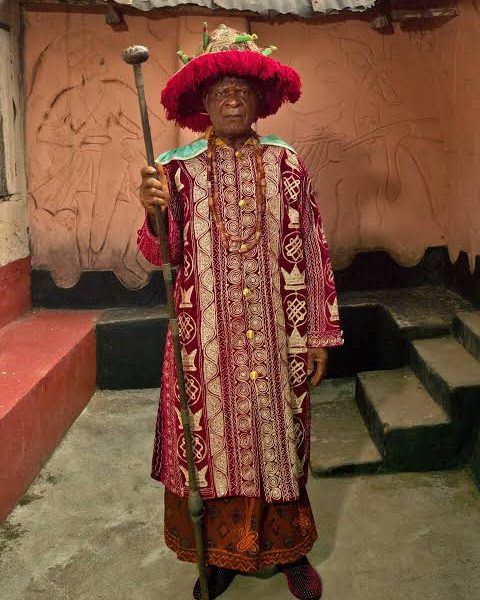
Nnofo Royal Lineage is the cornerstone of traditional leadership in Nnewi, with its roots traced to the eighth chief of Otolo, Chief Nnofo. Historical records and oral traditions indicate that Chief Nnofo became the ruling authority after the death of his uncle, and that marked a defining moment in Nnewi’s history. From that time, the Nnofo family established itself as the hereditary ruling dynasty of the senior quarter, Otolo, and by extension, the entire Nnewi kingdom.
Otolo had always been recognized as the most senior of the four quarters of Nnewi which grants its leader a position of primacy in the governance of the town. The rise of the Nnofo family solidified this leadership.
Chief Nnofo’s ascension was not merely a matter of family succession. It represented the formalization of hereditary kingship in Nnewi. The position of the paramount ruler, later known as Igwe became strictly associated with the Nnofo bloodline which ensured that leadership would remain within the family for generations.
The emergence of the Nnofo Royal Lineage also coincided with the consolidation of traditional governance in Nnewi. Under Chief Nnofo, the framework for succession, rituals, and administrative organization was strengthened. The Igwe-in-Council, consisting of the Obis of the other three quarters, began to operate alongside the ruler as a way of reinforcing communal decision-making while affirming the central authority of Otolo.
Over time, the Nnofo Royal Lineage produced monarchs who became cultural and spiritual leaders as well as custodians of the customs and heritage of Nnewi. Each ruler upheld the traditions established by Chief Nnofo, including the ceremonial rites, ancestral worship, and the responsibilities of mediating conflicts within and beyond the community. The authority of the dynasty was recognized not only by the people of Otolo but by the entire Nnewi kingdom, thereby making the Nnofo lineage synonymous with legitimate leadership and continuity.
The enduring prominence of the Nnofo Royal Lineage is also evident in its resilience through historical changes. From pre-colonial Nnewi, through the era of British indirect rule, and into modern Nigeria, the lineage has maintained its role as the central institution of traditional authority.
Today, the current Igwe, Kenneth Onyeneke Orizu III, continues to represent the living legacy of Chief Nnofo by preserving centuries-old customs while adapting to contemporary social and cultural demands.
In essence, the emergence of the Nnofo Royal Lineage marked a turning point in Nnewi’s history. It formalized hereditary kingship, established a framework for succession and governance, and created a dynasty that continues to decide the cultural identity and communal life of Nnewi to this day.
The Traditional Kingship System in Nnewi
The traditional kingship system in Nnewi is one of the most enduring and structured among Igbo communities. At its centre is the Nnofo Royal Lineage whose members have served as the hereditary rulers of Otolo, the senior quarter of Nnewi, for centuries. The ruler who is known as the Igwe is both a spiritual and cultural leader whose authority extends across all four quarters, namely, Otolo, Uruagu, Umudim, and Nnewichi.
Unlike political offices in modern governance, the Igwe’s position is inherited, not elected. Succession follows a patrilineal system which generally favours the eldest son of the reigning monarch or the closest male heir within the Nnofo Royal Lineage. This principle of hereditary succession ensures continuity, stability, and respect for tradition within the community.
The Igwe operates alongside a council of chiefs known as the Igwe-in-Council which includes the Obis of the other three quarters. While Otolo provides the primary leadership, the council helps in decision-making, conflict resolution, and administration of customs across Nnewi. This system reflects a balance between the authority of the Igwe and the autonomy of other quarters, thereby creating a governance model that has endured for centuries.
The responsibilities of the Igwe extend beyond governance. As the head of the Nnofo Royal Lineage, he is also the custodian of culture, tradition, and spiritual practices. He presides over important rituals, festivals, and ceremonies, including the Ofala Festival which celebrates kingship, communal unity, and ancestral heritage. During these events, the Igwe reinforces social cohesion and reminds the people of the historical significance of the lineage.
Historically, the Igwe also serves as the final authority in disputes, particularly those involving land, family inheritance, and communal resources. The combination of hereditary authority and community-backed counsel ensure that leadership decisions were respected and that the social order remained intact. This structure allowes Nnewi to maintain autonomy, even before the British colonial administration introduced indirect rule in the early 20th century.
The kingship system of Nnewi highlights the unique intertwining of authority, tradition, and lineage. By centralizing leadership in the Nnofo Royal Lineage while incorporating the voices of other quarters, the community establishes a model of governance that is both hereditary and consultative. Today, the system continues to function by bridging centuries of tradition with contemporary social and cultural life.
Essentially, the traditional kingship system in Nnewi is a reflection of the enduring legacy of the Nnofo Royal Lineage. It balances hereditary authority with community involvement, preserves cultural practices, and maintains social cohesion, thus making it one of the most respected and stable traditional governance systems in southeastern Nigeria.
How Succession Works in Nnofo Royal Lineage
Succession in Nnofo Royal Lineage is guided by tradition, ancestry, and strict hereditary principles. The monarchy in Nnewi is not an elected position. It is rather inherited, as such ensuring that leadership remains within the Nnofo bloodline. This system has helped the lineage to maintain stability and continuity in Otolo, the senior quarter, and across the entire Nnewi kingdom for centuries.
The general principle of succession is patrilineal inheritance, meaning that the throne passes through the male line. The eldest son of the reigning monarch or the closest male heir within the Nnofo family is typically considered first in line. If the direct heir is unavailable or deemed unfit, the succession can pass to the next eligible male relative, usually a younger brother or a male cousin from the same lineage. This ensures that leadership remains within the established royal house while also maintaining flexibility in unique circumstances.
Before ascending the throne, the chosen heir undergoes a series of traditional rites and ceremonies. These include blessings from elders and priests, spiritual consultations, and rituals that formally recognize the heir as the next Igwe. These practices are designed to affirm the legitimacy of the succession and to connect the new ruler with the spiritual and ancestral responsibilities of kingship.
The succession system also emphasizes the continuity of cultural and spiritual leadership. The Igwe is expected to uphold the customs of the Nnofo Royal Lineage, preside over community rituals, and maintain the moral authority that defines the monarchy. As such, succession is more than a political or administrative change. It is a ceremonial and symbolic passing of ancestral responsibilities.
Historically, this hereditary system has allowed the Nnofo Royal Lineage to maintain stability even during periods of social change, including the introduction of British colonial administration and later modern governance structures. While the Igwe does not hold formal political power under Nigeria’s constitution, the authority of the Nnofo lineage is widely respected, and succession is followed with community endorsement and participation.
In essence, succession in Nnofo Royal Lineage combines strict hereditary principles, traditional ceremonies, and cultural responsibilities. This system ensures that leadership in Nnewi remains legitimate, continuous, and closely tied to the values and history of the community. Through this careful and time-honoured process, the lineage provides stability, unity, and guidance for the people of Nnewi.
Overview of Monarchs in Nnofo Royal Lineage
Nnofo Royal Lineage has provided Nnewi with a continuous and unbroken line of rulers for centuries, each impacting the culture, leadership, and communal identity of the town. Historical records and oral traditions trace the succession from the early chiefs of Otolo to the current Igwe, and highlight the enduring legacy of the royal lineage.
The lineage began in 1651 with Eze Nnofo, the eighth chief of Otolo who established the hereditary kingship that has defined Nnewi’s monarchy ever since. Eze Nnofo formalized the succession rules and set the foundation for Otolo’s preeminence within the kingdom. He was succeeded by Eze Udude in 1685 who strengthened the authority of Otolo and reinforced traditional governance across the quarters of Nnewi.
In the early eighteenth century, Eze Agha (Onuo Ora) took the throne and focused on expanding community alliances and deepening cultural practices. His brief successor, Eze Agha Jr., reigned from 1745 to 1747 and worked to preserve these traditions during a short tenure. Following him, Eze Nnwa who ruled from 1747 to 1791 oversaw economic growth, promoted regional trade, and maintained peace among the four quarters.
From 1791 to 1831, Eze Oguine emphasized spiritual leadership and succession rules, and ensured that the Nnofo Royal Lineage’s authority remained respected. He was followed by Eze Chukwu (1831–1840) who strengthened inter-quarter relations and upheld cultural rites. Eze Ukwu (1840–1862) expanded Nnewi’s influence in regional commerce while keeping the royal traditions intact.
The late nineteenth century saw Igwe Okafo (1862–1891) focus on community defense and preservation of cultural values. His successor, Igwe Iwuchukwu Ezeifekaibeya (1891–1904) ruled during the period of early British colonial contact and maintained Nnewi’s cultural autonomy. The twentieth century brought Igwe Orizu I (Eze Ugbonyamba) (1904–1924) who strengthened the dynasty and ensured continuity through his descendants, including his son, Igwe Josiah Nnaji Orizu II (1924–1962), notable for blending Christian influences with traditional roles while modernizing aspects of palace administration.
Since 1963, Igwe Kenneth Onyemeke Orizu III has reigned as the 20th monarch of the Nnofo Royal Lineage. He is the longest-serving Igwe in Nnewi’s history and has dedicated his reign to promoting education, cultural preservation, and community development. Under his leadership, the Nnofo Royal Lineage serves as a guiding institution for the people of Nnewi.
Across centuries, Nnofo Royal Lineage has preserved continuity, upheld traditions, and maintained its role as the central institution of authority in Nnewi. Each monarch has left a unique mark that ensured that the dynasty remains a symbol of cultural identity, leadership, and stability in the community.
Notable Monarchs in the Nnofo Royal Lineage
Throughout its long history, Nnofo Royal Lineage has produced monarchs whose leadership shaped not only Nnewi but also the cultural and social fabric of the region. While all the rulers contributed to the continuity of the dynasty, certain of them stand out for their exceptional influence, vision, and dedication to the community.
Igwe Nnofo (1651–1685), the founder of the Nnofo Royal Lineage remains one of the most significant monarchs in Nnewi’s history. His reign established the hereditary system that has endured for centuries and has solidified the central role of Otolo within the kingdom. Eze Nnofo’s leadership formalized succession rules and laid the foundation for a structured monarchy which ensures that his descendants would inherit not just power but responsibility for the people and traditions of Nnewi.
Another influential ruler was Igwe Iwuchukwu Ezeifekaibeya (1891–1904) who presided over Nnewi during the early period of British colonial contact. Despite external pressures, he maintained the autonomy of the Nnofo Royal Lineage and safeguarded traditional authority. His ability to navigate the challenges of external influence while preserving cultural identity set an important precedent for subsequent rulers.
Igwe Orizu I (Eze Ugbonyamba) (1904–1924) is another notable monarch who strengthened the structure of the lineage and ensured its continuity. He expanded the family lineage and secured the authority of the Nnofo Royal Lineage across Nnewi. His strategic marriages and careful succession planning created a robust network of alliances that would support the monarchy for generations.
In the modern era, Igwe Josiah Nnaji Orizu II (1924–1962) stands out for his unique approach to leadership. He skillfully blended Christianity with traditional practices, and demonstrated that the monarchy could adapt to changing social realities without losing its cultural significance. Under his reign, the palace administration became more organized, and the Igwe’s role in education and social welfare began to expand.
Finally, Igwe Kenneth Onyemeke Orizu III (1963–present) is arguably the most prominent contemporary monarch from the Nnofo Royal Lineage. As the 20th Igwe, he is the longest-serving traditional ruler in the history of Nnewi. Beyond preserving ceremonial and cultural traditions, he has played a crucial role in modernizing aspects of community life. His initiatives in education, healthcare, and economic development have ensured that the monarchy remains relevant and respected in the 21st century.
These notable monarchs of the Nnofo Royal Lineage embody the enduring importance of leadership rooted in heritage, responsibility, and vision. Their contributions reflect not only the preservation of tradition but also the adaptability of the lineage to the social, political, and economic changes that Nnewi has experienced over centuries.
Legacy and Relevance of Nnofo Royal Lineage in Nnewi
Beyond being a lineage of rulers, Nnofo Royal Lineage is the living embodiment of Nnewi’s history, culture, and identity. Over centuries, this royal house has maintained a continuous line of leadership that preserves traditions, upholds moral authority, and guides the community through both peaceful and challenging times.
One of the most enduring aspects of the Nnofo Royal Lineage is its role as a custodian of culture and tradition. From the earliest days of Chief Nnofo to the present Igwe, members of the lineage have been responsible for maintaining customs, performing ancestral rituals, and overseeing ceremonies that define Nnewi’s cultural life.
Beyond culture, Nnofo Royal Lineage has also been instrumental in ensuring social cohesion. The Igwe and the Igwe-in-Council mediate disputes, provide guidance on communal matters, and uphold laws rooted in custom. This system has historically prevented conflicts, fostered unity among the four quarters of Nnewi, and strengthened the identity of the town as a cohesive kingdom.
The influence of the lineage extends to modern community development as well. Under rulers like Igwe Kenneth Onyemeke Orizu III, the monarchy has supported educational initiatives, healthcare projects, and economic growth, ensuring that the royal house remains relevant in contemporary society. These efforts demonstrate that the Nnofo Royal Lineage is symbolic, and actively contributes to the well-being and progress of the people of Nnewi.
Moreover, the Nnofo Royal Lineage serves as a bridge between the past and present as it connects generations to their heritage. The continuity of leadership reinforces a sense of identity among Nnewi indigenes and inspires respect for history, culture, and family lineage. The monarchy symbolizes stability, responsibility, and moral authority, values that continue to form social behaviour and community expectations.
In essence, the legacy and importance of Nnofo Royal Lineage lie in its ability to preserve cultural heritage, maintain social order, and guide community development over centuries. It represents a unique combination of historical continuity, spiritual authority, and contemporary relevance which makes it one of the most respected and enduring traditional institutions in Nigeria.
In Conclusion …
Nnofo Royal Lineage stands as a remarkable testament to Nnewi’s rich history, enduring traditions, and cultural identity. From the founding of the lineage by Chief Nnofo in the seventeenth century to the reign of the current Igwe, Kenneth Onyemeke Orizu III, this royal house has ensured continuity of leadership, preservation of customs, and guidance for the community across generations.
Through centuries of change that include pre-colonial, colonial, and modern eras, Nnofo Royal Lineage has remained central to the governance, spiritual life, and social cohesion of Nnewi. Its monarchs have not only upheld the authority of Otolo as the senior quarter, they have also maintained the moral and cultural fabric that unites all four quarters of the town. The influence of the lineage extends beyond ceremony as it actively touches on education, community development, and cultural preservation, thereby demonstrating the enduring relevance of traditional leadership in contemporary society.
Ultimately, Nnofo Royal Lineage is a succession of rulers and the heartbeat of Nnewi. It is a living bridge between the past and the present, and a symbol of stability, tradition, and identity. Understanding this lineage offers a window into the values, history, and resilience of the people of Nnewi, and highlights why the monarchy continues to hold a place of honour and respect in southeastern Nigeria.
References