

Towns & Communities in Nigeria
Ohaozara: The Little-Known but Powerful Cultural Treasure Hidden in Ebonyi State

Ohaozara is a culturally rich Local Government Area in Ebonyi State known for its salt lakes, deep traditions, and unique heritage. Discover its history, towns, culture, and significance.
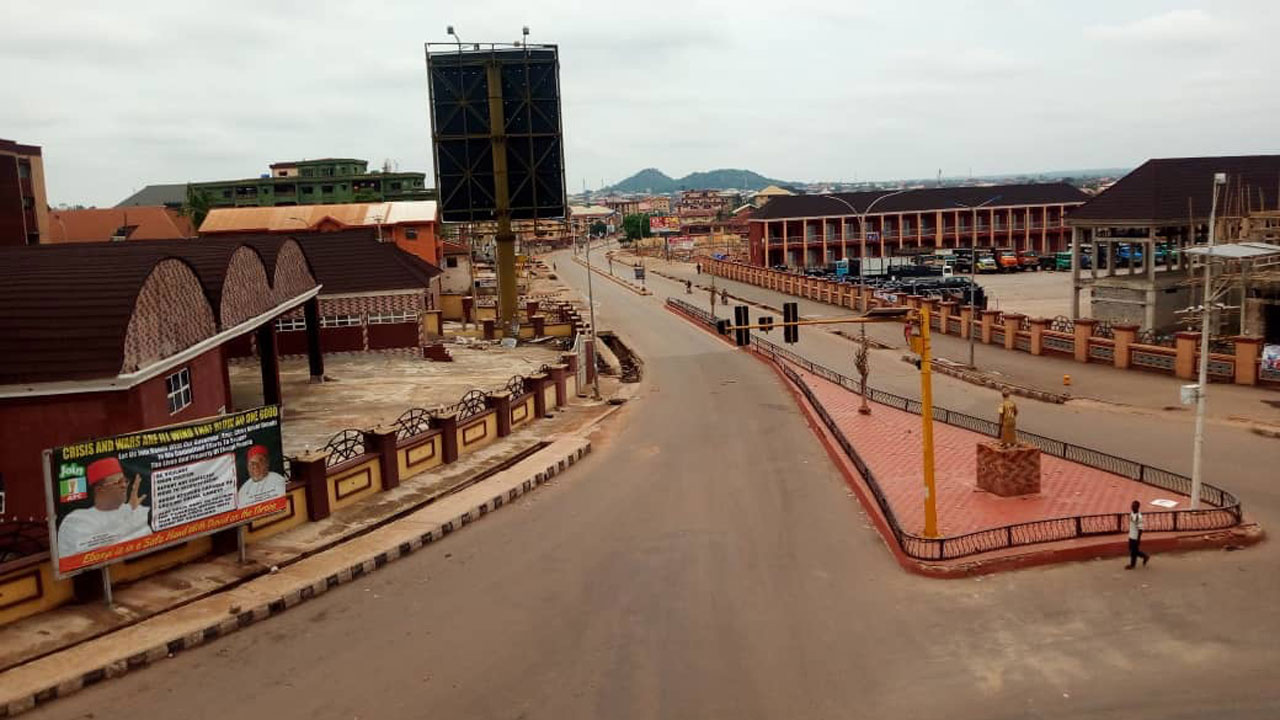
When you think about those places that don’t announce themselves loudly, yet, they hold stories that run deep, Ohaozara should be one of those.
Situated within Ebonyi State, Ohaozara may not always make the headlines, but it carries a quiet weight. This is a land where history is not locked in books but lived through people, traditions, and everyday life. From its close-knit communities to its centuries-old salt heritage, it stands as a place where culture still matters and identity still has meaning.
What makes Ohaozara different is not just its past but how that past continues to shape the present. In towns like Uburu and Okposi, the story of salt production has been passed down for generations, and has become both a source of livelihood and a symbol of resilience. Across the wider Ohaozara area, festivals, family structures, and traditional systems continue to hold strong, even as the world around them changes.
This is why Ohaozara is more than just a Local Government Area. It is a cultural landscape, shaped by time, sustained by people, and rooted in values that have endured. If you have never taken a closer look at this locality, this, here, is where that journey begins.
Where Is Ohaozara Located?
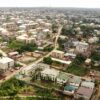
Ohaozara is a Local Government Area in the southern part of Ebonyi State, in southeastern Nigeria. It lies within the Igbo-speaking region and is part of the Ebonyi South Senatorial District.
Its administrative headquarters is located in Uburu, one of the most prominent towns in the area. From here, local governance and administrative activities are coordinated.
Geographically, Ohaozara is surrounded by other local government areas that share cultural and historical ties with it. It is bordered by Onicha to the west, Ivo to the south, and Afikpo North to the east. These neighbouring areas were once part of a larger administrative unit before being separated into distinct local governments.
The area covers approximately 312 square kilometres and experiences a tropical climate, with a clear pattern of rainy and dry seasons that support farming and other economic activities. Its location within Ebonyi State also places it in a region known for agriculture and natural mineral resources, especially salt.
In simple terms, Ohaozara sits at the heart of a culturally rich part of southeastern Nigeria, connected by history, geography, and shared identity.
Origin and Meaning of the Name “Ohaozara”
The name “Ohaozara” carries a meaning that is closely tied to the history and early settlement of the area.
It is generally traced to the Igbo expression “Oha Ozara.” In simple terms, “Oha” means people or community, while “Ozara” is often interpreted as something open, sparse, or not yet fully occupied. When brought together, the name suggests a place that was once lightly settled before it gradually became home to established communities.
Oral tradition which plays a strong role in preserving history across Igbo societies supports this idea. Early settlers are believed to have moved into the area from different parts of Igboland to find space to live, farm, and build new communities. Over time, these settlements grew, connected, and formed what is now known as Ohaozara.
As the population expanded, the name remained not just as a description of the land but as a reminder of its beginnings. It reflects a journey from openness to community, from scattered settlement to shared identity.
Today, Ohaozara is no longer a sparse land. It is a well-defined cultural space made up of closely linked towns and families. Yet, its name still holds that early memory that gives insight into how the people first came to live, settle, and belong there.
Historical Background of Ohaozara

The history of Ohaozara is a story of migration, settlement, and gradual community building. Long before modern administrative boundaries were drawn, the area was home to groups of Igbo-speaking people who migrated from different parts of southeastern Nigeria. These early settlers established villages and gradually formed cohesive communities guided by traditional systems of leadership and social organization.
Traditionally, governance in Ohaozara did not rely on kingship or central authority. Instead, elders, family heads, and titled men held decision-making power. They resolved disputes and maintained order within and across villages. This system emphasized consensus, respect for hierarchy, and the collective wellbeing of the community.
During the colonial period, Ohaozara, like many other areas in southeastern Nigeria was incorporated into British administrative structures. New governance methods were introduced, and the area became part of larger administrative units. The colonial influence brought changes in taxation, trade regulation, and local governance. However, traditional leadership continued to influence social and cultural life.
In 1976, Ohaozara was officially recognized as a Local Government Area. It had previously been part of a larger administrative region known as OHANIVO which included what is now Ohaozara, Onicha, and Ivo. The division allowed for more focused administration and helped communities to retain their local identities, even as they participated in broader state governance.
The history of Ohaozara is not only about governance. It is also about the resilience and resourcefulness of its people. For centuries, the area has been known for its rich salt deposits, particularly in Uburu and Okposi which became essential to both local economies and cultural practices. These resources, alongside farming and trade influenced the livelihoods of generations and positioned the area as a vital, yet often overlooked part of Ebonyi State.
Getting to understand this historical background gives insight into why Ohaozara values community, tradition, and heritage. Its evolution from scattered settlements to a recognized local government reflects both the strength of its people and the enduring importance of culture in everyday life.
Towns and Communities That Make Up Ohaozara

Ohaozara is traditionally made up of six main towns, each of which contributes to its culture, economy, and community life. These towns form the heart of the community and showcase the diversity and cohesion of its people.
The six principal towns are:
- Uburu which serves as the administrative headquarters, and is well-known for its historic salt lake which is a source of livelihood for generations, and for its bustling marketplaces.
- Okposi which is famous for its salt lake and long-standing salt production practices. Festivals and traditional ceremonies here draw visitors from surrounding communities.
- Ugwulangwu which is a smaller town recognized for its fertile farmland and close-knit families who maintain strong cultural and traditional ties.
- Isu. Has a rich history of settlement and cultural festivals. The town preserves traditional social structures and practices that continue to influence community life.
- Oshiri. Focuses on agriculture and local trade. Its traditions and ceremonies contribute to the cultural fabric of Ohaozara.
- Onicha which is historically linked to Ohaozara and remains an active community with strong cultural and social practices, including festivals and traditional leadership systems.
Each town has its own identity and specialties. However, together they create a connected network that defines the character and influence of the community in Ebonyi State.
Culture and Traditions of Ohaozara People
The people of Ohaozara are part of the larger Igbo ethnic group. But then, they carry a distinct identity defined by their history and local customs. Their daily lives are guided by a combination of social norms, family values, and traditional practices that have been passed down through generations.
Language plays a central role in its culture. The Ohaozara dialect of Igbo is widely spoken, and it helps to preserve stories, proverbs, and oral traditions that are central to the identity of the community. Elders are respected as custodians of this knowledge, and their guidance influences community decisions, dispute resolution, and ceremonial practices.
Family and community ties are strong. Extended families often live close to one another, and share responsibilities and resources. Social events, from planting and harvest cycles to festivals and rites of passage are communal affairs. This sense of togetherness strengthens both daily life and cultural continuity.
Leadership in Ohaozara combines tradition with structure. Village elders, titled men, and lineage heads play key roles in governing and maintaining order. Title-taking ceremonies like the Nze na Oza remain important markers of respect, achievement, and responsibility. These roles are not merely symbolic, they carry social duties and influence community decisions.
The people also place value on moral conduct, hospitality, and respect for elders. These principles are woven into daily interactions, public events, and celebrations. Customs around marriage, festivals, and dispute resolution emphasize harmony and collective wellbeing.
Through language, family structures, ceremonies, and community leadership, the culture of Ohaozara flourishes, thus offering a glimpse into how tradition and modern life coexist in this part of Ebonyi State.
Festivals and Cultural Practices

Festivals in Ohaozara are lively expressions of the community’s heritage and values. They bring together families, neighbours, and visitors to celebrate harvests, honour the ancestors, and mark important life events.
One of the most significant celebrations is the New Yam Festival locally known as Iri Ji. This festival signals the start of the yam harvest and is accompanied by feasting, music, and dance. It is a time for giving thanks to the land, acknowledging the efforts of farmers, and reinforcing communal bonds.
Traditional marriage ceremonies called Igbankwu are highly valued in Ohaozara. These ceremonies go beyond the union of two individuals. They represent the joining of families and communities, and involve elaborate rituals, the presentation of gifts, and performances that highlight cultural norms and ancestral customs.
Masquerade performances are another integral part of Ohaozara cultural life. They appear during festivals and important community events, and often symbolize ancestral spirits, moral guidance, and social values, thus providing entertainment and reinforcing cultural teachings.
Title-taking ceremonies such as Nze na Ozo remain respected traditions. These ceremonies honour individuals for their contributions to the community and confer responsibilities that influence local governance and social affairs.
These festivals and practices are living traditions that connect past generations with the present. Through them, the people of Ohaozara maintain a strong sense of identity, celebrate their achievements, and pass on cultural knowledge to the younger ones.
The Famous Salt Heritage of Ohaozara
One of the most remarkable features of Ohaozara is its rich salt heritage which has impacted the economy and culture of the region for centuries. The area is home to Uburu Salt Lake and Okposi Salt Lake, two of the oldest known sources of natural salt in Nigeria.
Salt production in Ohaozara dates back hundreds of years. Local communities, particularly women, have traditionally harvested salt using age-old methods. Brine from the lakes is collected, boiled, and crystallized to produce pure salt. This practice has not only provided a vital commodity for daily use but also served as an important source of income.
The salt lakes have played critical roles beyond commerce. During periods of scarcity, for example, the Nigerian Civil War, these lakes supplied essential salt when imports were disrupted. Their historical significance has earned Ohaozara recognition as part of Nigeria’s broader “Salt Belt.”
The salt heritage is also deeply woven into the local culture. Communities around Uburu and Okposi view the lakes as symbols of endurance and sustenance. Generations have learned not only the practical skills of salt production but also the stories, rituals, and traditions connected to the lakes.
Today, these salt lakes still influence economy and identity of Ohaozara. They attract interest from researchers, tourists, and cultural enthusiasts, with highlight on its unique combination of natural resource wealth and living heritage. The salt heritage remains a powerful reminder of how the land and its people have supported one another for centuries.
Economy and Daily Life
The economy of Ohaozara is largely based on agriculture, local trade, and traditional industries which together influence the daily lives of its people. Farming is the backbone of the community, with crops such as yam, cassava, rice, maize, and vegetables cultivated across the fertile land. Farming is not only an economic activity but also a central part of social life, with families working together during planting and harvest seasons.
Salt production continues to contribute significantly to the local economy, especially in Uburu and Okposi. The process is mostly artisanal as it relies on knowledge passed down through generations. Women play a leading role in managing the collection and processing of brine from the salt lakes. This traditional industry remains a source of livelihood and strengthens the cultural identity of the communities involved.
Local markets are vibrant centres of trade. Farmers, traders, and artisans gather to exchange goods, from food crops to handmade crafts. These markets are also social spaces where news is shared, cultural practices are observed, and community bonds are strengthened.
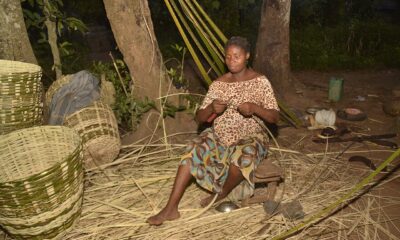
Daily life in Ohaozara is informed by family structures, communal values, and local customs. Extended families often live nearby in such a way the enhances sharing responsibilities and supporting one another in work, celebrations, and problem-solving. Children grow up participating in communal activities, learning farming techniques, cultural rituals, and traditional craftsmanship.
The pace of life balances labour and social interaction. Festivals, ceremonies, and market days punctuate the calendar, and offer moments of rest, celebration, and cultural expression. Despite modern influences, many residents maintain traditional routines which ensure that economic activity and cultural life continue to coexist harmoniously.
Religion and Belief Systems
Religion in Ohaozara reflects a combination of traditional beliefs and Christianity in a way that creates a unique spiritual landscape.
Traditional religion remains significant in many communities. People honour a supreme deity, ancestral spirits, and local gods connected to the land and natural resources. These beliefs influence daily life, guiding moral conduct, community interactions, and rituals for important events like births, marriages, and festivals. Sacred sites which include streams, groves, and salt lakes, often hold spiritual significance and are used for offerings and ceremonies.
Christianity is widely practiced across Ohaozara. Churches of various denominations are present in towns and villages. They provide spaces for worship, education, and community gatherings. Christianity has influenced social values, education, and charitable activities, even as it coexists with traditional practices.
Rather than replacing indigenous beliefs, Christianity often combines with traditional practices in ways that respect both systems. For example, community festivals or family rituals may continue alongside church activities. This coexistence allows the residents to maintain cultural identity as well as embrace modern religious expressions.
In Ohaozara, faith is intertwined with daily life, community cohesion, and cultural continuity. Spiritual beliefs, whether traditional or Christian influence how people work, celebrate, and relate to one another. This helps to create a society where religion supports both identity and shared values.
Why Ohaozara Stands Out
Ohaozara may not be just another local government area in southeastern Nigeria. Its uniqueness comes from the combination of natural resources, cultural depth, and strong community values that have endured for generations.
The salt lakes in Uburu and Okposi set the area apart. These lakes are not only sources of income, they are also symbols of resilience and heritage. Few other communities in Nigeria have maintained such a long-standing relationship with natural salt production. This makes Ohaozara historically and economically significant.
Cultural traditions also give the area a distinct identity. Festivals, masquerades, title-taking ceremonies, and marriage rites are still actively practiced in a way that allows the community to not only preserve its heritage, but to also pass it to the younger ones. These cultural expressions showcase a society deeply connected to its past and proud of its identity.
Community cohesion is another distinguishing feature. Families, towns, and villages work together to maintain social order, support communal projects, and celebrate shared achievements. Leadership structures rooted in traditional systems complement modern governance to create a balance between heritage and contemporary life.
Combined, these factors make Ohaozara a hidden cultural treasure. Its enduring traditions, economic resourcefulness, and strong sense of identity ensure that it continues to stand out, even in a rapidly changing world.
Challenges Facing Ohaozara Today
Despite its rich culture and natural resources, Ohaozara faces several challenges that affect daily life and development.
Infrastructure is a major concern. Roads in some parts of the communities remain underdeveloped, and as such, make transportation and trade more difficult. Limited access to electricity and modern facilities in certain communities also affects businesses, education, and healthcare.
Traditional industries for example, salt production face modernization pressures. Artisanal methods are still widely used. However, competition from commercially produced salt and limited access to new technologies can reduce income opportunities for local producers.
Migration is another challenge. Many young people leave for larger cities in search of education and employment. While this provides opportunities, it can lead to a decline in local labour, cultural participation, and the continuity of traditional practices.
Access to quality education and healthcare varies across towns. Some communities lack well-equipped schools and medical facilities which can slow social and economic development.
These challenges highlight the need for sustainable development that balances modernization with cultural preservation. Addressing infrastructure gaps, supporting traditional industries, and investing in education and healthcare could help Ohaozara thrive as well as retains its unique identity.
The Future of Ohaozara
The future of Ohaozara holds significant potential that is shaped by its natural resources, cultural heritage, and resilient communities.
The salt lakes in Uburu and Okposi could become major drivers of tourism and economic growth, if properly managed. With investment in modern processing methods and infrastructure, salt production could provide higher income for local producers alongside preserving traditional knowledge.
Cultural preservation is also gaining attention. The younger generations are increasingly participating in festivals, traditional ceremonies, and community activities in such a way that ensures that their customs and values continue to flourish. There is a growing awareness of the importance of documenting and promoting Ohaozara’s heritage which could attract cultural tourism and educational interest.
Agriculture remains a strong pillar for the local economy. With access to modern farming techniques, better markets, and support for youth involvement, farming in Ohaozara can continue to sustain families and communities.
Improved infrastructure, healthcare, and education will be crucial in defining the next phase of development. If these areas are strengthened, Ohaozara can balance modernization with cultural continuity, and by so do doing, provides opportunities for the residents without losing its identity.
The story of Ohaozara is still being written, and its future depends on how well tradition, resourcefulness, and development are woven together to create a thriving, culturally rich community.
In Conclusion …
Ohaozara may not always appear on travel guides or in national headlines. But then, it is a place of enduring significance. Its communities are tightly connected, its traditions remain rich, and its natural resources, especially the salt lakes continue to support livelihoods and cultural identity.
From the historic towns of Uburu and Okposi to the rich history of festivals, ceremonies, and social structures, Ohaozara tells a story of resilience, continuity, and pride. The combination of traditional and modern life, coupled with a strong sense of community makes it more than just a local government area. It is a cultural treasure waiting to be discovered.
As this community navigates challenges and embraces opportunities, its heritage will continue to inspire, sustain, and define the people who call this remarkable part of Ebonyi State home.
References
- https://en.wikipedia.org/wiki/Ohaozara
- https://en.wikipedia.org/wiki/Ohaozara_people
- https://www.ohaozara.com/history/
- https://trustradio.com.ng/en/why-ebonyi-salt-lake-abhors-modernisation
- https://aspjournals.net/ajahss/index.php/ajahss/article/view/207
- https://ln247.news/beautiful-nigeria-okposi-salt-lake-ebonyi-state/
- https://thesun.ng/salt-making-in-ebonyi/?utm_source=chatgpt.com&__cf_chl_rt_tk=lQplCmhHE8OLkEGfN3A6sAGBQKKNjWKC2f8ONyhmio8-1774188794-1.0.1.1-_cLq31DgIEDOP8DsKQiSxbC_Bu3KQuxrH.sBPaEWId8
You may want to check this out …