



Culture and Tradition
Tiv Traditional Marriage Rites: The Powerful Rituals You Never Knew

Tiv traditional marriage is a cultural story of rituals and rites that explain how families unite, the steps of courtship, the customary exchange of gifts, and the meaning behind bride price in Tiv society in Nigeria.
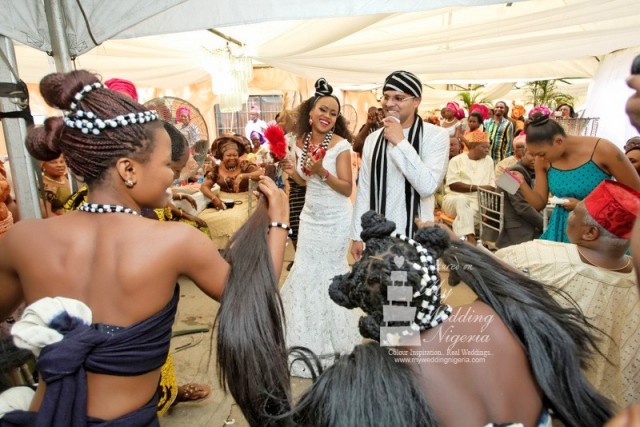
Tiv traditional marriage is a journey that goes far beyond a single wedding day. In Tiv society, it is a carefully guided process where families, elders, and communities come together to honour tradition, exchange gifts, and perform meaningful rituals. From courtship visits to the presentation of the bride price, every step in a Tiv traditional marriage carries deep cultural significance and lessons passed down through generations.
For outsiders, marriage may seem like one event. However, a Tiv traditional marriage unfolds in stages that celebrate family bonds, respect, and cultural identity. Each ritual in a Tiv traditional marriage tells a story, teaches responsibility, and strengthens the connection between two families.
In this article, you will explore the powerful rituals of Tiv traditional marriage you never knew, from the introductions and negotiations to the blessings and celebrations. You will see how these rites still guide couples today and why Tiv traditional marriage remains an essential part of the culture it represents.
Overview of the Tiv People
The Tiv are one of the largest ethnic groups in central Nigeria mainly found in Benue State as well as parts of Taraba, Nasarawa, and Cross River States. They speak the Tiv language which is a member of the Niger-Congo language family, and have a rich cultural heritage that has been preserved for centuries. Getting to know about the Tiv people provides important context for appreciating the rituals and customs of Tiv traditional marriage.
Traditionally, Tiv society is organized around clans and family lineages, with strong community ties and respect for elders. Social cohesion is highly valued, and decisions about marriage, land, and leadership often involve consultation with family heads and community leaders. These values are reflected in Tiv traditional marriage where family involvement and community recognition are central to the process.
The Tiv are primarily farmers who cultivate yams, millet, cassava, and other crops, and these agricultural practices historically influenced their social structures and festivals. Music, dance, and storytelling are also important aspects of Tiv culture. These cultural expressions are woven into the rituals of Tiv traditional marriage, from songs sung during courtship visits to dances performed at the bride’s arrival ceremony.
Religiously, the Tiv are diverse. Many practice Christianity, Islam, or traditional Tiv spiritual beliefs. Despite these variations, cultural norms and practices which include marriage rituals remain strong and widely observed. Tiv traditional marriage, therefore, is not only a union between two individuals but a cultural institution that reflects the identity, values, and history of the Tiv people.
By understanding the Tiv people, their social structures, and cultural priorities, one can better appreciate why Tiv traditional marriage carries such meaning, how it preserves heritage, and why it continues to guide family and community life in contemporary Nigeria.
Historical Background of Tiv Traditional Marriage
Tiv traditional marriage has a long history that reflects the values, beliefs, and social structure of the Tiv people who are mainly found in Benue State and parts of Taraba and Nasarawa States in central Nigeria. In Tiv culture, marriage is more than a personal union. It is the joining of families, a recognition of lineage, and a continuation of social harmony. Every step in a Tiv traditional marriage has meaning that links the present generation to the ancestors who established these practices.
Historically, the Tiv practiced several forms of marriage. One of the earliest known customs was called yamshe which involved the exchange of daughters or sisters between families. This form of marriage did not rely on money, instead, it focused on building lasting bonds between families. It served as a way to maintain alliances, promote trust, and create mutual obligations between households.
Over time, yamshe gradually declined as the bride-price system known as kwase-kemen became more common. In this system, families agreed on a list of items and monetary contributions that the groom’s family would provide to the bride’s family. This change reflected wider cultural influences and the increasing importance of formal agreements in Tiv society.
Other historical practices included kwase tsuen, sometimes described as marriage by capture in remote areas, and the iye process which involved courtship and visits before formal negotiations. These practices highlighted the Tiv emphasis on family involvement, social observation, and the careful preparation needed before a marriage could be recognized.
By the early 20th century, these historical practices had begun to evolve under the influence of Christianity, colonial administration, and modern education. While the forms of marriage changed, the underlying principles of respect, family consent, and community recognition remained central to Tiv traditional marriage. Even today, these historical roots influence the way ceremonies are conducted with the aim of ensuring that contemporary Tiv couples honour both their ancestors and the values of their culture.
To understand the historical background of Tiv marriage is essential to appreciating its rituals, negotiations, and celebrations. These roots explain why every stage in Tiv traditional marriage, from courtship to the exchange of bride price carries meaning and continues to guide families in the present day.
The Courtship Phase
Before a Tiv traditional marriage officially begins, there is a careful period of courtship. In Tiv culture, this stage is called iye, and it is where a potential groom demonstrates his interest in a bride in a way that respects her family and the expectations of the community. Courtship is not just about expressing personal attraction. It is a way for families to observe character, honesty, and readiness for the responsibilities of marriage.
During this phase, a young man visits the family of the woman he intends to marry. These visits are deliberate and respectful. He often brings small gifts such as salt, palm oil, wine, or other items requested by the bride’s family. Each visit is an opportunity to build trust and show sincerity. The woman’s family uses these visits to gauge the character of the suitor and how he interacts with their daughter.
In some cases, couples may elope. But even then, they are expected to inform their families afterward and follow through with the appropriate rites. This demonstrates the importance of family consent and community recognition in Tiv traditional marriage. The courtship period also allows both the bride and the groom to become familiar with each other’s personalities, values, and habits before any formal commitments are made.
During courtship, elders and parents play a guiding role. They offer advice, observe interactions, and ensure that both families understand the expectations involved in a Tiv traditional marriage. Their input is crucial, as the elders’ approval often determines whether the courtship can progress to the next stage.
The courtship phase is both practical and symbolic. It emphasizes respect, patience, and preparation. By the end of this period, the families have a clearer understanding of the couple’s compatibility, and the foundation is laid for negotiations, gift exchanges, and the formal ceremonies that define a Tiv traditional marriage.
Key Rituals and Ceremonies
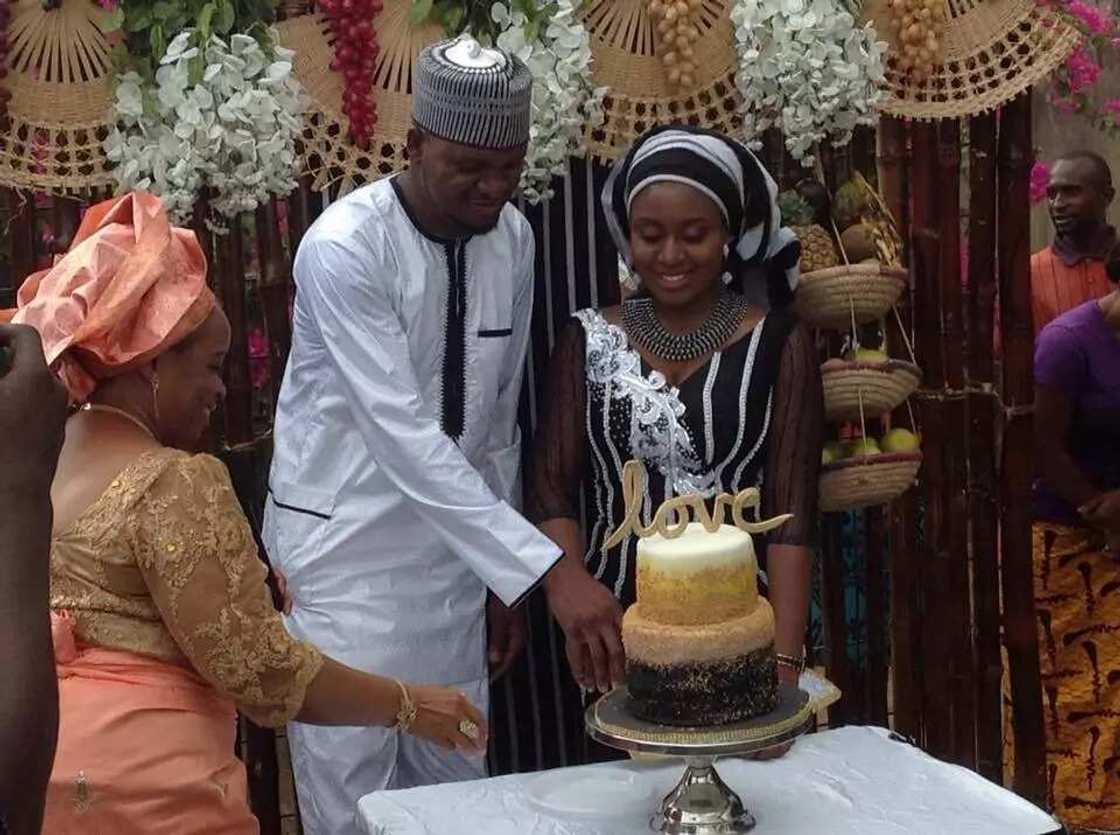
A Tiv traditional marriage is a sequence of rituals that bring families together and honour cultural heritage. Each ceremony has meaning that shows respect, commitment, and social responsibility. From the introductions to the celebrations, these rituals form the heart of Tiv traditional marriage.
Official Introduction
The first major ritual in a Tiv traditional marriage is the official introduction of the groom’s family to the bride’s family. This visit is not the marriage itself but a formal way to begin negotiations and establish mutual respect. The groom’s family typically brings gifts such as palm oil, salt, wine, and other requested items. These gifts show seriousness and willingness to honour the family’s customs.
During the introduction, the bride’s family presents a list of items and contributions expected from the groom’s family. This list which is known as kwase-kemen often separates items for the bride’s father and mother. It may include mats, chairs, clothing, and traditional items, alongside a monetary contribution, if needed. The introduction creates a foundation of transparency and understanding that carries into the main ceremonies.
List of Gifts and Bride Price (Kwase-Kemen)
After introductions, the groom’s family prepares to fulfill the kwase-kemen. This includes providing the bride price and the requested gifts. The items and contributions symbolize the groom’s readiness to care for his wife and respect her family. The exchange is both practical and ceremonial as it reflects the community’s values and expectations.
Historically, there was no fixed amount for the bride price, and families negotiated based on what they deemed appropriate. In recent years, traditional councils have encouraged reasonable limits to prevent financial strain. For example, in 2018, the Tiv Area Traditional Council recommended that traditional marriage expenses should not exceed one hundred thousand naira. This helps to preserve the cultural significance of the rituals as well as keep it accessible to families.
Family Blessings and Acceptance
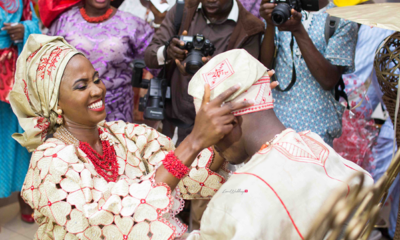
Once the bride price and gifts are delivered, the bride’s family formally accepts the union. Elders offer blessings, advice, and guidance to the couple. In some areas, the bride serves a drink to her future husband as a symbol of hospitality and consent. These moments strengthen family ties and show that the marriage is supported by the wider community.
Cultural Arrival Ceremony (Kwase Kuhwam)
After formal acceptance, the bride is welcomed into her new home in a ritual called kwase kuhwam. This celebration is filled with music, singing, and dancing. It is a joyful moment for both families and the community as it signals the beginning of the couple’s life together. In Tiv traditional marriage, this arrival ceremony emphasizes community cohesion and shared joy, and highlights the social and cultural importance of marriage.
The Kwase Kuhwam also allows neighbours, friends, and extended family to participate, thereby creating a sense of inclusion. The celebration carries meaning about responsibility, respect, and the recognition of new family connections.
Significance of Rituals
Every ritual in Tiv traditional marriage, from the introduction to the arrival ceremony serves a purpose. It builds trust, formalizes agreements, and ensures both families are committed to the union. These ceremonies also honour the elders, preserve cultural practices, and teach the younger ones about values such as patience, respect, and community responsibility.
Through these key rituals and ceremonies, Tiv traditional marriage remains a living expression of culture, and shows how tradition continues to guide families in modern times. Each stage carries meaning, connects generations, and underscores the power and beauty of Tiv customs.
Roles and Social Expectations
In a Tiv traditional marriage, the union of two individuals extends far beyond the couple themselves. Families and community elders play critical roles, and every participant is guided by expectations rooted in respect, tradition, and social responsibility. For one to understand these roles, it becomes essential to appreciate how Tiv traditional marriage functions as both a personal and communal institution.
The groom’s family carries the responsibility of initiating visits, presenting gifts, and fulfilling the bride price. This demonstrates respect, financial readiness, and willingness to uphold cultural norms. The groom himself is expected to act with patience, sincerity, and humility, to show that he values not only the bride but also her family’s guidance.
The bride’s family also has defined responsibilities. They observe the suitor’s behaviour during courtship visits and assess his suitability as a husband. Elders often guide these observations, and advise parents and daughters on matters of compatibility, character, and family alignment. Once the bride price and gifts are presented, the family formally accepts the marriage, and offers blessings and counsel to the couple.
Elders in both families act as referees, mentors, and witnesses. They ensure that the rituals are performed correctly, that respect is maintained, and that social and cultural norms are upheld. Their approval is often crucial for the marriage to progress smoothly. In many communities, without the consent of the elders, a marriage may not receive full recognition.
The broader community also plays an informal role. Neighbours, friends, and extended family members observe the ceremonies, participate in celebrations, and offer support. This communal involvement reinforces accountability and social cohesion. A Tiv traditional marriage is, therefore. not only a personal commitment but also a public acknowledgment of family and community bonds.
Gender roles are significant but not rigidly limiting. The bride is expected to honour her family and learn the responsibilities of her new household, while the groom demonstrates leadership, care, and respect. These roles highlight balance, mutual respect, and cooperation rather than domination.
Overall, the social expectations in a Tiv traditional marriage emphasize patience, respect, and adherence to cultural practices. Every participant, whether young or old contributes to the success of the union, thus ensuring that marriage remains a meaningful, well-supported institution within Tiv society.
Influence of Religion and Modernity

Tiv traditional marriage has evolved over time, influenced not only by the values of the Tiv people but also by religion and modern societal changes. While the core rituals remain, Christianity, Islam, and modern education have reshaped certain practices, and as such, created a blend of tradition and contemporary life.
Many Tiv couples today choose to have a church or civil wedding in addition to completing traditional rites. The traditional ceremony often comes first to allow families to honour the cultural process of introduction, negotiation, and gift exchange before a legal or religious marriage is recognized. This combination preserves heritage while also adapting to the expectations of modern life.
Religion has also influenced how rituals are performed. Some families now incorporate prayers, scriptural readings, or blessings from pastors or imams during key ceremonies. While traditional songs, dances, and gift exchanges remain, these religious elements provide spiritual significance alongside cultural symbolism.
Modernity has introduced other changes as well. Urbanization, education, and financial realities have affected the timing, scale, and cost of Tiv traditional marriages. In response, community leaders have set guidelines to keep ceremonies affordable and meaningful. For example, in 2018 the Tiv Area Traditional Council recommended that the total expenses for a traditional marriage should not exceed one hundred thousand naira. This ensures that families can participate fully in rituals without being overwhelmed by financial pressure.
Despite these influences, the core of Tiv traditional marriage remains intact. Courtship visits, the presentation of gifts, family blessings, and community celebrations still define the process. Modern adaptations have not replaced the rituals but have allowed them to remain relevant for the younger generations.
In many ways, the combination of tradition, religion, and modern practicality strengthens the marriage process, and shows how Tiv traditional marriage can honour the past as it embraces the present.
Cultural Significance and Lessons
Tiv traditional marriage is more than a personal contract between two people. It is a cultural institution that teaches lessons about respect, responsibility, and community connection. Every ritual, from the courtship phase to the exchange of gifts and family blessings carries meaning that extends beyond the couple to families and the wider community.
One of the most important lessons of Tiv traditional marriage is the value of patience. Negotiations, introductions, and preparations often take weeks or months, allowing families to communicate, resolve differences, and build trust. This careful pace ensures that the marriage begins on a solid foundation and that both families understand their roles in supporting the union.
Respect is another key element. In Tiv traditional marriage, the opinions of elders, the guidance of parents, and the input of the community are all considered. Couples learn that marriage is not just a private affair but a public commitment where respect for tradition and family is paramount.
The rituals also teach responsibility. The groom demonstrates readiness to provide for his bride, while the bride shows commitment to her new household. Family involvement reinforces social responsibility. This emphasizes that marriage is a partnership that benefits not just the couple but everyone connected to them.
Cultural identity is preserved through the music, dances, and symbolic gestures performed during each ceremony. These traditions link the present generations to the past in such a way that ensures that the values, stories, and wisdom of the ancestors remain alive in everyday life. Even in modern settings, Tiv traditional marriage still guides behaviour, define family relationships, and remind the participants of their cultural roots.
In essence, Tiv traditional marriage is a living classroom that teaches patience, respect, responsibility, and the importance of community bonds. By observing and participating in these rituals, the younger people learn how to honour their heritage as they prepare for the challenges and joys of married life.
In Conclusion …
Tiv traditional marriage is a rich heritage of rituals, family involvement, and cultural values that connects the past with the present. From the careful courtship to the presentation of gifts, the blessings of elders, and the joyful arrival ceremony, every stage carries meaning that goes beyond the union of two people. It is a process that honours family, community, and heritage while teaching lessons in respect, patience, and responsibility.
Even as religion and modernity influence how ceremonies are conducted, the core rituals of Tiv traditional marriage remain intact. They continue to guide couples and families, ensuring that the values of Tiv culture are preserved and passed to the younger ones. These traditions show how a marriage can be both personal and communal. A combination of love, commitment, and cultural pride.
Learning about the Tiv traditional marriage allows us to see why these rites have endured for generations. They are not just customs but living expressions of identity, community cohesion, and meaningful connection.
For anyone seeking to learn about Nigerian cultural practices, the rituals of Tiv traditional marriage offer insight into a society where family, respect, and tradition remain central to life.
References
- https://en.wikipedia.org/wiki/Tiv_people
- https://www.ucjui.com/the-tiv-traditional-marriage/
- https://www.legit.ng/1199593-tiv-traditional-marriage-rites.html
- https://www.iiste.org/Journals/index.php/JCSD/article/view/36498
- https://dailytrust.com/tiv-bans-traditional-marriage-festivities-peg-expenses-at-n100-000-267570/
You might want to check this out …