





African Culture
11 Remarkable Traits the Igbo People of Nigeria Are Known For

Igbo people are one of Nigeria’s largest ethnic groups known for their entrepreneurial spirit, rich culture, community values, education focus, and global presence. Explore 10 remarkable traits rooted in the history, tradition, and everyday life of the people.

The Igbo people of Nigeria are recognized for much more than their numbers or where they live. Their reputation is built on a mix of culture, history, and everyday choices that have helped them thrive in communities both at home and abroad.
From the markets of Onitsha to small businesses across towns, they are known for turning challenges into opportunities. Education, strong family connections, and traditions that guide daily life are all part of what makes the people unique.
In this article, we explore 10 remarkable traits the Igbo people of Nigeria are known for. These are traits rooted in history, practice, and shared experience. Each one tells a story about resilience, creativity and community, thus offering a deeper understanding of this influential and enduring culture.
Overview of the Igbo People
The Igbo people are one of Nigeria’s largest and most vibrant ethnic groups. They are predominantly resident in the southeastern region of the country. Their population is estimated in the tens of millions spread across Anambra, Imo, Enugu, Abia, and Ebonyi States. Despite their concentration in this region, Igbo communities are also found throughout Nigeria and in diaspora communities worldwide.
Historically, the Igbo had a decentralized system of governance, with communities organized around villages and clans, rather than centralized kingdoms. This structure influenced their social, political, and economic interactions and fostered a sense of autonomy, collaboration, and community responsibility.
The Igbo language, with its rich array of dialects is a cornerstone of the cultural identity of the Igbo people. Oral traditions, folktales, and proverbs play a key role in passing down knowledge and maintaining social cohesion. Alongside these cultural markers, the Igbo have historically engaged in trade, farming, and craftwork which gave rise to thriving local economies and vibrant markets.
Religion and spirituality have also been central to Igbo life. Traditional beliefs emphasized reverence for a supreme creator, ancestral spirits, and local deities. Over time, Christianity became widespread. Notwithstanding, many Igbo communities continue to combine traditional practices with modern religious observances.
Today, the Igbo people are known for their adaptability and mobility. Many have migrated to cities, other regions of Nigeria, or abroad where they form strong diaspora networks while still maintaining ties to their ancestral lands. This balance of rootedness and openness to change has helped the Igbo maintain their cultural identity, even as they participate actively in modern economic, educational, and social life.
Overall, the Igbo are a resilient, culturally rich, and globally connected community whose history and social structures continue to shape their influence in Nigeria and beyond. This overview provides context for understanding the remarkable traits that define their identity and contributions.
11 Remarkable Traits of the Igbo People

1. Entrepreneurial Spirit and Business Ingenuity
One of the most well-known traits of the Igbo people is their entrepreneurial spirit. To them, business is not just a way to earn a living, it is part of daily life and community culture. In towns like Nnewi, Onitsha and Aba, markets are lively centres of trade where people from all over Nigeria come to buy and sell goods. These markets are organized systems that have grown over decades, even centuries, and they show the skill and energy of the Igbo people in action.
The Igbo apprenticeship system has played a key role in forming this business culture. Young people often work under experienced traders for several years during which they learn skills in trade, simple accounting, and negotiation. At the end of their training, apprentices receive the tools or capital to start their own business. This system ensures knowledge is passed down and allows successive generations to build on previous successes
Beyond the markets, many Igbo individuals run small and medium businesses across Nigeria, in industries like manufacturing, transportation, and technology. Their ingenuity is seen in how they identify opportunities, manage resources, and take calculated risks. This strong business mindset has also carried into the global Igbo diaspora, with entrepreneurs establishing shops, import-export businesses, and service companies in countries like the United States, the United Kingdom, and other parts of Africa.
For the Igbo people, entrepreneurship is a way to provide for family, support community development, and leave a legacy. It reflects a culture that values initiative, resilience, and practical intelligence, and it continues to define their reputation both in Nigeria and around the world.
2. Strong Emphasis on Education and Achievement
The Igbo people have long valued education as a path to opportunity and progress. Historically, when colonial education systems were introduced in southeastern Nigeria, many Igbo communities quickly embraced schools as they saw literacy and learning as ways to secure a better future. Over time, this focus on education became a defining trait of the Igbo people.
Families often encourage children to excel in school from a young age. Parents invest time and resources to ensure that children not only attend school but also aim for professional careers in medicine, law, engineering, and academia. This dedication to learning has produced generations of highly educated individuals who make significant contributions both within Nigeria and internationally.
Education among the Igbo people is not limited to formal schooling. Many families emphasize practical skills and lifelong learning. The traditional apprenticeship system, for instance, allows young people to gain hands-on knowledge in business and craftsmanship alongside their academic studies. This combination of formal and practical education equips the Igbo with the tools to navigate complex social and economic environments.
The achievements of the Igbo people in education have also fostered a culture of mentorship and community support. Successful individuals often give back to their communities through scholarships, vocational training programmes, and local development initiatives. This cycle of learning, achievement, and sharing reinforces the community’s belief in knowledge as a cornerstone of growth and resilience.
For the Igbo people, education is a collective value that strengthens families, communities, and even the broader society. It is a trait that continues to define their identity and influence, thus making them one of Nigeria’s most academically driven and accomplished groups.
3. Deep Sense of Community and Social Networks
The Igbo people are widely recognized for the strong bonds they maintain within families and communities. Life in Igbo society is rarely lived in isolation. From the smallest village to the busiest town, relationships with extended family, neighbours, and fellow community members form the backbone of daily life. These connections create networks that provide support, guidance, and opportunities for generations.
Traditionally, Igbo communities are organized around the extended family known as umunna. Members share resources, responsibilities, and decisions that affect the group. Land, for example, is often managed collectively, and families come together for celebrations, problem-solving, and rites of passage. This approach ensures that individuals benefit from shared knowledge, experience, and labour.
In modern times, this communal spirit has expanded beyond villages. Town unions, professional associations, and diaspora networks continue to strengthen ties among Igbo people both in Nigeria and abroad. These groups organize events, provide scholarships, fund community projects, and offer mentorship to the younger members. In cities around the world, Igbo diaspora associations maintain cultural practices, even as they are creating economic and social opportunities for their members.
This deep sense of community is practical and adaptive. During challenges such as economic hardship, natural disasters, or social changes, these networks offer crucial support. For the Igbo people, relationships and collective responsibility are not just social expectations. They are essential tools for survival, growth, and prosperity.
Through these networks, the Igbo people preserve cultural values, share knowledge, and reinforce social cohesion. Their ability to nurture connections as well as encourage individual achievement is a defining trait that continues to set them apart.

4. Rich Cultural and Spiritual Heritage
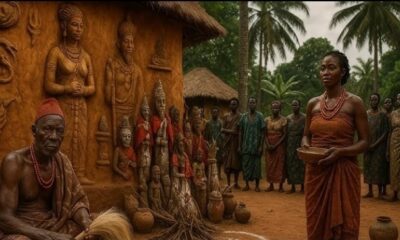
The Igbo people of Nigeria have a cultural and spiritual life that is deeply woven into their daily existence. From rituals to festivals, proverbs to masquerades, their traditions offer a window into values, history, and social identity. While many Igbo today practice Christianity, traditional beliefs continue to influence cultural practices and community life.
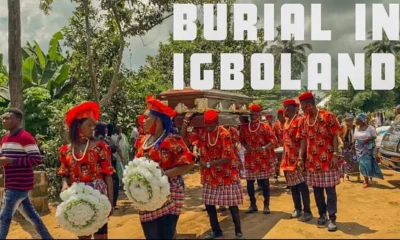
In traditional Igbo religion, there is belief in a supreme creator called Chukwu or Chineke, as well as reverence for the ancestors and spirits associated with the land. These beliefs guided early Igbo society, and influenced moral codes, social responsibilities, and community ceremonies. Even today, ancestral respect and ritual observances are woven into weddings, naming ceremonies, and festivals.
Masquerades, or Mmanwu are a unique feature of Igbo cultural expression. They serve multiple purposes such as entertaining, educating, and enforcing social norms. Dressed in elaborate masks and costumes, masqueraders bring stories to life, and pass lessons from the elders to the younger ones through performance.
Proverbs and folktales also play a significant role. They are used in daily conversation to teach wisdom, resolve disputes, and preserve historical knowledge. These narratives are often passed orally.
Festivals such as the New Yam Festival known as Iri Ji in local parlance celebrate the harvest and honour the community’s shared efforts. Music, dance, and feasting strengthen bonds and maintain a sense of identity across generations. These practices reflect the values, resilience, and creativity of the Igbo people.
Through their rich cultural and spiritual heritage, the Igbo people maintain a strong sense of who they are, regardless of where they live. This connection to tradition nurtures pride, guides behaviour, and provides continuity that ensures that cultural wisdom is never lost.
5. Resilience and Adaptability to Change
The Igbo people are known for their ability to navigate challenges with determination and flexibility. Throughout history, they have faced difficult circumstances, yet consistently found ways to recover and thrive. This resilience is a defining feature of their identity and community life.
One of the most significant tests of Igbo resilience occurred during the Nigerian Civil War in the late 1960s. Southeastern Nigeria which is home to many Igbo communities experienced extreme hardship and displacement. Despite immense losses, the Igbo people rebuilt towns, markets, and businesses in the years that followed. This was a demonstration of a remarkable ability to adapt to post-war realities.
This adaptability extends to everyday life. In business, the Igbo often identify opportunities where others see obstacles. They adjust quickly to new economic trends, technological advancements, and social changes. Whether running small businesses in rural towns or expanding entrepreneurial ventures in global cities, the Igbo people maintain flexibility, and at the same time, still hold onto their core values of hard work and community support.
Even in the diaspora, Igbo communities demonstrate resilience and adaptability. They establish networks that preserve culture, provide economic opportunities, and support education for the younger ones. These networks allow the Igbo people to maintain their identity as they thrive in new environments.
For the Igbo people, resilience is not just a response to adversity. It is a trait cultivated through family, tradition, and experience which allows them to face change confidently. Their adaptability ensures that they continue to prosper in both familiar and unfamiliar settings, thus shaping a community that is strong, resourceful, and forward-looking.
6. Indigenous Innovation and Skilled Craftsmanship
The Igbo people are recognized not only for their business acumen but also for their practical skills and ingenuity. Innovation and craftsmanship have long been part of everyday life in Igbo communities. From farming tools to traditional arts, the Igbo developed techniques that allowed them to meet both practical and aesthetic needs.
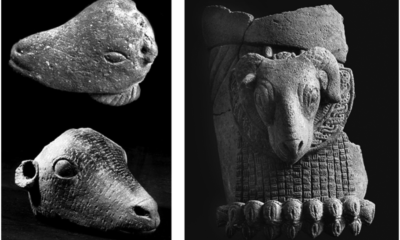
Historically, Igbo artisans worked with metal, wood, and clay to create tools, household items, and decorative pieces. Blacksmiths produced iron implements for agriculture and hunting, while carvers and weavers contributed to cultural and ceremonial items. These skills were taught through apprenticeship with the aim of ensuring that knowledge was passed from one generation to the next.
In modern times, the legacy of craftsmanship continues alongside technological innovation. Cities like Nnewi have become centres of manufacturing and small-scale industrial production. Igbo entrepreneurs often combine traditional knowledge with modern techniques, and in the process, produce goods that are practical, durable, and marketable both locally and internationally.
This innovation is not limited to tangible products. Many Igbo people apply creative problem-solving in business, education, and community projects. Whether it is finding efficient ways to manage trade or improving agricultural methods, ingenuity is embedded in their daily life.
For the Igbo people, skilled craftsmanship and innovation are expressions of cultural identity, practical intelligence, and adaptability. These traits allow them to preserve traditions as well as advance economically and socially, thus making them influential contributors to Nigeria’s development and beyond.
7. Love for Celebrations and Festivals
The Igbo people have a vibrant relationship with festivals and celebrations which are central to their culture and community life. These events are not just occasions for fun. They honour history, reinforce social bonds, and connect generations through shared traditions.
One of the most important festivals is the New Yam Festival known locally as Iri Ji. This annual celebration marks the harvest of yams which are a staple crop and a symbol of wealth and hard work. Communities gather to give thanks, share food, perform dances, and engage in storytelling. The festival is an opportunity to honour the ancestors, recognize communal effort, and teach younger members about cultural values.
Masquerade performances are also a highlight of Igbo celebrations. Masqueraders wear elaborate masks and costumes. They entertain the crowd and convey lessons about morality, respect, and social norms. Music, drums, and dance accompany these performances in such a way that creates lively, memorable experiences that unite the community.
Beyond formal festivals, everyday gatherings such as weddings, naming ceremonies, and title-taking ceremonies also showcase the Igbo love for celebration. These events combine ceremony, music, food, and dance to strengthen family ties and reinforce social cohesion.
For the Igbo people, festivals are expressions of identity, pride, and creativity. Celebrations preserve history, educate the younger members, and remind communities of the values that guide daily life. The enthusiasm with which the Igbo engage in festivals reflects a culture that treasures togetherness, joy, and cultural continuity.

8. Decentralized Systems of Social Governance
The Igbo people have long been known for their unique approach to governance. Unlike societies that relied on kings or centralized authority, traditional Igbo communities practiced a decentralized system where decisions were made collectively. This system encouraged participation, accountability, and fairness within the community.
Village assemblies, councils of elders, and title societies played key roles in governance. Elders and respected members of society would meet to discuss matters affecting the community – matters such as land disputes, trade regulations, and social conduct. Leadership was often based on merit, contribution, and wisdom rather than hereditary succession.
Title societies, for example, the Ozo society recognized individuals who had made significant contributions to their communities. Members of these societies held influence and respect with which they guided community decisions and maintained social order. This system of governance emphasized dialogue, consensus, and personal responsibility, thus fostering a sense of shared duty among community members.
Even today, elements of this decentralized structure persist. Town unions, local committees, and community associations continue to guide social, economic, and cultural projects. Decisions are often reached collectively as a reflection of the Igbo commitment to collaboration and fairness.
For the Igbo people, decentralized governance is a framework that cultivates leadership, accountability, and community participation. It is a trait that has helped them manage resources, resolve conflicts, and flourish as a people with strong social cohesion.
9. Deep Connection to Ancestral Homes
The Igbo people have a strong, enduring bond with their ancestral homes often referred to as country homes. Even when many live and work in cities or abroad, these homes remain central to their identity. For the Igbo, returning to the village is not just formality. It is a reaffirmation of family ties, cultural heritage, and communal belonging.
Ancestral homes are where family lands are inherited, traditions are preserved, and festivals are celebrated. Many Igbo people maintain plots for farming, or building new family homes. These spaces serve as physical anchors that connect urban or diaspora lifestyles back to communal roots. For instance, during the New Yam Festival (Iri Ji) or other festivities, people travel from cities or abroad to participate in celebrations.
This connection also influences decision-making, social responsibilities, and personal identity. Owning or maintaining a country home is a symbol of belonging, a reminder of shared history, and a site where cultural knowledge is passed to the younger people. It strengthens family networks and ensures that, despite modernization or migration, the Igbo people remain tied to their land and community.
In essence, ancestral homes reflect the Igbo’s respect for ancestry, communal living, and cultural continuity. They are not just properties, they are living symbols of identity, responsibility, and heritage.
10. Global Presence and Cultural Exchange
The Igbo people are not only influential in southeastern Nigeria, they also have a significant presence around the world. Migration for education, business, and work has led to vibrant Igbo communities in countries such as the United States, the United Kingdom, Canada, and across Africa. These diaspora communities maintain cultural ties while contributing to their new environments.
Igbo diaspora groups often organize cultural events, language classes, and community gatherings. These activities help to preserve traditions, teach the younger members about their heritage, and create networks for economic and social support. From business networking to festivals, the global Igbo community actively exchanges ideas, resources, and cultural practices with both their host countries and their homeland.
Remittances from diaspora members are another way the Igbo people maintain influence abroad. Funds sent home support family, education, and local development projects. This practice reinforces economic stability and strengthens connections between communities across continents.
The Igbo people are also known for sharing their culture internationally. Literature, music, art, and culinary traditions carry Igbo identity beyond Nigeria’s borders. Authors like Chinua Achebe introduced Igbo history and values to global readers, while music and festivals celebrate the richness of Igbo life worldwide.
For the Igbo people, a global presence is not just about migration, it is an opportunity for cultural exchange, economic participation, and identity preservation. Their ability to succeed in new environments, and at the same time, maintain ties to their roots is a testament to their adaptability, resilience, and enduring influence.
11. Enduring Language and Literary Contributions
The Igbo people have a rich linguistic and literary heritage that is central to their identity. The Igbo language, with its many dialects is spoken widely across southeastern Nigeria and among diaspora communities. Preserving the language is a priority for families, schools, and cultural organizations, as it carries not just communication but the history, values, and worldview of the Igbo people.
Beyond spoken language, the Igbo people have made significant contributions to literature. Perhaps the most famous example is Chinua Achebe’s Things Fall Apart, a novel that introduced global audiences to Igbo life, culture, and social systems before and during early colonial influence. The book remains one of the most widely read works of African literature and continues to shape the understanding of Igbo society worldwide.
Proverbs, folktales, and oral poetry also play a central role in Igbo literary culture. Passed down through generations, these forms convey wisdom, moral lessons, and historical knowledge. Storytelling often happens in homes, community gatherings and during cultural events, and provides both entertainment and education.
In the modern era, Igbo writers, journalists, and scholars continue to enrich literature and media. Their work preserves cultural identity and also engage with contemporary social, political, and economic issues. By valuing both language and literature, the Igbo people ensure that their heritage remains rich, accessible, and influential for future generations.
For the Igbo people, language and literature are vessels of identity, tradition, and collective memory. Through them, the Igbo continue to share their stories, values, and culture with the world.
In Conclusion …
The Igbo people of Nigeria are a community defined by resilience, creativity, and deep cultural roots. From their entrepreneurial spirit and commitment to education to their strong social networks and vibrant celebrations, each trait tells a story about how they live, work, and connect with the world. Their decentralized systems of governance, rich spiritual traditions, and innovative craftsmanship demonstrate a balance of practicality and cultural pride.
Globally, the Igbo people continue to make an impact through diaspora communities, literature, and cultural exchange. Their language, oral traditions, and written works preserve heritage as well as inspire new generations, both in Nigeria and abroad. Each trait, whether in business, education, or cultural expression contributes to the enduring identity of the Igbo people. This makes them one of the most influential and remarkable ethnic groups in Nigeria.
Recognizing these traits provides a glimpse int how culture, history, and shared values can define success, resilience, and global influence. For anyone curious about the Nigerian society or the forces that shape dynamic communities, the story of the Igbo people is both inspiring and enlightening.
References
- https://www.britannica.com/topic/Igbo
- https://www.globalfirstnations.com/peoples/igbo-nigeria.html
- https://en.wikipedia.org/wiki/Igbo_people
- https://ohanaezendigbo.com.ng/objectives-goals/
- https://igbopeople.com.ng/
- https://www.icotthusa.org/content/igbo-culture-and-tradition
- https://nnewicity.com/history-of-igbo-people/