

Nigerian Ethnic Groups
The Berom People of Nigeria: Remarkable History, Culture, and Traditions of Plateau Tribe

Berom people are an indigenous ethnic group of Nigeria’s Plateau State with a remarkable history, strong cultural traditions, and rich seasonal festivals that unite the community members and share their heritage with the world.
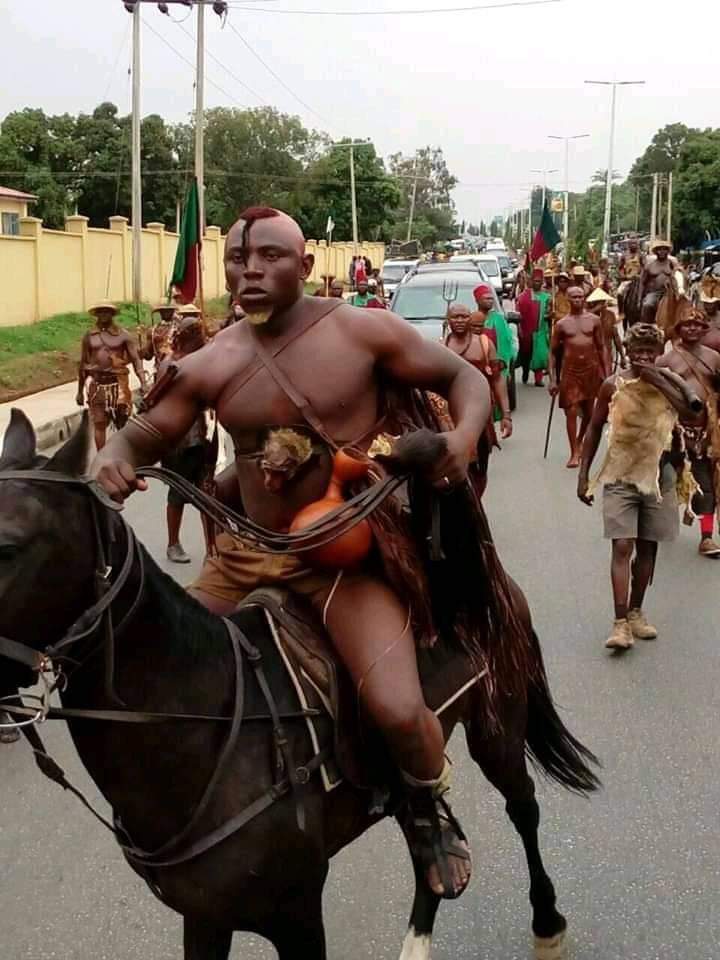
The Berom people are one of the most prominent indigenous communities of Plateau State in central Nigeria. For generations, they have lived across the Jos Plateau, building communities closely tied to farming, family life, and seasonal traditions. Their history is preserved not only in written records but also in stories told at home, in community gatherings, and during festivals that bring villages together each year.
To understand the Berom people means to pay attention to the everyday details of their lives. It can be seen in the cultivation of crops like acha and millet, in the songs performed during cultural celebrations like Nzem Berom, and in the respect given to elders who guide community decisions.
While modern education, urban migration, and new professions have changed many aspects of daily life, the Berom people continue to value their language, customs, and social ties. Their story offers an important window into the cultural heritage of Nigeria’s Middle Belt and the enduring traditions of the Jos Plateau.
Origins and Early History of Berom People
The story of the Berom people begins on the highlands of Nigeria’s Plateau State where the land is fertile and the climate cooler than much of the surrounding region. Historians and cultural scholars agree that the Berom are among the indigenous groups of this area with roots that stretch back several centuries.
While some traditions suggest distant migration from northern regions of Nigeria or the Sahel, most evidence points to the Berom being long-time inhabitants of the Plateau, and developing a society deeply connected to the land they farm and the seasons that guide their lives.
By the time European explorers and colonial administrators arrived in the 19th and early 20th centuries, the Berom people had already established structured communities with strong social networks. Villages were organized around clans, and each is guided by the elders whose wisdom and experience helped to maintain harmony and resolve disputes.
Agriculture was the lifeblood of these communities, with crops like millet, guinea corn, and later acha forming the core of the produce. The rhythms of planting, harvest, and communal labour shaped not only their economy but also their festivals, rituals, and cultural practices.
Colonial influence brought some changes. The British introduced formal administrative structures and recognized local leadership under the Gbong Gwom Jos, a position that eventually became a symbolic unifying figure for all Berom communities.
Despite external pressures, the Berom people preserved their language, traditions, and social cohesion. Their early history reflects a balance between adaptation and preservation, and shows a people grounded in their land, yet, open to managing new realities.
From these early roots, the Berom people developed a cultural identity that combined respect for elders, strong community bonds, and a connection to the natural world. These values continue to define them today.
Where the Berom People Live Today
Today, the Berom people are mostly found in Plateau State, in the central part of Nigeria. Their communities stretch across Jos North, Jos South, Barkin Ladi, Riyom, and parts of Jos East. Smaller Berom populations also live in neighbouring local government areas and even spill over into Sanga in Kaduna State. Despite modern migration, these areas remain the heartland of Berom culture and tradition.
Plateau State’s geography, that is the rolling hills, fertile valleys, and cooler climate has shaped Berom settlement patterns for centuries. Villages are often built on highlands or near water sources which reflects both practical considerations and cultural practices. Farming is central to their communities, and the layout of towns often portrays communal life, with central squares, family compounds, and spaces for festivals and markets.
While many Berom people have moved to cities like Jos and even Abuja in search of education and employment, they still maintain strong ties to their ancestral villages. During important cultural events like the Nzem Berom festival, thousands return home, bringing energy, ideas, and renewed commitment to preserve their heritage. This cycle of urban migration and return helps to keep traditions alive, and connects the modern Berom experiences with their historical roots.
The Berom people coexist alongside other Plateau ethnic groups such as the Anaguta, Afizere, Irigwe, and Mwaghavul with whom they also share markets, schools, and intercommunity projects. Despite these interactions, the Berom maintain a distinct identity through their language, festivals, and social structures. Their presence dominates the cultural landscape of Plateau State, and makes them the largest indigenous ethnic group in the region.
Living in both rural and urban areas, the Berom people today balance traditional practices with modern life. They still farm, trade, and participate in cultural rituals, even while they engage in professions ranging from teaching and engineering to public service and entrepreneurship. This dual existence allows the Berom people to preserve their heritage as they navigate the challenges of the 21st century.
Language and Communication
Language is the heartbeat of the Berom people. The Berom language belongs to the Benue-Congo branch of the Niger-Congo language family. It is the primary means of communication in homes, markets, and community gatherings. Through it, stories, histories, and values are passed down from one generation to the next, thus helping to preserve the identity of the community.
The Berom language is tied closely to cultural expression. Folk songs, proverbs, and oral histories are all communicated in Berom to reflect the people’s understanding of life, nature, and social norms. Festivals like Nzem Berom provide a vivid showcase of this where songs and chants narrate the community’s origins, celebrate harvests, and honour the elders.
Although English is widely spoken due to schooling and official functions, the Berom language remains a vital identity marker. Parents intentionally teach their children the language at home as a way of ensuring that even those who live in cities like Jos or Abuja stay connected to their roots. Community leaders and cultural organizations also run programmes to encourage the young people to learn Berom, particularly through storytelling sessions, music, and literature.
The language itself includes several dialects within different clans and regions, each with unique expressions and vocabulary. These variations reflect the Berom people’s rich cultural diversity and the way language adapts to local traditions. Despite this, speakers across Plateau State can understand each other, and this creates a shared sense of belonging and continuity.
In everyday life, Berom is not only a tool for communication but also a bridge to history. Through it, the elders teach the children about farming practices, seasonal cycles, spiritual beliefs, and social etiquette. By keeping the language alive, the Berom people maintain a direct connection to centuries of knowledge as a way of ensuring that their cultural heritage continues to flourish, even as the modern world changes around them.
Social Structure and Community Life

The Berom people place great value on community and cooperation. Social life is organized around clans, families, and villages, with decisions often guided by the elders whose experience and wisdom influence daily life. These elders are respected figures that mediate disputes, oversee ceremonies, and ensure that traditions are maintained.
At the heart of Berom governance is the Gbong Gwom Jos, the traditional leader who serves as a cultural and symbolic head of the Berom people. While the title carries no formal political power in Nigeria’s modern government, it represents unity, identity, and continuity. Local chiefs and council members work under the Gbong Gwom to maintain order in villages and oversee festivals, land matters, and social programs.
Family structures are equally central. The Berom practice extended family living where grandparents, uncles, aunts, and cousins often reside in nearby compounds. This arrangement encourages communal child-rearing, shared farming responsibilities, and the preservation of cultural knowledge. Children grow up immersed in traditions as they learn about local history, moral values, and social expectations directly from the elders and parents.
Community life also revolves around collaboration in economic activities. Farming, building homes, and preparing for festivals are often communal efforts. Seasonal tasks, like planting or harvesting crops bring families and neighbours together in a way that strengthen bonds and collective identity.
Even today, despite migration to cities, Berom people maintain strong ties to their villages. Cultural gatherings, religious events, and festivals provide opportunities to reconnect with roots and enhance a shared sense of belonging. Social cohesion is not only preserved through tradition but also through deliberate cultural programmes organized by local communities and organizations like the Berom Educational and Cultural Organization (BECO).
In essence, the social structure of the Berom people is a living framework. It balances respect for elders, the importance of family, and the need for communal engagement. This structure has helped them to maintain cultural continuity, manage change, and foster a society where traditions and modern life coexist harmoniously.
Culture and Traditions
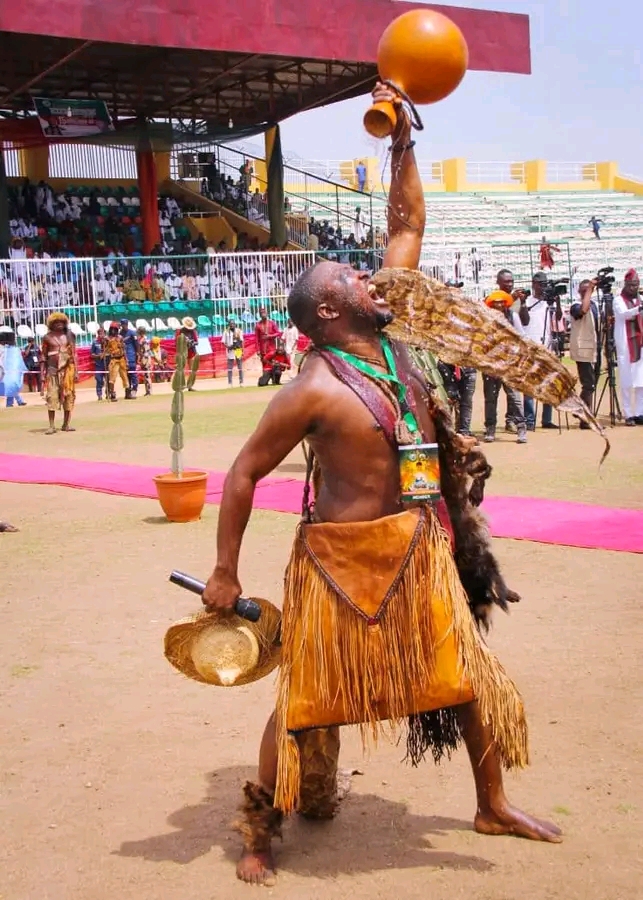
The culture of the Berom people is rich, colourful, and deeply connected to their environment. Life revolves around farming, community, and seasonal cycles, and these rhythms are reflected in their music, festivals, clothing, and daily practices. For the Berom, culture is not a distant concept, it is lived, celebrated, and passed on from generation to generation.
Festivals
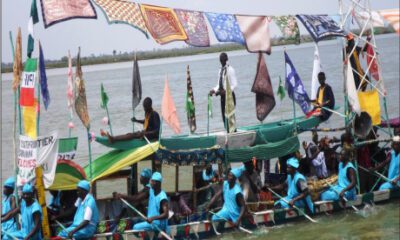
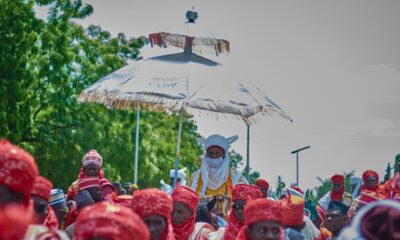
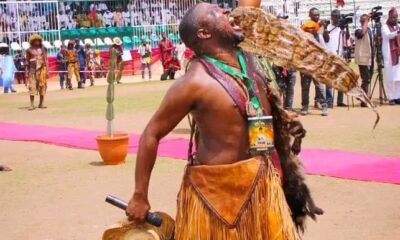
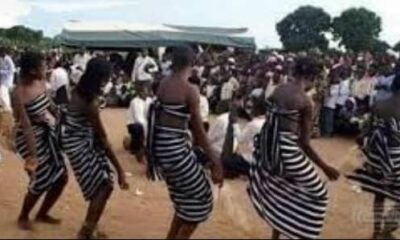
Festivals are central to Berom life. They are opportunities to celebrate the harvest, mark seasonal changes, and honour the ancestors. Among these, the Nzem Berom festival is the most widely recognized. The festival which is held annually in March or April brings together thousands of Berom people from across Plateau State and the diaspora. The festival features traditional music, drumming, dancing, and vibrant attire, thereby creating a spectacle that showcases the community’s shared identity.
Other important Berom festivals include:
- Mandyeng which marks the start of the rainy season and preparation for planting. It is celebrated with dances and rituals to invoke the rains.
- Nshok which is associated with planting and hunting cycles in celebration both nature and community achievements.
- Badu which focuses on harvest and prosperity, and highlights communal cooperation and gratitude.
Traditional Dress and Crafts
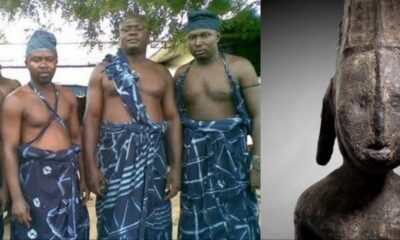
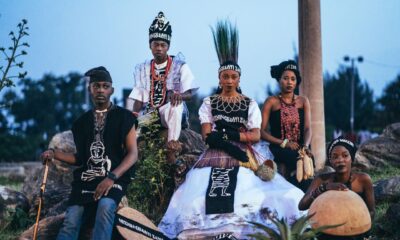
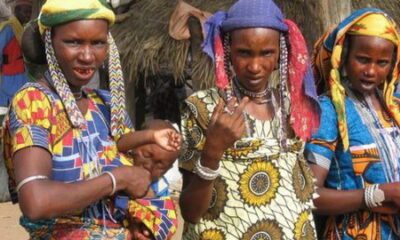
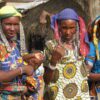
Berom clothing is both functional and symbolic. Men often wear flowing garments with embroidery during ceremonies while the women adorn colourful dresses and beads. Beaded jewelry, woven fabrics, and handcrafted accessories are common, particularly during festivals, weddings, and naming ceremonies. These artistic expressions highlight the community’s creativity and pride in identity.
Craftsmanship also includes woodcarving, pottery, and weaving. Many Berom families produce items used in everyday life while others are displayed during festivals or sold as cultural artifacts. These crafts are not only practical but also carry cultural meaning that represents family lineage, status, or spiritual beliefs.
Rituals and Life Events
Berom culture emphasizes rituals surrounding birth, marriage, and death. Naming ceremonies are significant community events where the elders bless the children, often accompanied by storytelling and songs that connect the newborn to their ancestry. Marriage involves elaborate negotiations between families, ceremonial dances, and shared meals. Funerals are marked with respect for the elders and the continuation of communal memory.
Music and dance are constant threads in Berom life. Songs accompany farming, festivals, and storytelling, and the songs often recount historical events, moral lessons, or the heroism of the ancestors. Drums, flutes, and other local instruments are central to these performances as they produce the rhythms that bring the people together in celebration or reflection.
Through these cultural practices, the Berom people maintain a living connection to their history, land, and community. Even as urbanization and modern life introduce change, these traditions continue to shape identity and reinforce belonging with the aim of ensuring that the Berom culture remains visible, celebrated, and passed down to the next generation.
Economy and Traditional Occupations
The Berom people have always been closely connected to the land, and farming has long been the backbone of their economy. Crops which include acha (hungry rice), millet, maize, guinea corn, and Irish potatoes form the staples of their diet and serve as key sources of trade. To Berom people, farming is more than a livelihood. It informs daily life, community schedules, and even cultural celebrations.
Animal husbandry is another important economic activity. Many households raise cattle, goats, sheep, pigs, and poultry which provide both food and income. These animals also play roles in cultural ceremonies and festivals as they are often used for offerings or communal feasts.
Traditionally, Berom men and women share responsibilities in agriculture. Men often clear land and plant crops, while the women manage weeding, harvesting, and processing of grains. Children learn farming skills from a young age because they grow up immersed in both practical knowledge and cultural values tied to land stewardship.
Over time, the Berom people adapted to new economic opportunities. The discovery of tin in Plateau State during the colonial era introduced mining and wage labour which drew Berom men and women into new professions. Trade expanded as markets developed, allowing for exchange of both agricultural products and crafts.
Today, while many Berom people continue to farm, they also work in diverse sectors such as teaching, civil service, healthcare, construction, and business. Urban migration has created a balance between maintaining agricultural traditions in rural areas and participating in modern professions in cities.
Craftsmanship remains an important occupation. Woodcarving, pottery, weaving, and beadwork not only serve practical purposes, they also connect the Berom to their cultural heritage. Some artisans sell their works locally or to visitors, while others preserve techniques that have been handed down for generations.
The Berom economy projects a community that integrates traditional practices with modern livelihoods with the aim of ensuring sustainability while keeping cultural roots alive. Farming, craftsmanship, and trade are not only sources of income, they are vessels for preserving history, skills, and social cohesion that define the Berom people.
Religion and Beliefs
Religion has always been a vital part of the Berom people’s identity. It combines traditional spirituality with modern faith practices. Historically, the Berom practiced indigenous beliefs centered on Dagwi, the creator as well as ancestral spirits. Spiritual life was deeply integrated into daily activities, from farming to community governance. Shrines, diviners, and rituals were used to seek guidance, protection, and blessings for families and the wider community.
With the arrival of Christian missionaries during the colonial era, Christianity gradually became widespread among the Berom people. Today, most Berom identify as Christians, and churches play a central role in community life. Religious celebrations often coincide with cultural festivals, and many traditional values have been integrated into church teachings, thereby creating a harmonious balance between the old and new practices.
Despite the dominance of Christianity, elements of traditional religion continue to influence Berom culture. Ceremonial dances, songs, and rituals performed during festivals such as Nzem Berom often incorporate symbols and practices rooted in ancestral beliefs. These practices reinforce community cohesion and honour historical continuity.
Religious life among the Berom also emphasizes moral guidance, social responsibility, and respect for elders. Through faith, both traditional and Christian community members are reminded of their responsibilities to family, neighbours, and the land. Spirituality, therefore, is not only personal but woven into the fabric of daily life to influence decisions, celebrations, and social interactions.
In essence, the Berom people shows a religious identity that respects heritage as it embraces modern faith. This combination of beliefs allows them to maintain cultural depth, adapt to contemporary life, and preserve values that have defined their communities for generations.
Challenges and Cultural Preservation
Like many indigenous communities, the Berom people face pressures from modernization, urban migration, and changing lifestyles. Young people often move to cities or even further afield for education and employment. While these opportunities bring personal growth, they can also create distance from traditional practices, language use, and communal activities.
Cultural erosion is another concern. Globalization introduces new lifestyles, media, and values that sometimes conflict with ancestral ways. As more Berom children grow up in urban areas, learning the language and participating in traditional rituals requires deliberate effort. Without these efforts, parts of Berom heritage risk fading with each generation.
To address these challenges, organizations such as the Berom Educational and Cultural Organization (BECO) play a crucial role. They document history, organize festivals like Nzem Berom, and run cultural programmes that teach the younger people about language, music, crafts, and traditional practices.
Community elders also contribute to preservation. By mentoring youth, leading ceremonies, and overseeing festivals, they ensure that cultural knowledge is actively shared rather than only recorded. Even in cities, Berom associations create spaces for storytelling, music, and dance as a way of connecting diaspora members to their heritage.
Additionally, local schools and cultural centres increasingly incorporate Berom history, language, and arts into curricula and extracurricular programmes. These initiatives create awareness, pride, and engagement that shows the young people that maintaining their culture is both meaningful and relevant.
Through these combined efforts, the Berom people protect their identity, language, and traditions. Although cultural preservation is not passive, it is a living practice that requires community participation, celebration, and intentional teaching. This ongoing commitment ensures that Berom heritage flourishes, even as the society around them changes.
In Conclusion …
The Berom people are a remarkable community whose identity is rooted in history, culture, and the land of Plateau State. Their traditions, language, festivals, and social structures reflect centuries of living in harmony with their environment and with one another. From farming the highlands to celebrating the Nzem Berom festival, every aspect of their life carries meaning that connect the past, present, and future generations.
Despite modern challenges like urban migration and cultural change, the Berom still preserve their heritage with intentionality. The elders, cultural organizations, and families ensure that language, rituals, crafts, and festivals remain lively. These efforts allow the Berom people to adapt to contemporary life, even while the keep their roots strong and visible.
Learning about the Berom people offers more than a glimpse into an ethnic group. It is an invitation to understand a living culture that balances tradition and modernity, community and individuality. Their story highlights the resilience of identity, the importance of cultural preservation, and the beauty of a people who celebrate life through their language, festivals, and shared values.
By exploring the Berom people, we not only appreciate their unique contributions to Nigeria’s cultural story, we also recognize the universal importance of honouring heritage, sustaining community, and keeping history alive through generations.
References
- https://en.wikipedia.org/wiki/Berom_people
- https://beco.org.ng/about-2/the-people/
- https://beco.org.ng/history-of-berom-people/
- https://www.tandfonline.com/doi/full/10.1080/13674676.2021.2019205
- https://openlibrary.org/works/OL1668323W/The_Berom_tribe_of_Plateau_State_of_Nigeria
- https://openlibrary.org/works/OL19229345W/Studies_in_Berom_history_and_culture
You may want to check this out …