






Nigerian History
Top 10 Ancient Kingdoms in Nigeria That Shaped Her History

“Ancient kingdoms in Nigeria” feature the story of powerful empires, thriving trade routes, and rich cultures that existed long before colonial rule. Discover the top 10 kingdoms that influenced Nigeria’s history.
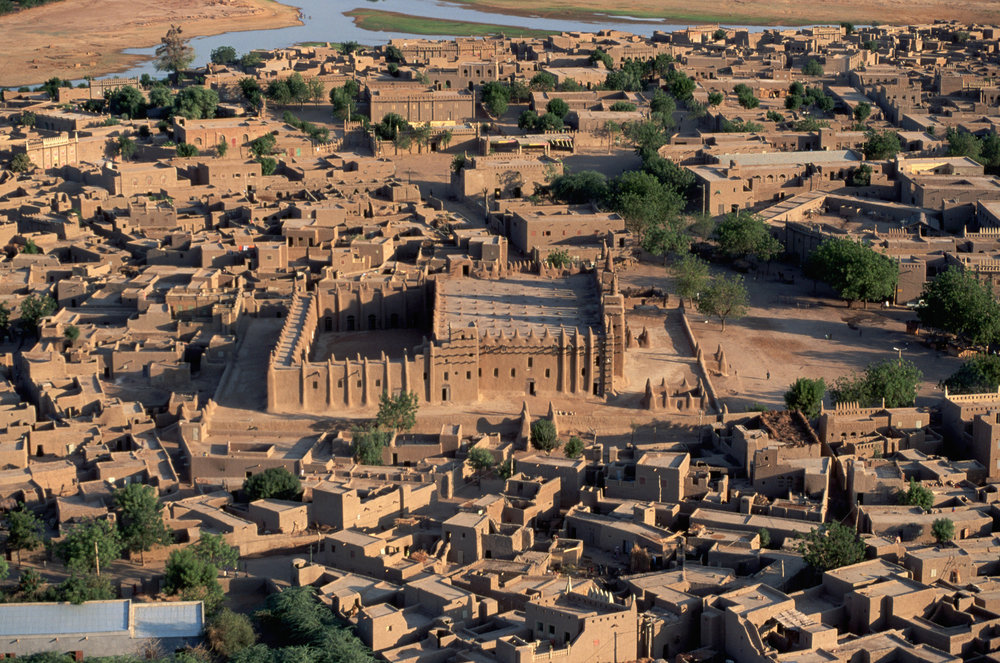
Long before Nigeria became a single nation, long before colonial borders and modern cities, the land was already alive with kingdoms and empires that flourished on trade, culture, and leadership. From the bustling markets of Kano to the artistic courts of Benin, these ancient kingdoms in Nigeria were more than just political entities. They were centres of innovation, spirituality, and connection. They built roads, raised walls, cultivated art, and traded across regions, leaving marks that still echo in today’s culture and traditions.
Walking through the history of these ancient kingdoms in Nigeria is like stepping into a world where power was measured not only by armies but by ideas, governance, and the ability to unite people across vast territories. Each kingdom tells a story of resilience, ingenuity, and human ambition. Learning about these ancient kingdoms in Nigeria is key to appreciating the roots of Nigeria’s diverse cultures and the foundations of its identity.
In this article, we journey through ten of the most influential ancient kingdoms in Nigeria. We explore their origins, their achievements, and the legacies they left behind. Legacies that continue to shape communities, traditions, and the very fabric of Nigerian society today.
What Were the Ancient Kingdoms in Nigeria?
Long before Nigeria became the country we know today, the land was a patchwork of organized societies, each with its own leadership, culture, and way of life. These were not random villages or loosely connected tribes. They were full-fledged kingdoms with kings, councils, armies, trade networks, and cultural traditions. Together, they formed the backbone of West African civilization.
The ancient kingdoms in Nigeria varied greatly in size, influence, and governance. In the north, powerful states like the Hausa city-states and the Kanem-Bornu Empire controlled vast territories and established strong trade connections across the Sahara. In the west, Yoruba kingdoms like Oyo and Ile-Ife developed complex political systems and artistic traditions that drew visitors from faraway lands. The east was home to the Nri Kingdom where spiritual authority influenced the lives of the Igbo people.
What united these kingdoms was their ability to organize communities, trade goods across long distances, and develop cultural practices that lasted for centuries. They built cities with streets and markets, created works of art that still inspire awe today, and established systems of leadership that maintained order and justice.
Knowing about these kingdoms provides a window into the past of Nigeria. It shows a land full of innovation, ambition, and human creativity long before colonial borders or modern governance. The stories of these ancient kingdoms in Nigeria are stories of people who dreamed big, led wisely, and built legacies that continue to influence the Nigerian society today.
Kanem–Bornu Empire – One of Africa’s Longest Lasting Empires
The Kanem–Bornu Empire is one of the most remarkable ancient kingdoms in Nigeria and indeed one of the longest-lasting empires in African history. Its story began around the ninth century near Lake Chad in the area that now stretches across parts of northeastern Nigeria, Niger, Chad, and Cameroon. For centuries, it served as a political, military, and commercial powerhouse in the region.
The rulers of the empire belonged to the Sef dynasty, and in the eleventh century, they embraced Islam. This transformation brought new systems of administration, law, and education that linked Kanem–Bornu to the broader Islamic world. Scholars, traders, and diplomats travelled through the empire, and established it as a centre of learning and influence.
Kanem–Bornu thrived because of its strategic position along trans-Saharan trade routes. Salt from the Sahara, horses from North Africa, textiles, and agricultural products moved through its territories, and connected distant regions. Its military strength allowed it to defend its lands and expand into neighbouring territories. At its height, under rulers such as Idris Alawma in the sixteenth century, the influence of the empire stretched far beyond modern the borders of modern Nigeria.
The legacy of Kanem–Bornu still resonates in northern Nigeria today. Its political structures inspired later empires, and its cultural and religious foundations continue to define communities in the region. For anyone exploring the rich heritage of the ancient kingdoms in Nigeria and the long history of organized societies that existed long before colonial rule, understanding this empire is essential.
Benin Kingdom – A Centre of Art and Governance
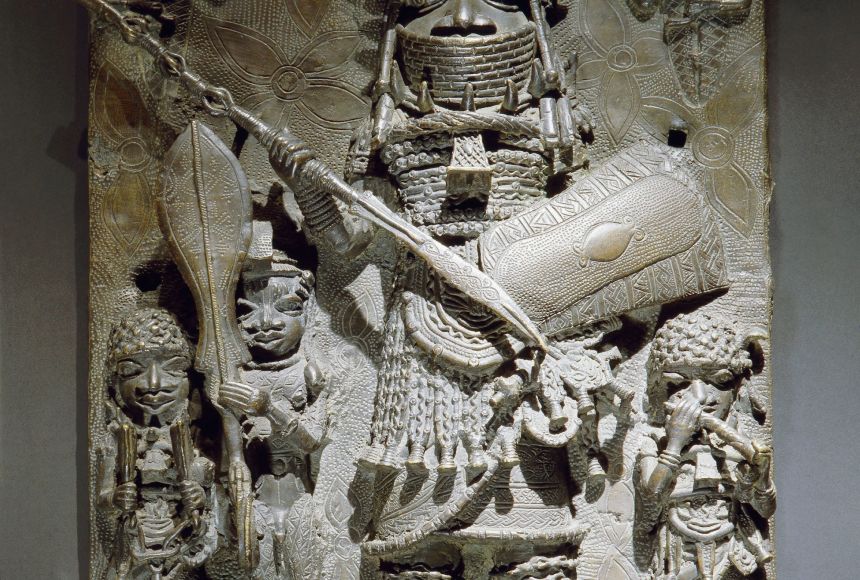
The Benin Kingdom is one of the most celebrated ancient kingdoms in Nigeria known for its rich art, strong political system, and lively culture. This kingdom which is located in present-day Edo State dates back to, at least, the 13th century and grew into a centralized state that impressed visitors from across West Africa and Europe.
At the heart of the kingdom was the Oba, the king who ruled with the support of a council of chiefs and palace officials. This system of governance allowed Benin to maintain political stability and manage its growing territories effectively. The Oba’s court was not only a political centre but also a hub for culture and religion where traditions were preserved and celebrated.
Benin is perhaps most famous for its artistic achievements. The Benin Bronzes, intricately designed brass and ivory plaques tell stories of kings, warriors, and everyday life in the kingdom. These artworks are considered among the finest produced in pre-colonial Africa and continue to draw admiration from historians and art lovers worldwide.
Trade was another pillar of the success of the Benin kingdom. The kingdom established early contacts with Portuguese merchants in the 15th century, and exchanged goods like ivory, pepper, and textiles. Its strategic location allowed it to control important trade routes which further cemented its economic power.
The legacy of the Benin Kingdom endures today. Its artistic heritage, urban planning, and system of governance continue to influence Nigerian society and culture. By exploring Benin, we gain insight into one of the most influential ancient kingdoms in Nigeria and the sophistication of African civilizations before colonial times.
Oyo Empire – A Powerful Yoruba State
The Oyo Empire stands out as one of the most influential ancient kingdoms in Nigeria, particularly among the Yoruba people. Oyo emerged around the 14th century and grew from a modest settlement into a formidable state known for its military strength, sophisticated governance, and flourishing trade networks.
At the centre of the empire was the Alaafin, the king whose power was carefully balanced by a council of nobles known as the Oyo Mesi. This system ensured that governance was organized, accountability was maintained, and disputes were resolved without destabilizing the state. It was a model of political sophistication that allowed Oyo to govern vast territories across southwestern Nigeria and even into parts of modern-day Benin.
Oyo’s military might was legendary. The empire built a strong cavalry which allowed it to protect its borders and expand its influence over neighbouring regions. This strength helped the empire to dominate trade routes, secure resources, and maintain stability across its territories.
Trade and economy flourished in Oyo. Markets buzzed with merchants exchanging kola nuts, cloth, leather, and agricultural products. The strategic location of the empire facilitated interactions with other Yoruba states and European traders along the coast, thus giving it both economic and diplomatic leverage.
Beyond governance and trade, the cultural influence of Oyo was profound. Traditional festivals, art, music, and oral literature from Oyo enriched Yoruba identity and continue to inspire cultural practices today.
The story of Oyo empire reminds us that the Yoruba people built not only a state but a civilization. Its legacy as one of the most organized and resilient ancient kingdoms in Nigeria remains a source of pride and historical insight.
Sokoto Caliphate – A Major Islamic State
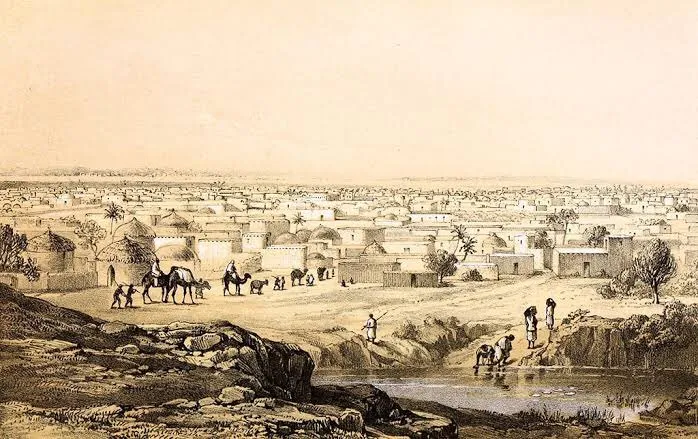
Though it emerged later than some of the other kingdoms, Sokoto Caliphate is one of the most influential ancient kingdoms in Nigeria. The caliphate which was founded in the early 19th century by the Islamic scholar and reformer Usman dan Fodio transformed the political and religious landscape of northern Nigeria.
Usman dan Fodio led a movement to unify Hausa states and other northern territories under a system of Islamic governance. Through religious, political, and military leadership, he established a state where Islamic law guided administration, education, and social conduct. This combination of faith and governance helped the caliphate to maintain stability across vast areas.
The caliphate was organized into provinces, each governed by emirs who reported to the Sultan of Sokoto. This system allowed for effective administration while respecting local customs and communities. Cities like Sokoto, Kano, and Katsina became centres of Islamic scholarship, attracting students, clerics, and traders from across West Africa.
Trade was a cornerstone of the economy of Sokoto Caliphate. Markets thrived with goods such as leather, textiles, agricultural produce, and salt from the Sahara. Its strategic location and organized administration enabled the caliphate to become one of the largest and most powerful political entities in West Africa during the 19th century.
The legacy of Sokoto Caliphate endures today. Many northern Nigerian communities continue to follow traditional governance structures influenced by the caliphate, and its role in promoting Islamic education has left a lasting cultural impact. Studying this caliphate helps us to understand the depth and complexity of ancient kingdoms in Nigeria.
Ile Ife – The Cultural Heart of the Yoruba People
Ile Ife is widely regarded as one of the most significant ancient kingdoms in Nigeria, especially among the Yoruba people. It is known as the spiritual and cultural cradle of the Yoruba civilization. This ancient city has shaped traditions, art, and governance for centuries.
According to Yoruba oral traditions, Ile Ife is where the world was created and where the first humans lived. Beyond myths, the city was historically a thriving urban centre between the 11th and 15th centuries. Its leaders, the Ooni of Ife held both spiritual and political authority that united surrounding towns and influenced Yoruba communities across southwestern Nigeria.
Ile Ife became famous for its remarkable artistic achievements. Bronze and terracotta sculptures created here demonstrate exceptional skill and detail, depicting kings, nobles, and everyday life with lifelike precision. These artworks not only served religious and ceremonial purposes but also reflected the social hierarchy, values, and traditions of the city.
Trade and culture flourished in Ile Ife. Markets offered a variety of goods while festivals and rituals strengthened community bonds. Visitors and traders from neighbouring regions travelled to the city bringing with them ideas and goods that enriched its cultural landscape.
The legacy of Ile Ife still resonates today. It remains a centre for Yoruba culture, history, and spiritual life. Understanding Ile Ife offers insight into the sophistication of the ancient kingdoms in Nigeria where leadership, art, and faith intertwined to create a lasting cultural impact.
The Nri Kingdom – An Ancient Igbo Civilization

The Nri Kingdom stands out as one of the most unique ancient kingdoms in Nigeria, particularly in southeastern Nigeria. Unlike many other states that relied on military power, Nri built its influence through religion, culture, and moral authority. It is considered one of the earliest organized Igbo societies, with roots dating back to, at least, the 10th century.
The ruler of Nri known as the Eze Nri held spiritual and political authority. His leadership was centered on ritual influence and cultural guidance rather than conquest. The Eze Nri mediated disputes, ensured justice, and regulated trade practices using symbolic power to maintain peace across Igbo communities.
The kingdom was also responsible for spreading cultural norms and traditions, including taboos, rites, and festivals. Through Nri influence, communities learned how to organize themselves, resolve conflicts, and conduct ceremonies that reinforced social cohesion.
Trade in Nri flourished through peaceful networks rather than military domination. The kingdom exchanged goods such as yams, cloth, and local crafts with neighbouring regions, thereby connecting communities and fostering economic relationships.
Today, the influence of the Nri Kingdom can still be seen in Igbo traditions, ceremonies, and cultural practices. Studying Nri provides insight into a system of governance and societal organization that relied on respect, spirituality, and cultural authority, thus highlighting a different but equally powerful aspect of the ancient kingdoms in Nigeria.
The Kwararafa Confederacy – A Powerful Jukun Alliance
The Kwararafa Confederacy was one of the most influential ancient kingdoms in Nigeria located in the Middle Belt region. Unlike centralized states, Kwararafa was a coalition of allied communities led predominantly by the Jukun people. Its strength came from unity, diplomacy, and military organization which allowed it to play a key role in regional politics between the 15th and 18th centuries.
Kwararafa occupied territories around the Benue River and often interacted with powerful neighbours like the Kanem-Bornu Empire. Its military prowess was respected across the region, and at times, the confederacy challenged northern empires for influence and control over trade routes.
Among the ancient kingdoms in Nigeria, the influence of Kwararafa extended beyond warfare. Through strategic alliances, marriages, and cultural exchanges, Kwararafa facilitated trade and communication between different ethnic groups. Markets flourished with goods such as pottery, textiles, iron tools, and agricultural produce.
Cultural traditions in Kwararafa were closely tied to religion and ritual authority. Kings and spiritual leaders upheld customs that promoted unity and social cohesion among the diverse communities within the confederacy.
The Kwararafa Confederacy serves as a reminder that not all ancient kingdoms in Nigeria were centralized monarchies. Its story highlights the power of alliances, diplomacy, and cultural influence, and shows that political strength could come from collaboration as much as conquest.
The Nupe Kingdom – A River Trade Power
The Nupe Kingdom is one of the most significant ancient kingdoms in Nigeria located along the fertile banks of the Niger River in central Nigeria. Its strategic position allowed it to become a thriving centre of trade, craftsmanship, and political organization that influenced surrounding regions for centuries.
Unlike some ancient kingdoms in Nigeria that relied primarily on military conquest, the Nupe Kingdom built its strength through trade and skilled craftsmanship. Brass work, leather goods, textiles, and pottery were produced in the kingdom and exchanged with neighbours which helped to connect Nupe communities to the wider West African economy. Markets along the Niger River attracted merchants and travellers, and made the kingdom a hub of commerce and cultural exchange.
Leadership in Nupe combined political authority with cultural oversight. Kings known as Etsu Nupe governed through councils and advisers to ensure both order and continuity. The kingdom maintained strong diplomatic relations with neighbouring states such as the Hausa city-states and the Benin Kingdom, and created networks of influence that extended far beyond its borders.
The legacy of the Nupe Kingdom endures today in its crafts, language, and cultural traditions. The Nupe kingdom offers a glimpse into how commerce, governance, and cultural pride combined to create one of the most respected ancient kingdoms in Nigeria where rivers were lifelines of trade and tradition.
The Igala Kingdom – Guardian of the Niger–Benue Confluence
The Igala Kingdom is one of the notable ancient kingdoms in Nigeria strategically located at the meeting point of the Niger and Benue rivers in what is today Kogi State. This position made it a vital centre for trade, communication, and political influence between northern and southern regions of Nigeria.
The ruler known as the Attah of Igala held both spiritual and political authority. The Attah’s governance extended across various towns and communities to ensure stability and regulate trade along the rivers. Control over this confluence allowed the kingdom to manage river traffic, collect tribute, and foster economic growth.
Trade in the Igala Kingdom was diverse and flourishing. Goods such as yams, fish, cloth, and crafts moved along river routes, and connected Igala markets to neighbouring states like Benin, Nupe, and parts of northern Nigeria. This commercial activity not only enriched the kingdom but also facilitated cultural exchange.
Cultural life in Igala was rich, with festivals, rituals, and traditions strengthening unity among the people. The customs and governance of the kingdom influenced surrounding communities, and made Igala a respected power in the region.
The strategic location and political organization of Igala Kingdom and highlight the ingenuity of the ancient kingdoms in Nigeria. Its ability to control trade and foster cultural cohesion demonstrates how geography and leadership combined to sustain influence over centuries.
The Hausa Kingdoms – Commercial Centres of Northern Nigeria
The Hausa Kingdoms are among the most influential ancient kingdoms in Nigeria that consist of a network of city-states in the northern region. These states, for example, Kano, Katsina, Zaria, Gobir, and Daura developed independently but shared common language, culture, and trade practices that made them a powerful collective force.
Founded over a thousand years ago, the Hausa city-states became centres of commerce, learning, and governance. Each city-state was ruled by an Emir who oversaw administration, trade regulation, and military defense. Despite their independence, these states were connected through trade, diplomacy, and cultural traditions.
Trade was the heartbeat of the Hausa Kingdoms. Their markets attracted merchants from across West Africa and the Sahara. Salt, leather, textiles, and agricultural products were exchanged with regions as far away as North Africa. This made the Hausa city-states not only economic hubs but also cultural melting pots.
The Hausa Kingdoms were also known for Islamic scholarship. Cities like Kano became centres for learning where scholars taught religion, law, and history, thereby influencing generations of northern Nigerians. The combination of trade, governance, and education allowed the Hausa city-states to maintain their influence for centuries.
Today, the legacy of the Hausa Kingdoms lives on in the culture, language, markets, and governance structures of Hausa Kingdoms. Studying these states helps us to understand the depth and complexity of the ancient kingdoms in Nigeria where commerce, faith, and leadership combined to build enduring societies.
How These Ancient Kingdoms Influenced Nigeria
The ancient kingdoms in Nigeria laid the foundation for much of the country’s cultural, political, and economic story. Each kingdom contributed in unique ways.
Politically, these kingdoms developed systems of governance that balanced power, maintained law, and regulated society. Councils, emirs, and monarchs established traditions that still influence the local governance structures of Nigeria today. For example, the Alaafin of Oyo and the Oba of Benin inspired modern chieftaincy systems that remain respected across the country.
Economically, trade networks created by kingdoms like the Hausa city-states, Kanem–Bornu, and the Nupe Kingdom connected communities across vast regions. Salt, textiles, yams, and crafts moved through markets, thereby promoting commerce, urban growth, and cross-cultural exchange. These networks fostered cooperation, prosperity, and shared knowledge.
Culturally, the kingdoms preserved languages, art, festivals, and spiritual practices that still define the Nigerian identity. Benin’s bronze sculptures, Ile Ife’s terracotta masterpieces, and Nri’s spiritual authority all left enduring marks on art, religion, and social cohesion. Music, oral histories, and storytelling traditions also thrived under these kingdoms in a way that ensured cultural continuity across generations.
Why These Ancient Kingdoms in Nigeria Are Still Relevant Today
Studying the ancient kingdoms in Nigeria is not just an exercise in history, it is a way to understand the roots of modern Nigerian society. These kingdoms remind us that the people of this land were builders, thinkers, and innovators long before colonial rule.
Their influence is visible in everyday life, from market organization to festival celebrations, language, and even local governance. The legacies of these kingdoms provide cultural pride and continuity as it connects contemporary Nigerians with their ancestral past.
These kingdoms also highlight the diversity of Nigeria. The Yoruba, Igbo, Hausa, Edo, Nupe, and Jukun traditions all stem from rich, structured societies that coexisted, traded, and sometimes, competed. Recognizing their achievements helps people to appreciate the depth of Nigeria beyond its modern borders.
In Conclusion …
The story of Nigeria began long before the modern cities and colonial borders. It is a story written by empires, kingdoms, and city-states that built complex societies, vibrant cultures, and thriving economies. From the Kanem–Bornu Empire in the northeast to the Benin Kingdom in the south, and from Ile Ife to the Hausa city-states, these ancient kingdoms in Nigeria influenced the social, cultural, and political fabric of the nation.
Exploring their history allows us to see Nigeria not just as a country but as a land of innovation, resilience, and human ambition. These ancient kingdoms in Nigeria remind us of the depth, diversity, and ingenuity of the people who lived centuries before us. Their legacies endure in the markets we visit, the art we admire, the festivals we celebrate, and the leadership traditions that continue to guide communities across the country.
Learning about these kingdoms means connecting with the enduring spirit of Nigeria itself.
References
- https://www.britannica.com/topic/history-of-Nigeria
- https://www.britannica.com/place/Kanem-Bornu
- https://www.britannica.com/place/Benin-empire
- https://www.britannica.com/place/Oyo-empire
- https://www.britannica.com/place/Sokoto-Caliphate
- https://www.britannica.com/place/Ife-ancient-city-Nigeria
- https://www.britannica.com/place/Nri-kingdom
- https://www.britannica.com/topic/Hausa-people
- https://en.wikipedia.org/wiki/Kingdom_of_Kano
- https://en.wikipedia.org/wiki/Hausa_Kingdoms
- https://en.wikipedia.org/wiki/Nupe_people
- https://www.britannica.com/topic/Igala-people
- https://www.britannica.com/topic/Kwararafa
You might want to check this out …