


Business
Top 7 Supermarket Chains in Eastern Nigeria (2025): Roban, Market Square, Shoprite, and More


Top 7 Supermarket Chains in Southeast
In the last two decades, supermarket culture has transformed shopping in Eastern Nigeria. Once upon a time, families relied mostly on open-air markets for their daily needs, but today, brightly lit supermarkets stocked with everything from bread to electronics have become part of urban life. For many middle-class families, these stores are not just shopping spots but lifestyle destinations, places where they can buy groceries, grab pastries, and even hang out in a safe and clean environment.
What makes the East particularly interesting is the mix of indigenous and international players shaping the retail market. While foreign-owned brands like Shoprite and SPAR once drew much of the attention, local champions such as Roban and Market Square have steadily risen to dominate. These supermarkets have adapted better to the realities of the Nigerian economy and the preferences of Eastern shoppers.
Today, seven major chains stand out as the biggest names in modern retail across cities like Enugu, Awka, Onitsha, Aba, Owerri, Nnewi, Abakaliki, and Asaba. They are:
- Roban Stores
- Market Square
- Savemore
- Shoprite
- Priceless
- Everyday Supermarket
- Stanel
Each of these chains has carved out its own space in the market, offering something unique while competing for customer loyalty. Let’s take a closer look at how they got here and why they matter.
1. Roban Stores

Roban Stores
When people think of supermarkets in the East, Roban is often the first name that comes to mind. Founded by Sir Robert Anwatu, Roban started in Enugu in the late 1990s and has since grown into the most dominant indigenous chain in the region. What makes Roban special is its consistency, the shelves are always stocked, its bakeries are famous for fresh bread and pastries, and the stores are laid out to make shopping easy.
As of 2025, Roban operates around 10 outlets across Enugu, Awka, Abakaliki, Nnewi, and Asaba. Each branch has become a trusted shopping hub for middle-class families who prefer modern retail over crowded open markets. Roban’s steady expansion, especially within Enugu where it has multiple branches, shows its deep understanding of consumer needs in the region.
2. Market Square
If Roban is the symbol of steady growth, Market Square represents aggressive expansion. Launched in Port Harcourt, Market Square quickly grew into one of the fastest-growing retail brands in Nigeria. In the East, it has opened major outlets in cities like Owerri, Enugu, Onitsha, Aba, and Asaba, often anchoring large malls or retail plazas.
Market Square’s strategy is clear, they combine affordability with variety. Shoppers know they can walk in and find both local staples and imported products at competitive prices. The chain has also mastered creating a “mall experience,” making its outlets not just shopping centers but social spaces. Its growing footprint makes it Roban’s closest competitor in the East.
3. SaveMore Supermarket
SaveMore is an indigenous Nigerian supermarket chain with multiple branches in Owerri, Southeast Nigeria. The brand emphasizes affordability and accessibility, making it a go-to option for daily grocery shopping.
SaveMore stores carry a variety of goods, from fresh produce and packaged foods to household items. Many of their outlets are strategically located in city centers, ensuring convenience for quick shopping trips. Their consistent focus on quality and customer service has helped them steadily grow in popularity across Eastern Nigeria.
4. Shoprite

ShopRite
Shoprite’s entry into Nigeria in 2005 changed the way many Nigerians viewed supermarkets. By positioning itself inside large malls, Shoprite created a new kind of shopping culture which is blending groceries, fashion, entertainment, and restaurants in one location. In the East, Shoprite has been present in cities like Enugu, Owerri, Onitsha, and Asaba.
However, in recent years, Shoprite has struggled with Nigeria’s tough economy. Rising costs, dwindling consumer spending power, and competition from local chains have forced it to scale down. Still, its name remains strong, and its presence in major malls ensures it is still one of the most recognized supermarket brands in Eastern Nigeria.
5. Priceless Stores
Priceless Stores has quickly established itself as a notable player in Eastern Nigeria. With several outlets in Owerri,l caters primarily to middle and upper-middle-class shoppers.
The chain is known for offering a wide selection of groceries, household items, and personal care products at competitive prices. Its stores often focus on creating a premium yet accessible shopping experience, with clean aisles, well-arranged product sections, and attentive service, which attracts loyal customers despite the strong competition in the region.
6. Everyday Supermarket
Everyday Supermarket is a homegrown brand that began in Port Harcourt but has made its mark in cities like Aba, Owerri, and Uyo. It is not as large as Roban or Market Square, but it has built a reputation for affordability and accessibility. Many of its outlets are strategically located in city centers, making them convenient for quick shopping trips.
For many shoppers in the South-East and South-South, Everyday is a reliable alternative to bigger chains. Its steady growth shows the strength of regional retail brands that focus on meeting the needs of ordinary consumers rather than chasing flashy expansion.
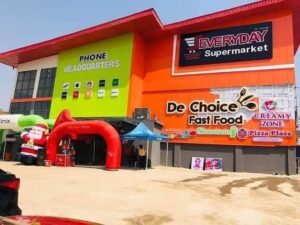
Everyday Supermarket
7. Stanel Supermarket
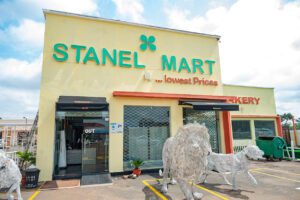
Stanel Mart is part of the diversified Stanel Group, which has a presence in retail across Nigeria. Known for offering groceries, freshly baked goods, household items, and gas stations, Stanel has positioned itself as a reliable one-stop shopping destination.
In the East, Stanel has a mega branch in Awka and has branches in Jos, Lagos and Suleja. Its stores emphasize quality products and customer satisfaction, making them popular with middle-class families looking for convenience and variety. Stanel’s ability to maintain well-stocked shelves and clean, organized layouts has helped it compete effectively against other regional and local chains.
Observations
Looking at these seven chains together, a few clear patterns stand out about the supermarket culture in Eastern Nigeria.
1. Indigenous brands are leading the charge.
While Shoprite brought the international supermarket model to Nigeria, it’s dominance has been steadily eroded by homegrown chains like Roban, Market Square, and Everyday. These local players understand the unique realities of the Nigerian economy better, from supply chain issues to consumer tastes. For instance, Roban’s bakeries and Stanley produce fresh bread daily, something that keeps customers walking in regardless of economic hardship. Market Square knows that competitive pricing on basic items will always win loyalty. Everyday positions itself as affordable and accessible. These little adjustments give local chains an edge over their international rivals.
2. Expansion is now city-focused, not national.
Instead of trying to conquer all of Nigeria at once, these chains are consolidating their positions in specific regions. Roban has made the East its stronghold. Savemore is focused on building in Owerri. Market Square is pushing across both the South-East and South-South. Everyday remains rooted in its base but is expanding gradually. This focused strategy reduces costs, improves logistics, and deepens brand loyalty in each city.
3. The supermarket as a lifestyle destination.
For many middle-class families, a trip to the supermarket is no longer just about groceries. It is about convenience, safety, and lifestyle. Chains like Market Square and Shoprite create mall-like environments where families can shop, dine, and relax. Even smaller players like Roban and Ebeano invest in clean layouts, pastry sections, and sometimes even mini food courts. This shift explains why supermarkets have become weekend family destinations in Enugu, Nnewi, Awka, Owerri, and Asaba.
4. The challenge of Nigeria’s economy.
Despite their growth, supermarkets in the East face real challenges. Inflation, high import costs, and inconsistent power supply eat into profits. Many chains rely heavily on imported goods, making them vulnerable to exchange rate fluctuations. Shoppers also feel the pinch, often switching between supermarkets and open markets depending on prices. The ability of these chains to adapt by sourcing more local goods or cutting costs without losing quality will determine who survives long-term.
5. A growing culture of competition.
The rise of multiple players means shoppers have more choices than ever before. In cities like Enugu, Roban, Market Square, SPAR, and Ebeano often compete within a few kilometers of each other. This competition benefits consumers, as supermarkets fight to offer better prices, fresher products, and improved shopping experiences. It also raises the bar for service standards, forcing each chain to innovate continuously.
Conclusion
The story of supermarkets in Eastern Nigeria mirrors the transformation of urban life in the region. Not long ago, most families relied entirely on open-air markets for their daily needs. Today, brightly lit supermarkets have become symbols of modern living, offering not just goods but also convenience, safety, and a lifestyle experience.
Roban, with its deep roots in Enugu and steady expansion across nearby cities, shows what patient, locally driven growth can achieve. Market Square demonstrates the power of aggressive expansion, bringing a mall-like experience to more cities. Stanel provides a reliable, one-stop shopping option with a focus on quality and variety, while Priceless caters to shoppers seeking a premium yet accessible experience. SaveMore emphasizes affordability and convenience, proving that regional chains can thrive by meeting local needs. Everyday Supermarket reinforces that indigenous players can succeed by staying accessible and customer-focused.
Together, these seven chains form the backbone of modern retail in the East. Their continued growth and survival will depend on how well they adapt to Nigeria’s challenging economy while keeping prices fair and shelves stocked. One thing is clear: the supermarket culture is here to stay, and Eastern Nigeria will remain a strong testing ground for retail innovation.
As shoppers continue to embrace modern retail, these chains are not only shaping consumer habits but also influencing how Eastern cities develop. Malls, plazas, and supermarkets are increasingly part of the urban identity of Enugu, Owerri, Awka, Aba, and beyond. The competition is fierce, but for consumers, it means better choices, better experiences, and a glimpse of the future of shopping in Nigeria.
Read More: Shoprite Stores Shut Down in Ibadan and Ilorin as Lagos, Abuja Shelves Go Empty