Innovation
How Nokia Lost to Android & Apple iOS: Lessons for African Businesses

There was a time when the word “Nokia” was synonymous with “mobile phone.” From Lagos to Nairobi, Johannesburg to Accra, owning the phone was a badge of pride. The 3310, with its near-indestructible build and marathon battery life, became a cultural icon across Africa. Yet, within less than a decade, Nokia went from global leader to a company struggling to stay relevant, overtaken by Apple’s iOS and Google’s Android.
Why does this story matter to African businesses today? Because Nokia’s fall was not just about technology, it was about failure to adapt to change. Many businesses in Nigeria and the wider continent are in danger of repeating this mistake. Understanding how the phone company lost its crown helps local companies see the warning signs before it is too late.
“We didn’t do anything wrong, but somehow, we lost.” – Stephen Elop, Nokia CEO (2013)
This single quote captures the tragedy of Nokia. The company didn’t collapse because of laziness or poor products, but because it failed to innovate fast enough in a market that was changing daily. For African businesses, this is a powerful reminder, success today doesn’t guarantee survival tomorrow.
Nokia at Its Peak
In the late 1990s and early 2000s, the phone company was untouchable. At its peak in 2007, the phone controlled over 50% of the global mobile phone market. In Africa, the brand was king. The Nokia 3310, released in 2000, sold over 126 million units worldwide and became legendary for its durability and long-lasting battery.
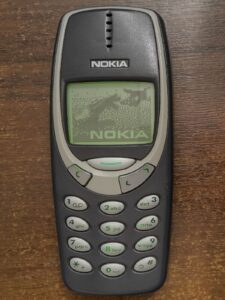
Nokia 3310
The N95, with its sliding design and multimedia features, was ahead of its time. The Nokia Communicator series gave early access to email and productivity tools, effectively serving as the smartphone of its era. Even niche products like the N-Gage gaming phone showed their willingness to experiment.
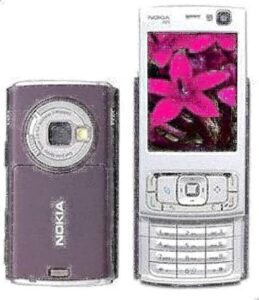
N95series
Across Nigeria and Africa, it was more than a phone brand, it was part of daily life. From traders using SMS to close deals, to families staying connected across cities and villages, the phone enabled communication for millions.
But while the phone company was at its height, the seeds of decline were already being planted.
The New Wave: Apple and Android
In 2007, Apple launched the first iPhone. Unlike Nokia’s sturdy but traditional designs, the iPhone introduced a new idea, a touchscreen smartphone with a powerful operating system and an ecosystem of apps. It wasn’t just a phone, it was a pocket computer.
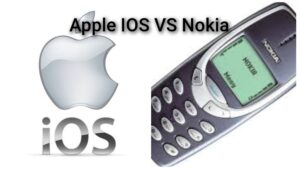
Apple iOS Vs Nokia
The following year, Google released Android, an open-source mobile operating system. Unlike Apple, which kept iOS exclusive, Android was licensed to multiple phone makers like Samsung, HTC, and later Tecno and Infinix, which are now household names in Nigeria.
Together, Apple and Android transformed what consumers expected from their phones:
- Apps over features: People wanted app stores, not just built-in games like Snake.
- Internet-first design: Browsing, email, and later social media became primary.
- Touch over buttons: The iPhone popularized the sleek, glass-front design.
Nokia, meanwhile, stuck to its tried-and-tested formula. While consumers were moving toward smarter devices, it was still promoting the durability of its “feature phones.”
Nokia’s Key Mistakes
- Reliance on Symbian and Slow Software Development
Their greatest weakness was its operating system, Symbian. Initially innovative, by the late 2000s Symbian was outdated, difficult for developers, and unable to compete with iOS’s smooth experience or Android’s flexibility.
Instead of quickly developing or adopting a modern OS, they doubled down on Symbian. The company’s leadership underestimated how fast consumer tastes were changing.
- Fragmented Product Strategy and Internal Indecision
They had too many models, often confusing customers. While Apple released one iPhone per year, Nokia released dozens of handsets with slight differences. Internally, divisions fought over strategies, slowing decision-making. - Late Move to Windows Phone and the Microsoft Deal
By the time Nokia realized Symbian was doomed, it was too late. In 2011, Nokia abandoned Symbian and adopted Microsoft’s Windows Phone. The partnership came too late, developers had already embraced iOS and Android, meaning fewer apps for their devices.
The Microsoft deal also limited Nokia’s ability to experiment with Android, which by then had exploded in popularity across Africa.
Turning Points & Proof
Nokia’s decline wasn’t sudden, it was a series of clear warning signs:
- 2007: iPhone launches, shifting global attention.
- 2008: Android debuts, attracting multiple hardware partners.
- 2010: Android overtakes Symbian as the world’s most popular smartphone OS.
- 2011: Nokia partners with Microsoft, announcing plans to abandon Symbian.
- 2012: Nokia’s market share collapses below 5%.
- 2013: Microsoft acquires Nokia’s mobile division.
For many Nigerians, this collapse felt almost personal. One day everyone had a Nokia, a few years later, Tecno, Infinix, and Samsung were everywhere, while Nokia phones became rare.
The fall of a giant was complete.
African Business Parallels – Who Are the “Next Nokias”?
The story of Nokia is not just about phones, it is about the danger of being comfortable with past glory. Many businesses in Africa, especially in Nigeria and the South East, are walking the same path today.
Some examples:
- Traditional transport companies – Many bus companies in Nigeria like Chisco, Ifesinachi, Peace Mass Transit, and others once dominated road travel. But ride-hailing apps like Bolt and Uber are reshaping mobility, while airlines and new tech-driven luxury buses are stealing their customers. If these transport giants don’t digitalize booking systems, improve customer service, and adopt real-time tracking, they may fade like Nokia.
- Traditional retail markets – Famous Nigerian markets such as Ariaria International Market (Aba), Onitsha Main Market, Alaba International Market and other local markets are still operating like it is the 1990s, mostly cash-based, informal, and resistant to e-commerce. But young innovators are bringing Jumia, Konga, Paystack-enabled online stores, and global platforms like Amazon. If these open markets do not adapt to digital selling, many will lose customers who prefer convenience.
- Banks and financial institutions – Some old-generation banks in Nigeria were slow to accept internet banking, fintech innovation, and mobile apps. New fintechs like Flutterwave, Paystack, Opay, Moniepoint, PalmPay, Kuda Bank are now forcing them to adjust. The same way the phone company ignored Android, some traditional banks may collapse if they continue to ignore the digital financial revolution.
- Educational institutions – Many Nigerian universities still rely on outdated methods of learning, ignoring e-learning platforms, digital research tools, and AI-powered education. But young people are learning coding, business, and design online, making traditional universities less relevant. Without innovation, many African schools will lose relevance, just as Nokia lost to Android.
- Media houses – Old radio and TV stations in Nigeria are losing young audiences who now prefer YouTube, podcasts, and TikTok. Just like the phone company ignored the future of smartphones, many traditional media outfits are ignoring digital streaming and may soon be irrelevant.
In the South East, where entrepreneurship is strong, many businesses pride themselves in trading power but often ignore branding, digital adoption, online presence, and modern management systems. If they continue this way, they risk being displaced by new players who understand technology and consumer trends.
NITEL as Nigeria’s Own “Nokia”
One of the clearest African examples of a Nokia-like downfall is NITEL (Nigerian Telecommunications Limited).
NITEL’s dominance – In the 1980s and 1990s, NITEL was Nigeria’s communication giant. Owning a NITEL landline meant prestige, and millions depended on it for international and local calls.
What went wrong – NITEL became a monopoly, grew arrogant, and ignored global mobile phone trends. As GSM networks (MTN, Econet, Glo, Airtel) entered Nigeria in 2001, NITEL could not compete. Poor customer service, corruption, and slow adaptation killed the once-mighty brand.
The lesson – Just like Nokia, NITEL’s fall was not because people stopped needing communication. It was because NITEL failed to innovate, adapt, and put customers first.
Today, the same mistake is repeating in industries like transport, retail, education, and healthcare across Africa. Businesses are enjoying present success but ignoring the fast-changing future.
Key Lessons for African Businesses
From Nokia’s and NITEL’s failures, African businesses especially Nigerian and South Eastern ones can learn important lessons:
1. Innovation is not optional – Customers’ needs change. If you don’t update your products, someone else will.
2. Never underestimate competition – They thought Apple was just a niche luxury brand and Android was too open to succeed. They were wrong. African businesses must not dismiss small startups because tomorrow, they may dominate.
3. Customer experience matters – Android and iOS focused on smooth design and user-friendly apps. African businesses must prioritize customer satisfaction, not just profit.
4. Digital transformation is urgent – Whether in retail, transport, banking, or education, moving online is no longer optional. Those who delay will die out.
5. Flexibility over pride – Nokia’s pride in its operating system was its downfall. African businesses must be willing to let go of outdated methods and embrace change quickly.
6. Think global, act local – Apple and Android created systems that worked worldwide but adapted to local users. African businesses must innovate in ways that match global standards while solving local problems.
Conclusion
The fall of Nokia is a reminder that success today does not guarantee success tomorrow. At one time, their phones like the 3310, 6600, and E63 were in every African household. Today, they are memories.
African businesses whether in transport, retail, banking, or education must pay attention. NITEL ignored GSM and died. Nokia ignored Android and iOS and fell. Will Nigerian businesses ignore digital transformation and be the next casualty?
The answer depends on how fast African entrepreneurs learn. Innovation, adaptability, and customer focus will decide who survives and who becomes history.
Just like the Phone Company, today’s kings of the market can become tomorrow’s forgotten brands if they refuse to change. But unlike Nokia, African businesses still have time to adapt. The question is: will they?
FAQ
Q1: Why did Nokia lose its dominance in the mobile phone market?
A: It failed to adapt quickly to the rise of smartphones, ignored the importance of software ecosystems, and underestimated the competition from Apple’s iOS and Google’s Android.
Q2: What was Nokia’s biggest mistake?
A: Its’s biggest mistake was focusing too much on hardware innovation while neglecting software and user experience, which allowed Apple and Android to take the lead.
Q3: Could Nokia have survived if it adopted Android earlier?
A: Yes, many analysts believe they would have remained competitive if it had embraced Android instead of sticking with Symbian and later Windows Phone.
Q4: Which African businesses risk the same fate as Nokia?
A: Traditional retail, local transport operators, and indigenous manufacturing firms in Nigeria (especially the South-East) that resist digital adoption and innovation risk similar decline.
Q5: What lessons can African businesses learn from Nokia’s fall?
A: Businesses must embrace change, prioritize innovation, build strong ecosystems, and adapt to new technologies to stay competitive globally.
Read about The Inspiring Success Story of Chinedu Echeruo: Igbo Tech Genius Who Sold HopStop to Apple