Biographies & Personalities
Onyema Ogbuagu: The Nigerian Doctor Behind the Historic HIV Prevention Breakthrough

Onyema Ogbuagu is a Nigerian-born infectious diseases physician and researcher whose work at Yale has contributed to historic advances in HIV prevention and global vaccine research.

When people talk about medical breakthroughs, they often mention institutions, research teams, or pharmaceutical companies. Rarely do we pause to ask who the individuals behind those breakthroughs are. Onyema Ogbuagu is one of those individuals. As a Nigerian-born infectious disease specialist and professor at Yale School of Medicine, Onyema Ogbuagu has quietly built a career at the frontlines of global health. His work has touched some of the most urgent medical challenges of our time, from HIV prevention to COVID-19 vaccine research.
At a time the world is still searching for better ways to prevent HIV infections, Onyema Ogbuagu has played a key role in clinical trials studying Lenacapavir, a long-acting injectable drug that has been described as a major advance in HIV prevention. The idea that a single injection given twice a year could significantly reduce the risk of HIV infection has captured global attention. Behind that progress stands Onyema, leading research, guiding trials, and working closely with patients and scientists to turn possibility into reality.
But his story is not only about the historic HIV prevention breakthrough. It is also about a young boy who spent part of his childhood in Nigeria, pursued medical training with discipline and focus, and rose through the demanding world of academic medicine to become a respected voice in infectious diseases. It is about commitment to patients. It is about mentoring young doctors. It is about using science to serve people.
Today, Onyema Ogbuagu is recognized not just as a Nigerian doctor at Yale, but as a global health leader whose work continues to influence how the world approaches HIV prevention, antiviral research, and vaccine development. His journey offers both inspiration and substance.
In this biography, we explore his life, education, career, and groundbreaking contributions as the Igbo physician whose research is helping to redefine the future of HIV prevention.
Who Is Onyema Ogbuagu?
Onyema Ogbuagu is a Nigerian-born infectious diseases physician, clinical researcher, and professor of medicine at Yale School of Medicine. He specializes in HIV treatment and prevention, antiviral drug development, and vaccine research. Over the years, he has become widely known for leading and participating in major clinical trials that aim to improve how the world prevents and treats infectious diseases.
At Yale, Onyema Ogbuagu directs the Antivirals and Vaccines Research Program and plays a key role in the university’s HIV clinical trials work. His research focuses on advancing new therapies, including long-acting HIV prevention options like Lenacapavir, as well as evaluating vaccines and antiviral treatments. He also served as a principal investigator in COVID-19 vaccine trials during the global pandemic.
Beyond research, Onyema is deeply involved in patient care and medical education. He treats patients living with HIV and other infectious diseases at Yale New Haven Hospital, and mentors medical students, residents, and fellows. He has also contributed to global health efforts in countries like Rwanda and Liberia by helping to strengthen medical training and research capacity.
In simple terms, Onyema Ogbuagu is a physician-scientist whose work cuts across the clinic and the laboratory. He cares for patients, trains doctors, and leads research that has the potential to change public health outcomes worldwide.
Early Life and Nigerian Background
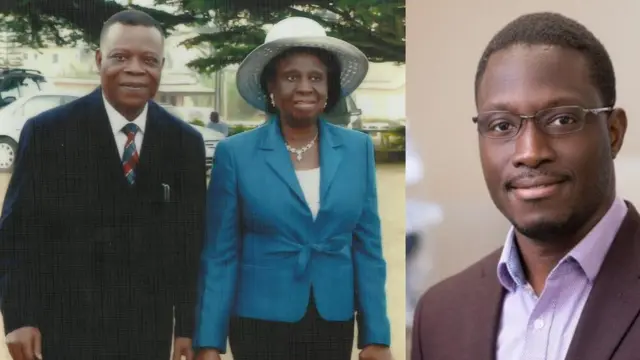
Onyema Eberechukwu Ogbuagu was born on June 20, 1978 in the United States of America to Nigerian parents who were pursuing doctoral studies at the time. Although he was born abroad, his upbringing was deeply rooted in Nigeria. His family returned home during his childhood, and much of his early life was spent growing up in Nigerian communities.
Education and scholarship were part of his family’s identity. His mother was a sociology professor, while his father later became a university administrator and served as vice chancellor of Abia State University. Living in a household shaped by academic discipline meant that curiosity, reading, and serious study were normal expectations. In his family, learning was not treated as a chore. it was part of identity.
Onyema Ogbuagu began his schooling in Calabar before moving on to Federal Government College, Okigwe, in Imo State. Those formative years in Nigeria exposed him to the realities of healthcare challenges in developing communities. Hospitals were often stretched. Resources were limited. Preventable diseases caused suffering that could have been avoided with stronger systems and better access to treatment.
These early experiences quietly influenced his direction. Medicine offered a path where knowledge could directly improve lives. More importantly, Onyema Ogbuagu showed academic promise and discipline, these two qualities would later carry him through medical school and specialized training.
Though his professional career would eventually take him back to the United States, his Nigerian foundation remained central to who he became. The values of hard work, service, and educational excellence that marked his early years continued to guide his journey into infectious disease research and global health leadership.
Education and Medical Training
Onyema Ogbuagu pursued his early medical education in Nigeria. He earned his medical degree from the University of Calabar College of Medical Sciences. During this period, he completed his internship at Ebonyi State University Teaching Hospital where he gained practical experience in patient care across multiple specialties. These formative years provided him with hands-on exposure to a wide range of medical conditions and prepared him for the rigours of postgraduate training.
After completing his initial training in Nigeria, Onyema Ogbuagu returned to the United States to advance his medical education and specialize further. He completed an internship at Mount Sinai’s Elmhurst campus in New York where he gained experience in internal medicine in a busy urban hospital setting. Following his internship, he went through residency in internal medicine, ultimately serving as chief resident, a role that allowed him to develop leadership skills while guiding junior residents and managing complex clinical cases.
His passion for infectious diseases led him to pursue a fellowship in infectious diseases at Yale School of Medicine which he completed in 2012. During his fellowship, he focused on HIV care, antiviral research, and the design and implementation of clinical trials. This period was critical in fine-tuning both his research skills and his approach to patient-centered care.
By combining rigorous medical education in Nigeria with advanced training in the United States, Onyema Ogbuagu positioned himself as a physician-scientist capable of bridging clinical practice and research. His training not only strengthened his expertise in infectious diseases but also instilled in him a commitment to global health, and prepared him to lead groundbreaking studies that impact communities worldwide.
Career at Yale School of Medicine
After completing his fellowship in infectious diseases, Onyema Ogbuagu joined the faculty at Yale School of Medicine where he has built a career that combines clinical care, research, and mentorship. At Yale, he directs the Antivirals and Vaccines Research Program which focuses on HIV treatment and prevention, antiviral drug development, and vaccine research. His work spans laboratory research, clinical trials, and patient-centered care.
In his clinical role, Onyema Ogbuagu provides care for patients living with HIV and other infectious diseases at Yale New Haven Hospital. He works closely with multidisciplinary teams to ensure that patients receive evidence-based treatment while also monitoring new therapies in clinical trials. His approach to patient care emphasizes understanding individual circumstances and providing treatment plans that are both effective and practical.
Ogbuagu has also played a pivotal role in training the next generation of physicians. He mentors medical students, residents, and fellows, both in the United States and through international collaborations. His guidance has extended to global health programmes in countries like Rwanda and Liberia where he has helped to build capacity in infectious disease care and research.
Since 2017, he has served as a principal investigator in Yale’s HIV clinical trials programme. Under his leadership, the programme has conducted studies evaluating new prevention strategies, antiviral medications, and long-acting therapies. This work has positioned him at the forefront of efforts to reduce HIV transmission globally, even as he also contributes to the development of innovative treatments for other viral infections.
Through his combination of clinical excellence, research leadership, and commitment to mentorship, Onyema Ogbuagu has become a respected figure at Yale and in the broader medical community. His work exemplifies the integration of science, care, and education to improve health outcomes both locally and internationally.
The Historic HIV Prevention Breakthrough
One of the most notable contributions of Onyema Ogbuagu is his role in advancing HIV prevention through clinical research. In recent years, he served as a principal investigator in the studies evaluating Lenacapavir, a long-acting injectable drug designed to prevent HIV infection. Unlike traditional daily oral medications for HIV prevention, Lenacapavir is administered only twice a year. This offers a significant improvement in convenience and adherence.
The Phase 3 PURPOSE 2 trial was a landmark study assessing the effectiveness of Lenacapavir among populations at high risk of HIV. Results from the trial showed that the injectable treatment could reduce the risk of HIV infection by approximately 96 percent compared to background rates. This finding has been described by medical experts as a major step forward in HIV prevention and has generated global interest among researchers, healthcare providers, and public health policymakers.
Onyema Ogbuagu’s role in this breakthrough extended beyond overseeing the trial. He contributed to designing the study protocol, ensuring rigorous data collection, monitoring patient safety, and interpreting the results. His work emphasized both scientific precision and patient-centered care, thus reflecting a holistic approach to medical research.
The Lenacapavir study has global significance. By providing a long-acting prevention option, it addresses challenges such as missed doses and inconsistent adherence that have limited the effectiveness of traditional oral pre-exposure prophylaxis (PrEP). For communities disproportionately affected by HIV, especially in sub-Saharan Africa and parts of the United States, this innovation could dramatically reduce new infections.
In addition to the scientific impact, the study led by Onyema Ogbuagu highlights the importance of diversity in clinical trials. Participants were drawn from multiple countries and backgrounds to ensure that the findings are relevant to a wide range of populations. The success of the study has positioned Lenacapavir as a promising tool for public health programmes that has the potential of reshaping HIV prevention strategies worldwide.
Through this research, Onyema Ogbuagu has cemented his reputation as a physician-scientist capable of translating complex science into practical solutions that improve lives. The Lenacapavir breakthrough is a testament to his commitment to combining research excellence with real-world impact.
Contributions to COVID-19 Vaccine Research
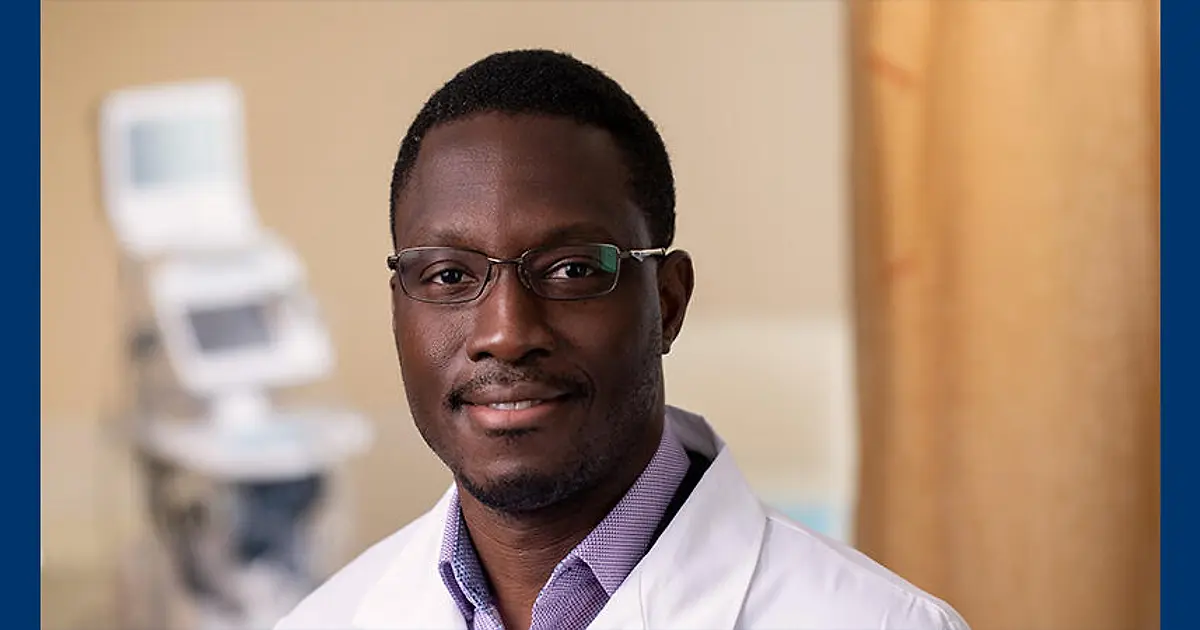
In addition to his groundbreaking work in HIV prevention, Onyema Ogbuagu played a critical role in the global efforts to combat COVID-19. During the early stages of the pandemic, he served as a principal investigator on clinical trials evaluating vaccines and antiviral treatments at Yale School of Medicine. His work focused on assessing the safety, effectiveness, and immune responses of COVID-19 vaccines, including the Pfizer-BioNTech vaccine, in diverse populations.
His research contributed to a better understanding of how vaccines perform in different age groups and communities. He worked closely with trial participants to ensure informed consent, safety monitoring, and accurate data collection. His clinical experience allowed him to bridge the gap between laboratory science and patient care with the aim of ensuring that research findings were both rigorous and applicable in real-world settings.
Beyond vaccines, he was involved in the studies that evaluated antiviral treatments for COVID-19, including Remdesivir. These trials helped to identify therapies that could reduce the severity of infection, prevent hospitalization, and improve recovery outcomes. His leadership ensured that these studies were conducted ethically, safely, and with a focus on patient well-being.
Through his contributions to COVID-19 vaccine and treatment research, Onyema Ogbuagu helped to advance the global fight against a pandemic that affected millions of people. His work exemplifies how experienced clinician-researchers can respond rapidly to emerging health crises using expertise in infectious diseases to protect communities and inform public health policy.
This body of work strengthened his profile as a global health leader, and showed that his research impact extends beyond HIV prevention to broader efforts that safeguard public health worldwide.
Awards and Recognition
Onyema Ogbuagu has received recognition for his contributions to medicine, research, and global health. In 2015, he was elected as a Fellow of the American College of Physicians. This is an honour awarded to physicians who have demonstrated excellence in clinical practice, scholarship, and leadership. This distinction highlights his dedication to high-quality patient care and medical education.
In 2024, he received the Innovator Award from the HIV Medical Association. This award acknowledged his leadership in clinical research and his pivotal role in advancing HIV prevention strategies through studies like the Lenacapavir trial. The recognition highlights his influence not only as a clinician but also as a scientist whose work informs global health policies.
In addition to formal awards, Onyema has been invited to present his research at international conferences and professional gatherings. His contributions have been recognized in academic journals and by professional societies for infectious diseases, HIV research, and global health education. These honours affirm his reputation as a trusted voice in both clinical and research communities.
Through these accolades, Onyema Ogbuagu’s work has been acknowledged for its impact on patient care, medical innovation, and mentorship. His recognition extends beyond the awards to the respect he has earned among colleagues, trainees, and patients worldwide.
Global Health and Mentorship
Onyema Ogbuagu has consistently demonstrated a commitment to global health through education, mentorship, and capacity-building programmes. Beyond his clinical and research work at Yale, he has collaborated with institutions in countries in the bid to help in strengthening medical training and supporting emerging physicians in infectious disease care.
In Rwanda, Ogbuagu worked with local hospitals and training programmes to mentor clinicians in research methods, patient care, and quality improvement initiatives. His guidance helped physicians to develop skills to conduct meaningful clinical research while improving healthcare delivery for local communities.
In Liberia, he contributed to the development of the country’s first infectious diseases fellowship programme to support the training of local doctors who could provide specialized care and lead research initiatives. This work has helped to build sustainable healthcare systems in regions where access to specialized medical expertise is limited.
Onyema Ogbuagu’s mentorship extends to his roles at Yale where he guides medical students, residents, and fellows. He emphasizes not only scientific knowledge but also the importance of empathy, ethical practice, and culturally sensitive patient care. Many of his trainees have gone on to leadership roles in research, clinical care, and public health programmes around the world.
Through these efforts, Onyema Ogbuagu proves that leadership in medicine is not only about personal achievement but also about empowering others. By training future physicians and researchers, he ensures that his impact extends far beyond individual patients to influence healthcare systems and communities globally.
Why Onyema Ogbuagu’s Work is Remarkable
Onyema Ogbuagu’s work is noteworthy because it directly addresses some of the most pressing challenges in global health. His research in HIV prevention, antiviral therapies, and vaccine development has the potential to save lives and improve health outcomes for millions of people worldwide.
The Lenacapavir clinical trials he helped to lead are particularly remarkable. By providing a long-acting, twice-yearly HIV prevention option, these studies offer hope for populations where daily oral medication adherence is difficult. This innovation could dramatically reduce new HIV infections, particularly in sub-Saharan Africa and among vulnerable communities globally.
His contributions during the COVID-19 pandemic also highlight his impact. By participating in vaccine and antiviral trials, Ogbuagu helped to ensure that scientific knowledge translated into effective public health interventions. His work has influenced how vaccines are tested, distributed, and administered.
Beyond research, Onyema Ogbuagu’s dedication to mentorship and global health training ensures that his influence continues through the next generation of healthcare professionals. The physicians he trains carry his approaches to patient care, research ethics, and clinical innovation to other parts of the world as a way of multiplying the impact of his expertise.
In essence, his work is important because it bridges science, patient care, and global health advocacy. He is not only advancing medical knowledge but also empowering communities and professionals to apply that knowledge effectively. His career is proof that impactful medicine combines discovery, compassion, and the ability to translate research into real-world solutions.
Legacy and Inspiration for Future Generations
Onyema Ogbuagu’s career serves as a powerful example for aspiring doctors, scientists, and global health advocates, particularly in Nigeria and across Africa. His journey from a child growing up partly in Nigeria to a leading infectious disease researcher at Yale School of Medicine shows how dedication, curiosity, and perseverance can lead to global impact.
For young Nigerian doctors, he is a role model who shows that it is possible to excel internationally while maintaining a strong connection to one’s roots. His achievements in HIV prevention research and COVID-19 vaccine studies demonstrate how scientific innovation can directly improve lives. By combining clinical excellence with research leadership, he provides a blueprint for balancing patient care, scientific inquiry, and mentorship.
His mentorship work amplifies his influence. The physicians and researchers he trains carry forward his principles of ethical practice, patient-centered care, and rigorous scientific methodology. In other countries, this guidance has strengthened healthcare systems and empowered local clinicians to conduct meaningful research that addresses community needs.
Beyond medicine, his story encourages young people to pursue education, embrace challenges, and strive for excellence. Onyema Ogbuagu embodies the impact of combining talent with purpose in a way that affirms that a single committed individual can influence research, patient care, and the development of future generations of healthcare professionals.
By exemplifying leadership, innovation, and compassion, Onyema Ogbuagu leaves a legacy that extends far beyond his own work. He motivates a new generation to pursue careers in science and medicine, even as he emphasizes service, integrity, and the transformative power of knowledge.
In Conclusion …
The life and work of Onyema Ogbuagu portray the remarkable impact that one dedicated physician-scientist can have on global health. From his early years in Nigeria to his leadership at Yale School of Medicine, he has consistently combined clinical excellence, research innovation, and mentorship to improve lives around the world.
His role in the Lenacapavir HIV prevention trials represents a historic step forward in combating one of the most persistent global health challenges. By helping to develop a long-acting, twice-yearly injectable, he has contributed to solutions that could reduce new HIV infections, particularly in vulnerable populations. His work in COVID-19 vaccine research further highlights his commitment to addressing urgent health crises with rigour and care.
Beyond research, Onyema Ogbuagu has left a lasting mark through mentorship and global health collaborations. Doctors trained under his guidance in Nigeria, Rwanda, Liberia, and the United States carry forward his values of patient-centered care, scientific integrity, and innovation. His example inspires young medical professionals and students.
In every aspect of his career, Onyema Ogbuagu embodies the intersection of expertise, compassion, and leadership. His is not only a profile of personal achievement but also a testament to the power of medicine and science to transform communities, influence policy, and inspire future generations. Through his research, mentorship, and advocacy, he continues to shape the future of global health, and serves as a source of pride for Nigeria and the Igbo community.
References
- https://en.wikipedia.org/wiki/Onyema_Ogbuagu
- https://medicine.yale.edu/profile/onyema-ogbuagu/
- https://www.yalemedicine.org/specialists/onyema-ogbuagu
- https://www.hivma.org/news/news_and_publications/hivma_news_releases/2024/hivma-honors-outstanding-achievements-in-hiv-clinical-education-and-research-with-2024-awards/
- https://medicine.yale.edu/news-article/a-promising-injectable-for-hiv-prevention-yales-onyema-ogbuagu-explains-the-research/
You might want to check this out …