





African Indigenous Practices
Igba Ndu: The Powerful Conflict Resolution System in Igbo Society

Igba Ndu is a powerful Igbo traditional system of conflict resolution that is aimed at ensuring unity, reconciliation, and communal living in the Igbo society. Discover its meaning, history, and relevance today.

In a typical Igbo village setting, a disagreement rarely stayed between just two people. Most times, it went outward, into the family, the kindred, and sometimes, the entire community. Not because people wanted to interfere, but because everyone understood something important. When conflict is left unresolved, it does not stay small. It spreads, affects relationships, and weakens the balance that holds the community together.
This is the scenario that gives igba ndu its meaning. It is not simply a response to conflict. It is a deliberate act of restoring connection after it has been strained. In Igbo traditional conflict resolution, the focus was never on deciding who wins and who loses. The real question was whether the relationship could continue in a healthy way. Igba ndu answered that question by creating a path back to shared understanding and coexistence.
What makes this system distinct is how it is built into everyday life. Conflict resolution was not treated as a separate event handled only when things went wrong. It was tied to how people lived, worked, and depended on one another. The same values that guided cooperation also guided reconciliation. That is why this conflict resolution system is often described as both a cultural practice and a social principle. It connects dispute resolution with the wider idea of communal living.
Having a good understanding of this system also helps to explain how Igbo society maintained order without centralized control. Decisions were not imposed from above. They emerged through discussion, negotiation, and agreement, with elders and community members playing active roles. This approach gave people a sense of responsibility, not just for their own actions, but for the well-being of others.
Today, interest in indigenous systems of justice is growing, especially in conversations about restorative justice and community peacebuilding. Within that context, igba ndu offers a grounded example of how conflict can be managed in a way that protects dignity, preserves relationships, and supports long-term stability. It is not an abstract idea. It is a practical system that has guided real communities for generations.
Historical and Cultural Origins of Igbo Traditional Conflict Resolution
To understand how conflict was resolved in Igbo society, it helps to first understand how the society itself was organized. Traditional Igbo communities did not operate under a centralized kingship system like many other African societies. Instead, they functioned through a decentralized structure where authority was shared among elders, lineage heads, titled men, age grades, and community assemblies. Decisions were not handed down by a single ruler. They were discussed, debated, and agreed upon.
This structure played a direct role in how disputes were handled. Because power was distributed, conflict resolution also became a collective responsibility. When disagreements arose, they were brought before family heads or elders, depending on the level of the issue. Smaller matters were settled within the extended family. More serious disputes moved to the kindred or village assembly where a broader group could listen, question, and guide the process toward a fair outcome.
The basis of this system was a strong belief in social balance. The Igbo worldview placed high value on harmony within the community. Conflict was seen as a disruption that needed to be addressed carefully, not ignored or suppressed. This was where the idea behind igba ndu began to take shape. The goal was not just to end disagreement but to restore the relationship in a way that allowed both parties to continue living and interacting within the same social space.
Cultural values also shaped how conflict was approached. Truthfulness, respect for elders, and accountability were expected during dispute resolution. People were encouraged to speak honestly but also with restraint. Harsh words or open confrontation were discouraged, especially in public gatherings. Instead, communication often relied on proverbs, stories, and indirect expressions that allowed sensitive issues to be addressed without escalating tension.
Another important element was the role of the community as both witness and participant. Conflict was rarely treated as a private matter. Since actions could affect the larger group, the community had a stake in ensuring that peace was restored. This collective involvement made agreements more binding, as decisions carried social approval and moral weight.
Over time, these practices formed a consistent system of conflict management that worked across different Igbo communities, even with regional variations. While the methods could differ slightly from one area to another, the underlying principles remained the same. Dialogue, consensus, and reconciliation were always central. Within this framework, igba ndu emerged as a key expression of the Igbo commitment to unity, as it provided a way to rebuild trust and maintain peaceful coexistence after conflict.
Meaning and Cultural Significance of Igba Ndu
Igba ndu is a traditional Igbo concept that goes far beyond the simple idea of resolving disputes. Literally translated, it means “binding life” or “joining lives together.” In practice, it refers to the process of restoring harmony and rebuilding trust between individuals or groups after conflict. It is both a method and a philosophy that emphasizes connection, responsibility, and social cohesion.
Basically, igba ndu implies more than ending a disagreement. It is a deliberate act of repairing relationships with the aim of ensuring that everyone involved can continue to live and interact within the community without lingering resentment or division. In many ways, it serves as a moral and social compass that guides people on how to navigate conflicts and respect communal values.
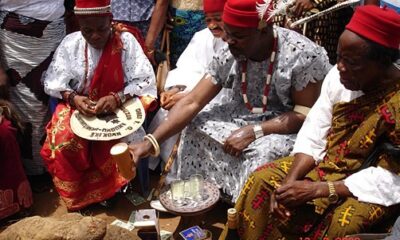
One of the defining aspects of igba ndu is its covenantal nature. When parties engage in igba ndu, they are entering into a symbolic agreement to uphold peace and mutual respect. This agreement may involve spoken promises witnessed by family members, elders, or the wider community. In some cases, it may include simple rituals such as sharing a meal, performing an oath, or exchanging symbolic items. These acts reinforce the commitment to live together harmoniously and to avoid repeating past conflicts.
The covenant aspect of igba ndu highlights its cultural significance. It is not merely an individual promise. It carries social and communal weight. Breaking this covenant can lead to social disapproval or shame, thus, it encourages parties to maintain the peace they have agreed upon.
Beyond formal agreements, igba ndu shapes daily life in Igbo communities. It is reflected in the culture of mutual aid and collective responsibility. People are expected to cooperate in farming, construction, and other community projects. Acts of support and assistance strengthen bonds and reduce the likelihood of conflict.
Studies show that this system functions as an informal social contract. Everyone is aware that their actions affect not only themselves but the community at large. By living according to the principles of igba ndu, individuals internalize values such as honesty, accountability, and respect for others. These values guide behaviour, even in situations that might otherwise lead to disputes.
The importance of igba ndu in Igbo culture cannot be overstated. For one, it preserves social harmony. Also, it encourages collective responsibility, and reinforces the interconnectedness of community members. It also strengthens social cohesion, reduces the likelihood of prolonged conflicts, and contributes to a sense of belonging and shared identity.
In essence, igba ndu is both a practical tool for conflict resolution and a cultural principle that nurtures unity, respect, and cooperation. It demonstrates how traditional Igbo society maintained balance, order, and trust long before modern legal systems were introduced.
Igba Ndu as a Traditional Conflict Resolution System

In Igbo society, igba ndu is not just a philosophy, it is a practical system used to settle disputes and restore harmony. Unlike modern legal processes that often focus on punishment, igba ndu centres on repairing relationships, maintaining community cohesion, and ensuring that all parties can continue to live and work together peacefully. It provides a structured approach to conflict resolution while remaining deeply rooted in cultural values.
The process of igba ndu usually follows clear steps designed to restore understanding and trust between the parties involved.
The first step is open conversation. Individuals involved in a conflict are encouraged to speak honestly about their grievances, frustrations, and perspectives. Mediators, usually respected elders or family heads, guide this conversation to ensure that it remains respectful and productive.
Elders and community leaders are central to the igba ndu process. Their experience, wisdom, and knowledge of cultural norms help them interpret the situation fairly. They do not impose decisions. Instead, they facilitate dialogue, clarify misunderstandings, and suggest solutions that honour community values.
Communication in igba ndu often relies on indirect but meaningful language. Proverbs, folktales, and metaphors are used to highlight moral lessons, reveal truth, and encourage reflection without escalating anger. For example, a mediator might use a proverb like “He who washes another’s face washes his own hands” to emphasize shared responsibility.
The goal is to reach a solution acceptable to all parties. Unlike formal courts where one party may “win” and the other “lose,” igba ndu focuses on agreements that restore balance. Consensus is achieved through discussion, negotiation, and compromise.
Once a resolution is agreed upon, igba ndu emphasizes visible acts of reconciliation. This may include a handshake, the sharing of a meal, or participation in a ritual that publicly acknowledges the restored relationship. These actions ensure that both parties, and the community recognize the commitment to coexist peacefully.
Role of Community and Family Structures
Conflict in Igbo society is rarely treated as a private matter. Families, extended kin, and sometimes, the larger community participate because disputes affect more than the individuals involved. Collective involvement ensures fairness, accountability, and compliance with the agreed-upon resolution.
Involving the community also gives the resolution a lasting effect. When the wider group witnesses reconciliation, social pressure encourages both parties to uphold their commitments. The process reinforces communal values such as honesty, respect, and cooperation.
Practical Examples of Igba Ndu in Action
Consider a land dispute between two neighbours. Instead of immediately involving external authorities, both families bring the issue before the village assembly. Elders listen to each side, ask clarifying questions, and remind the parties of shared obligations and the value of maintaining harmony. Through discussion and mediation, an agreement is reached on land use. Both parties may share a symbolic meal or perform a minor ritual to confirm the settlement.
Another example is a disagreement within a family. Through igba ndu, the family holds a gathering where everyone involved speaks. Elders mediate and propose solutions that ensure fairness and the continuation of family unity.
These examples show how igba ndu is both flexible and effective. It adapts to the scale and nature of the conflict as it consistently prioritizes restoration, social cohesion, and long-term peace.
Key Principles of Igbo Traditional Conflict Resolution
The strength of igba ndu lies in the values that guide every step of the process. These principles are not written laws but deeply ingrained cultural norms that ensure fairness, accountability, and harmony. They influence how disputes are approached, how people communicate, and how resolutions are maintained over time.
Justice and fairness are at the centre of the system. Decisions are made with the goal of restoring balance rather than punishing an individual. Every voice is heard, and each side has the opportunity to explain their perspective. Elders and mediators focus on what is right for the community as a whole, not just the desires of one party.
Truth and accountability are central to restoring trust. Individuals are expected to speak honestly about their actions, intentions, and feelings. Concealing information or misleading others is discouraged because it undermines the process and prolongs tension. The community relies on integrity to ensure that resolutions are genuine and sustainable.
Reconciliation takes precedence over punishment. While modern systems often emphasize fines, imprisonment, or formal penalties, igba ndu emphasizes restoring relationships. The focus is on repairing the social fabric so that both parties can continue to participate fully in communal life. Forgiveness and compromise are encouraged, and agreements are seen as binding moral commitments.
The ultimate goal of igba ndu is social harmony. Every step of the process is guided by the desire to maintain peace within the family, kindred, or village. Disputes are addressed not only to settle the immediate problem but also to prevent future conflicts. The community’s well-being takes priority over individual pride or rivalry, as it ensures long-term stability and cohesion.
Another guiding principle is the importance of collective responsibility. Conflict is treated as a shared concern because the outcome affects more than just the individuals involved. Family members, elders, and neighbours participate in mediation and monitoring the agreement. Their involvement ensures that commitments are upheld and reinforces the communal bonds that are essential to Igbo society.
Finally, cultural sensitivity and respect for tradition highlight every aspect of igba ndu. Mediators and participants draw on stories, proverbs, and customary practices to communicate lessons, encourage reflection, and promote understanding. These cultural tools create a space where disputes can be resolved with dignity and mutual respect.
Through these principles, igba ndu provides a holistic approach to conflict resolution. It balances honesty with empathy, accountability with compassion, and fairness with the need for social cohesion. This combination is what has allowed the practice to endure for generations and remain relevant, even in modern times.
The Role of Rituals and Symbolism in Igba Ndu

In Igbo traditional conflict resolution, igba ndu is not limited to conversations and agreements. Rituals and symbolic acts play a critical role in reinforcing reconciliation and ensuring that commitments are respected. These practices give visible meaning to abstract promises and remind both the parties involved and the wider community of the seriousness of restoring harmony.
Rituals often begin once the disputing parties have reached an agreement. A common practice is the sharing of a meal or drink which symbolizes the renewal of fellowship and the end of hostility. By eating together, participants signal that they are ready to move past the conflict and continue their relationship on a positive note. This act is both practical and symbolic because it creates a sense of closure and reaffirms social bonds.
Oaths and pledges are another important element. In some communities, parties may swear to uphold their promises under the observation of elders, family members, or even spiritual entities. These oaths carry moral weight because breaking them is seen as dishonouring not only oneself but also the community and its cultural values. The spiritual and social dimensions of such oaths strengthen compliance and accountability.
Symbols and rituals also serve as reminders of the community’s shared values. For instance, exchanging symbolic items such as kola nuts, palm wine, or crafted objects can mark the conclusion of a dispute. Each of these items carries meaning. Kola nuts often represent hospitality and unity, while palm wine signifies celebration, life, and cooperation. These symbolic gestures reinforce the message that the conflict has been resolved and that social ties have been restored.
In addition, the involvement of elders and witnesses during rituals gives them social legitimacy. Their presence signals that the resolution is recognized and supported by the community, thus making it more likely to endure. Rituals create a shared experience that binds the participants and witnesses together, and embeds the resolution within the cultural memory of the community.
Beyond formal disputes, the symbolism in igba ndu affects everyday interactions. Small gestures of respect, acknowledgment of shared responsibilities, and acts of assistance are all rooted in the same philosophy. By integrating symbolism into daily life, Igbo communities maintain cohesion and prevent conflicts from escalating in the first place.
Essentially, rituals and symbolism in igba ndu are not decorative or optional. They are central to the process of reconciliation. They provide tangible expressions of intangible commitments, strengthen social bonds, and ensure that agreements are both respected and remembered. By combining dialogue with culturally meaningful actions, igba ndu creates a holistic system of conflict resolution that addresses both the practical and emotional dimensions of disputes.
Igba Ndu and Mutual Aid in Igbo Communities
One of the reasons igba ndu works so effectively in Igbo society is that it is embedded in a culture of mutual aid. In traditional Igbo communities, relationships are not isolated, rather, they are interconnected through families, kindreds, and the wider village. People depend on each other for survival, work, and social support. This interdependence creates a natural incentive to maintain peace and resolve disputes quickly.
Mutual aid in Igbo communities goes beyond simple help in times of need. It includes shared labour on farms, communal construction projects, assistance during ceremonies, and support in personal challenges. When someone experiences a problem or conflict, neighbours, relatives, and age groups often step in to mediate or offer guidance. This shared responsibility strengthens social ties and reduces the likelihood of lingering resentment.
In the context of igba ndu, mutual aid acts as both prevention and reinforcement. Because people rely on one another for essential aspects of daily life, unresolved disputes could disrupt these networks. The awareness that a conflict affects not just the individuals but the community motivates everyone to engage in dialogue and mediation. People are more willing to compromise, forgive, and find solutions that restore cooperation.
Elders and family heads play a crucial role in linking igba ndu with mutual aid. They ensure that obligations are fulfilled and that agreements are respected. For example, after a dispute over land boundaries, the family may coordinate labour contributions from both sides for shared projects like repairing roads or building communal structures. This practical cooperation reinforces the resolution and reminds both parties of their interdependence.
Beyond practical support, mutual aid nurtures emotional and social cohesion. When community members actively help one another, trust grows, and relationships are strengthened. This foundation of trust makes conflict resolution more effective. People enter mediation with a sense of shared purpose rather than adversarial intent, and that aligns perfectly with the philosophy of igba ndu.
In many Igbo communities, the cycle of conflict and resolution is intertwined with these everyday acts of cooperation. By promoting reciprocity and accountability, mutual aid reduces tension and creates a culture where igba ndu can flourish naturally. It shows that conflict resolution is not an isolated event, rather, it is part of a continuous social process where harmony is actively maintained.
Hence, igba ndu and mutual aid are inseparable. The practice of helping and supporting one another strengthens community bonds, prevents conflicts from escalating, and ensures that reconciliation is meaningful and lasting. Together, they form a social system where peace is both a shared responsibility and a lived reality.
Regional Variations Across Igboland
While igba ndu is a shared cultural practice among the Igbo, its methods and expressions vary across different regions of Igboland. These variations reflect local customs, social structures, and historical influences. Yet, the underlying principle which is restoring harmony and maintaining community cohesion remains consistent.
In the southeastern parts of Igboland, like areas around Nnewi and Onitsha, igba ndu often emphasizes formal mediation by elders and titled men. Here, disputes, whether over land, marriage, or trade are typically brought before a council of respected elders. The elders guide dialogue carefully by balancing each side’s concerns while drawing on proverbs, folktales, and historical examples to encourage compromise. Rituals such as kola nut breaking or palm wine sharing are common, as they symbolize reconciliation and mutual respect.
In central Igboland, around Aba and Umuahia, community gatherings known as omenala meetings often serve as venues for conflict resolution. The process may be more public, involving larger assemblies of family heads, age grades, and neighbourhood representatives. The focus is on collective agreement, and resolutions often include practical measures for future cooperation such as shared work on farms or maintenance of communal spaces.
In northern Igboland, including areas like Nsukka and Enugu, igba ndu may incorporate additional symbolic acts rooted in local spiritual traditions. For example, oaths sworn at shrines or rituals invoking ancestral blessings are sometimes performed to reinforce commitments. These acts highlight the integration of social, moral, and spiritual dimensions in dispute resolution.
Despite these regional differences, certain features of igba ndu are universal. Dialogue and mediation remain central, elders continue to guide the process, and reconciliation rituals publicly acknowledge restored relationships. Each region adapts the practice to its local context while upholding the shared values of justice, accountability, and social harmony.
Having an understanding of these regional variations helps to highlight the flexibility and resilience of igba ndu. It shows that while the form of conflict resolution may shift according to local culture, the function remains the same, and that is repairing relationships, fostering unity, and maintaining peace within the community. This adaptability is part of why the system has endured across generations and remains relevant in both rural and urban Igbo communities today.
Igba Ndu vs Modern Legal Systems
Comparing igba ndu with modern legal systems highlights both the strengths of traditional practices and the differences in approach to conflict resolution. While contemporary legal systems focus on rules, laws, and formal enforcement, igba ndu emphasizes relationships, social harmony, and communal responsibility.
In modern legal frameworks, disputes are often treated as individual matters. Lawyers represent clients, judges interpret the law, and outcomes typically prioritize right or wrong, winner or loser. Punishments such as fines, imprisonment, or civil penalties enforce compliance. While this system provides consistency and legal protection, it can sometimes overlook the social and emotional dimensions of conflict. Relationships may remain damaged, and the community may not be actively involved in supporting reconciliation.
Igba ndu, on the other hand, is inherently restorative. The goal is not punishment but the repair of trust and the preservation of unity. Mediators, usually elders or respected community members, guide the process. Both parties participate in dialogue, and the resolution involves consensus rather than imposed judgment. Rituals, symbolic acts, and communal witnessing reinforce the agreement, and ensure that the reconciliation is recognized and respected by the wider community.
Another key difference lies in accessibility. Modern legal systems often require resources, formal knowledge, and time. Filing cases, attending court sessions, and hiring legal representation can be costly and intimidating, particularly for rural communities. Igba ndu, being community-based, is accessible to all members. It does not require formal documentation or financial resources. Instead, it relies on social structures and shared cultural norms to function effectively.
However, igba ndu is not without limitations. It relies heavily on community consensus, which can sometimes disadvantage individuals who are less influential or who lack strong social ties. Additionally, in cases involving serious crimes, traditional methods may not provide sufficient protection or deterrence compared to formal legal systems.
In practice, many Igbo communities today combine both systems. Minor disputes, family disagreements, and interpersonal conflicts are often handled through igba ndu, while serious legal matters, such as criminal offenses or large commercial disputes, go through formal courts. This dual approach allows communities to preserve traditional conflict resolution methods as well as benefit from the structure and protection offered by modern legal systems.
Ultimately, the contrast between igba ndu and modern legal systems demonstrates a fundamental difference in focus. One prioritizes restoration, relationships, and community cohesion. The other prioritizes rule enforcement, individual rights, and legal consistency. Both have value, but igba ndu offers lessons in human-centered justice that modern systems can learn from, particularly in areas like mediation, restorative justice, and community engagement.
Contemporary Relevance of Igba Ndu
Even in today’s rapidly changing world, igba ndu continues to hold relevance in Igbo communities. While modern courts and formal legal systems now exist, traditional conflict resolution still offers valuable lessons in restoring relationships, fostering social cohesion, and preventing disputes from escalating.
One of the main reasons the system remains relevant is its human-centered approach. Modern legal processes can be intimidating, formal, and focused on determining guilt or innocence, often leaving emotional wounds unresolved. Igba ndu, by contrast, prioritizes dialogue, understanding, and reconciliation. It ensures that conflicts are addressed in ways that repair relationships, rather than simply punishing an individual. This restorative approach aligns closely with modern concepts of conflict resolution and community peacebuilding.
In urban and rural Igbo communities, elders, family heads, and local leaders still use igba ndu to settle minor disputes, family disagreements, and even business conflicts. Community meetings, mediated dialogues, and reconciliation rituals remain common methods to resolve issues without involving courts. These practices save time, reduce tension, and help to maintain trust and harmony among neighbours, families, and colleagues.
Igba ndu also offers lessons for modern organizations and social groups. Its principles of consensus-building, collective responsibility, and mutual accountability can be applied in workplaces, schools, and community projects. For instance, when disagreements arise in community associations or cooperative societies, applying the system principles can lead to solutions that respect all parties while keeping group cohesion intact.
Furthermore, scholars and practitioners of restorative justice have begun to recognize the value of indigenous systems like igba ndu. They highlight how rituals, symbolism, and public acknowledgment of reconciliation can increase compliance with agreements and strengthen social bonds. In a world where conflicts are often depersonalized, the practice offers a model that emphasizes empathy, cultural identity, and shared responsibility.
Finally, igba ndu plays a role in preventing future disputes. By fostering mutual understanding and social awareness, it encourages people to consider the wider impact of their actions. Communities that maintain these practices often experience fewer long-term conflicts because members are reminded of their obligations to one another and the importance of harmonious coexistence.
In summary, in Igbo society, igba ndu is more than a relic of the past. Its principles of restorative justice, communal participation, and relational healing are timeless. In contemporary society where both legal systems and social networks coexist, it offers a culturally grounded approach to conflict resolution that remains practical, effective, and deeply human.
In Conclusion …
Igba ndu stands as a testament to the wisdom and resilience of Igbo traditional conflict resolution. With its roots in dialogue, reconciliation, and communal responsibility, it has guided generations in resolving disputes and preserved relationships, social harmony, and trust. Unlike modern legal systems that often prioritize punishment, it emphasizes restoration, understanding, and the well-being of the entire community.
From its historical origins in decentralized governance to its continued relevance in contemporary society, igba ndu demonstrates that conflict resolution is most effective when it addresses both practical and emotional needs. Rituals, symbolic acts, and mutual aid not only reinforce agreements but also create lasting bonds between individuals and the wider community. These elements show that reconciliation is not merely an event. Rather, it is an ongoing process of nurturing unity and shared responsibility.
Regional variations across Igboland highlight its flexibility of and proves that while customs may differ, the underlying principles of fairness, accountability, and social cohesion remain consistent. Even today, these traditional practices provide valuable lessons for modern peacebuilding, restorative justice, and community engagement.
Ultimately, more than a cultural practice, igba ndu is a living system of wisdom that combines justice, empathy, and human connection. Its enduring relevance reminds us that sustainable peace is built not just through rules but through relationships, dialogue, and the shared commitment of a community to live together harmoniously.
References
- https://www.universityofnigeria.edu.ng/igbo-conflict-management
- https://www.ajcsjournal.org/articles/igboland-dispute-resolution
- https://www.africanheritagereview.org/igbo-culture-leadership
- https://www.journalofafricantraditions.org/articles/igbo-rituals-harmony
You might want to check this out …