





Festivals & Events in Nigeria
Inside the Jukun Wanu Festival: Celebrating Jukun People’s Historic Tradition and Heritage

Jukun Wanu Festival is a cultural celebration that honours the traditions, music, dance, dress, and heritage of the Jukun Wanu people in Nigeria, and highlights community pride and historical roots.

The Jukun Wanu Festival is one of the cultural celebrations that highlight the rich heritage of the Jukun people in Nigeria. It is celebrated among the Jukun Wanu community, particularly in parts of present-day Benue State and surrounding areas. The festival provides a moment for families, elders, and the younger members to come together and celebrate their shared identity.
Like many traditional festivals in Nigeria, the Jukun Wanu Festival combines music, dance, traditional attire, storytelling, and communal gatherings. These activities offer a glimpse into the customs and values that have guided the Jukun Wanu people for generations. During the festival, cultural performances, craft displays, and local cuisine help to bring the history and traditions of the community into the present.
Beyond the celebrations, the Jukun Wanu Festival also serves as a cultural meeting point. It is a time the members of the community reconnect with their roots, elders pass on knowledge to the younger ones, and visitors gain insight into the traditions that define the Jukun Wanu people.
Although the documentation on the festival is still limited compared to some other Nigerian cultural events, available records of community celebrations and cultural gatherings show that the Jukun Wanu Festival remains an important expression of identity, pride, and continuity within the Jukun Wanu community.
Who Are the Jukun Wanu People
The Jukun Wanu people are a distinct subgroup of the larger Jukun ethnic group that resides primarily along the fertile banks of the Benue and Niger rivers in Nigeria. They are part of a community that has lived in the region for centuries, and have preserved a rich heritage of language, customs, and cultural practices.
Traditionally, the Jukun Wanu have maintained a close connection with the rivers and surrounding lands, and have relied on farming, fishing, and trade as essential parts of daily life. This lifestyle is reflected in their festivals, music, and crafts which celebrate both the environment and the communal bonds that hold the society together.
Language plays a central role in their identity. The Jukun Wanu speak a dialect of the Jukun language which carries stories, proverbs, and traditional knowledge from one generation to the next. Their language and oral traditions are a vital thread in the cultural fabric that the Jukun Wanu Festival seeks to highlight and preserve.
Despite modern pressures and the influences of urbanization, the Jukun Wanu people have remained deeply committed to their heritage. Community elders, cultural leaders, and families work together to keep traditions alive through storytelling, dance, music, and annual festivals that celebrate the uniqueness of their people.
The Jukun Wanu Festival is in many ways the heartbeat of the cultural expression of the Jukun Wanu people. It is an event where history, artistry, and community converge to offer outsiders and the younger people a vivid experience of what it means to be part of this resilient and proud group. Through these celebrations, the Jukun Wanu people honour their past as they inspire a sense of identity and belonging in the present.
What Is the Jukun Wanu Festival
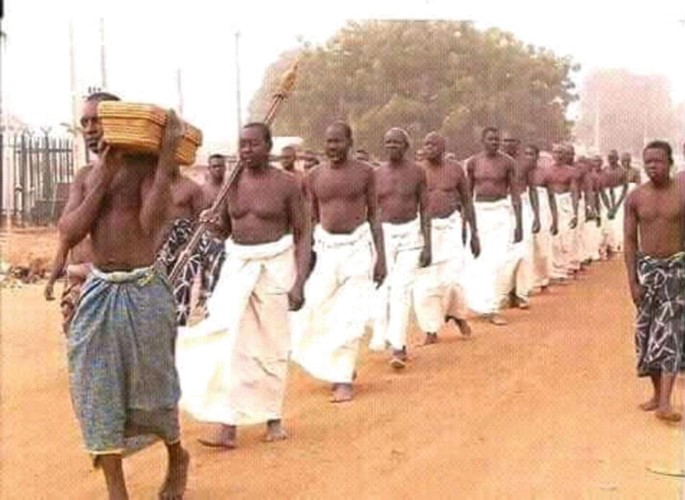
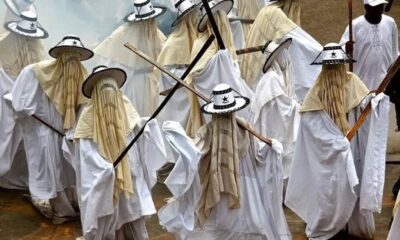
The Wanu Festival is a cultural celebration that brings together the people of the Jukun Wanu community to honour their heritage, music, and traditions. It is a living story of identity, history, and communal pride. The festival typically features an array of performances, traditional dances, music, masquerades, craft displays, and local cuisine, all of which showcase the depth and beauty of Jukun Wanu culture.
While the festival may not be formally documented in academic texts under the exact name “Jukun Wanu Festival,” media reports and recordings provide clear evidence of these cultural gatherings. Events like the Jukun Wanu Day Cultural Celebration 2023 highlight the significance of the festival, and shows how communities come together to celebrate music, storytelling, crafts, and the values that define them.
The festival serves multiple purposes. It is a platform for passing traditions to the younger ones, thereby allowing children and youths to witness dances, hear stories, and see crafts that have been part of their heritage for centuries. It is also an opportunity for those who live far from their ancestral homes to reconnect with family, friends, and community elders and reinforce bonds that time and distance cannot break.
Fundamentally, the Jukun Wanu Festival celebrates the everyday lives of the Jukun Wanu people. From the farmers and fishermen to the artisans and musicians, everyone has a role in the festival. Drums echo across the community, singers lead calls that invite participation, and dancers move with energy and joy while expressing stories of the ancestors, historical events, and community life. Visitors often leave the festival with a deeper understanding of the Jukun Wanu way of life, their values, and the pride they hold in their traditions.
Through this festival, the Jukun Wanu people keep their culture alive in a world that is rapidly changing. It is a reminder that heritage is not just remembered, it is lived, performed, and celebrated, thus creating moments of joy and learning for everyone involved.
Origins and Historical Background
The roots of the Jukun Wanu Festival run deep, and is intertwined with the history of the Jukun people in Nigeria. The Jukun have lived in the Benue River valley and surrounding regions for centuries. They were historically part of the larger Kwararafa Kingdom which comprises a federation of states known for its influence in northern Nigeria from the 16th to the 19th centuries.
The Jukun Wanu as a subgroup, developed unique traditions marked by their riverine environment. Life along the Benue and Niger rivers fostered skills in farming, fishing, and trading which influenced their daily lives and cultural expressions. Festivals, including the Jukun Wanu Festival emerged as a way to honour the community’s connection to the land, water, and ancestors.
The festival is historically linked to periods of harvest, river cycles, and communal gatherings. These were times when elders shared stories of the past, explained the meaning behind rituals, and taught the younger people the songs, dances, and crafts that form the backbone of Jukun identity. It was through such gatherings that values, wisdom, and social norms were passed down thereby ensuring that the community retained a strong sense of self.
Although the modern Jukun Wanu Festival may include contemporary elements, its heart remains historical. The dances, masquerades, and music performed today echo practices that have survived generations. Each drumbeat and each rhythmic step carries echoes of the past that reminded the community and visitors alike of the enduring spirit of the Jukun Wanu people.
By understanding the historical context of the Jukun Wanu Festival, one can appreciate why, more than entertainment, it is a living link between history and the present, a way for the community to celebrate survival, creativity, and the continuity of cultural knowledge across centuries.
The Festival Today
Today, the Jukun Wanu Festival is a lively and colourful celebration that draws the community together in ways that honour tradition as well as embrace the present. The festival is no longer just a series of rituals, it has become a full cultural experience that showcases the music, dance, crafts, and culinary delights of the Jukun Wanu people.
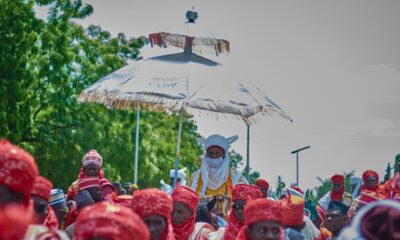
Modern celebrations often take place in central villages along the Benue and Niger rivers. Community members, young and old come together to prepare for days of festivities. Men and women wear traditional attire that is bright, intricate, and symbolic while children join in with simpler costumes that introduce them early to their cultural heritage.
Music and dance are at the heart of today’s Jukun Wanu festival. Drummers set the rhythm while the singers lead everyone in songs that recount history, celebrate achievements, and honour the ancestors. Traditional dances are performed in groups or as individual showcases, with each movement telling a story of community, bravery, and joy. Masquerades also play a central role by entertaining audiences with dramatic movements and symbolic gestures that highlight the spiritual and cultural narratives of the Jukun Wanu people.
Crafts and artistic displays remain important. During the festival, artisans set up exhibitions of woodwork, weaving, pottery, and other handmade items. Visitors can observe how traditional skills are preserved and used to express cultural identity. Food is equally significant, with local dishes prepared and shared among participants as a way of providing a sensory taste of the Jukun Wanu lifestyle.
The festival today also serves as an opportunity for members of the diaspora to reconnect with their roots. Many who live in cities or abroad return to participate, thereby strengthening family bonds and reinforcing a shared sense of belonging. For outsiders, attending the festival is a chance to experience a living culture, witness centuries-old traditions, and feel the warmth of a community proud of its heritage.
The Jukun Wanu Festival adapts with time but its core remains unchanged. It is a celebration of life, history, and community. Each year, it brings together the rhythm of the past with the energy of the present with the aim of ensuring that the Jukun Wanu identity remains visible, lively, and cherished.
Key Cultural Elements
The Jukun Wanu Festival is rich with cultural expressions that bring the community’s heritage to life. Each element of the celebration, from music to crafts carries meaning that creates a vivid experience for participants and visitors alike.
Music and Dance
Music is the heartbeat of the festival. Thee drummers provide steady, hypnotic rhythms, while the singers lead songs in the Jukun Wanu dialect. These songs tell stories of the ancestors, local heroes, and the journey of the community through time. Dance accompanies the music with performers moving in synchronized steps that express joy, pride, and unity. Masquerades often join the dances, adding a layer of drama and symbolism that connects the living with spiritual and historical traditions.
Traditional Attire
Clothing worn during the festival is vibrant and carefully crafted. Men and women adorn themselves with colourful fabrics, beads, and ornaments that signify status, lineage, or particular roles within the community. The children wear simpler versions of traditional outfits that introduce them to their cultural identity from a young age. Every piece of clothing is a visual story that links the past practices with the present celebration.
Crafts and Artistic Displays
Craftsmanship plays a central role in the Jukun Wanu festival. Local artisans display wood carvings, woven baskets, pottery, and other handmade objects. These crafts are not just decorative, they hold cultural significance as they reflect the creativity, history, and skills of the Jukun Wanu people. Visitors often get to observe artisans at work, thus gaining insight into the techniques passed down over generations.
Culinary Traditions
Food at the festival is a celebration in itself. Traditional dishes prepared from locally sourced ingredients allow participants to taste the flavours of the region. Sharing meals fosters connection among community members and introduces outsiders to the richness of Jukun Wanu cuisine.
Storytelling and Oral Traditions
Storytelling is woven into every performance and gathering. The elders narrate folktales, historical accounts, and moral lessons as a way of ensuring that the younger ones learn about their heritage in a meaningful way. These oral traditions complement music, dance, and crafts which provides a holistic experience of Jukun Wanu culture.
Each of these cultural elements comes together to make the Jukun Wanu Festival a multidimensional celebration. It is an immersive experience that allows the community to celebrate identity, history, and creativity, and invites others to witness and appreciate the living heritage of the Jukun Wanu people.
Community and Social Significance
The Jukun Wanu Festival entails more than music, dance, and colourful attire. It is a vital expression of community life and shared identity. For the Jukun Wanu people, the festival provides an opportunity to gather, celebrate, and strengthen bonds across generations.
During the Jukun Wanu festival, family members who live far from their ancestral homes return to participate. Elders share wisdom, recount stories of the past, and guide the children in understanding their cultural values. Children and youths witness the traditions firsthand, learning through observation, participation, and oral storytelling. This creates continuity, and ensures that the essence of the Jukun Wanu identity is not lost to time or modernization.
The Jukun Wanu festival also promotes social cohesion. It encourages collaboration among community members, whether preparing traditional performances, crafting costumes, or organizing food and hospitality for visitors. These shared responsibilities foster a sense of belonging and collective pride.
Beyond the immediate community, the festival has an outward impact. Visitors from neighbouring communities and regions gain insight into Jukun Wanu life and culture. It becomes a bridge for cultural exchange, education, and appreciation that highlight the richness of Nigeria’s diverse heritage.
Economically, the Jukun Wanu festival provides opportunities for artisans, performers, and food vendors. Traditional crafts and performances attract attention and sometimes, generate income for local families.
In essence, the Jukun Wanu Festival serves as a living classroom that teaches values, strengthens family and community ties, and offers a moment of reflection on the enduring importance of heritage. It is a reminder that culture is not only remembered, it is lived, shared, and celebrated with warmth and joy.
Challenges and Preservation Efforts
Like many traditional celebrations around the world, the Jukun Wanu Festival faces modern challenges that threaten the continuity of cultural practices. Urban migration, modernization, and limited media coverage have made it harder for the younger generations to experience the festival fully. Many children grow up far from their ancestral homes, and exposure to globalized entertainment can overshadow local traditions.
Another challenge lies in documentation. While there are videos and media reports of events like the Jukun Wanu Day Cultural Celebration 2023, there is still limited formal research or academic writing specifically on the festival. This makes it difficult for outsiders and future generations to access detailed, reliable information about the practices, history, and meaning behind the festival.
Despite these pressures, the Jukun Wanu community has taken steps to preserve their heritage. Elders and cultural leaders play a key role in teaching traditions to youth through storytelling, music, dance, and crafts. Families continue to involve children in festival preparations as a way of ensuring hands-on participation that reinforces cultural knowledge.
Media coverage and online recordings have also helped. Videos, news reports, and social media posts allow the festival to reach wider audiences thereby raising awareness and promoting appreciation for Jukun Wanu culture. Community organizations and local leaders increasingly advocate for government support and resources to maintain cultural festivals as living heritage.
Preservation efforts also include cultural education programmes that encourage schools and local groups to introduce children to traditional dances, music, and crafts. These programmes ensure that even in a rapidly changing world, the essence of the Jukun Wanu Festival remains accessible, celebrated, and respected.
In overcoming these challenges, the Jukun Wanu festival keeps thriving as a symbol of resilience. Each performance, each drumbeat, and each act of storytelling is a deliberate effort to keep Jukun Wanu traditions alive.
How to Experience the Jukun Wanu Festival
Experiencing the Jukun Wanu Festival is a unique opportunity to witness a vibrant culture in action. While the festival primarily takes place in the riverine communities of the Benue and Niger valleys, there are ways for visitors and cultural enthusiasts to fully appreciate its richness.
The best time to attend is during the festival period which typically coincides with community gatherings, harvest cycles, or scheduled cultural celebrations. Local announcements through community leaders or social media often provide information on exact dates and locations.
Once at the festival, visitors can immerse themselves in every aspect of Jukun Wanu life. They can watch dancers perform to the rhythmic beats of drums, enjoy masquerade performances, and learn about the stories behind each traditional dance. Traditional crafts, like wood carvings, woven baskets, and pottery are often on display to offer insight into the skills passed down through generations.
Food is another essential element. Sampling local dishes allows participants to taste the flavours of the region while sharing in the communal joy of the festival. Every meal and snack tells a story about the community’s agricultural practices, local ingredients, and culinary creativity.
For those unable to attend in person, online recordings, media coverage, and cultural documentaries provide valuable glimpses into the festival. Videos of events allow viewers around the world to witness the dances, music, and communal spirit from anywhere.
Participating in or observing the Jukun Wanu festival is a chance to learn, connect, and engage with a culture that has thrived for generations. Visitors leave with a deeper understanding of the Jukun Wanu people, their values, and the lively traditions that continue to shape their community.
In Conclusion …
The Jukun Wanu Festival is a living testament to the heritage, creativity, and resilience of the Jukun Wanu people. Through music, dance, masquerades, crafts, and communal gatherings, the festival preserves centuries-old traditions and connects generations in meaningful ways.
Every drumbeat, every step in a dance, and every story told during the festival reflects a community that is proud of its identity and committed to passing it on. The festival strengthens family and community bonds, educates the younger ones, and opens a window for outsiders to experience the richness of Jukun Wanu culture.
While challenges such as urbanization and limited documentation exist, the efforts of the elders, cultural leaders, families, and media coverage ensure that the Jukun Wanu Festival continues to flourish. It stands as a vibrant reminder that culture is not static. It is lived, celebrated, and shared.
Attending the festival, observing its rituals, or even watching documented celebrations online offers a chance to experience the heartbeat of the Jukun Wanu community. It is an invitation to witness the joy, history, and unity that have defined this people for generations.
The Jukun Wanu Festival is a celebration of life, identity, and cultural heritage. It is a tradition that continues to inspire pride, connection, and appreciation for one of Nigeria’s most remarkable communities.
References
- https://es.wikipedia.org/wiki/Jukun
- https://es.wikipedia.org/wiki/Pueblo_abinsi
- https://dailytrust.com/jukun-cultural-festival-will-promote-unity-peace-in-taraba-speaker/
- https://dailytrust.com/ukenho-the-sights-and-sounds-of-a-jukun-carnival/
- https://www.youtube.com/watch?v=fMTy_oxNI50
You might want to check this out …