





Igbo History & Heritage
Ishielu, Ebonyi State: History, Communities, Economy, Culture and Development

Ishielu is a Local Government Area in Ebonyi State known for its people, communities, farming, markets, culture, and modern development. Explore the history, people, economy, culture, and ongoing changes in Ishielu.

Ishielu sits quietly in southern Ebonyi State but its story is anything but small. This is a place built on farmland and family ties, on markets that wake early and traditions that have survived generations. To understand Ishielu is to understand how history, community, and everyday life come together in one of the most rooted local government areas in Ebonyi State.
Located in the southeastern heart of Nigeria, Ishielu is home to towns and villages whose lives are closely linked to the land. Farming, trading, worship, and communal living define the rhythm of daily life here. From Ezillo, the administrative headquarters, to communities like Nkalaha, Ntezi, Okpoto, and Nkalagu, Ishielu carries a shared identity shaped by work, culture, and resilience.
Yet, Ishielu is not frozen in the past. Alongside its long-standing customs and social structures, the area continues to experience change. Roads are being opened, markets are expanding, and local leadership is navigating the demands of development in a modern Nigeria. These shifts bring both opportunity and challenge, especially for rural communities that are balancing tradition with new realities.
This article takes a detailed look at Ishielu as it truly is. It explores the history of the local government area, its people and communities, its economy and means of livelihood, its cultural life, and its place in today’s Ebonyi State. Every section is grounded in verifiable sources and written to give a clear, honest picture of the area beyond surface descriptions.
For readers seeking to understand the locality in depth not just as a name on a map but as a living community, this is a guide to its past, its present, and the everyday lives that give it meaning.
Geographic Location and Setting of Ishielu

Ishielu is located in the southern part of Ebonyi State in southeastern Nigeria. It is one of the thirteen local government areas that make up the State and occupies a wide stretch of land that is largely rural. The area shares boundaries with neighbouring local government areas within Ebonyi State.
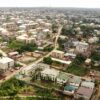
Covering an estimated land area of about 872 square kilometers, Ishielu is made up of open farmland, gentle plains, and clusters of towns and villages spread across the landscape. This physical setting has played a major role in how people live and work. Most communities are surrounded by arable land which explains the long tradition of farming that defines the local economy.
The climate in Ishielu follows the familiar pattern of southeastern Nigeria, with a rainy season and a dry season. Rainfall supports the cultivation of crops such as rice, yam, and cassava while the dry months allow for harvesting, trading, and road travel between communities. Average temperatures remain fairly warm throughout the year, usually around 27 degrees Celsius which makes outdoor work a constant part of daily life.
The geography of Ishielu also shapes movement and interaction. Rural roads connect villages to market towns like Ezillo and Nkalagu, where people gather to trade, socialize, and access basic services. During market days, these routes become busy paths of exchange that link farms to buyers and communities to one another.
In many ways, the setting of Ishielu explains its identity. The land supports livelihoods, influences settlement patterns, and anchors social life. Understanding the location of the area and how its environment functions offers a clear foundation for understanding the people who call it home.
A Brief Historical Look
The history of Ishielu is closely tied to the broader history of the people who settled in what is now Ebonyi State. Long before modern boundaries and local government structures, the area that became Ishielu was home to farming communities whose lives revolved around land, kinship, and shared customs. These early settlers established villages that grew over time through family expansion and migration from nearby areas.
For generations, communities in Ishielu, like most Igbo communities governed themselves through traditional systems. Elders, age grades, and community leaders played central roles in maintaining order, settling disputes, and organizing communal activities. Social life was guided by long-standing customs passed down through oral tradition to ensure continuity from one generation to the next.
Colonial administration later introduced new forms of governance that altered how communities were organized. Roads, taxation systems, and administrative divisions began to take shape. These changes brought new opportunities but also required communities to adapt to unfamiliar structures of authority.
Ishielu later became part of Ebonyi State following the creation of the State in 1996. With this change came increased attention to local administration, infrastructure, and development planning. The establishment of Ishielu as a recognized Local Government Area provided a framework for political representation and access to State resources.
Today, the history of Ishielu remains visible in its settlement patterns, leadership structures, and cultural practices. The past continues to influence how communities relate to one another and how they approach change. Understanding this history helps to explain the values, resilience, and sense of identity that define the area in the present day.
Communities and Towns in Ishielu
Ishielu is made up of a network of towns and communities that together form the social and cultural backbone of the local government area. Each community has its own identity, history, and internal structure, even though they are closely connected through kinship, trade, shared institutions, and long-standing relationships.
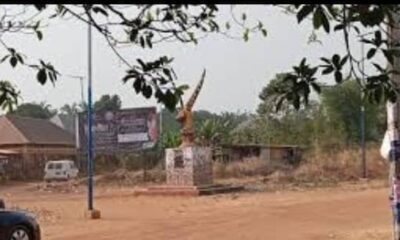
Ezillo serves as the administrative headquarters of Ishielu. It is where key local government offices are located and where administrative activities are coordinated. Beyond its official role, Ezillo also functions as a social and commercial meeting point, especially on market days when people from surrounding communities gather to trade and interact.
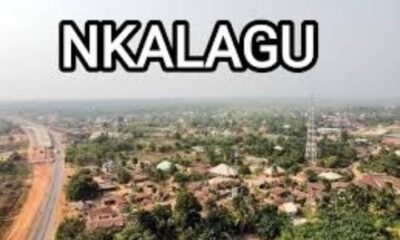
Nkalagu is one of the most widely known towns in Ishielu, due to its limestone deposits and its association with the Nigerian Cement Company. For decades, Nkalagu has played an important role in the economic life of the area by attracting workers, traders, and visitors from outside. The town stands as a reminder of the industrial history of the area within a largely agrarian region.
Other communities such as Nkalaha, Ntezi, Okpoto, Ohofia-Agba, Agba, Obeagu, Amaezu, Umuhali, Iyonu, and Ezza-agu are predominantly rural. Life in these towns revolves around farming, local markets, family compounds, and community gatherings. Farmlands often surround residential areas and allows daily movement between home, farm, and market.
Social ties between the communities of Ishielu are strong. Intermarriage, shared festivals, and economic cooperation help to maintain unity across the local government area. Markets serve as important meeting points where people from different towns exchange goods, news, and ideas.
Population distribution across Ishielu reflects its rural character. Most residents live in small towns and villages rather than dense urban centres. This pattern has helped to preserve communal living and traditional social structures, even as modern influences continue to reach the area.
Together, the towns and communities of Ishielu tell a story of interconnected lives. Their shared history and everyday interactions form the foundation of its identity and explain how the local government area functions as a single, living community rather than a collection of isolated settlements.
The People of Ishielu
The people of Ishielu are predominantly of Igbo descent, and belong to subgroups that have lived in the area for generations. Their identity is deeply connected to family, community, and the land they cultivate. In the locality, social life is rooted in shared customs, mutual support, and a strong sense of belonging.
Language plays a central role in daily life. Most residents speak Igbo, often using local dialects that vary slightly from one community to another. The Ezza dialect is common in many parts of Ishielu, especially in communities like Nkalagu and Nkalaha. While Igbo is the primary language for conversation at home and in the villages, English is widely used in schools, official communication, and formal gatherings. This bilingual ability allows residents to navigate both traditional life and modern opportunities.
Religion and belief also shape the identity of Ishielu. Christianity is the dominant faith, with churches forming central points for worship, education, and community activities. Religious gatherings often overlap with social life as they bring families and neighbours together for both spiritual and cultural expression.
Beyond language and religion, the residents of Ishielu are known for their hospitality, resilience, and community-mindedness. Daily interactions, market exchanges, and family events reflect a culture where cooperation and respect are highly valued. Naming ceremonies, weddings, and festivals pass down stories and values to create a living record of the community’s heritage.
In Ishielu, identity is not only personal but collective. The shared history of farming, trading, and communal living has shaped a people who are proud of their roots, even as they are engaging with the wider world. Understanding the language, customs, and beliefs of the people provides a window into the heart of this local government area and the everyday lives of its residents.
Culture and Everyday Traditions

Culture in Ishielu is woven into daily life which in turn influences the way people work, celebrate, and interact. Farming, trade, and family responsibilities dictate the rhythm of the day but festivals, ceremonies, and rituals mark important moments in the community calendar and preserve a strong sense of identity.
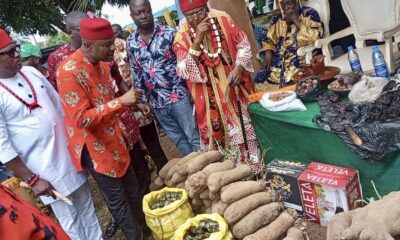
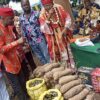
One of the most widely celebrated events is the New Yam Festival, a tradition observed across Igbo communities, including towns like Nkalagu, Ezillo, and Ntezi. This festival marks the end of the rainy season and the harvest of yam. Families gather to share food, dance, and sing songs that have been passed down for generations. Beyond celebrating the harvest, the festival strengthens communal ties in a way that reminds the residents of their connection to the land and to one another.
In Ntezi, the Oviode Festival stands out as a unique cultural event. Held annually around the first moon of February, it is deeply tied to the traditions of the Orring-speaking community. Villages showcase masquerades, perform traditional dances, and display crafts in markets like the Ode market. Oviode festival and Orring Day celebration highlight the distinct identity of Ntezi within Ishielu and preserve local customs alongside broader Igbo influences.
Traditional weddings, naming ceremonies, and community rites also form a critical part of the cultural life. Elders bless new families and children to reinforce family values and social cohesion. Music, dance, and storytelling accompany these events, using local instruments like drums and flutes to preserve history and entertain participants. Oral storytelling continues to pass down legends, moral lessons, and the histories of communities.
Religious and social gatherings further enrich everyday life. Churches serve as centres for worship, education, and social engagement which often overlap with traditional customs to create celebrations that are both spiritual and communal. Respect for elders, cooperative farming activities, and market interactions all reflect the cultural norms that define everyday life.
In Ishielu, culture is not only observed in festivals or ceremonies but is lived daily. From the New Yam Festival to the Oviode Festival, and from music and dance to family-centered rituals, these traditions create a sense of continuity, community, and identity that binds the people together as they celebrate the richness of life in this local government area.
Local Leadership and Governance

Ishielu LGA Chairman – Hon Ifeoma Peace Agwu
Leadership in Ishielu combines modern administrative structures with traditional authority to create a system that guides daily life and respects long-standing customs. The Local Government Area is officially administered by elected officials, including the Local Government Chairman and council members who oversee development projects, local policies, and community services.
Currently, Mrs. Peace Ifeoma Agwu serves as the Local Government Chairman of Ishielu. Under her leadership, the council has implemented programmes aimed at improving infrastructure, healthcare, and economic opportunities for residents. Projects such as road construction, borehole installations, and youth and women empowerment initiatives reflect the local government’s commitment to community development.
Alongside formal government structures, traditional rulers and community elders continue to play significant roles. Village chiefs and council elders help to mediate disputes, maintain peace, and advise on matters of culture and tradition. Age grades and community groups organize communal work, festivals, and ceremonies which ensure that customs are observed alongside modern governance.
This dual system of leadership allows Ishielu to balance the needs of development with respect for its cultural heritage. Residents benefit from government programmes as they remain connected to their communities through traditional institutions. In practice, decisions often involve consultations between elected leaders and elders, thus creating a governance model that is both inclusive and grounded in local realities.
The combination of official administration and traditional guidance gives Ishielu a unique governance character. It is a place where development initiatives are pursued within a framework that honours history, social norms, and community values, thereby helping the residents to navigate change while maintaining continuity in their daily lives.
Economy and Livelihood
The economy of Ishielu is deeply connected to the land. Farming is the main source of livelihood for most residents, and the rhythm of life often follows the seasons. Families grow staples such as yam, cassava, and rice which feed households and provide goods for local markets. These crops form the backbone of both survival and trade, and reflect generations of agricultural knowledge passed down through families.
Livestock rearing also contributes to everyday life. Goats, poultry, and cattle are kept for consumption, sale, and ceremonial purposes. For many households, livestock provides both income and security as they help families cope with unexpected expenses.
Markets are central to the economy of Ishielu. Communities gather regularly at markets such as Ezillo Market and Nkwo Nkalagu Market where farmers, traders, and artisans sell produce, household goods, and crafts. Market days are more than just business. They are moments of social exchange, news sharing, and cultural interaction.
Ishielu is also home to Nkalagu, an area known for its limestone deposits. The presence of the Nigerian Cement Company has introduced industrial activity into a largely agrarian landscape. This industrial base provides employment opportunities and supports small businesses that serve the workers and their families.
Beyond farming and industry, small-scale trade, crafts, and services support many households. Tailoring, carpentry, local transportation, and food vending are common occupations that allow the residents to diversify their sources of income. The economy of Ishielu is, therefore, a mix of traditional and modern activities which blend farming, markets, industry, and services into a dynamic local system.
The livelihoods in Ishielu are shaped by both opportunity and resilience. Residents combine agricultural skill, trade knowledge, and entrepreneurial spirit to meet the needs of families and communities. This balance between tradition and adaptation has kept the area economically vibrant, even as it continues to navigate development and modernization.
Religion and Faith
Religion plays an important role in shaping life and community in Ishielu. Christianity is the dominant faith, with a wide variety of churches serving as places of worship, education, and social gathering. Churches provide residents with opportunities for spiritual reflection, community service, and fellowship, often hosting events that bring families and neighbours together.
Traditional belief systems, though less common today have historically influenced social practices and values in Ishielu. Practices related to ancestors, local spirits, and seasonal rituals helped to guide farming cycles, festivals, and community decisions. While many residents now practice Christianity, elements of these older beliefs continue to influence cultural expressions and communal life.
Religious gatherings in Ishielu go beyond spiritual life. They often serve as moments for education, charity, and social interaction. Weddings, naming ceremonies, and other community events frequently take place within or alongside church activities to highlight the connection between faith and everyday living.
For the residents of Ishielu, faith is both personal and communal. It offers guidance, strengthens social bonds, and provides a framework for understanding the world. The coexistence of Christianity with lingering traditional practices demonstrates the ability of the community to preserve its heritage while adapting to modern beliefs.
Modern Development and Government Initiatives
In recent years, Ishielu has seen steady development driven by both local government efforts and state-level programmes. Modern initiatives focus on improving infrastructure, supporting agriculture, enhancing social services, and empowering residents to take advantage of new opportunities.
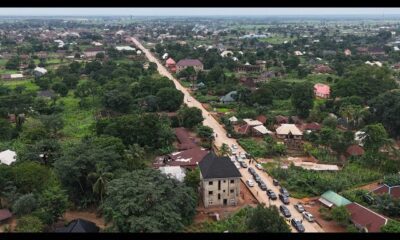
Local government projects have included road construction and maintenance to connect communities like Ezillo, Nkalagu, and Ntezi. These roads not only make travel and trade easier but also strengthen ties between towns, thus making it simpler for farmers to bring crops to markets and for residents to access schools and healthcare facilities.
Water and sanitation projects have improved access to clean water in several rural areas through borehole installations. Communities that previously relied solely on streams and wells now have safer options for daily use. Electricity and small-scale energy projects are gradually expanding, and are providing households and small businesses with better access to power for lighting, refrigeration, and productivity.
Agricultural development is a major focus in Ishielu. State programmes encourage modern farming techniques, crop diversification, and access to farm inputs. These initiatives help farmers to increase yield and income while also supporting food security within the local government area.
Youth and women empowerment programmes are also being implemented to create opportunities for skills acquisition, small business development, and community engagement. Through training workshops, microcredit schemes, and cooperative groups, the residents are better equipped to contribute to the local economy and improve their livelihoods.
Modern development in Ishielu blends infrastructure, social services, and economic initiatives, in reflection of the local government’s commitment to progress while respecting the traditions and daily life of its communities. These programmes are gradually transforming area and making it easier for residents to pursue education, trade, and agriculture without losing the cultural roots that define the area.
Everyday Challenges and Community Voices
Life in Ishielu is full of warmth and community but not without challenges. The residents often face difficulties related to infrastructure, access to services, and economic opportunities which shape the daily experiences of families and communities.
One recurring challenge is access to roads and transportation. Many villages are connected by unpaved or poorly maintained roads which can become difficult to navigate during the rainy season. These conditions make it harder for farmers to bring their produce to markets, for students to reach schools, and for the residents to access healthcare facilities.
Healthcare access remains limited in some areas. While local clinics provide basic medical services, the residents in more remote communities often travel long distances to reach hospitals in Ezillo, Nkalagu, or the State capital, Abakaliki for specialized care. This challenge highlights the ongoing need for more health infrastructure within the local government area.
Economic challenges also affect daily life. Many families rely on farming which is subject to seasonal fluctuations, changing weather patterns, and market prices. While markets are lively and central to social life, income can be unpredictable, thereby leading families to seek alternative livelihoods or support from relatives.
Community voices in Ishielu reflect resilience and collaboration. Residents often come together to address local issues, whether through communal farming, repairing roads, or organizing local development initiatives. Traditional leaders and youth groups play active roles in identifying community needs and advocating for government attention.
Despite these challenges, the people of Ishielu demonstrate determination and resourcefulness. Families adapt to changing circumstances, communities cooperate to overcome obstacles, and local leaders continue to pursue programmes that improve living conditions. These everyday struggles and responses are part of the ongoing story of Ishielu which reveals a community committed to growth, connection, and progress.
Ishielu in Contemporary Ebonyi State
Today, Ishielu is a community that bridges tradition and modernity, and plays an important role in the wider context of Ebonyi State. While its towns and villages remain deeply rooted in agriculture and local culture, the area is increasingly connected to the broader economic and social life of the state.
Ishielu contributes significantly to the reputation of Ebonyi State as a leading agricultural region. The fertile lands across towns like Nkalagu, Ezillo, and Ntezi support the cultivation of crops such as rice, yam, and cassava, thereby supplying both local consumption and markets in neighbouring towns. Agriculture continues to define the daily rhythm of life while also forming the foundation for economic development initiatives promoted by the State government.
Urbanization and modernization have also made their mark on Ishielu. Towns like Ezillo serve as administrative and commercial hubs that offer access to schools, clinics, and markets. Small businesses, trade, and emerging industrial activity, particularly around Nkalagu’s limestone and cement production are creating new opportunities for residents. These developments bring a sense of progress while still respecting the pace of life in rural communities.
The youth of Ishielu are increasingly exposed to technology, education, and modern career paths, though they continue to participate in communal farming, festivals, and local traditions. This blend of the old and the new illustrates the resilience of the community and its capacity to adapt without losing its cultural identity.
Community associations, local leaders, and government programmes continue to define the contemporary identity of Ishielu. Road improvements, borehole projects, and social empowerment initiatives reflect a commitment to improving living standards. At the same time, residents maintain strong connections to family, tradition, and cultural celebrations that define everyday life.
In essence, the contemporary Ishielu is a place of balance. It is a community that honours its history while embracing opportunities for growth, education, and economic advancement. Its evolving role within Ebonyi State demonstrates the capacity of rural areas to combine heritage, resilience, and progress in ways that are meaningful and sustainable.
Landmarks and Places of Interest
Ishielu is home to several landmarks and places that reflect its culture, history, and economic significance. These sites are not only points of interest but also windows into the daily life and heritage of the communities that call itu home.
One of the most notable landmarks is the Nigerian Cement Company in Nkalagu. Established decades ago, this industrial facility has transformed the town into an important economic hub. It attracts workers and business activities from within Ishielu and neighboring local government areas, thereby providing employment and supporting small businesses in the community.
Ezillo, the administrative headquarters is also a key landmark. Beyond government offices, it hosts markets, schools, and social gathering spaces that serve residents from surrounding towns and villages. The town is central to civic life in Ishielu and often becomes the meeting point for cultural and communal events.
Traditional markets like Nkwo Nkalagu Market and Ezillo Market are more than commercial centres. They are hubs of social interaction where people meet, exchange goods, and maintain relationships across communities. Market days are lively occasions marked by the colours of fresh produce, local crafts, and the hum of conversation.
For visitors interested in cultural heritage, seasonal festivals and community celebrations in various towns offer insight into Ishielu traditions. Events such as the New Yam Festival are deeply rooted in agricultural cycles, and provides a vivid display of music, dance, and communal life. These cultural practices act as living landmarks that preserve the history and identity of the people.
Natural features such as rivers, streams, and fertile farmland also serve as informal landmarks that influence daily activities like fishing, farming, and communal gatherings. These elements of the landscape are central to the lifestyle and economy of Ishielu, and are part of what give the area its distinct character.
In Ishielu, landmarks are not just physical sites, they are part of a living community. From industrial plants to traditional markets, administrative centres, cultural festivals, and natural features, these places reveal the rhythm of life, the history, and the ongoing story of a local government area that is both rooted and evolving.
In Conclusion …
Ishielu represents more than a name on the map of Ebonyi State. It is a community shaped by history, enriched by culture, and sustained by the resilience of its people. From its fertile farmlands and vibrant markets to its festivals and traditional ceremonies, it tells a story of connection, identity, and everyday life rooted in both tradition and progress.
The towns and villages of Ishielu, namely, Ezillo, Nkalagu, Ntezi, and others illustrate the balance between rural life and modern development. Agriculture, trade, and small-scale industry provide livelihoods while education, healthcare, and infrastructure projects continue to improve the quality of life. Community voices, festivals like the New Yam and Oviode Festival, and the guidance of both traditional and local government leaders highlight the dynamic character of the area.
Today, Ishielu stands as a community that honours its heritage as it embraces opportunities for growth and change. Its people continue to celebrate life through cultural festivals, maintain bonds through family and social networks, and navigate development with resilience and hope. Understanding Ishielu is to understand a living, evolving community that contributes to the social, economic, and cultural fabric of Ebonyi State.
References
- https://ebonyistate.gov.ng/page/ebonyi-state-profile
- https://en.wikipedia.org/wiki/Ishielu
- https://www.manpower.com.ng/places/lga/256/ishielu
- https://www.nationalpanelnews.com/2025/08/egbe-hails-agwus-landmark-first-year-as.html
- https://dailytimesng.com/ebonyi-govt-directs-establishment-of-farms-in-13-lgas-64-devt-centres/
- https://newtelegraphng.com/obeagu-ishielu-community-laments-neglect-herders-attack/
- https://soluap.com/oviode-ofi-oye-festival-in-ntezi-community-ishielu-lga-ebonyi-state/
- https://allevents.in/enugu/orring-day/200029129037213
You might want to check this out …