





African Culture & Heritage
Oke Aku Festival: The Cultural Heritage of the Ezza People of Ebonyi State

Oke Aku festival celebrates the cultural heritage of the Ezza people of Ebonyi State with rich traditions, thanksgiving, community bonding, and the symbolic ushering in of a new year through the harvest of new yams.

Oke Aku festival is one of the most cherished cultural celebrations among the Ezza people of Ebonyi State in southeastern Nigeria. For Ezza people, it is a moment when history, gratitude, faith, and community meet in one shared experience.
Long before modern calendars and public holidays, Oke Aku marked the turning of the year. It signalled the end of one farming season and the hopeful beginning of another. It was the time when new yams could be harvested, eaten, and shared, and when families paused to say thank you for life, food, and peace.
Celebrated mainly in Onueke and other Ezza communities, Oke Aku festival is at the heart of Ezza identity. It is rooted in agriculture but sustained by values. Respect for the ancestors. Unity among families. Reconciliation after conflict. Every ritual, visit, and shared meal carries meaning passed down through generations. Even today, when many Ezza sons and daughters live far from home, Oke Aku still pulls them back, physically or in spirit to reconnect with who they are and where they come from.
In a world that is changing so rapidly, Oke Aku festival remains a living tradition that adapts but does not lose its soul.
This article explores the history, meaning, rituals, and modern relevance of Oke Aku as it tells the story of a people who continue to honour their past as they welcome the future with gratitude and unity.
Who Are the Ezza People of Ebonyi State?
The Ezza people are a proud and vibrant ethnic group in southeastern Nigeria known for their deep cultural heritage and warm community bonds. They are part of the larger Igbo family but within that broad identity, they carry a distinct history and social structure that has been preserved over generations.
At the centre of Ezza identity is Onueke, the ancestral headquarters located in Ezza South Local Government Area of Ebonyi State. Many Ezza families trace their lineage to a common ancestor known as Ezekuna. Oral traditions passed down through the elders tell of Ezekuna and his wife, Anyigor whose descendants became the extended clans that make up the Ezza people today. These shared roots give the community a strong sense of belonging and continuity.
Agriculture has long influenced the Ezza way of life. Yam farming, in particular plays a central role not just economically but socially and spiritually. Harvest seasons determine community rhythms, and celebrations like the Oke Aku festival are tied directly to the success of the yam harvest. That connection to the land and to one another has given the Ezza people resilience, even as many now live beyond the borders of Ebonyi State.
Ezza culture places high value on family, respect for elders, and mutual support. Decisions on community matters are often guided by councils of elders and traditional leaders whose wisdom has steered local life for generations. Even in modern times, these structures remain relevant in helping to unify the community through ceremonies, conflict resolution, and major celebrations such as the Oke Aku festival.
Today, numerous Ezza people live and work in diverse parts of Nigeria and abroad. Yet, when Oke Aku comes around each year, many return home to Onueke and neighbouring towns to reconnect with their families, traditions, and one another. That way, the Ezza people continue to honour their past while building their future and keeping a rich cultural legacy alive in everyday life.
Origins of Oke Aku Festival
Oke Aku festival has its roots deeply embedded in the agricultural and spiritual life of the Ezza people of Ebonyi State. For generations, this festival has been a way for the community to honour the yam which is considered the “king of crops” and a symbol of life, sustenance, and prosperity. Yam farming was not only a primary source of food and wealth but also a central part of the social and spiritual calendar of the Ezza people.
Traditionally, the festival marks the end of one farming season and the beginning of another. The timing was carefully observed by the elders who monitored the land, weather patterns, and lunar cycles to determine the most auspicious period to hold the celebration. Only after the festival were the new yams allowed to be harvested and eaten. This reinforced the sacred nature of the event and highlighted the respect for both nature and tradition.
The ancestral significance of Oke Aku is also important. The festival honours Ezekuna, the progenitor of the Ezza people and pays tribute to the ancestors who ensured the survival and prosperity of the community. Rituals often involve offerings at ancestral shrines, symbolic sharing of yam, and prayers for protection and abundance in the coming year. These practices connect the present generations with their history and cultivate a sense of continuity, belonging, and respect for the wisdom of elders.
Beyond agriculture, the festival developed as a social and communal anchor. During Oke Aku festival, family members settle disputes, reconcile differences, and renew bonds. This aspect of the festival emphasizes the Ezza people’s belief that prosperity is not only measured by harvests or wealth but also by the peace, unity, and moral health of the community.
Over time, Oke Aku festival became more than a harvest celebration. It evolved into a symbolic marking of the Ezza new year which guides the community through cycles of life, work, and social cohesion. Even today, its origins are remembered through rituals, songs, dances, and the structured timing of the festival to preserve the cultural heartbeat of the Ezza people.
Meaning and Symbolism of Oke Aku Festival
Oke Aku festival carries deep meaning for the Ezza people of Ebonyi State far beyond the simple celebration of a harvest. At its core, the festival is a thanksgiving for life, sustenance, and communal well-being. Every ritual, shared meal, and gathering is infused with symbolism that connects the past, present, and future.
One of the most significant symbols of the festival is the yam itself. Considered the “king of crops,” yam represents not only physical nourishment but also spiritual abundance. Harvesting and presenting the first yams during Oke Aku festival is an act of gratitude to the ancestors, the land, and the divine. The timing of the harvest is deliberate. Eating new yams before the festival is traditionally forbidden.
Oke Aku festival also symbolizes renewal and continuity. It marks the end of one farming cycle and the beginning of another. Families and communities come together to celebrate what has been achieved and to ask for blessings for the coming year. This ritualized recognition of time and life’s cycles reinforces the idea that prosperity is both material and social.
Unity and peace are other central themes of Oke Aku festival. The festival provides an opportunity for reconciliation. Disputes between families, kindreds, or neighbours are settled to allow everyone to begin the new year in harmony. By linking social cohesion to spiritual and agricultural rituals, the Ezza people ensure that the health of the community is celebrated alongside the harvest.
Finally, Oke Aku festival is a celebration of identity and ancestral connection. Through prayers, songs, dances, and offerings, participants honour their lineage and express gratitude to the spirits of forebears. Each act is both a reminder of history and a commitment to passing cultural values to the younger generations.
Oke Aku festival, therefore, is not just a moment in the calendar, it is a living expression of what it means to belong, to give thanks, and to nurture both community and tradition.
When and How Oke Aku Festival Is Celebrated
Oke Aku festival is celebrated every year by the Ezza people of Ebonyi State, typically between July and August, after the rainy season and just before the yam harvest reaches its peak. The exact dates often align with traditional market days, especially Orie which organize community life and help to structure the schedule of the festival.
Preparations begin long before the main celebration. Families clean their homes and farms, repair compounds, and set aside portions of yams and other crops specifically for offerings. Elders and cultural custodians oversee the preparations and ensure that traditions are followed correctly. The community emphasizes order and respect for timing because the first yams cannot be eaten before the festival begins. Doing so is considered a breach of custom and is believed to invite misfortune.
The festival usually unfolds over several days. On the eve of Oke Aku festival, families hold quiet rituals at home and offer prayers and small sacrifices to the ancestors. This period is often accompanied by drum beats, chants, and traditional songs which signal the community to prepare for the main event. This night of anticipation builds a sense of unity and shared purpose that connects everyone, from the elders to the children.
The central day of the festival is vibrant and full of activity. Families gather to present the first yams to the elders who bless them and perform ritual offerings at sacred shrines often dedicated to Ezekuna, the progenitor of the Ezza people. The yams are then shared among family members and, in some cases, the wider community. This act of communal sharing reinforces both social bonds and spiritual gratitude.
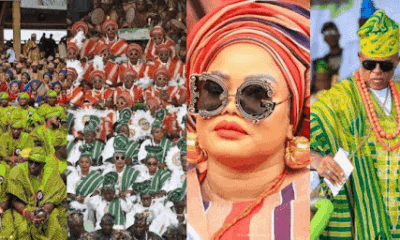
Traditional attire plays a key role in the celebration. Men often wear wrappers, red caps, and beads, while women display colourful clothing and head ties. The air is filled with the sounds of drums, flutes, and traditional songs which create an atmosphere that honours both culture and community. Masquerades may appear to represent ancestral spirits and add layers of spectacle, storytelling, and spiritual presence to the festivities.
In modern times, Oke Aku festival has adapted to include church services, community meetings, and visits from Ezza people living elsewhere. Those who reside in other States or countries often return home to reconnect with family, celebrate heritage, and participate in the communal rituals. Despite these adaptations, the essence of Oke Aku festival remains the same, and that is, thanksgiving, renewal, and unity.
Cultural Displays and Festivities
Oke Aku festival is not only a sacred occasion but also a vibrant celebration of Ezza culture and community life that blends spirituality, tradition, and entertainment in ways that showcase the creativity and values of the Ezza people of Ebonyi State.
One of the most striking aspects of Oke Aku festival is the music and dance performances. Traditional instruments such as drums, flutes, and wooden gongs fill the air with rhythms that carry both energy and history. Songs often recount ancestral stories, celebrate communal achievements, or teach moral lessons. Dancers move in coordinated patterns in a way that represent harmony, strength, and cultural pride. These performances create an immersive experience for participants, whether they are elders, youths, or visitors.
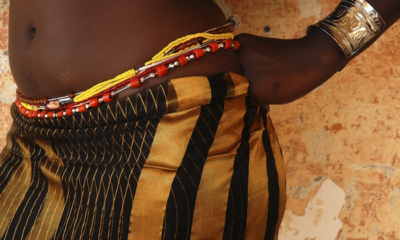
Another highlight is the traditional attire. Men commonly wear George wrappers, red caps, and coral beads, while women display colourful wrappers, head ties, and bead necklaces. The clothing is both decorative and symbolic as it reflects social status, family lineage, and respect for tradition. Walking through Onueke during Oke Aku festival is like seeing the history and identity of the Ezza people brought vividly to life.
Masquerades play a central role in festival displays. These masked figures represent ancestral spirits and are believed to carry messages from the past. They move through the streets and compounds, and perform dances and ritual gestures that entertain and inspire awe. The masquerades remind the community of their roots, history, and the spiritual dimension of everyday life.
Feasting is another essential feature of the celebration. Families prepare and share dishes made from yam, cocoyam, vegetables, and local spices, often presenting them to neighbours and visitors. Sharing food strengthens bonds and reinforces the emphasis of Oke Aku festival on gratitude, unity, and reciprocity.
Finally, communal storytelling sessions and oral recitations bring the elders and the youth together. The elders recount the origins of Oke Aku festival, the adventures of the ancestors, and lessons on morality, perseverance, and community life. These sessions are a way of passing cultural knowledge and wisdom to the next generation.
In every sound, movement, and shared meal, Oke Aku festival communicates the identity, resilience, and values of the Ezza people. It is a living celebration that honours history, nurtures community, and creates lasting memories for all who take part.
Social and Communal Importance of Oke Aku Festival
Oke Aku festival is the heartbeat of Ezza social and communal life. Among the Ezza people of Ebonyi State, the festival provides a dedicated time for families and communities to come together in way that fosters unity, understanding, and shared purpose.
One of its most vital roles is reconciliation and peacebuilding. Disputes within families, kindreds, or neighbouring communities are addressed and resolved during this period. The elders act as mediators, using the festival’s spiritual and cultural authority to encourage forgiveness and harmony. By the time the new harvest begins, relationships are mended, and everyone is able to start the new year on a positive note.
Oke Aku festival also strengthens intergenerational bonds. While the elders oversee rituals and blessings, the younger members actively participate in dances, songs, and the preparation of meals. Through these shared experiences, traditions are transmitted naturally to ensure that cultural values endure. Children learn about the significance of yams, ancestral reverence, and communal responsibility, not through textbooks but through lived experiences.
Family and kinship ties are reinforced during Oke Aku festival. Relatives who live far away often return to Onueke and other Ezza towns to celebrate together. This homecoming aspect maintains strong links between the diaspora and their ancestral communities. It also provides a sense of identity and belonging that reminds everyone of their roots and the responsibilities that come with being part of a larger family network.
Community-wide activities, including feasts, dances, and masquerade displays encourage social cohesion and collective celebration. Oke Aku festival emphasizes that prosperity is measured not only by the abundance of crops but also by the health of relationships and the strength of the community.
Through these social dimensions, Oke Aku festival becomes a platform for teaching, healing, and uniting. It ensures that Ezza people remain connected to their heritage, each other, and the land that sustains them, thus making the festival an essential pillar of both spiritual and communal life.
Oke Aku Festival in Modern Times
While deeply rooted in ancestral tradition, Oke Aku festival has evolved to accommodate the realities of modern life among the Ezza people of Ebonyi State. Today, the festival blends ancient rituals with contemporary practices, which makes it both a spiritual celebration and a cultural showcase.
In modern celebrations, churches and religious organizations often complement traditional rites with thanksgiving services. These gatherings provide an opportunity for the community to express gratitude collectively while integrating spiritual teachings from both traditional and Christian perspectives. The inclusion of religious services reflects the adaptive nature of Oke Aku festival and ensures participation by the younger generations who may be more influenced by contemporary faith practices.
Community leaders and government officials frequently attend the festival, as they use the occasion to promote messages of peace, unity, and cultural preservation. Their presence highlights the significance of the festival not only as a cultural event but also as a tool for social cohesion and local development. It also brings attention to the economic potential of Oke Aku festival, including tourism, local crafts, and agricultural trade.
Despite urban migration and modern work pressures, Oke Aku festival still attracts Ezza people living elsewhere. Diaspora members often return to Onueke and surrounding towns to take part in the celebrations, thereby reconnecting with family, heritage, and shared identity. Even those who cannot travel participate symbolically through digital communication, social media, and local community chapters. This ensures that Oke Aku festival maintains its unifying role across distances.
Modern Oke Aku festival celebrations still honour traditional practices. Rituals, offerings, dances, and masquerades remain central in preserving its spiritual and cultural essence. At the same time, innovations such as cultural exhibitions, food fairs, and public performances have made the festival more accessible to tourists and outsiders interested in Igbo heritage.
In essence, Oke Aku festival in modern times demonstrates the resilience and adaptability of Ezza culture. It remains a bridge between the past and the present that keeps traditions alive while welcoming contemporary influences in a way that ensures that each generation experiences the richness of Ezza heritage in ways that feel both authentic and relevant.
Tourism and Cultural Heritage Value
Oke Aku festival is not only a cornerstone of Ezza cultural identity but also a significant opportunity for cultural tourism in Ebonyi State. Every year, visitors from within Nigeria and beyond are drawn to Onueke and surrounding Ezza communities to witness the vibrant rituals, dances, and feasts that define the festival.
For tourists, Oke Aku festival provides an authentic experience of Igbo traditions and values. The elaborate masquerades, traditional music, and ceremonial presentation of new yams give visitors a chance to observe cultural practices that have been preserved for centuries. Participating in these events offers insight into how the Ezza people honour their ancestors, celebrate abundance, and reinforce communal bonds.
Oke Aku festival also generates economic benefits for the region. Local markets thrive as traders sell yams, crafts, traditional attire, and cultural artifacts to the festival-goers. Food vendors, performers, and tour guides gain opportunities to earn a livelihood while showcasing the richness of Ezza culture. By way, the festival strengthens both the social and economic fabric of the community.
Beyond immediate economic gains, Oke Aku festival plays a vital role in cultural preservation. By attracting attention from younger generations, educational institutions, and cultural enthusiasts, the festival ensures that Ezza traditions are documented, celebrated, and passed on. This visibility fosters pride in heritage and encourages other communities to maintain and promote their own cultural practices.
Moreover, Oke Aku festival positions Ebonyi State as a cultural destination. With media coverage, social media storytelling, and diaspora participation, the festival reaches wider audiences each year. It showcases the Ezza people’s hospitality, resilience, and artistry, thereby making it not only a festival for the community but also a celebration for all who value African culture.
Essentially, Oke Aku festival is a powerful blend of spirituality, tradition, and tourism that preserves the cultural heritage of the Ezza people, strengthens community bonds, and opens doors for sustainable cultural tourism that benefits both the locals and the visitors alike.
How Oke Aku Festival Compares with Other Igbo New Yam Festivals
Oke Aku festival is part of a wider tradition of New Yam Festivals celebrated across Igboland. While many communities honour the yam harvest, Oke Aku festival stands out for its unique blend of ancestral reverence, communal unity, and cultural symbolism.
In most Igbo communities, New Yam Festivals serve as thanksgiving celebrations and markers of agricultural cycles. Communities such as Nri, Arochukwu, and Ohafia have their own variations which feature feasts, dances, and ritual offerings. However, what sets Oke Aku festival apart is its strong connection to the Ezza ancestral lineage. The festival is deeply intertwined with the story of Ezekuna and his descendants which makes ancestral veneration a central focus alongside the harvest.
Another distinction is the social cohesion aspect of the festival. While many Igbo festivals include communal feasting and entertainment, Oke Aku festival places particular emphasis on reconciliation, dispute resolution, and the reaffirmation of family and community ties. The elders actively mediate conflicts, and ensure that the community enters the new year united and harmonious. This social dimension is particularly pronounced in Ezza communities and adds layers of meaning beyond the celebration of food and abundance.
Cultural expressions also vary. While masquerades, traditional dances, and songs appear in most New Yam festivals, Oke Aku festival integrates these elements with specific Ezza folklore, proverbs, and ritual sequences that are unique to the community. The festival is both educational and entertaining as it transmits history, values, and moral lessons through every performance.
Finally, the modern adaptation of Oke Aku festival, including participation by diaspora members, media coverage, and incorporation of contemporary church services makes it highly visible compared to other festivals. These adaptations do not diminish its cultural authenticity, rather, they allow it to remain relevant and meaningful in the 21st century, even as it draws national and even international attention.
Overall, while Oke Aku festival shares the common Igbo themes of gratitude, harvest, and celebration, it distinguishes itself through its ancestral focus, social harmony emphasis, and unique cultural expressions, thus making it a festival that is distinctly Ezza, yet deeply connected to the broader Igbo heritage.
Challenges and Preservation of Oke Aku Festival
While Oke Aku festival remains a vital part of Ezza cultural life, it faces challenges in the modern era that threaten the continuity of its rich traditions. Rapid urbanization, migration, and changing lifestyles have altered how the younger generations interact with ancestral practices. Many Ezza youth now live in cities or abroad. This reduces their direct exposure to traditional rituals and the communal aspects of the festival.
Another challenge is the influence of modern entertainment and technology. With smartphones, social media, and contemporary leisure activities, younger participants may prioritize digital experiences over learning or engaging with cultural rituals. This shift can weaken the oral transmission of history, proverbs, and moral lessons embedded in festival practices.
Despite these challenges, Ezza people have been proactive in preserving Oke Aku festival. The elders, cultural associations, and community leaders actively educate children and youths about its significance. Schools, sometimes, include cultural education, and diaspora organizations encourage participation or sponsorship of local festivities. Documentation through articles, photos, and media coverage also helps to preserve knowledge for future generations.
Modern adaptations further aid preservation. Church services, community fairs, and cultural exhibitions are now integrated alongside traditional rituals. These additions make Oke Aku festival accessible and relevant without compromising its spiritual and cultural core. By blending old and new practices, the festival continues to thrive and remain meaningful, even in changing social contexts.
Ultimately, the survival of Oke Aku festival depends on active participation, cultural education, and intergenerational engagement. The commitment of families, community leaders, and Ezza diaspora ensures that this rich tradition will continue to unite the community, celebrate the harvest, and honour the ancestors for generations to come.
In Conclusion …
Oke Aku festival is a living testament to the cultural richness, unity, and ancestral heritage of Ezza people of Ebonyi State. From the ceremonial presentation of yams to vibrant masquerades, traditional dances, and communal feasts, every aspect of the festival reflects gratitude, social harmony, and respect for lineage.
Over the years, Oke Aku festival has adapted to modern life by welcoming diaspora participation, church services, and cultural exhibitions. Yet, its spiritual and cultural core remains intact. By preserving its rituals, teaching the younger generations, and sharing its beauty with visitors, the Ezza people ensure that their traditions continue to thrive.
In celebrating Oke Aku, we see a festival that honours the past, strengthens the present, and inspires the future. A festival that is both a thanksgiving for abundance and a celebration of community, identity, and resilience.
References
- https://www.thenigerianvoice.com/news/322799/oke-aku-ezza-ezekuna-a-festival-of-love-and-peace.html
- https://ndiigboworldwide.com/ezza-new-yam-festival/
- https://thesun.ng/oke-aku-ebonyi-festival-of-unity-peace/
- https://www.doorstepreporters.com/2025/08/ezza-ezekuna-indigenes-in-imo-celebrate.html
- https://ozikoro.com/oke-aku-festival-a-celebration-of-harvest-unity-and-renewal-in-ezza-ezekuna-culture/
- https://nnewicity.com/onueke-ebonyi-state-history-culture-festivals/