






Igbo culture
Traditional Communication in Igbo Society: History, Symbols, and Cultural Significance

Traditional communication in Igbo society explores the indigenous ways the Igbo people shared information through oral tradition, drums, symbols, town criers, and cultural rituals that shaped community life, governance, and identity.
Before phones, radios and internet, communication in Igbo society already had its own rhythm, order, and meaning. A single drumbeat could pull people out of their homes. A spoken proverb could end an argument. A palm frond placed on a path could quietly warn an entire community without a single spoken word.
This is the mode of traditional communication in Igbo society. It is a system built on sound, speech, symbols, and shared understanding. Long before written messages and digital signals, the Igbo people relied on town criers, Ikoro drums, Ekwe, oral storytelling, and powerful cultural symbols to share information and keep the society connected.
What makes it even more remarkable is how organized it was. Nothing was random. Every sound had meaning. Every symbol had context. Every message followed a cultural code that people understood from daily life.
In exploring traditional communication in Igbo society, we begin to see more than old practices. We see a living system that guided leadership, settled disputes, preserved history, and strengthened community bonds across generations.
Meaning of Traditional Communication in Igbo Society
Traditional communication in Igbo society refers to the indigenous system the Igbo people use to pass information, share ideas, and transmit messages across individuals, families, and entire communities outside modern technology. It is rooted in spoken language, sound signals, cultural symbols, rituals, and community-based messengers.
In clear terms, traditional communication in Igbo society explains how news, instructions, warnings, and cultural knowledge moved from one place to another in pre-colonial Igbo communities. This system was structured and widely understood because it was built into everyday life and cultural practice.
At the centre of traditional communication in Igbo society is shared understanding. A drumbeat, a proverb, or a palm frond placed at a specific spot could send a message that people immediately understood within its cultural context. Meaning was not guessed. It was learned and passed down through generations.
Unlike modern communication systems that rely on digital devices or written messages, traditional communication in Igbo society depends on oral expression and physical signals. Elders, town criers, age grades, and traditional leaders all played active roles in making sure information reached the right people at the right time.
Beyond sharing information, traditional communication in Igbo society also served deeper cultural purposes. It preserved history, taught moral values, supported governance, and strengthened unity within communities. Through it, communication became more than information transfer. It became a way of life that held the society together.
Historical Background of Communication in Igbo Society
The history of traditional communication in Igbo society is deeply tied to the way the Igbo people lived long before the arrival of modern technology and written records. In pre-colonial times, Igbo communities were largely decentralized, with each village or clan managing its own affairs through the elders, titled men, age grades, and community assemblies. Because there was no central authority controlling all communities, communication systems became very important for unity, coordination, and survival.
Early Igbo society depended heavily on oral tradition. History, laws, beliefs, and social rules were passed from one generation to another through spoken words. Elders played a key role in preserving this knowledge. They were regarded as living libraries, responsible for remembering events, family histories, and community decisions. This oral system helped to maintain continuity in a society without formal writing systems.
As communities expanded, traditional communication in Igbo society became more structured. Different methods were developed to send messages quickly across short and long distances. Drum signals, town criers, and symbolic objects were introduced to support faster communication, especially during emergencies, festivals, wars, and important gatherings. These methods were effective because they were widely understood and culturally shared.
Igbo communities relied on strong oral and symbolic systems to maintain order and transmit information. Their studies show that communication was not only functional but also deeply connected to governance, religion, and social organization.
Over time, traditional communication in Igbo society became a system that combined speech, sound, symbols, and human messengers. Each method developed out of practical needs and was shaped by the daily life of the people. Even without written records or modern media, information moved efficiently across communities. This proves how organized and adaptive the Igbo communication system was in its early history.
Forms of Traditional Communication in Igbo Society

Traditional communication in Igbo society developed in different forms to suit the needs of community life, governance, religion, and social interaction. Each form had its own method, meaning, and setting, but all worked together to ensure that information moved quickly and clearly across individuals and communities.
These forms were not separate in practice. They often worked side by side, depending on the message and the urgency involved.
Oral Communication
Oral communication is the most common and foundational form of traditional communication in Igbo society. It relies on spoken words passed from person to person in form of proverbs, folktales, and oral history. Proverbs are short, meaningful sayings used to express wisdom, guide behaviour, and settle disputes. In Igbo society, elders often use proverbs during discussions to give authority and clarity to their speech. A well-used proverb could end an argument without further debate.
Folktales and stories are used to teach children moral lessons, explain cultural values, and preserve history. These stories are shared mostly in the evenings, often in family or community gatherings. Important events such as migrations, wars, and the origin of clans were preserved through oral accounts. Elders memorized and passed them down carefully to maintain continuity.
Instrument-Based Communication
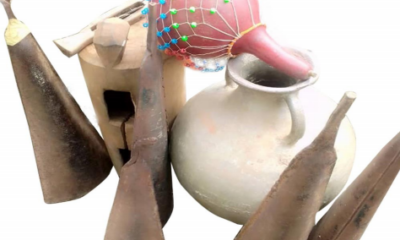
Sound instruments such as Ikoro, ekwe, ogene, and oja played a powerful role in traditional communication in Igbo society, especially for reaching large audiences quickly. The Ikoro is a large slit drum placed in a central location. Its deep sound could travel across a village, signalling emergencies, meetings, or important announcements.
The Ekwe is a drum that produces different tones used to send coded messages understood by community members. The Ogene produces sharp, ringing sounds used to call attention, announce events, or gather people. The Oja flute was used in ceremonies and sometimes carried coded messages across distances, especially in cultural or spiritual settings.
Human Messengers
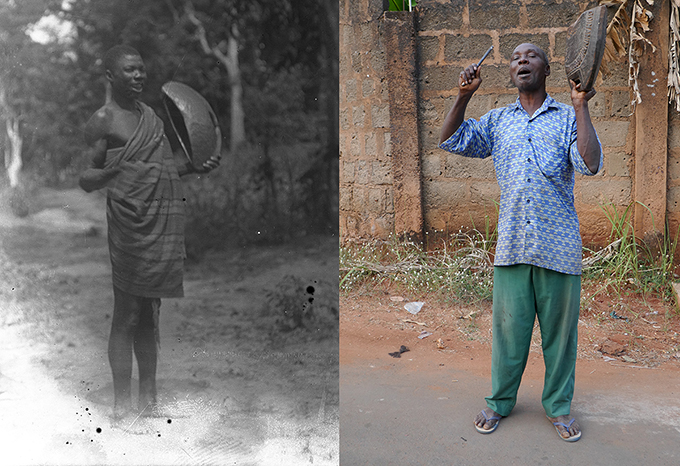
Human messengers were essential in the structure of traditional communication in Igbo society. They include tow criers, age grades, and palace messengers. Town criers were responsible for announcing public messages. They moved through villages using gongs or bells to draw attention before delivering important information from community leaders. Age-grade groups supported communication by helping to spread messages, enforce decisions, and mobilize people for communal duties. Palace messengers were trusted individuals sent by leaders or councils to deliver official messages between families, villages, or neighbouring communities.
Symbolic Communication
Symbols carried deep meaning in traditional communication in Igbo society and were widely understood within the cultural context. The palm frond was a powerful symbol used to signal warnings, sacred spaces, or restrictions. Once placed, it required respect and immediate attention.
The kola nut ceremony symbolized peace, unity, and hospitality. It was often the first step in meetings and gatherings, setting the tone for communication. Objects placed in specific ways or locations could communicate warnings, invitations, or social messages understood by community members.
These different forms of traditional communication in Igbo society show how organized and thoughtful the system was. Whether through speech, sound, human messengers, or symbols, each method played a clear role in keeping the community informed, united, and socially balanced.
Functions of Traditional Communication in Igbo Society
Traditional communication in Igbo society was not only about passing messages from one person to another. It was a complete social system that supported leadership, culture, religion, and community life. Every method of communication had a purpose, and together they helped the society function smoothly without modern technology.
One of the most important functions of traditional communication in Igbo society was supporting governance. Village councils and elders used different communication methods to announce decisions, call meetings, and enforce community rules. Town criers, drums, and symbolic signs helped leaders to reach the entire community quickly. This made it possible to manage large groups of people without written notices or formal media.
Traditional communication played a key role in settling disputes. Elders used spoken dialogue, proverbs, and cultural expressions to mediate disagreements between individuals or families. In many cases, carefully chosen words and respected sayings helped to reduce tension and guide people toward peaceful solutions. Communication in this context was not just informational, it was also corrective and restorative.
Traditional communication in Igbo society was highly effective in gathering people for urgent or important activities. Drum signals, gongs, and town criers were used to call villagers together for meetings, communal work, or emergencies. This system ensured that people responded quickly to collective needs such as farming activities, road clearing, or village defense.
Oral storytelling, proverbs, and folktales helped to preserve the history and identity of the Igbo people. Elders passed down knowledge about origins, customs, and values through spoken communication. This function ensured that important cultural knowledge was not lost, even without written records.
Religion was deeply connected to communication in traditional Igbo society. Priests, diviners, and spiritual leaders communicated messages believed to come from deities or ancestors. Ritual language, symbols, and ceremonies were used to interpret and share spiritual guidance with the community. This helped to guide decisions related to farming, health, and social order.
Through stories, proverbs, and communal discussions, traditional communication in Igbo society served as a tool for teaching morals and social values. Children learned respect, honesty, responsibility, and community behaviour by listening to elders and participating in cultural gatherings.
Communication methods helped to strengthen unity among members of the community. Shared understanding of symbols, language, and traditions created a strong sense of belonging. Events such as festivals and communal meetings reinforced collective identity and reminded people of their shared heritage.
Communication in Festivals and Ceremonies

In Igbo society, festivals and ceremonies were not only moments of celebration. They were also powerful channels of traditional communication in Igbo society. During these events, information was shared, values were taught, authority was displayed, and community identity was strengthened through music, performance, symbols, and ritual speech.
Festivals brought large groups of people together. So, they became natural spaces for public communication. Messages that affected the entire community were often delivered during such gatherings because people were already assembled and attentive.
Drums played a central role in communication during festivals and ceremonies. Instruments such as the Ikoro, Ekwe, Ogene, and Oja were used to announce the beginning of events, call people together, and guide different stages of celebration. In traditional communication in Igbo society, drum patterns were not random. Specific rhythms could signal joy, warning, respect, or invitation. People who understood these rhythms could interpret the message instantly without spoken words.
Masquerades were an important part of Igbo festivals. They were not only entertainment figures but also carriers of cultural messages. Through movements, songs, and appearances, masquerades communicated moral lessons, community rules, and ancestral presence. In many communities, masquerades were respected as symbolic representatives of the spirit world, and their performances often carried warnings or instructions to the public. This made them a strong part of traditional communication in Igbo society, especially during cultural festivals.
Songs and dances were also used to pass messages during festivals. Praise songs could honour individuals or families, while satirical songs could criticize behaviour that was considered unacceptable. Storytelling and chants performed during ceremonies helped to preserve history and remind people of important events. These performances made communication lively and easy to remember, especially for younger generations.
Ceremonies such as marriages, title-taking events, and naming ceremonies involved structured communication through rituals. The breaking of kola nut, prayers, and traditional blessings all carried specific meanings. These acts communicated peace, unity, and respect among participants. In traditional communication in Igbo society, rituals were not symbolic alone. They were understood as active expressions of social agreement and cultural order.
Festivals were also used as opportunities to pass important community messages. Village leaders and elders often used these gatherings to make announcements about laws, decisions, or upcoming events. Because festivals attracted large audiences, they were effective platforms for ensuring that information reached everyone at once.
Spiritual and Religious Communication
In traditional communication in Igbo society, spiritual and religious life was closely connected to how people shared meaning and understood the world around them. Communication was not limited to human interaction alone. It also included ways people believed messages were received from deities, ancestors, and the spiritual realm. This form of communication shaped decisions, guided behaviour, and influenced how communities responded to major events such as farming seasons, illness, conflict, and celebrations.
Priests (ndi dibia or shrine priests) and diviners played a central role in spiritual communication. They were seen as intermediaries between the physical world and the spiritual world. Through rituals, consultation, and divination practices, they interpreted messages believed to come from deities or ancestors. These interpretations were then shared with individuals or the entire community. In traditional communication in Igbo society, this process was respected because it provided guidance on important issues such as disputes, health challenges, and community decisions.
Rituals involved structured forms of speech that carried spiritual meaning. These words were not ordinary expressions. They followed specific patterns and were often spoken during prayers, sacrifices, and ceremonies. Ritual communication helped to establish peace, request blessings, or seek protection. The language used was considered powerful and required careful handling, especially during sacred events.
Ancestors were believed to remain active members of the family and community. Communication with them took place through prayers, offerings, and family rituals. During these moments, messages were sent to ask for guidance, protection, or approval. The responses were often interpreted through signs, dreams, or divination. This belief system formed an important part of traditional communication in Igbo society.
Objects such as kolanut, cowries, palm fronds (omu), and shrine items were used to communicate within religious contexts. Each symbol carried meaning depending on how and where it was used. For example, the breaking of kolanut during gatherings was not only a social act but also a spiritual message of peace, unity, and hospitality. The presence of sacred objects in rituals communicated respect for the spiritual order.
Religious festivals were major moments of spiritual communication. They involved offerings, sacrifices, prayers, music, and dance dedicated to deities or ancestors. These festivals allowed communities to express gratitude, seek blessings, and maintain harmony with the spiritual world. They also reinforced shared beliefs and cultural values.
Social Significance of Traditional Communication
Traditional communication in Igbo society was more than a way of passing information. It was a social system that shaped relationships, guided behaviour, and helped people to live together in harmony. Every message carried meaning beyond words, and every method of communication played a role in building a strong and connected community.
One of the most important social roles of traditional communication in Igbo society was the way it brought people together. Shared understanding of symbols, drum signals, proverbs, and oral messages created a strong sense of belonging. When a message was announced through a town crier or drum, everyone responded as one community. This collective response strengthened unity and reduced isolation among individuals.
Traditional communication helped to maintain order in society. Rules and expectations were communicated clearly through elders, age grades, and public announcements. Proverbs and community discussions were often used to correct behaviour. Because these messages were rooted in culture and respect for elders, people were more likely to listen and obey. In this sense, traditional communication in Igbo society supported discipline without written laws or formal enforcement systems.
Stories, proverbs, and songs were used to teach important moral values. Children and young people learned respect, honesty, hard work, and responsibility through daily interaction and community gatherings. These lessons were not delivered in classrooms but through lived experience. This made them easier to remember and apply in everyday life.
Communication systems helped people understand who they were and where they belonged. Shared language, symbols, and cultural practices created a strong identity within each community. Events such as festivals, ceremonies, and communal gatherings reinforced this identity. People saw themselves not only as individuals but as members of a larger cultural group.
In traditional communication in Igbo society, information was shared openly. This encouraged people to take part in community decisions, meetings, and activities. Town criers, drums, and public gatherings ensured that everyone had access to information. This openness helped people to feel included in the life of the community.
Communication methods also helped to reinforce respect for elders and traditional leaders. Messages delivered through respected channels carried authority and were taken seriously. Because communication was tied to cultural values, people were more likely to respect decisions made by community leaders.
Impact of Modern Communication Systems
The arrival of modern communication systems brought major changes to traditional communication in Igbo society. Tools such as radio, television, mobile phones, and the internet introduced faster and wider ways of sharing information. While these developments improved access to information, they also affected how indigenous communication systems were practiced and valued.
Modern communication made it possible to send messages across long distances within seconds. Radio broadcasts, television news, and mobile phone calls replaced many of the slow, localized methods once used in traditional communication in Igbo society. This improvement helped communities stay informed about national and global events more easily than before.
As modern systems became more common, some traditional methods reduced in daily use. Town criers, drum signals, and symbolic public announcements became less frequent in many areas. The younger generations increasingly relied on mobile phones and social media for news and communication, thus reducing dependence on oral and communal systems.
In many communities, instruments such as Ikoro, Ekwe, and Ogene are now used mainly during festivals or cultural celebrations rather than daily communication. This shift has reduced their role as active tools in traditional communication in Igbo society, thereby turning them more into cultural symbols than practical communication tools.
Modern communication systems allow individuals to receive information privately through phones and devices. This has reduced the level of public gatherings that were once central to Igbo communication. In the past, messages were shared openly in village squares, which encouraged collective participation. Today, communication is often more individual and less communal.
Despite these changes, modern communication has also helped to preserve aspects of Igbo tradition. Radio programmes, television documentaries, and online platforms now share information about Igbo culture, language, and history. Schools and cultural organizations also use modern tools to teach the younger people about traditional communication in Igbo society.
In many communities, traditional and modern communication systems now exist side by side. During festivals, town meetings, and cultural events, drums, proverbs, and symbolic practices are still used alongside modern announcements. This coexistence shows that while modern systems have changed communication patterns, they have not completely replaced traditional ones.
Preservation of Traditional Communication in Igbo Society
Even with the strong influence of modern technology, efforts to protect and sustain traditional communication in Igbo society continue across different communities. These efforts are important because traditional communication is not only about passing messages. It is part of identity, history, and cultural memory. Preservation involves keeping indigenous systems like oral tradition, symbolic communication, drum signals, and cultural rituals active, understood, and respected by younger people.
One of the strongest ways of preserving traditional communication in Igbo society is through education. Schools, especially in southeastern Nigeria, now include aspects of Igbo culture in their curriculum. Students learn about proverbs, folktales, oral history, and traditional communication methods. This helps young people to understand how information was shared before modern tools existed and why these systems matter. Cultural clubs in schools also encourage storytelling, drama, and traditional speech which keeps oral communication skills alive.
Researchers, historians, and anthropologists have played an important role in preserving traditional communication in Igbo society. Through books, journals, and field studies, they document oral traditions, symbols, and communication practices. Works by scholars such as Elizabeth Isichei and G. T. Basden have provided valuable records of Igbo life, including communication systems. These written materials help to ensure that knowledge is not lost even as lifestyles change. Digital platforms and online archives have also made it easier to store and share this information globally.
Festivals remain one of the most active ways of preserving traditional communication. Events such as the New Yam Festival (Iri Ji) provide space for drums, masquerades, songs, and ritual communication. During these celebrations, people still experience real examples of traditional communication in Igbo society, including drum signals, oral announcements, and symbolic acts like kola nut breaking and palm frond usage. These events help the younger ones to see and understand how communication worked in the past.
Elders continue to play a key role in preservation. They pass down stories, proverbs, and cultural knowledge through family gatherings and community meetings. In many Igbo communities, elders are still respected as custodians of tradition. Their knowledge ensures that oral communication and cultural meanings are not forgotten.
Modern media has also become a tool for preserving traditional communication in Igbo society. Radio programmes, cultural documentaries, YouTube channels, and social media pages now share Igbo stories, proverbs, and traditional practices. This digital presence helps to reach younger audiences who may not have direct access to rural or traditional settings. It also creates awareness beyond Igbo communities.
Some communities actively revive traditional communication practices during local meetings and festivals. Drum communication, town criers, and symbolic messages are still used in specific cultural settings. Cultural organizations also promote Igbo language use, oral performance, and traditional arts as part of identity preservation. These efforts show that traditional communication is still valued and can exist alongside modern systems.
Conclusion …
Traditional communication in Igbo society remains one of the most organized and meaningful indigenous systems of information sharing in Africa. It brought people together through spoken words, drums, symbols, rituals, and community participation long before modern communication tools existed.
From proverbs and storytelling to Ikoro drums, town criers, and symbolic objects like the palm frond, every method carried clear meaning within the culture. These systems were not only used to pass messages. They supported governance, preserved history, guided moral behaviour, strengthened spirituality, and built strong social bonds among people.
Although modern communication systems have changed how information is shared today, the value of traditional communication in Igbo society has not disappeared. It continues to appear in festivals, ceremonies, community gatherings, and cultural practices. In many ways, it still lives alongside modern methods, reminding people of their roots and shared identity.
What stands out most is that communication in Igbo society was never just about speaking or sending messages. It was about understanding, unity, and cultural continuity. Preserving these systems ensures that future generations will not only read about Igbo traditions, they will also understand how deeply connected communication was to everyday life, leadership, and culture.
References
- Oguamanam, C. (2013). Indigenous knowledge systems and communication in African societies. African Journal of Communication. https://www.ajol.info/index.php/ajcr/article/view/101185
- IOSR Journal of Humanities and Social Science. (2015). Means and forms of traditional communication in Igbo land. https://www.iosrjournals.org/iosr-jhss/papers/Vol20-issue6/Version-4/D020641720.pdf
- Basden, G. T. (1921). Among the Ibos of Nigeria. Seeley, Service & Co. https://archive.org/details/amongibosofniger00basd
- Isichei, E. (1976). A history of the Igbo people. Macmillan. https://books.google.com/books/about/A_History_of_the_Igbo_People.html?id=5Z0vAAAAMAAJ
- Uchendu, V. C. (1965). The Igbo of southeast Nigeria. Holt, Rinehart and Winston. https://archive.org/details/igboofsoutheastn0000uche
- https://nnewicity.com/igbo-traditional-musical-instruments/