







Biographies & Personalities
Kanayo O. Kanayo Biography: The Man Behind Nollywood’s Most Misunderstood Roles

Kanayo O. Kanayo is a veteran Nigerian actor and lawyer known for his iconic roles in Nollywood and powerful performances in occult-themed films. Explore his life story, career, awards, personal journey, and legacy in film and beyond with verified and engaging detail.
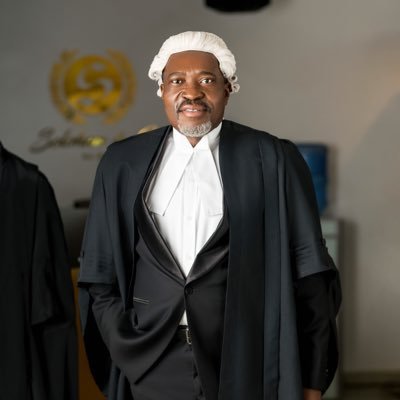
Kanayo O. Kanayo is one of those names that immediately sparks a reaction. For many Nigerians, his face brings back memories of candlelit rooms, whispered incantations, and the moral warnings that defined early Nollywood films. He became so convincing in those roles that fiction slowly blurred into assumption. Over time, a powerful screen image began to overshadow the man himself.
Yet, the real story of Kanayo O. Kanayo is far richer and far more human than the characters he played. Behind the intense performances is a disciplined actor, a lifelong student, a lawyer, a father, and a cultural figure whose career mirrors the rise and evolution of Nollywood. His journey is about fame. It’s also about timing, choices, and how an actor can become trapped by his own brilliance.
This article looks beyond the stereotypes to tell the full story of Kanayo O. Kanayo. It explores his early life, education, breakthrough roles, and the era that made him the face of ritual films in Nigeria.
It also asks the questions audiences have quietly wondered about for years and answers them with facts, context, and his own words. Above all, it reintroduces Kanayo O. Kanayo not as a myth or a meme but as a man whose legacy in Nigerian cinema is deeper than most people realize.
Early Life and Background of Kanayo O. Kanayo
Kanayo O. Kanayo was born Anayo Modestus Onyekwere on March 1, 1962 in Nru Umueze Oboama, Mbaise, Imo State, southeastern Nigeria. From a young age, he was immersed in Igbo culture and tradition which would later influence the authenticity he brought to his Nollywood roles. Growing up in a close-knit family, Kanayo learned the values of discipline, respect, and community, the principles that shaped both his personal life and professional career.
His early education began at Saint Joseph Primary School, and was followed by Secondary Technical School in Aba, Abia State where he showed a strong curiosity and drive to excel. Even as a young boy, he displayed a natural charisma and presence, traits that hinted at the seasoned actor he would one day become. These formative years grounded and instilled in him a sense of purpose and resilience that would carry him through the highs and challenges of Nollywood fame.
Through the understanding of his roots and the environment that formed him, it becomes clear why Kanayo O. Kanayo approaches his craft with such depth and authenticity. His early life was more than a backdrop, it was the foundation for a career that would make him one of Nigeria’s most recognizable and respected actors.
Education and Intellectual Foundation
Kanayo O. Kanayo is celebrated for his powerful performances on screen and equally respected for his commitment to education and lifelong learning. From his early school days, he displayed a curiosity that went beyond textbooks. He understood that knowledge could shape character, expand opportunities, and deepen his understanding of the world.
After completing secondary school at Secondary Technical School, Aba, Kanayo pursued higher education with determination. He attended the University of Lagos where he earned diplomas in Mass Communication and Law, a Bachelor’s degree in Philosophy and a Master’s degree in Political Science. These achievements reflected a disciplined mind and a relentless pursuit of self-improvement.
Kanayo O. Kanayo’s dedication to education did not stop there. In a remarkable demonstration of persistence and ambition, he enrolled at the University of Abuja to study law, and was eventually called to the Nigerian Bar in 2020. Balancing a successful acting career while pursuing a law degree was no small feat, yet it showcased his ability to prioritize growth and resilience over comfort.
This intellectual foundation has profoundly influenced Kanayo O. Kanayo’s career. It informs his approach to roles, his interactions within the film industry, and the wisdom he brings to both personal and professional life. His story is a powerful reminder that behind the captivating screen presence lies a mind conditioned by knowledge, discipline, and a lifelong commitment to learning.
The Early Career Years
Kanayo O. Kanayo’s journey into Nollywood began long before he became a household name. His early experiences in acting were grounded in television where he honed his craft and learned the discipline required for performing in front of a camera. In the early 1980s, he appeared in productions with the Nigerian Television Authority (NTA), including shows like Things Fall Apart and Checkmate. These early roles gave him the opportunity to develop his skills, understand storytelling, and connect with audiences.
His big breakthrough came in 1992 with the iconic Nollywood film “Living in Bondage” widely regarded as a foundational movie in Nigeria’s home-video era. Kanayo’s portrayal of Chief Omego showcased his commanding presence and ability to bring complex characters to life. Audiences were captivated by the depth and authenticity he brought to the screen, and the film cemented his reputation as a serious actor capable of carrying powerful narratives.
During this period, Nollywood was rapidly evolving. Filmmakers were exploring themes of morality, wealth, and the supernatural, and Kanayo O. Kanayo’s talent positioned him perfectly to take on challenging roles. His early career years were marked by careful role selection and consistent performances which gradually built the foundation for his enduring legacy.
By the mid-1990s, Kanayo O. Kanayo had established himself as one of Nollywood’s most promising actors. His combination of talent, discipline, and a willingness to embrace complex roles set him apart. These formative years not only introduced him to the film industry but also influenced the trajectory that would see him become the face of some of Nollywood’s most memorable characters.
Becoming the Face of Ritual Roles

Photo Credit: Gossip
In the early years of Nollywood, films exploring wealth, morality, and the supernatural were gaining immense popularity. Stories of ambition, greed, and the consequences of dark practices captured audiences’ attention, and filmmakers were searching for actors who could deliver these roles with authenticity. Kanayo O. Kanayo’s commanding presence, intense gaze, and natural ability to convey authority made him the perfect fit.
His breakout role in Living in Bondage set the stage. Playing Chief Omego, a character entangled in dark rituals for wealth, Kanayo brought a gravitas and believability that audiences had rarely seen. Viewers were enthralled, and the lines between the character and the actor began to blur. His performances were so convincing that people started associating the actor himself with the occult themes of his films.
Following this success, Kanayo O. Kanayo became a go-to actor for ritual-centered stories. Films like Blood Money (1997), Rituals, and Across the Niger (2004) solidified his reputation as Nollywood’s foremost actor for dark, morally complex characters. Directors appreciated his professionalism, depth, and ability to portray fear, ambition, and menace without exaggeration. Audiences, on the other hand were captivated and, sometimes, unnerved, thereby creating an aura of intrigue around him.
Kanayo O. Kanayo did not shy away from these roles, instead, he approached them with respect and seriousness. He understood the responsibility of portraying characters that could influence cultural perceptions. His ability to embody these roles convincingly without losing his personal integrity earned him both acclaim and notoriety.
By consistently delivering memorable performances, Kanayo O. Kanayo became synonymous with ritual roles. It was a combination of timing, talent, and an understanding of human psychology that allowed him to dominate this niche.
Over time, these roles became a defining aspect of his career which made him one of Nollywood’s most recognizable faces and an enduring figure in Nigerian cinema history.
Is Kanayo O. Kanayo a Ritualist in Real Life?
One of the questions that has followed Kanayo O. Kanayo for decades is whether he practices ritualism in real life. For many fans, the intensity and authenticity of his performances in occult-themed films blurred the line between fiction and reality. Rumours and misconceptions spread, fueled by the powerful characters he portrayed on screen.
In reality, Kanayo O. Kanayo is not a ritualist. He has repeatedly addressed this in interviews where he clarified that his roles are purely professional and do not reflect his personal beliefs or lifestyle. He has emphasized that acting is about telling stories and conveying human experiences, not about endorsing or practicing the behaviorus of the characters he plays.
Kanayo O. Kanayo has also shared that the misconceptions, sometimes, affected how people interacted with him personally. Regardless, he approached these situations with patience and professionalism. By separating himself from his roles and speaking openly, he helped audiences to understand the difference between an actor’s craft and their real life.
This clarification is important not only for Kanayo’s reputation but also for the broader understanding of Nollywood as a space where storytelling, artistry, and cultural commentary converge. His career demonstrates that powerful acting can evoke strong reactions but should never be taken as a literal reflection of the performer’s character.
Put simply, although Kanayo O. Kanayo became the face of ritual roles in Nollywood, he remains a law-abiding, family-oriented individual whose life off-screen is far removed from the dark worlds his characters inhabit.
The Personal Cost of Typecasting

Kanayo O. Kanayo became famous for his intense ritual roles. However, that fame came with a price. Being repeatedly cast as characters involved in dark, supernatural practices affected public perception in ways he could not always control. Many viewers began to associate the actor himself with the on-screen rituals to the point that he was given the tease name “Nnayi Sacrifice”, thus creating misunderstandings that sometimes, extended into his personal and social life.
This typecasting limited how the audiences and filmmakers saw him. Even though Kanayo O. Kanayo had the talent to play a wide range of roles, casting directors often approached him majorly for ritual or morally complex characters. Though this cemented his status as a Nollywood icon, it also boxed him into a niche that did not fully reflect his versatility.
The impact was not just professional. Some fans and even acquaintances blurred the line between fiction and reality that led to unwarranted rumours and skepticism about his personal choices. Navigating fame under these circumstances required patience, resilience, and a strong sense of self.
Kanayo O. Kanayo approached these challenges with grace. He used public interviews to clarify misconceptions, explain the craft of acting, and highlight the distinction between his characters and his real life. This transparency helped him to maintain credibility and respect as he continued to thrive in the industry.
Ultimately, the personal cost of typecasting illustrates a broader truth about fame, the fact that, sometimes, the very roles that bring recognition can also define a public persona in ways that are beyond an actor’s control. For Kanayo O. Kanayo, it was a delicate balance between embracing career-defining roles and asserting his identity beyond the screen.
Life Beyond Ritual Characters
Despite being synonymous with ritual roles, Kanayo O. Kanayo has proven that his talent extends far beyond the characters that made him famous. As Nollywood evolved, he embraced opportunities to showcase his range, and take on roles that highlighted different aspects of human experience, morality, and humour.
Films such as Up North, Living in Bondage: Breaking Free, and Lionheart offered him the chance to explore fatherly, mentor, and community-focused characters. These roles allowed the audiences to see a different side of Kanayo O. Kanayo – the wise, compassionate, and relatable side which contrasted sharply with the dark, ritualistic figures he once portrayed.
Kanayo O. Kanayo also ventured into television with series like Professor Johnbull where he played a thoughtful and respected community figure. These performances revealed his versatility and helped to reshape his public image.
Breaking the mold was not just about diversifying his career, it was also a personal mission. By carefully choosing roles outside the ritual genre, Kanayo O. Kanayo showed that an actor can redefine their legacy, challenge public perception, and remain relevant in an industry that constantly evolves.
Through these diverse performances, Kanayo O. Kanayo not only entertained the audiences but also inspired fellow actors, and emphasized that talent, dedication, and thoughtful role selection can overcome the limitations of typecasting. His journey beyond ritual characters highlights the depth and resilience that make him one of Nollywood’s most enduring and respected figures.
Kanayo O. Kanayo as a Cultural Symbol
Beyond acting, Kanayo O. Kanayo is a symbol of a defining era in Nollywood. His roles in ritual and morality-themed films did more than entertain. They projected societal fears, moral dilemmas, and cultural values that resonated deeply with the Nigerian audiences. Through his performances, he became a living representation of the cautionary tales that formed the popular culture in the 1990s and early 2000s.
Films like Blood Money, Living in Bondage, and Rituals tapped into the universal questions about ambition, greed, and consequence. Kanayo O. Kanayo’s ability to convey the human cost of these choices gave the stories weight and authenticity. Audiences did not just watch his characters, they reacted, discussed, and even feared them, thus creating a shared cultural experience that few actors achieve.
Beyond individual films, Kanayo O. Kanayo’s presence in Nollywood contributed to the growth and recognition of the industry itself. He helped to establish the home-video era as a powerful storytelling medium, and demonstrated how local narratives could captivate viewers and address moral and societal issues. His characters became reference points in conversation, comedy, and even internet culture, thus cementing his status as a cultural touchstone.
Kanayo O. Kanayo’s work reminds us that cinema, beyond entertainment, is a reflection of society. He represents a bridge between storytelling and social commentary, and embodies the fears, hopes, and lessons of a generation. As a cultural symbol, he has left an indelible mark on Nollywood and the Nigerian society through his many performances.
Awards, Honours, and Career Milestones
Kanayo O. Kanayo’s career is a testament to talent, resilience, and dedication. Over more than three decades in Nollywood, he has not only built a vast filmography but also earned recognition for his contributions to the industry.
In 2006, he won the African Movie Academy Award (AMAA) for Best Actor in a Leading Role, a prestigious accolade that highlighted his skill in bringing complex, morally nuanced characters to life. This recognition cemented his reputation as one of Nollywood’s finest performers.
Beyond film awards, Kanayo O. Kanayo received national acknowledgment for his impact on Nigerian culture and cinema. In 2014, during Nigeria’s centenary celebrations, he was honoured with the Member of the Federal Republic (MFR) title, a significant national award that recognizes outstanding service to the country.
Over the years, he has acted in more than 100 films, ranging from early classics like Living in Bondage to contemporary hits such as Lionheart and Up North. Each role contributed to a career defined not just by volume, but by depth, range, and cultural resonance.
These milestones represent not only his talent but also his strategic choices in navigating Nollywood’s evolving landscape. Kanayo’s awards and recognitions are the visible markers of a career built on dedication, versatility, and an unwavering commitment to his craft.
Family Life and Personal Values

Outside the bright lights of Nollywood, Kanayo O. Kanayo is a devoted husband, father, and family man. He is married to Nneka Onyekwere, and together they have four children whom he describes as his greatest source of pride and grounding. Despite his fame, Kanayo has always prioritized family life by maintaining a balance between the demands of acting and the responsibilities of fatherhood.
Kanayo O. Kanayo’s values which include discipline, respect, and integrity were instilled during his upbringing in Imo State, and he continues to uphold them in his personal life. He emphasizes education, moral guidance, and strong character for his children.
He has also introduced his children to aspects of the film industry thoughtfully, and allowed them to learn about cinema and production while still respecting the boundaries of professionalism. For example, one of his sons has worked alongside him as a personal assistant and production aide, thereby gaining first-hand experience in Nollywood and an understating of the value of hard work and humility.
Kanayo O. Kanayo’s personal values also informs his interactions with colleagues and fans. He is known for his professionalism, patience, and mentorship which have earned him respect, both on and off the screen. These qualities reinforce the idea that the man behind the iconic roles is thoughtful, grounded, and deeply committed to leaving a positive legacy for both his family and the Nigerian film industry.
Public Image and Modern Relevance
Even decades after his breakthrough, Kanayo O. Kanayo remains a prominent figure in Nollywood and the Nigerian popular culture. His public image has evolved from the intense ritual roles that first brought him fame to a respected veteran actor, mentor, and cultural ambassador. Today, he is celebrated not only for his past performances but also for his continued relevance in contemporary cinema.
Kanayo O. Kanayo maintains a careful balance between tradition and modernity. While he honours the iconic characters that defined his career, he also embraces roles that highlight today’s audiences such as father figures, mentors, and community leaders. Movies like Living in Bondage: Breaking Free, Up North, and Áfàméfùnà: An Nwa Boi Story on streaming platforms affirm that he can connect with both long-time fans and younger viewers who are discovering Nollywood’s rich history for the first time.
His presence on social media and in public discourse also keeps him culturally relevant. Fans engage with him not just as an actor but as a voice of authority and experience in the Nigerian film industry. He bridges generational gaps, and shows that a Nollywood icon can remain current without compromising the legacy that made him famous.
Kanayo O. Kanayo’s modern relevance lies in his adaptability and authenticity. He continues to inspire actors and audiences alike by proving that career longevity in Nollywood requires talent, discipline, and the wisdom to evolve with the times. His story illustrates that true influence comes not just from fame but from maintaining integrity, consistently delivering quality performances, and connecting with the changing tastes of society.
In Conclusion…
Kanayo O. Kanayo’s journey extends beyond the sum of his iconic roles. From his early life in Imo State to becoming one of Nollywood’s most recognizable faces, his story speaks of talent, discipline, and an unwavering commitment to personal and professional growth. While many remember him for the intense ritual characters that defined an era, the real man behind the screen is a scholar, a lawyer, a devoted family man, and a mentor to the younger generations of actors.
His career illustrates the power of versatility and resilience. Kanayo has shown that typecasting, though challenging, can be transformed into opportunity through careful role selection, professionalism, and a willingness to evolve. Beyond entertainment, he has become a cultural symbol that represent both the rise of Nollywood and the social narratives that influenced a generation of Nigerians.
Kanayo O. Kanayo’s legacy is a reminder that an actor’s influence extends far beyond the characters they portray. His story encourages the audiences and aspiring actors to look deeper than surface impressions, to value education and personal growth, and to embrace the full spectrum of one’s potential.
Today, he stands not just as a star of Nigerian cinema but as a figure whose life and career continue to inspire, educate, and captivate.
References
- https://en.wikipedia.org/wiki/Kanayo_O._Kanayo
- https://nollywire.com/names/kanayo-o-kanayo/
- https://www.pulse.ng/entertainment/movies/kanayo-o-kanayo-is-nollywoods-most-iconic-ritualist-the-actor-hates-it/7n1w2s5
- https://en.wikipedia.org/wiki/Living_in_Bondage
- https://en.wikipedia.org/wiki/Blood_Money_(1997_film)
- https://en.wikipedia.org/wiki/%C3%81f%C3%A0m%C3%A9f%C3%B9n%C3%A0:_An_Nwa_Boi_Story
- https://www.pulse.com.gh/entertainment/celebrities/kanayo-o-kanayo-initiates-son-into-nollywood-warns-crew-not-to-treat-him-special/3h8f9nk
- https://en.wikipedia.org/wiki/Order_of_the_Federal_Republic
- https://ama-awards.com/
You might want to check this out …