


Igbo History & Heritage
Mmaku, Enugu State: A Deep Dive into the History, Festivals, and Community Life

Mmaku town in Enugu is a culturally rich community known for its history, vibrant traditions, agriculture, landmarks, community life, and role within Awgu Local Government Area. Discover the people, places, and heritage of this Igbo town.

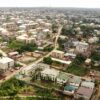
Situated among the rolling hills of Enugu State, Mmaku is a community alive with history, culture, and a warmth that greets every visitor like family. From the laughter of children running through village paths to the vibrant rhythms of traditional festivals, life in the town feels both timeless and immediate. This town, as a part of Awgu Local Government Area carries the stories of generations, each of which contributes to its rich heritage and close-knit community spirit.
Walking through Mmaku, you will notice the harmony between the old and the new. Farmers tending to lush fields, market traders sharing produce and stories, and schools that form the next generation of leaders, all coexist with the deep-rooted traditions of the town. The people take pride in their festivals, their hospitality, and the way the town preserves the essence of Igbo culture.
In this article, we take a deep dive into Mmaku town by exploring its history, festivals, daily life, landmarks, education, and modern developments. You will meet the people, discover the stories, and understand why it is considered a gem in Enugu State.
Whether you are a curious traveller, a researcher, or someone passionate about Nigerian culture, this will bring Mmaku to life in ways that facts alone cannot capture.
History of Mmaku Town
To understand Mmaku, one has to picture a community defined by both geography and the people who made it their home long before the maps were drawn. Located in Awgu Local Government Area of Enugu State, Mmaku is perched among gentle hills and fertile land in southeastern Nigeria. This remarkable setting encouraged early settlers to stay, grow crops, and build community life that thrives to this day.
The name Mmaku itself tells a story. In the English language, it is translated as welcoming or embracing, which is a fitting description for a place known for generous hospitality. Some interpretations also connect the name to the English phrase beauty of wealth, which highlights the value locals place on friendship and prosperity.
Two main historical traditions are often shared by residents when describing how the town began. One of these comes from a well‑known local legend. According to the story, a hunter named Anekemmadu was travelling through an area that offered good hunting and rich soil. He decided to settle there with his wife, Udumeogwee.
It was here that their sons began families of their own, before spreading out to form what are now the communities of Mmaku. In this version, it was Ezianu, one of the sons whose welcoming heart earned the name Mmaku when he welcomed a stranger perceived to be a spirit.
From Ezianu came the ancestors of the major lineages known in the town today. His sons and grandchildren went on to establish the villages that make up the town, including Enugwu Agu (sometimes called Enugu‑Mmaku), Affam, Ifite, Amagu, Otokwu, Okwulofia, and Ezioha. These communities form the heart of what is now recognized as Mmaku town, and they still carry the names of those early ancestors.
Another thread in the history of the town connects it to deeper ancestral traditions across Igboland. Some oral historians link its early families to the broader migrations of people associated with the legendary ancestor Eri whose descendants spread through much of the Igbo region. In this telling, Ezianu and his descendants settled beyond Awka, in the area now part of the Oji‑Awgu road corridor. This helped the community to grow around shared customs and language that have lasted for generations.
These stories are not records from written history books but form a living tradition in Mmaku. They are passed down during gatherings, festivals, and family stories to reinforce the sense of identity among the people. Even as the town has grown and modernized in places, these narratives remain part of how residents describe who they are and where they came from.
Geographically, Mmaku town is connected by major routes – the Oji‑Awgu road which has linked the community to surrounding towns like Ugbo, Obeagu, and Mgbowo for generations. The location helped it to become a meeting place for trade, communication, and shared cultural events among the neighbouring communities in Enugu State.
Today, the legacy of the early beginnings of the town lives on in its warm welcome to visitors, its deep respect for family heritage, and its thriving community life built over centuries of shared history.
Communities and Governance
Mmaku town is a collection of vibrant communities, each with its own character and history. The town is traditionally divided into seven major villages, namely, Enugwu Agu, Affam, Ifite, Amagu, Otokwu, Okwulofia, and Ezioha. These villages together form the backbone of the town.
Governance in Mmaku blends tradition with structure. Each village historically operates under a patriarchal council of elders who are responsible for resolving disputes, guiding family affairs, and preserving the customs passed down through generations. These elders are respected figures in the community, often consulted during important decisions, festivals, and family ceremonies.
At the town level, Mmaku has three autonomous communities, each led by a traditional ruler known as an Igwe. The Igwe serves as both a cultural figurehead and a custodian of the traditions. Supporting the Igwe is a council of chiefs, including the Onowu who is typically the head of the kingmakers. The Onowu plays a vital role in organizing cultural events, advising the Igwe, and maintaining harmony among the villages.
This governance system ensures that each village retains its individual identity while participating in town-wide decisions. During festivals or communal projects, the Igwe and council of chiefs coordinate efforts aimed at bringing together all communities under a shared sense of purpose. For example, market days, farming cooperatives, and cultural events are often planned with input from all seven villages as a reflection of the cooperative spirit that has sustained Mmaku for generations.
Despite the presence of modern government structures through the Awgu Local Government Area, the traditional system remains influential. The combination of formal administration and cultural governance allows the town to address contemporary issues while staying rooted in its history. Residents of Mmaku often describe this blend as a guiding force that preserves social harmony and strengthens the town’s unique identity
In essence, the communities and governance of Mmaku are a testament to its enduring respect for tradition. The leadership structure is not only about authority but also about ensuring that the stories, customs, and values of the town are upheld for future generations.
Festivals and Cultural Traditions

In Mmaku town, culture is not just a memory of the past, it is a living rhythm that shapes daily life. Festivals, ceremonies, and communal gatherings provide windows into the heart of the town where history, spirituality, and community spirit come together. From the laughter of children during celebrations to the solemnity of ancestral rituals, these traditions give residents a sense of identity and continuity.
One of the most prominent cultural practices in Mmaku is the welcoming ceremony for guests, which often begins with the presentation of the kola nut. This simple, yet profound act symbolizes respect, hospitality, and community unity. When the kola nut is shared, the elders offer blessings, stories are recounted, and visitors immediately feel included in the traditions. Following this, guests are often offered Asaja, a traditional bean dish, in alignment with warmth and generosity the town is known for.
In Mmaku town, cultural festivals are woven into everyday community life and serve as important moments of unity, remembrance, and celebration. One of the most distinctive is the Ozuzugbuligbo Festival, a community-centered cultural event that brings together sons and daughters of Mmaku, often around the festive season, to celebrate heritage through music, dance, traditional food, and communal bonding.
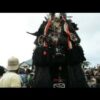
Alongside this, masquerade displays rooted in the wider Igbo Mmanwu tradition, regularly feature during major festive periods such as Christmas and New Year, with different villages showcasing ancestral masquerades that symbolize spiritual presence, discipline, and cultural continuity.
Mmaku also observes the New Yam Festival in line with Igbo harvest traditions of marking gratitude for a successful farming season and honouring the cultural importance of yam cultivation.
In some communities within Mmaku, particularly Agunese Afam, an Ofala festival is held to celebrate the traditional ruler, reaffirm leadership, cultural authority, and community values. Together, these festivals highlight how the town preserves its cultural identity while strengthening social ties across generations.
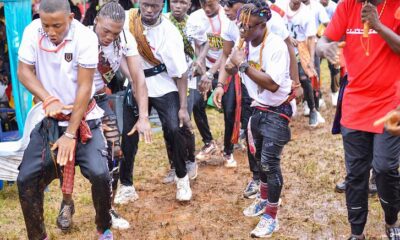
Masquerade traditions are also an important part of the cultural landscape of the town. Young men often participate in preparing and performing masked dances that honour the spirits of ancestors. These masquerades carry moral and social messages and are a form of storytelling that bridges generations. Spectators, including children and elders gather to watch performances, learning lessons about courage, respect, and communal responsibility.
Music and dance accompany most festivals, whether in the form of drumming at weddings, rhythms during market day celebrations, or vibrant performances at seasonal ceremonies. Traditional instruments such as the udu, ogene, and ekwe provide the soundtrack to communal life. These performances are not merely for entertainment, they preserve oral history, honour the ancestors, and maintain social bonds.
Even as Mmaku adapts to modern influences, the people remain committed to maintaining these cultural practices. Festivals are moments the residents reconnect with their roots, express collective pride, and pass traditions to the next generation. Visitors to the town are often struck by how seamlessly history, music, dance, and community life merge to create celebrations that are both joyful and deeply meaningful.
In essence, the festivals and cultural traditions of Mmaku town reveal a community that honours its past while celebrating the present. Each event, whether grand or small is a thread in its living tapestry that connects people, memories, and values in ways that continue to define life in Mmaku.
Daily Life and Economy
Life in Mmaku is a blend of tradition, work, and community connection. The daily rhythm of the town is influenced by the commitment of its people to family, farming, and trade. In the early morning, the sounds of roosters and the laughter of children heading to school mark the start of a day that is both busy and familiar. Farmers walk to their plots to tend yams, cassava, vegetables, and other staple crops, while traders prepare their stalls for the weekly market.
Agriculture forms the backbone of the economy. The fertile soil of Mmaku supports a wide range of crops, and most families rely on subsistence and commercial farming. Cassava and yam are the primary staples while vegetables and spices complement local diets and provide income through trade. Farming in the community is not just a means of survival, it is a way to preserve tradition, teach skills across generations, and support local culture.
A highlight of the economic life of the town is the Afor Market held weekly in the Affam community. Farmers and traders from Mmaku and neighbouring villages gather to sell their goods, exchange news, and share stories. The market is also a social hub where relationships are maintained, and community life thrives. Here, fresh produce, livestock, and handmade items change hands to fuel both the local economy and the cultural cohesion of the town.
In addition to farming and trade, some residents engage in small-scale craftsmanship and construction. Quarrying of laterite and other local stones provides material for building projects, thereby creating supplementary income for families. Artisans also produce traditional crafts, including woven baskets, clay pots, and wooden carvings, which serve functional purposes and preserve cultural artistry.
Daily life in Mmaku balances work with communal participation. Afternoons often bring children home from school to help with chores or assist in the farm. Evenings are times for community interaction where neighbours gather to discuss village matters, celebrate small achievements, or prepare for upcoming festivals. Life in Mmaku reflects a harmony between the demands of daily living and the social bonds that define the town.
Despite modernization and new economic opportunities, the town has retained much of its traditional structure. Farming, markets, and craftsmanship remain central, while community events, religious gatherings, and cultural practices continue to enrich daily life. This balance between work, family, and tradition makes Mmaku a unique example of an Igbo community where economy and culture are deeply intertwined.
Landmarks and Tourist Attractions

Mmaku is not only a place of rich culture and history, it is also a community surrounded by natural beauty and meaningful landmarks. Visitors to the town are often drawn to its peaceful environment, scenic hills, and cultural sites that tell the story of the town and its people.
One of its natural highlights is the Mmamu River which originates within the area and flows gently through nearby communities. The river is essential for farming and daily life as it provides water for irrigation and other domestic needs. It also holds cultural significance, as many local rituals and traditional practices are historically tied to rivers and streams.
The hills surrounding Mmaku add to its scenic charm and have become symbolic landmarks for the town. Walking through these hills, you encounter the quiet rhythm of rural life, interspersed with lush farmland and small forested patches. The terrain provides a natural backdrop for festivals, outdoor gatherings, and community activities that celebrate its traditions.
In terms of built landmarks, Mmaku hosts several important religious and educational institutions. Churches such as St. Philips Anglican Church and St. Theresa Catholic Church serve as spiritual centres and hubs for community activities. Schools, including Mmaku High School and various primary schools are also landmarks in their own right that form generations of learners and fostering local development.
For visitors and residents alike, the weekly Afor Market in Affam village is both a functional and cultural landmark. It is a lively space where commerce meets social life, where traders sell fresh produce, livestock, and crafts, and where community ties are reinforced. Experiencing the market offers a window into the rhythm of daily life in Mmaku and an opportunity to engage with the people.
Although Mmaku is primarily a rural town, these natural and social landmarks reflect the character and history of the community. The combination of rivers, hills, schools, churches, and markets forms a living map of its heritage and makes it a meaningful destination for those seeking to explore the culture and traditions of Enugu State.
In essence, the landmarks and tourist attractions in Mmaku town are not only points of interest but also symbols of its identity which blending history, nature, and community life into a cohesive cultural experience.
Education and Social Institutions
Education has long been a cornerstone of life in Mmaku town that shape both individuals and the community as a whole. The schools are spaces where knowledge, values, and local traditions intersect. From early childhood to secondary education, the residents prioritize learning as a pathway to personal growth and communal development.
For young children, nursery and primary schools like St. Theresa Nursery and Primary School and Community Primary School provide the foundation for literacy, numeracy, and social skills. These schools not only teach standard curricula but also introduce children to the values of respect, cooperation, and cultural pride that are central to life in Mmaku. Teachers often integrate local stories and traditions into lessons to help the children connect education to their community.
At the secondary level, institutions such as Mmaku High School (formerly known as Boys’ High School) and other community secondary schools play a vital role in forming the youth. Here, students engage in more advanced subjects, develop critical thinking skills, and participate in extracurricular activities that foster teamwork, leadership, and creativity. Many graduates go on to pursue higher education or careers that allow them to contribute back to the town and the wider region.
Social institutions in Mmaku extend beyond formal education. Religious centres, including St. Philips Anglican Church and St. Theresa Catholic Church serve as pillars of community life. They offer spaces for worship, mentorship, community support, and charitable activities. These institutions often organize literacy programmes, youth engagement initiatives, and community development projects that complement the educational framework of the town.
Community gatherings, cultural festivals, and market interactions also function as informal educational spaces. Here, young people learn about traditions, ethics, local governance, and social responsibilities through observation and participation. As such, education in Mmaku is holistic, as it extends beyond the classrooms to include the lessons of everyday life.
Together, the schools and social institutions of Mmaku ensure that learning, personal development, and cultural continuity are interwoven. They provide the tools and guidance necessary for the youth to grow into informed, responsible, and engaged members of the community while staying connected to their heritage.
Modern Developments and Infrastructure
While Mmaku is deeply rooted in tradition, it has steadily embraced modern developments that support daily life, economic growth, and social progress. Roads, community projects, and basic infrastructure have gradually improved, thus linking the town more closely with neighbouring areas and the broader Enugu State. These changes have enhanced accessibility, commerce, and quality of life for residents while maintaining the town’s cultural identity.
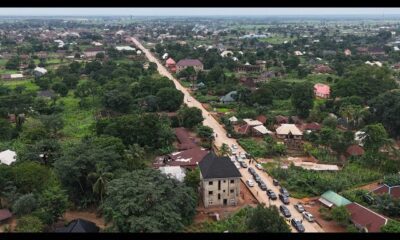
One of the most important infrastructural developments in Mmaku is the Oji-Awgu road which runs through the town and connects it to other communities in Awgu Local Government Area. This road supports the transportation of farm produce to markets, facilitates movement for students and workers, and allows visitors to explore the cultural and natural attractions in the town. Improved road networks have also made it easier to access health services, government offices, and neighbouring urban centres.
Electricity and water supply have gradually expanded to support homes, schools, and small businesses. While challenges remain, ongoing projects aim to increase the availability of these essential services which enable the residents to engage in both traditional and modern livelihoods more effectively.
Community centres, schools, and religious institutions serve as hubs for development initiatives. For example, schools have benefited from improvements in classrooms, libraries, and learning materials, thereby creating more conducive environments for students. Religious and social organizations often sponsor local projects such as health outreaches, sanitation campaigns, and youth programmes which strengthen the social fabric of the town.
Markets like the Afor Market in Affam village have also seen subtle modernization, with more organized stalls and better access to transportation which allow traders to sell fresh produce, livestock, and crafts more efficiently. These improvements support both the local economy and the continuation of cultural commerce that has sustained Mmaku for generations.
Despite these developments, Mmaku remains a town where tradition and modernity coexist. Farmers still work the fields as their ancestors did, community festivals continue to mark the calendar, and the elders guide village affairs. Yet, roads, schools, markets, and utilities now provide tools for progress which help the town to navigate the challenges of the 21st century while still honouring its heritage.
Essentially, the modern developments and infrastructure in Mmaku town enhance the daily lives of its residents, support economic activity, and provide opportunities for growth, all without compromising its cultural and historical identity.
Notable People of Mmaku Town
Mmaku town is not only rich in culture and history but has also produced individuals who have left remarkable marks in literature, music, entertainment, and community leadership. These notable people highlight its contribution to Nigeria’s broader cultural and social landscape.
One of the most celebrated figures from Mmaku is Tony Ubesie, a trailblazer in Igbo literature. He was a novelist, poet, playwright, broadcaster, educator, and theatre director whose work from the 1970s to the early 1990s helped to shape early modern Igbo literature. Ubesie’s stories and plays captured the essence of Igbo life by blending language, tradition, and contemporary social issues. His legacy continues to inspire writers and cultural enthusiasts across Nigeria.
Patty Obasi, born Patrick Obasi in Mmaku became one of Nigeria’s pioneering gospel music artists. Rising to fame in the 1980s with hits like Nwa Mama Iwota, he introduced a distinctive style that merged traditional Igbo rhythms with spiritual music. His songs not only entertained but also uplifted communities and earned him a permanent place in the history of Nigerian gospel music.
In the world of entertainment, John Chukwu, though born outside Enugu traces his Igbo heritage to Mmaku. He became a household name as an actor, comedian, and master of ceremonies in the 1970s and 1980s. Chukwu helped to pioneer stand-up comedy in Nigeria by bringing laughter and cultural storytelling to stages and film audiences nationwide.
Musically, Omoo Mmaku whose real name is Chukwudi Edeh represents its contemporary musical identity. Hailing from Eziama in Agunese Mmaku village, he fuses highlife and traditional Igbo sounds to create music that resonates with both locals and the wider Nigerian audience. His work showcases how Mmaku continues to influence modern culture while staying rooted in tradition.
Beyond arts and entertainment, Chief Emmanuel Okeke, also known as Ezesinachi stands out for his philanthropy and community leadership. He has funded education initiatives, supported youth programmes, and contributed to healthcare and infrastructure development in Mmaku. His dedication demonstrates the commitment of the town to nurturing future generations while preserving cultural values.
Mmaku also celebrates figures who engage with the town culturally and nationally. Femi Adesina, the Special Adviser to the former President on Media and Publicity was honoured with the title “Nwanne Di Na Mba” (a brother in another land) during a Grand Ofala festival in Mmaku. This recognition reflects the cultural pride of the town and its openness in acknowledging individuals who positively influence the community, even if they are not natives.
Together, these individuals illustrate the spirit of Mmaku town ad a place where talent, leadership, and creativity thrive. From literature and music to community service and cultural recognition, the town has contributed people whose work continues to inspire and influence both locally and nationally.
In Conclusion …
Mmaku town is more than a place on the map of Enugu State. It is a living story where history, culture, daily life, and modern progress intertwine. From its origins with early settlers like Ezianu to the thriving communities that define the town today, Mmaku reflects the resilience, warmth, and creativity of its people.
Walking through Mmaku, you encounter a town where tradition and modernity coexist. Festivals, masquerades, and cultural ceremonies honour ancestors and sustain community identity, while schools, markets, and roads ensure the town grows with the times. Rivers, hills, and vibrant marketplaces create spaces where daily life, commerce, and social connections thrive side by side.
Its notable individuals, from pioneers in literature like Tony Ubesie, to gospel icons like Patty Obasi, and community leaders like Chief Emmanuel Okeke highlight the influence of Mmaku far beyond its borders. Their achievements, alongside its educational and social institutions show a community committed to nurturing talent, preserving heritage, and building for the future.
For anyone seeking to understand the Igbo culture, rural life, or the spirit of Enugu State, Mmaku town offers a unique window. It is a place where every hill, river, festival, and marketplace tells a story, and where the people continue to shape a legacy that bridges generations. Visiting or learning about the community is not just about seeing the town, but about experiencing a community that embraces its past, celebrates the present, and looks forward to the future.
Mmaku town is, in every sense, a living testament to the richness of Nigerian heritage and the enduring strength of local culture.
References
- https://en.wikipedia.org/wiki/Mmaku
- https://www.emmason247.com.ng/blog/history-origin-culture-and-tradition-of-mmaku-town-in-enugu-state-/WeVCZIbWe
- https://gburugburuusa.wixsite.com/campaign/history-of-enugu-state
- https://outravelandtour.com/things-to-know-about-mmaku/
- https://en.wikipedia.org/wiki/Mmamu_River
- https://www.herald.ng/femi-adesina-bags-chieftaincy-title/
- https://nnewicity.com/awgu-in-enugu-state-history-communities-culture/