



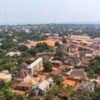


History and heritage
Oba, Anambra State: History, Culture and Notable Facts

Oba, a growing town in Anambra State, Nigeria with a rich history, nine villages, evolving market and transport links, and a mix of tradition and modern development.

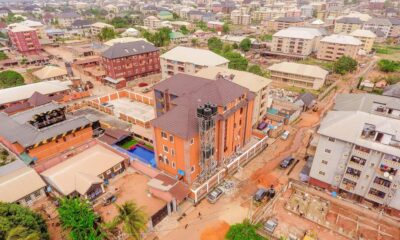
Oba is one of the most talked about towns in Anambra State because of its unique mix of history, culture, and rapid modern growth. Located in Idemili South and sitting close to both Onitsha and Nnewi, Oba has become a busy gateway for travellers, traders, workers, and families who move daily between the State’s biggest commercial areas.
The town is made up of nine villages, each with its own identity and traditions, yet all working together as one community. What makes Oba stand out is the way it blends the old and the new.
The town still holds on to its strong Igbo cultural roots, traditional leadership, and village structures. But it is also experiencing steady development driven by trade, hospitality, new businesses, and strategic road networks.
From its historical background to its growing markets, springs, churches, schools, and community life, Oba represents a community that is proud of where itself and excited about what it is becoming.
Historical Background of Oba
The history of Oba town in Anambra State traces back to Oba Ezechidebelu Okehi, the founding ancestor from whom the town descended. Oba Okehi is believed to have had eighteen sons, divided into two groups of nine, each of whom became the progenitor of the nine villages that make up modern Oba. These villages maintain their unique identities while forming the cohesive community that defines the town today.
Beyond Oba Okehi’s lineage, little is documented about his life. However, two prevailing legends surround his origin. One story suggests that a giant bird gave birth to Oba Okehi while another claims that the giant bird brought him to the current settlement without known parental lineage. These stories reflect the rich oral traditions of Oba and illustrate the town’s cultural emphasis on ancestry and heritage.
Oba has also long been renowned for its palm wine production which has become a defining feature of the town’s cultural and economic life. There are two major types of palm wine produced in Oba, namely, Nkwu, harvested from inland palm trees, and Ngwo, obtained from palms in wetland areas. Known across Nigeria as Ife-di-n’Oba, these wines have contributed to the town’s reputation and continue to play a role in festivals, celebrations, and local commerce.
The combination of ancestral heritage, traditional customs, and unique local products such as palm wine underscores its identity as a town deeply rooted in Igbo culture while maintaining a distinct presence in southeastern Nigeria.
In modern times, the leadership of the town has been structured under traditional rulership. One known traditional ruler was Igwe Peter Chukwuma Ezenwa, the Eze Okpoko I of Oba. His reign is part of the town’s record of leadership in recent decades.
Because of its location, Oba has gradually benefited from trade and transport linkages between nearby commercial and industrial hubs. As road networks expanded across southeastern Nigeria, Oba moved from being a quiet settlement into a town increasingly connected to larger economic and social dynamics.
Its growth reflects both its traditional roots in village identities and its evolving role as a town bridging rural heritage and urbanizing trends.
Geography and Location
Oba is situated in the Idemili South Local Government Area of Anambra State, in southeastern Nigeria and positioned along the old Onitsha–Owerri road, a major transport route connecting the town to Onitsha, approximately seven kilometres to the north, and Nnewi, to the south.
This strategic location places Oba within one of the most economically active corridors in Anambra State.
The town is made up of nine villages which are spread across gently undulating terrain with natural drainage features, small streams, and springs that serve local water needs. Oba is bordered by several towns, including Oraukwu, Nnokwa, and parts of the greater Onitsha area, giving it access to both commercial hubs and industrial centres.
Its location makes it a key junction for road transport and trade in southeastern Nigeria. Its accessibility has facilitated the growth of markets, hospitality services, and small-scale industries, linking the town’s local economy with regional trade networks.
Community Structure and Villages
Oba is traditionally organized into nine villages with each functioning as a distinct social and administrative unit within the town. The villages are Abime, Aborji, Ezelle, Isu, Ogbenwe, Ogwugwu, Okuzu, Umuogali, and Urueze. Each village is composed of multiple family lineages which form the foundation of social organization, decision-making, and communal activities.
The town operates under a traditional leadership system headed by the Igwe who is assisted by village heads, elders, and the town union. The Igwe and the council of elders oversee matters of custom, community welfare, dispute resolution, and the coordination of festivals and other cultural events.
In addition to the traditional structures, Oba has a town union that plays a central role in modern governance and community development. This union works with village leaders to manage projects, coordinate education and health initiatives, and liaise with local government authorities.
The combination of traditional village structures and organized community institutions has helped Oba to maintain social cohesion while supporting growth and modernization.
Culture and Traditional Life
Oba is a town deeply rooted in Igbo cultural heritage, and its traditional life continues to influence the community alongside modern developments. The cultural practices in the town reflect a strong sense of identity and community cohesion, with both village-level customs and town-wide ceremonies playing significant roles in daily life.
Festivals and Ceremonies
Oba observes traditional Igbo festivals and local ceremonies that celebrate important events such as harvests, the new yam festival, and ancestral commemorations. While many residents are now Christians, these festivals often incorporate both traditional rites and modern religious elements. Cultural performances, including masquerade dances, music, and storytelling remain an integral part of festivals and communal gatherings. These events not only entertain but also preserve oral history, moral values, and communal ethics.
Marriage and Family Customs
Marriage in Oba follows Igbo customary practices where families and village elders play central roles in negotiations, bride price, and ceremonial rites. Weddings are celebrated with extended family, neighbours, and community members, often including traditional music, dance, and feasting. Naming ceremonies for children are similarly observed as a blend of traditional customs with Christian prayers in many families.
Role of Traditional Leadership
The Igwe and the council of elders oversee cultural and social matters, including the enforcement of customs, dispute resolution, and the organization of festivals. Village heads support the Igwe by coordinating family and village-level participation in communal projects and celebrations. Traditional leaders also act as custodians of community values, ensuring that cultural norms are respected even as the town undergoes modernization.
Social Practices
Community solidarity is highly valued in Oba. Villagers actively participate in town meetings, market days, and collective projects such as community clean-ups and construction of public facilities. Respect for elders, adherence to village customs, and involvement in communal decision-making are central aspects of Oba traditional social life.
Religion and Spirituality
While Christianity is widely practiced, traditional spiritual beliefs continue to shape cultural identity. Certain rituals connected to agriculture, water sources, and ancestral veneration are still observed, particularly in rural parts of the town. These practices coexist with modern religious institutions, creating a blend of traditional and contemporary life.
Arts and Entertainment
Music, dance, and oral storytelling are essential in preserving the culture of Oba. Traditional drums, flutes, and other instruments are used during festivals, weddings, and other communal activities. Local craftsmen and women also contribute to cultural expression through weaving, pottery, and carving. This reflects the rich artistic heritage of the town.
The culture of Oba is, therefore. a vibrant mix of tradition and modernity where ancestral customs, communal values, and social cohesion continue to guide daily life even as the town experiences rapid urbanization and economic growth.
Economy and Sources of Livelihood
The economy of Oba is a combination of traditional activities and modern trade influenced largely by its strategic location between the commercial hub of Onitsha and the industrial city of Nnewi. This positioning has made the town an active participant in regional commerce and small-scale industry.
Trade and Markets
Many residents of Oba are engaged in trading and retail business both within the town and in neighbouring commercial centres. Its proximity to Onitsha Market, one of the largest in West Africa allows residents to participate in wholesale and retail commerce. Small local markets in Oba cater to daily needs and provide income opportunities for traders, artisans, and farmers.
Agriculture
Historically, agriculture has been a significant source of livelihood in Oba. Residents cultivate crops such as yam, cassava, maize, vegetables, and cocoyam, primarily for local consumption. Small-scale poultry, livestock rearing, and fishing in nearby streams also contribute to household income, especially in the surrounding villages of the town.
Small-Scale Enterprises
Oba has seen growth in small-scale businesses, including carpentry, tailoring, food vending, hairdressing, and auto repair. These enterprises often serve both local residents and travellers along the busy Onitsha–Owerri road. Local artisans also produce crafts, traditional clothing, and other cultural items that help to sustain heritage while generating income.
Real Estate and Construction
The expanding population and urbanization of Oba have spurred a real estate and construction sector. Land sales, property development, and building construction provide employment opportunities and investment potential. Residential and commercial properties are increasingly sought after due to its location and accessibility to major neighbouring cities.
Large-Scale Projects
A notable development is the Anambra International Trade Centre, a major market and commercial project planned for Oba. When completed, the centre is expected to host thousands of lock-up shops, modern facilities, and amenities that will significantly boost local trade and create employment opportunities. This project highlights the potential of Oba to become a major regional trade hub.
Other Sources of Income
Residents are also employed in transport services, hospitality, and public service, including jobs in local schools, churches, and government offices. The location of Oba on a busy transit route facilitates entrepreneurship in transport, logistics, and roadside commerce.
The economy of Oba reflects a blend of traditional livelihoods and modern business activities which makes it a town with diverse income sources and growth potential. The combination of farming, trade, small-scale enterprises, and strategic investment projects positions Oba as a key economic node within the Idemili South Local Government Area and southeastern Nigeria.
Education and Social Life

Grundtvig International Secondary School
Oba places a high value on education. This reflects the broader emphasis on learning in Anambra State which consistently ranks among Nigeria’s most educationally developed States. The town is home to several primary and secondary schools, both public and private that serve local children and those from neighbouring communities.
Notable schools in and around the town include Community Secondary School Oba, St. Thomas Secondary School and Grundtvig International Secondary School which provide foundational education and contribute to high literacy levels in the town. Additionally, higher education institutions such as Tansian University located in Oba influence educational opportunities and social engagement in the town.
Social life in Oba is closely tied to community structures, religious organizations, and local associations. Churches and other religious institutions play a central role, not only in spiritual life but also in education, charity, and youth programmes. The town hosts a range of youth groups, women’s associations, and cultural clubs which organize festivals, community clean-ups, and development initiatives.
The town union is a key pillar of social life as it coordinates projects such as road repairs, health outreach, educational support, and social welfare programmes. It works in collaboration with village elders and community leaders to maintain harmony and encourage civic participation.
Market days and festivals also serve as social gatherings, fostering community bonds and cultural continuity. These events provide opportunities for residents to interact, celebrate, and strengthen communal ties. This highlights the integration of education, culture, and social cohesion in Oba.
Overall, education and social life in Oba are interwoven, with schools, religious institutions, and community organizations collectively supporting its development and reinforcing its cultural identity.
Infrastructure and Development
Roads and transport, especially the old Owerri-Onitsha road are central to the growth of Oba. The road links make it easy for traders to move goods to and from Onitsha and Nnewi. Over the last decade, there have been investments in roads and infrastructure in the greater Idemili South area, though some local projects face delays or land issues.
An important recurring topic in the news and public records has been the land originally acquired for airport. Government sources and news reporting show that the State government initially set aside land for an airport at Oba. Over the years, the plan changed and the airport project was moved to Umueri.
The former Oba airport land later became the subject of land disputes and allocations to developers. Authorities have at times intervened to recover or protect government allocated land. These developments have been part of wider debates about planning, land allocation, and development in the area.
Local infrastructure projects include market construction, hotel development, water sources and springs, and improvements in electricity and mobile connectivity as the town becomes more urban. Anambra State government and local stakeholders have been involved in some of these projects and in land recovery actions, where illegal building activity affected public land.
Notable People from Oba
Oba has produced individuals who have made significant contributions in business, leadership, and community development and have highlighted the influence of Oba beyond its geographical boundaries.
Dr. Obinna Iyiegbu (Obi Cubana)
Dr. Obinna Iyiegbu, popularly known as Obi Cubana is a renowned entrepreneur, businessman, and philanthropist. He is the founder of the Cubana Group, a chain of luxury hospitality and entertainment businesses across Nigeria. Obi Cubana is widely recognized for his innovative business model, commitment to community development, and influence in Nigeria’s hospitality and nightlife industries. His success story has inspired many young people from Oba and other parts of Anambra State to pursue entrepreneurship.
Igwe Peter Chukwuma Ezenwa (Eze Okpoko I of Oba)
Igwe Peter Chukwuma Ezenwa is a respected traditional ruler of Oba. As the Igwe of the town, he plays a crucial role in preserving the cultural heritage, enforcing customary laws, and promoting community development. His leadership has helped to maintain social cohesion among the nine villages of Oba and fostered initiatives in education, infrastructure, and local governance.
These notable figures reflect the diverse talents and leadership emerging from Oba.
Notable Landmarks and Places of Interest in Oba

Igwe’s Palace
Oba has a number of community landmarks and places that local people and visitors know. Among them:
Igwe’s Palace
The Igwe’s palace which is home to Igwe Peter Chukwuma Ezenwa (Eze Okpoko I of Oba) is one of the most important cultural and social landmarks in Oba. The palace serves as the official residence of the town’s traditional ruler and is the centre of customary governance, community meetings, and cultural events. It is where key decisions affecting the nine villages of Oba are made and where traditional ceremonies and festivals are often celebrated.
The palace also plays a ceremonial role during festivals, weddings, and communal events. For visitors and residents alike, the Igwe’s palace is a symbol of unity, leadership, and continuity of the town’s customs and traditions.
Rojenny Holiday Village
Rojenny Holiday Village is a popular recreational and hospitality landmark in Oba. It offers accommodation, event hosting, and leisure facilities for residents and visitors. The village is especially known for hosting social events, celebrations, and gatherings. It contributes to the growing reputation of the town as a centre for tourism and leisure in Anambra State.
Other Notable Landmarks
Airport Land: A parcel of land once allocated for the Oba Airport remains notable due to its history, disputes over allocation, and future development potential.
Emerging Trade and Market Clusters: Proposed projects such as the Anambra International Trade Centre and growing residential-commercial zones mark Oba as a developing economic hub.
Afor Oba market area, a local centre for trade and social life.
Ogba Spring and local water features which are known in the local narrative about the town.
Hotels and banks that serve passing traders and residents.
Nearby, the broader region’s hubs such as Onitsha and Nnewi offer major attractions for shopping, industry visits, and commerce. When the planned Anambra International Trade Centre in Oba is completed, it is expected to become a major landmark because of its scale and facilities, as reported in public sources.
Challenges and Future Prospects
Oba faces several challenges that impact its development, infrastructure, and social cohesion. One of the most significant issues is land disputes and allocation controversies. A notable example is the parcel of land initially earmarked for the Airport which became the subject of legal disputes over ownership and allocation. Such disputes can slow down planned infrastructure projects and affect investor confidence.
Another challenge is rapid urbanization without corresponding urban planning. While the proximity of the town to Onitsha and Nnewi has encouraged trade and business growth, it has also led to traffic congestion, pressure on basic amenities, and occasional environmental strain. Inadequate drainage systems and poor road maintenance in certain areas contribute to flooding and transport difficulties during the rainy season.
Access to modern healthcare facilities and educational infrastructure, while improving, still lags behind the pace of population growth. Residents, sometimes, travel to Onitsha, Nnewi, or Awka for specialized medical care or higher educational opportunities. This highlights the need for expanded local facilities.
Despite these challenges, the town has strong potential for economic and social development. Its strategic location along the Onitsha–Owerri corridor makes it ideal for trade, transport, and industrial activities. Proposed projects such as the Anambra International Trade Centre have the potential to create thousands of jobs and strengthen its position as a regional commercial hub.
The town also has opportunities to leverage its cultural heritage and traditional leadership to promote community cohesion and sustainable development. The Igwe and council of elders, together with the town union play critical roles in coordinating development projects, resolving disputes, and ensuring participation of local stakeholders.
Furthermore, growing residential and commercial development offers prospects for real estate investment, small and medium enterprises, and improved local services. Improved infrastructure, particularly in road networks, drainage, and utilities can enhance the quality of life and attract more investors to the area.
With careful planning, community engagement, and strategic investment, Oba is positioned to balance its rich cultural heritage with modernization, thus transforming challenges into opportunities for sustainable growth and prosperity.
In Conclusion …
Oba is a town where tradition is embracing progress, a community rooted in rich Igbo culture while steadily adapting to modernization. From its nine villages and strong community structures to its vibrant festivals, markets, and emerging trade hubs, the town reflects the resilience, entrepreneurship, and unity of its people.
Despite challenges like land disputes, urbanization pressures, and infrastructure needs, its strategic location, active town union, and visionary leadership provide a strong foundation for growth. Projects like the proposed Anambra International Trade Centre and ongoing commercial and residential developments signal a promising future for the town as both a cultural and economic hub in southeastern Nigeria.
By preserving its cultural heritage, leveraging its strategic position, and fostering community-driven development, Oba stands out as a town with deep roots, growing opportunities, and a bright future for its residents and visitors alike.
References
- https://en.wikipedia.org/wiki/Oba%2C_Anambra
- https://idemilisouthlga.com/oba-community/
- https://www.emmason247.com.ng/blog/history-origin-culture-and-traditions-of-oba-town-in-anambra-state/CVVZRIReV
- https://idennia.blogspot.com/2018/11/all-about-oba-history.html
- https://www.nairaland.com/2947634/politics-village-town-development-anambra
- https://www.vanguardngr.com/2017/03/anambra-govt-denies-selling-land-meant-oba-airport/
- https://www.nigeriainfo.fm/news/homepagelagos/anambra-state-begins-land-recovery-at-site-of-oba-airport/
You might want to check this out …