



History and heritage
Mgbidi, Imo State: History, Culture, Traditions and Key Facts

Mgbidi is a historic town in Imo State, Nigeria. Discover its history, villages, culture, Ikwe-ezi rites, economy, landmarks and other key facts.
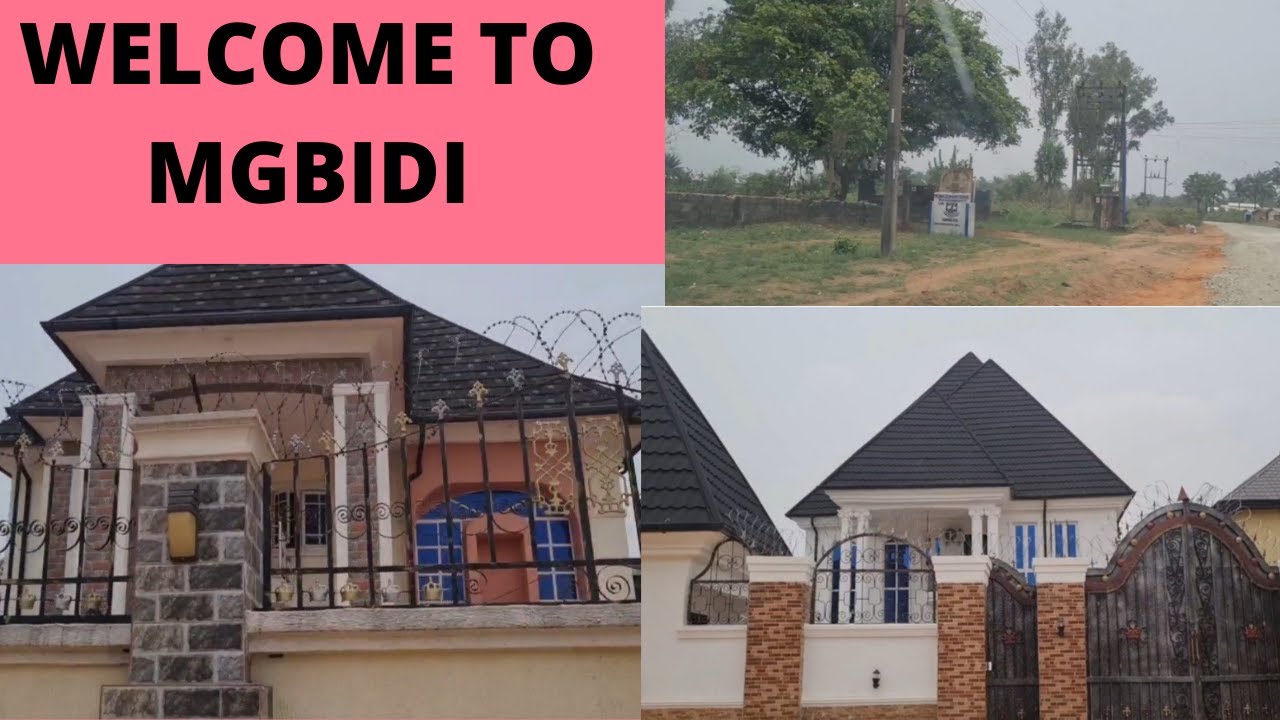
Mgbidi is a vibrant town in Imo State, Nigeria known for its rich history, unique culture, and strong community traditions. As the headquarters of Oru West Local Government Area, Mgbidi is an administrative hub and a centre where centuries-old customs merge with modern development.
Situated in the northern part of Imo State, the town is home to eleven villages, each with its own identity and heritage. From the winding course of the Awbana River to the colourful celebrations of traditional festivals like the Ikwezi Mgbidi rites, the town offers a fascinating glimpse into Igbo history and community life.
Mgbidi has long been recognized for its role in local governance, agriculture, and trade, and it continues to grow as both a cultural and economic hub in the region.
This article provides a comprehensive, fact-checked guide to the town, covering its history, villages, culture, traditions, economy, landmarks, and social life.
Whether you are researching Imo State towns, planning a visit, or simply curious about Nigerian local history, this gives you all the key facts about Mgbidi together in one place.
Historical Background of Mgbidi
Mgbidi is one of the oldest towns in Imo State, and its history reflects the broader story of migrations, settlement, and administrative changes in the region. Its roots are tied to ancestral migration and clan heritage within the Igbo-speaking communities of southeastern Nigeria.
According to local oral history and documented tradition, Mgbidi and several other neighbouring towns belong to a larger clan known as the Oru clan. Tradition traces the ancestry of Oru clan towns, including Mgbidi back to a common ancestral mother named Oma and her husband Nnam Okara.
Oma and Okara originally lived somewhere on the bank of the River Niger. Later, their descendants migrated to an area now called Okija, in present‑day Ihiala Local Government Area, Anambra State. From Okija, they moved to a place called Ibi, also known as Ibiasoegbe before finally settling in what is now Mgbidi.
After arriving at Ibi, the community instituted a kinship festival called Ara Nne Oma. This festival served as a ritual of unity for the descendants of Oma. Over time, as the community grew and relocated to Mgbidi, the festival’s name evolved in local usage to Aranumu.
Modern formal changes came much later. Until 1996, the town served as the headquarters of the larger Oru Local Government Area. In 1996, during the local government reorganization under the government of Sani Abacha, Oru LGA was split into two: Oru West Local Government Area and Oru East Local Government Area. Mgbidi became the designated headquarters of Oru West LGA.
As the LGA headquarters, its administrative role has shaped its modern identity. It anchors political administration, public service, and local governance for the set of towns and villages under Oru West.
Over generations, the town has preserved its ancestral memory and traditions, even as it embraced administrative and social changes. Its story of migration from ancestral lands, communal rituals, and later formal recognition reflects the layered history common to many Igbo towns. Rooted in clan lineage, enriched by tradition, and shaped by modern Nigeria’s local government structures.
Geographic Location and Landscape

Mgbidi’s approximate geographic coordinates are 5.37° N (5°‑43′‑48″ N) and 6.57° E. The town lies in the far north of Imo State, making it one of the State’s northernmost towns. It is bounded by different neighbouring communities and regions.
To the north by areas such as Ibi‑Asoegbe and Aji; to the east by communities like Amiri and Otulu; to the west by Ozara; and to the south by parts of the hinterlands of Oguta LGA and Awo‑Omamma. Because of its northern location, Mgbidi shares boundaries, not just with other parts of Imo State but also near border areas adjacent to neighbouring States in some directions.
The terrain around Mgbidi is relatively low-lying and gently undulating. Some geographic data sources list its elevation around 72 metres (236 feet) above sea level. This kind of terrain fits the broader landscape of northern Imo where the land gradually transitions from the upland humps of southeastern Nigeria toward lower grounds that link with river valleys and drainage systems.
A very important feature of Mgbidi’s geography is its connection to the water system of the region. The town is the source area for the Awbana River. The Awbana River rises around Mgbidi and flows from there toward larger water bodies.
From Mgbidi, Awbana River drains into Oguta Lake. Oguta Lake is the largest natural lake in Imo State and one of the major freshwater lakes in southeastern Nigeria. Because of this hydrological linkage, the town is tied to important ecosystems that support fishing, water supply, small‑scale transport and local agriculture downstream.
Mgbidi lies within the broader ecological zone typical of much of Imo State and transitioning between rainforest and forest‑savanna belts typical of southeastern Nigeria. This situation means that the area historically supported lush vegetation. Local land use often includes cultivation of staple crops like yam, cassava, vegetables, and in older times, forest produce.
Because of its position in northern Imo and relative proximity to neighbouring States and towns, the community serves as a kind of local transit and junction point. Roads connecting Mgbidi link it to nearby towns in Imo and to communities outside the State. This makes it accessible for trade, travel and as administrative hub for Oru West Local Government Area.
This geographic and landscape context helps to explain why this historic town occupies an important place in Imo State’s structure. It is at once a passage town linking zones, a root for river systems that feed larger water bodies, and part of a fertile, agrarian environment that supports local livelihood.
Administrative and Political Structure
Oru West Local Government Area (LGA) serves as the formal local government authority for the region.
As the LGA headquarters, Mgbidi hosts the council secretariat and the offices of elected officials who oversee public administration, local policies and community development for all towns and villages under Oru West.
The local government structure in Oru West and similar LGAs in Nigeria normally includes a council headed by a chairman often called the Executive Chairman, along with councillors representing wards. This council is responsible for delivering basic services, maintaining infrastructure, and acting as the first tier of democratic governance under state and federal authorities.
Because Mgbidi is the seat of the local government, it plays a key role in governance. Public programmes, social services like healthcare and education, local infrastructure management, and other administrative duties are coordinated from there.
In everyday life, political and administrative decisions on issues such as road maintenance, public health, local markets, and community welfare are taken or implemented through the LGA offices in Mgbidi, making the town the centre of local government for the area.
Villages and Autonomous Communities
Mgbidi is made up of eleven villages which together form the town. These villages are Imeoha, Eziali, Umuekwe, Okwudor, Umuorji, Umuokpara, Umuehi (or Umueshi), Umuabiahu, Uzinaumu, Ihitte, and Ugbele.
For local administration and traditional governance, these villages are often grouped into autonomous communities. Each autonomous community has recognized leadership, often headed by a traditional ruler or a community chairman who works with local elders to manage customary and civic affairs.
The village and community structure remains important in daily life. Land ownership, family lineage, dispute resolution, and cultural activities like festivals and naming ceremonies are organized according to village or community lines. This system helps to maintain order and preserves the heritage and identity of each part of the town.
The autonomous communities also play a role in coordinating development projects and liaising with the local government in Mgbidi to reinforce its role as both a traditional and administrative centre.
Culture, Traditions and Festivals

Ikwezi ceremony
Mgbidi is a town with a rich cultural heritage that reflects the broader Igbo traditions. Its people maintain a strong connection to ancestral practices, festivals, and rites of passage that have been passed down through generations.
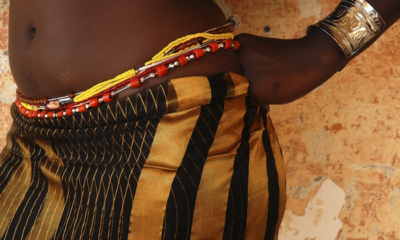
One of the most notable cultural practices in Mgbidi is the Ikwe-ezi ceremony. Historically, this was a rite of passage for girls entering womanhood. The ceremony involved family and community gatherings, moral instruction, and traditional rituals that celebrated purity and readiness for adult responsibilities. Over time, the practice has evolved to align with modern social and religious values. It remains an important part of Mgbidi’s cultural identity.
Apart from Ikwe-ezi, Mgbidi, residents observe various community festivals and traditional celebrations. Market days, naming ceremonies, weddings, and annual harvest celebrations are occasions for music, dance, and masquerade performances that reflect its communal spirit. These events serve as opportunities for social cohesion, intergenerational learning, and reinforcement of local customs.
Traditional music, drumming, and storytelling are also integral to Mgbidi culture. Elders play a key role in passing down proverbs, folk tales, and local history, ensuring that younger generations understand and appreciate their heritage. Religious institutions, particularly churches coexist with these traditions, thus creating a blend of spiritual and cultural life that is unique to to the town.
Overall, the culture, traditions, and festivals of Mgbidi highlight its strong sense of community, respect for ancestry, and ability to adapt traditional practices within a modern context.
Economy and Sources of Livelihood
Like most Igbo communities, the economy of Mgbidi is primarily agrarian with farming forming the backbone of most households. Residents cultivate staple crops such as yam, cassava, maize, and vegetables which are used for both subsistence and trade. The fertile soil and favourable climate of northern Imo State support a variety of crops, and farming remains a central part of daily life in Mgbidi.
In addition to crop farming, small-scale fishing is practiced along the Awbana River which flows from Mgbidi toward Oguta Lake. This provides a supplementary source of food and income for some families.
Trading and commerce are also important. Mgbidi hosts local markets where agricultural produce, household goods, and craft items are bought and sold. These markets serve as social and economic hubs that draw traders and buyers from neighbouring towns and villages.
Because Mgbidi is the headquarters of Oru West Local Government Area, employment in public administration contributes significantly to the town’s economy. Jobs in government offices, schools, health centres, and other public institutions provide stable income for many residents.
Additionally, small businesses and informal services such as transportation, tailoring, and petty trading support the local economy. The combination of agriculture, trade, and public service employment makes Mgbidi economically diverse for a town of its size.
Essentially, the economy of Mgbidi reflects a blend of traditional livelihoods and modern administrative roles, highlighting its adaptability and role as both a rural and semi-urban centre in Imo State.
Landmarks and Notable Places
Mgbidi is home to several landmarks and notable places that reflect its cultural, administrative, and social significance. As the headquarters of Oru West Local Government Area, the town hosts the LGA secretariat and council offices which serve as the administrative hub for the surrounding communities. These buildings are central to governance, public services, and community coordination.
Religious institutions are also prominent in the town. Numerous churches and mission facilities provide places of worship, education, and social services. They play an important role in community life, organizing events, supporting schools, and assisting in health initiatives.
The Awbana River is a key natural landmark. Rising in Mgbidi, the river flows toward Oguta Lake and supports small-scale fishing, irrigation, and local transportation. It is both an ecological feature and a source of livelihood for residents
Local markets in Mgbidi such as the central town market are notable gathering points for trade and social interaction. These markets serve as economic hubs where agricultural produce, household goods, and crafts are bought and sold.
In addition to these, community halls and cultural centres in Mgbidi host festivals, naming ceremonies, and public events, thus reinforcing the social cohesion and cultural identity of the town. Collectively, these landmarks make Mgbidi a town of both administrative importance and rich cultural life.
Education and Social Life
Education in Mgbidi is served by a mix of public and mission schools that provide both primary and secondary education to children in the town and surrounding villages. The town places importance on literacy and learning, with schools offering standard curricula approved by the Imo State Ministry of Education.
Mission schools in Mgbidi also contribute significantly to education, often combining formal learning with moral and religious instruction. This dual system supports the academic development and character formation of students in the community.
Social life in the town revolves around family, community, and cultural activities. Traditional events such as festivals, weddings, and naming ceremonies remain central to community interaction and provide opportunities for music, dance, and masquerade performances.
Community and youth organizations play an active role in the community. They organize sports events, cultural programmes, and charity initiatives. These groups help to strengthen social cohesion and encourage civic participation among younger residents.
In essence, Mgbidi combines formal education systems with a vibrant social life that preserves cultural traditions and promotes community engagement, thus creating a balanced environment for both learning and social development.
Notable People from Mgbidi
Some notable individuals connected to Mgbidi who have gained public prominence include:
Lazarus Muoka
Lazarus Muoka is a well-known Nigerian pastor, minister, and author, recognized as the founder and General Overseer of The Lord’s Chosen Charismatic Revival Movement. Through his church and writings, Muoka has become nationally known and is often cited among notable religious figures from the region.
Geoffrey Chukwunenye
Geoffrey Chukwunenye serves as a bishop and was consecrated as the inaugural Bishop of Anglican Diocese of Oru on 16 July 2008 at the cathedral in Mgbidi. His ecclesiastical leadership gives Mgbidi a recognized place within the Anglican community structure in Nigeria.
Records and local genealogies mention individuals from Mgbidi who have served in public service or contributed in other ways, even though their broader public profile may be limited.
For instance, members of Mgbidi community served in colonial-era administration and law enforcement under British rule. One such person was from the Unegbu family of Ifite‑Mgbidi who joined the colonial constabulary later transformed into the Nigeria Police Force.
Genealogy resources also list individuals such as Fabian Mgbenani from Umuewuru, Imeoha‑Mgbidi, though the public record of his achievements is modest.
Challenges and Development Trends
Mgbidi, like many towns in northern Imo State faces a mix of development opportunities and challenges.
Roads connecting the town to neighbouring towns and villages are often in need of repair, and this affects transportation, trade, and access to services. While there are primary health centres, the town lacks large hospitals. This requires residents to travel to nearby towns or to Owerri, the State capital for specialized medical care.
Many young people rely on subsistence farming or informal trading due to limited formal employment opportunities. Although schools exist, there is room for improvement in terms of infrastructure, teaching resources, and learning materials, particularly in rural sections of Mgbidi.
Despite these challenges, Mgbidi is experiencing positive development trends. The Imo State government has undertaken road construction and rehabilitation projects to improve connectivity within Mgbidi and with neighbouring communities.
Efforts are being made to improve healthcare and education through the establishment of new clinics, schools, and vocational training centres. Programmes supporting modern farming techniques, cooperative societies, and access to markets aim to enhance productivity and income for local farmers.
Local organizations and traditional leaders in Mgbidi are increasingly involved in development planning, conflict resolution, and cultural preservation as a way of ensuring that growth aligns with community needs.
Summarily, Mgbidi is gradually balancing its traditional lifestyle with modern development as it shows resilience and potential for sustainable growth in infrastructure, social services, and economic opportunities.
In Conclusion …
Mgbidi is a town where history, culture, and community converge. From its origins as part of the Oru clan to its role today as the headquarters of Oru West Local Government Area, Mgbidi reflects the rich heritage of Igbo people while embracing modern governance and development. Its eleven villages and autonomous communities maintain traditions, festivals, and social cohesion and ensures that ancestral customs continue to thrive alongside contemporary life.
Economically, the town balances agriculture, trade, and public service employment while its landmarks, markets, and natural resources like the Awbana River anchor both cultural identity and livelihoods. Education and social engagement remain central to the town’s growth, even as infrastructure, healthcare, and youth employment present ongoing challenges.
Development trends indicate a progressive town with investments in roads, schools, and agricultural programmes slowly transforming Mgbidi into a more connected and sustainable community.
Generally, Mgbidi stands as a vivid example of a Nigerian town where tradition, governance, and modern life intersect, thus offering both residents and visitors a deep sense of history, culture, and opportunity.
References
- https://en.wikipedia.org/wiki/Mgbidi
- https://en.wikipedia.org/wiki/Oru_West?
- https://en.wikipedia.org/wiki/Awbana_River
- https://www.newsecho.com.ng/features/ikwezi-mgbidi-festival-where-virgin-girls-are-celebrated-for-their-purity/
- https://www.networkonculture.ca/assets/matrix/Volume%203%2C%20Issue%201%20%28Spring%20-%20Summer%202023%29/8.%20Mfon%20%20Ikwe-ezi%20Rite%20of%20Passage/8.%20Mfon%20%20The%20Influence%20of%20Christian%20Religion%20on%20the%20Rites%20of%20Passage%20of%20Ikwe-ezi%20in%20Mgbidi%20of%20Imo%20State%2C%20Nigeria%20-%20Matrix%203%281%29%20%202023.pdf
- https://worldoruunion.org/
- https://www.oruwestlga.ng/
- https://www.newsecho.com.ng/features/ikwezi-mgbidi-festival-where-virgin-girls-are-celebrated-for-their-purity/
- https://worldoruunion.org/mgbidi-town-in-oru/
- https://internationalpolicybrief.org/wp-content/uploads/2023/10/ARTICLE3-10.pdf
You might want to check this out …