






African Culture
The Hidden Treasure of the Palm Tree in Igbo Culture: Meanings Most People Never Knew

Palm tree holds deep significance in Igbo culture. It symbolizes life, prosperity, and community. Explore its cultural, spiritual, and economic roles in daily life and traditions.
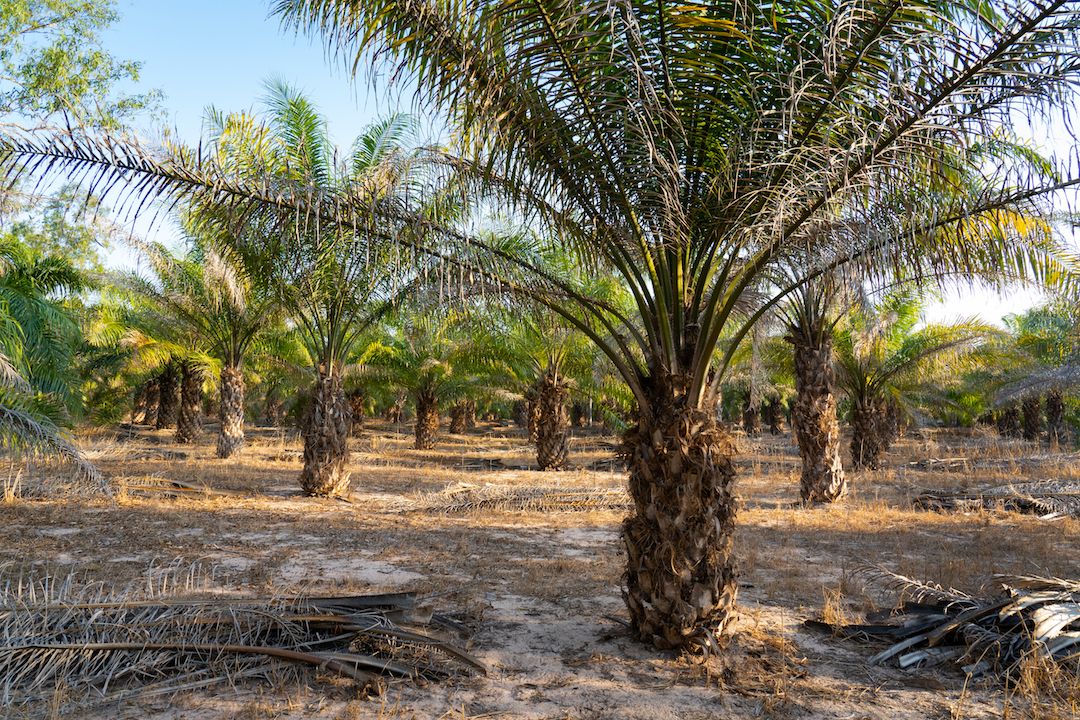
Few trees hold the weight of history, culture, and daily life the way the palm tree does in Igbo society. To many, it might seem as ordinary as just a source of palm oil or wine. But for the Igbo people, every leaf, trunk, and fruit carries meaning that connects families to their ancestors, marks the milestones of life, and sustains communities in ways that go far beyond its practical uses.
The products of the palm tree appear at every major moment of life. At welcoming a newborn. Celebrating a marriage. Or honouring the spirits of those who came before. Its oil sits in kitchens. Its wine seals bonds. And its presence anchors identity. This is not just a regular tree. It is a living symbol of life, prosperity, and continuity.
In this article, we explore the hidden treasure of the palm tree in Igbo culture as we reveal traditions, rituals, and stories that most people never see. We uncover how this remarkable tree affects the social, spiritual, and economic life of the Igbo People, and quietly holds the threads of generations together.
Who Are the Igbo People?

The Igbo people are one of the largest ethnic groups in Nigeria who dwell in the southeastern region of the country. They are known for their rich cultural heritage, strong sense of community, and deep connection to the land they inhabit. The Igbo society places high value on family ties, ancestry, and social responsibility with traditions that have been preserved for generations.
Historically, the Igbo people developed a decentralized system of governance. Communities were often organized around villages and clans, and the elders and councils guide social and cultural life. This system allowed them to maintain a strong sense of identity and cohesion, even before colonial influences reshaped the region.
The Igbo have long relied on agriculture, trade, and craftsmanship for their livelihood. Crops like yam, cassava, and palm products have been central to daily life. Among these, the palm tree holds a special place, not only as a source of food and wealth but also as a symbol of prosperity, social unity, and spiritual connection.
Culturally, the Igbo are rich in folklore, proverbs, music, and festivals, all of which convey values, history, and lessons from one generation to another. Their worldview emphasizes harmony with nature, respect for the ancestors, and the belief that objects and plants, like the palm tree carry meaning beyond the surface.
Learning about the Igbo people helps to explain why the palm tree is far more than a resource. It is a living symbol embedded in social, spiritual, and economic life.
The Palm Tree: More Than Just a Tree
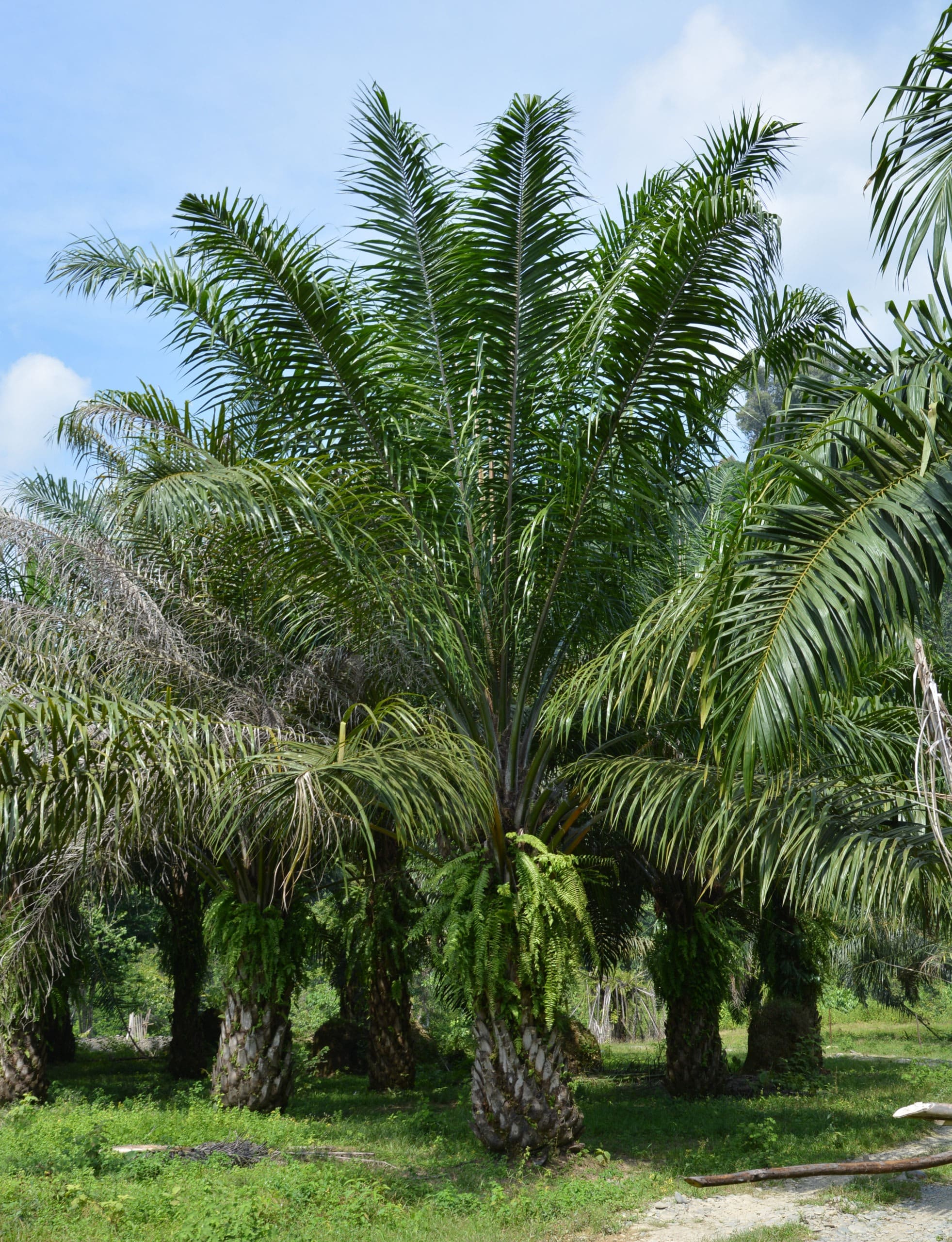
In Igbo culture, the palm tree is not just another plant standing on the farm or along the roadside. It is a symbol, a provider, and a witness to generations of family life. Its presence in a compound or farmland carries meaning that goes far beyond its practical uses. Every part of the tree, from its trunk, leaves, fruit, and sap has a role in daily life, ceremonies, and social traditions.
The most familiar product of the palm tree is palm oil which is extracted from the fruit of the oil palm. It is a staple in Igbo kitchens that is used to prepare different kinds of meals for the family and guests. It also plays a role in rituals, from ancestral offerings to marriage ceremonies where the dishes seasoned with palm oil can signify hospitality, respect, or prosperity.
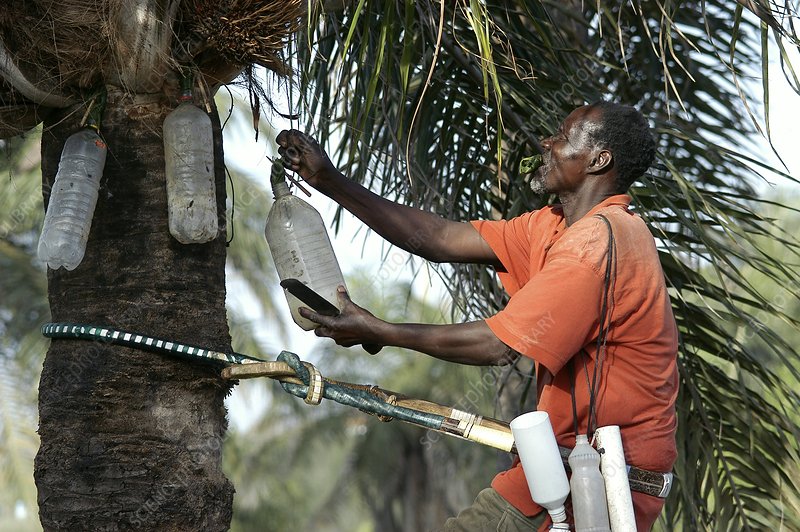
Palm wine is another vital contribution which is tapped from the sap of the palm tree. This slightly sweet drink is central to social gatherings, celebrations, and traditional rites. From welcoming visitors to sealing agreements and marking life milestones, palm wine serves as more than a drink. It carries connection, respect, and cultural meaning.
Even the leaves and trunk serve important purposes. Leaves are woven into roofing, mats, and baskets, while the trunk can be used for construction, carving, or tools. These materials provide shelter, craftwork, and livelihood, linking families to the land and to each other.
The palm tree also holds symbolic significance. In some communities, a newborn’s umbilical cord is buried at the base of a palm tree with the aim of creating a lasting connection between the child and the family land. This act highlights the role of the tree as a bridge between life, ancestry, and identity.
Through its practical uses, symbolic presence, and role in social life, the palm tree in Igbo culture becomes far more than a plant. It is a living participant in the community life, a source of sustenance, and a keeper of stories and traditions. Understanding this begins to reveal why the palm tree is often regarded as a “tree of life” among the Igbo.
Historical Roots of the Palm Tree in Igbo Society
The palm tree has been in the Igbo life for centuries. Its presence in farms, compounds, and markets has been central to survival, culture, and community organization. Historically, the tree was more than a resource. It was a cornerstone of daily life and intergenerational knowledge.
Before colonial influence, Igbo communities were largely agrarian. Families relied on farming for sustenance and trade, and the oil palm quickly became one of the most important crops. Palm oil was used for cooking, medicine, and ceremonial purposes, while palm wine supported social gatherings and rituals. Scholars note that the cultivation and use of oil palms were so widespread that mastery over their planting and harvesting was considered a key skill passed down through generations.
Trade in palm products also played a significant role in local and regional economies. Palm oil and kernels were exchanged within villages, sold at markets, or even exported during pre-colonial trade with other regions of West Africa. This economic importance strengthened the symbolic role of the palm tree, and linked wealth and prosperity to the land on which it grew.
Oral traditions and folklore also reflect the historical importance of the palm tree. Stories passed down through families often feature palm trees as sites of agreement, reconciliation, or celebration. They appear in proverbs and sayings that convey lessons about resilience, generosity, and connection to the land. These narratives highlight how intertwined the palm tree has been with cultural identity, far beyond its practical applications.
During important life events, for example, births and marriages, the palm tree played both practical and symbolic roles. For example, families often used palm wine to welcome a newborn or offered palm oil in rituals to honour the ancestors. By linking these ceremonies to the tree, the Igbo reinforced a sense of continuity across generations.
In simpler terms, the historical roots of the palm tree in Igbo society extend from the practical, that is, food, trade, craft, to the deeply symbolic, thus marking the tree as a central figure in life, heritage, and community well-being. It was, and continues to be, more than just a tree.
Cultural Significance of the Palm Tree
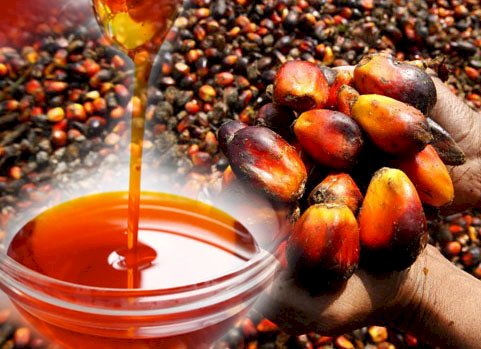
For the Igbo people, the palm tree is far more than a source of oil or wine. It holds a place of honour in social life, rituals, and family identity. Its significance is woven into daily routines, festive occasions, and long-standing traditions, making it a cultural anchor that has endured for generations.
A symbol of life and prosperity. The palm tree is often called a “tree of life” because it provides essential resources that sustain both body and community. Palm oil is a staple in Igbo kitchens as it nourishes families and enriches meals with flavour and tradition. It also represents wealth and productivity. Owning many palm trees historically indicated a family’s stability and ability to provide for future generations.
A symbol of hospitality and community. Hospitality is central to Igbo culture, and the palm tree supports this value through its products. Palm wine tapped from the tree is shared at gatherings, festivals, and important discussions. Offering palm wine is a gesture of welcome, respect, and goodwill. In social contexts, it helps to build and maintain relationships.
A marker of identity and heritage. Beyond its practical uses, the palm tree embodies family identity and heritage. In many Igbo communities, rituals involving the palm tree link individuals to the land and their ancestors. For instance, a newborn’s umbilical cord may be buried at the base of a palm tree which is a way of symbolically rooting the child to the family compound and connecting them to generations past. This practice highlights the role of the tree as a living symbol of belonging and continuity.
The palm tree is also embedded in storytelling, songs, and proverbs as a reflection of the values of resilience, generosity, and unity. These cultural expressions reinforce its presence not just as a plant but as a symbol of social cohesion and moral guidance.
In all these ways, the palm tree in Igbo society serves multiple roles simultaneously. It nourishes, sustains, and connects. It celebrates life and honours tradition. It is both a practical resource and a powerful cultural emblem. This proves that its importance goes far beyond what meets the eye.
Spiritual and Ritual Meanings
In Igbo society, the palm tree is not only valued for its physical products, it also carries spiritual weight. Many rituals, ceremonies, and traditional practices revolve around the palm tree.
One of the most visible spiritual uses of the palm tree is through palm wine in libation ceremonies. During these rituals, a small portion of palm wine is poured onto the ground as an offering to the ancestors, spirits, or deities. This act is a way of showing respect, seeking guidance, and maintaining harmony between the living and the spiritual world. The palm tree, as the source of the wine becomes an indirect participant in these sacred exchanges.
The palm tree also plays a role in life-cycle ceremonies. During births, marriage rites, or initiation ceremonies, palm products are used to symbolize purity, fertility, and prosperity. In some communities, the umbilical cord of a newborn is buried at the base of a palm tree, symbolically rooting the child to the land, the family lineage, and ancestral protection. This practice illustrates its role as a bridge between generations.
In marriage ceremonies like Igba Nkwu (traditional wine-carrying ceremony), the palm tree again takes centre stage. Palm wine tapped from the tree is offered by the groom to the bride’s family, signifying commitment, respect, and the union of two families. The tree itself, silent and enduring, witnesses these sacred promises, thereby reinforcing its symbolic power in social and spiritual life.
Even beyond formal rituals, the palm tree represents continuity and resilience in the spiritual imagination. Its ability to thrive across seasons and withstand harsh conditions mirrors human endurance, and offers a constant reminder of ancestral wisdom, moral values, and the importance of community ties.
Through these spiritual and ritual practices, the palm tree is elevated from a mere plant to a living emblem of Igbo identity that connects people to their past, nurtures the present, and guides the future generations.
Palm Tree in Igbo Daily Life and Economy
For the Igbo people, the palm tree is woven into the rhythm of daily life. Its presence goes far beyond cultural symbolism to directly influence how households function, how communities interact, and how local economies thrive. Every part of the tree finds practical use, thus making it a cornerstone of both survival and prosperity.
In the kitchen, palm oil extracted from the fruit is indispensable. It is used in soups, stews, and sauces, giving dishes their distinct flavour and vibrant colour. Families rely on palm oil not just for sustenance but as a marker of hospitality and care for guests. The oil is also an essential ingredient in ceremonial foods prepared for weddings, festivals, and community feasts.
The palm wine tapped from the tree plays an equally significant role. Beyond its spiritual and social uses, it is a staple at gatherings where agreements are reached, disputes are settled, and friendships are celebrated. Sharing palm wine strengthens bonds within families, clans, and communities, thereby reinforcing a sense of connection that extends far beyond the immediate household.
The economic value of the palm tree is undeniable. Palm oil and kernels are traded in local markets to provide income for many families. Farmers cultivate the trees carefully, knowing that each harvest supports the household and often contributes to the wider community economy. Palm fronds and trunks are used for building roofs, making mats, baskets, and other crafts. These products which are sold or bartered, demonstrate how the palm tree supports livelihoods in multiple ways.
In addition to its economic contributions, the palm tree also provides shade, fuel, and raw materials. Its role in sustaining families and communities is a living reminder of its nickname the “tree of life.” It does not simply exist on the land. It actively informs how people live, work, and interact with each other.
The presence of the palm tree in the economy and daily life reflects its multi-dimensional value – it nourishes, connects, and sustains. It is a source of food, income, and cultural continuity. This reveals that for the Igbo people, the tree is not merely a resource. It is an essential part of life itself.
Palm Wine
Among the Igbo people, palm wine is much more than a drink. It is a cultural symbol, a social glue, and a living tradition that connects generations. Extracted from the sap of the palm tree, it carries both practical and symbolic weight in daily life and ceremonial occasions.
In traditional marriage ceremonies, palm wine plays a central role. The groom presents freshly tapped palm wine to the bride’s family as a sign of respect, sincerity, and commitment. This simple act is far from ordinary. it is a declaration of unity between families and a ritual that has been practiced for generations. The palm tree, as the source of the wine becomes an invisible witness to promises and blessings.
Palm wine also has a key role in community gatherings and conflict resolution. Elders often share it during discussions by using it as a symbol of honesty, trust, and agreement. Refusing the offer of palm wine at such occasions can be seen as disrespectful.
In festivals and celebrations, palm wine is part of joyous expression. Its sweet, slightly fermented taste accompanies storytelling, dance, and music. The act of tapping the tree, sharing the wine, and drinking together fosters a sense of belonging and continuity. Every sip reminds the people of their heritage, their connections, and the rhythm of life shaped by the palm tree.
Economically, palm wine contributes to family income. Tappers often sell fresh palm wine in local markets, and this trade sustains households as well as preserves traditional knowledge about the trees and tapping techniques. It is a living example of how the palm tree supports both culture and livelihood simultaneously.
Through all these functions – ritual, social, celebratory, and economic, palm wine transforms the palm tree into a cultural institution as it is not merely a product of the tree, it is a reflection of Igbo values, social bonds, and ancestral traditions. The palm tree, therefore, holds a unique place in society where it quietly influences daily life, heritage, and identity.
Symbolism in Language, Proverbs, and Folklore
In the Igbo society. the palm tree is more than a source of food or income. It is a living symbol embedded in the language, wisdom, and stories passed down through generations. Its presence in proverbs, folktales, and songs reflects lessons about resilience, family, and social harmony.
Many Igbo proverbs use the palm tree to convey moral lessons. For example, a saying might liken a wise person to a palm tree that bends without breaking, thus highlighting the value of flexibility and endurance in the face of life’s challenges. Another proverb compares a prosperous family to a flourishing palm grove, here, emphasizing the link between careful stewardship and lasting wealth. These expressions show that the tree is not just physical but symbolic of character and virtue.
Folklore also highlights the cultural importance of the palm tree. Stories often feature the tree as a witness to human actions in celebrating honesty, revealing betrayal, or guiding decisions. In these tales, the palm tree becomes a silent observer in connecting the past, present, and future generations. Its longevity and constant presence make it a natural metaphor for continuity, stability, and legacy.
Even songs and celebrations reference the palm tree, particularly during festivals or communal events. Singing about palm wine, palms swaying in the wind, or the abundance of palm fruits is a way of honouring nature and the sustenance it provides. These artistic expressions keep the cultural significance of the palm tree alive with the aim of ensuring that each generation understands its role in social, spiritual, and economic life.
Through language, proverbs, and folklore, the palm tree becomes a cultural teacher that reminds the Igbo people of their values, history, and responsibilities. It is a source of wisdom and identity that silently guides daily life as well as anchors traditions in memory and story.
The Palm Tree in Modern Igbo Society
Even as urbanization, technology, and modern lifestyles change the way people live, the palm tree continues to hold relevance in Igbo society. Its presence has adapted to contemporary life, yet its cultural, social, and economic significance remains strong.
In cities and towns, families still use palm oil for cooking and palm wine for celebrations. Traditional marriage ceremonies, community festivals, and title-taking events continue to rely on products from the palm tree as a way of bridging the gap between ancestral practices and modern life. The tree remains a living part of daily routines and cultural rituals.
However, modernization has brought challenges. The younger generations may show less interest in tapping palm wine or cultivating palm trees. This may lead to concerns about the preservation of these traditions. Despite this, families and communities still find ways to integrate the palm tree into education, storytelling, and cultural preservation initiatives.
The palm tree also continues to have economic importance. In urban markets, palm oil and palm wine remain key commodities. Artisans and craftspeople still use the leaves, fronds, and trunks for traditional crafts. Its versatility allows it to adapt to changing social and economic landscapes, even as it retains its symbolic value.
Culturally, the palm tree acts as a living link to heritage as it reminds the modern Igbo communities of their history, traditions, and ancestral connections. Even in a rapidly changing world, the tree stands as a symbol of resilience, continuity, and identity. A quiet reminder of the values and practices that define Igbo life.
Misconceptions About the Palm Tree in Igbo Culture
Despite its central role in Igbo life, the palm tree is often misunderstood or underestimated by outsiders and even some younger members of the community. Misconceptions can obscure its cultural, spiritual, and economic significance, and reduce it to merely a source of oil or wine.
One common misconception is that the palm tree is only valuable for commercial purposes. While palm oil and palm wine are economically important, the symbolic and ritual roles of the tree are equally significant. For example, its use in life-cycle ceremonies, ancestral rituals, and community gatherings highlights its role as a cultural cornerstone rather than a purely economic resource.
Another misunderstanding is that palm tree rituals are outdated or irrelevant in modern society. Some may assume that tapping palm wine or offering palm oil meals in ceremonies is purely ceremonial with no deeper meaning. In reality, these practices reinforce social bonds, honour ancestry, and preserve identity. They are living traditions that continue to guide social behaviour and maintain cultural continuity.
A third misconception is that the palm tree is universally abundant and easy to replace. While oil palms are widespread, mature trees take years to grow, and unsustainable harvesting can harm local ecosystems and livelihoods. Preserving the palm tree is, therefore, not just a cultural concern, it is also an environmental and economic priority.
Finally, some outsiders view the palm tree purely as a utilitarian plant, overlooking its role in language, folklore, and proverbs. Its presence in Igbo proverbs, songs, and storytelling demonstrates its influence on moral teaching, wisdom, and social cohesion. Ignoring these aspects diminishes the understanding of its true importance.
Addressing these misconceptions allows for a fuller appreciation of the palm tree in Igbo culture. It is not merely a plant or commodity, it is a symbol of life, heritage, and continuity, a source of sustenance, identity, and social cohesion that deserves recognition and respect.
In Conclusion …
The palm tree is far more than a common plant in Igbo society. It is a living symbol of life, heritage, and resilience. It connects generations through its presence in daily life, ceremonies, and economic activities. From gracing kitchens with its oil to strengthening bonds with its wine, the tree quietly impacts the rhythms of social, spiritual, and cultural life.
Its roots run deep into history, and link families to their ancestors, communities to shared traditions, and individuals to enduring values. In language, proverbs, and folklore, the palm tree continues to teach lessons about perseverance, generosity, and unity. Even in modern Igbo society where urbanization and technology are reshaping lifestyles, the tree remains a cultural anchor, a reminder of identity and continuity.
Understanding the significance of the palm tree reveals more than its practical uses. It highlights the wisdom, values, and resilience of the Igbo people and shows how a single tree can nurture not just bodies, but communities, traditions, and spirit. Preserving and honouring the palm tree is, therefore, not simply about conserving a resource, it is about celebrating life, culture, and the bonds that hold society together.
References
- https://africansknow.com/oil-palm-and-the-traditional-igbo-family/
- https://ir.unilag.edu.ng/bitstreams/af050897-27e7-4c31-91b0-1d29598c838b/
- https://www.belfordscorelines.com/2024/06/the-benefit-of-palm-tree-to-igbo-people.html
- https://bec.uac.bj/uploads/publication/993d59a383ff1ccf2fd2eb03a45a9a79.pdf
- https://www.afriklens.com/how-palm-wine-became-a-nigerian-cultural-symbol/
- https://www.nigerianewspoint.org/2025/12/19/palm-wine-on-the-brink-the-looming-extinction-of-an-igbo-cultural-legacy/
- https://en.wikipedia.org/wiki/Palm_wine
You may want to check this out …