







African Culture
Totems in Igbo Cosmology: Deep Meaning, Powerful Symbolism, and Spiritual Significance

Totems in Igbo cosmology reveal the deep meaning, powerful symbolism, and spiritual significance of one of the traditional beliefs of Igbo people. Discover sacred animals, trees, and natural elements that hold a place in Igbo society and how they shape identity, guide morality, preserve history, and connect communities to nature and ancestry.
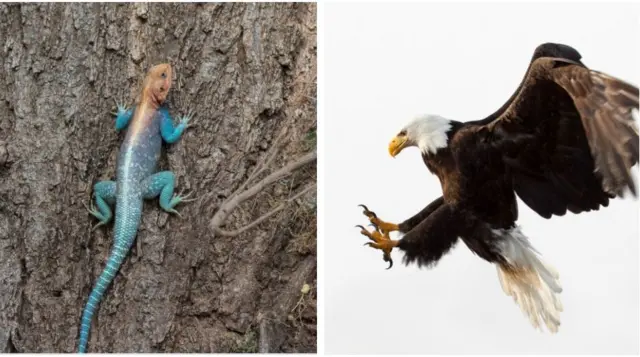
In many Igbo communities, there are certain animals that are never harmed. For instance, a python may pass through a town like Nnewi and many other Igbo communities unharmed. A tree may stand untouched for generations. These are not random customs or simple traditions. They point to something deeper. Something rooted in belief, memory, and identity.
This are totems!
In Igbo cosmology, totems are more than symbols found in stories. They are part of how people understand life itself. They connect the visible world to the unseen. They carry meaning tied to ancestry, community history, and spiritual awareness. In some cases, a totem tells the story of survival. In others, it serves as a quiet guide for how people should live and relate to the world around them.
If you listen closely, you will notice that totems are woven into everyday life. They appear in taboos, in naming, in the way nature is treated, and in the respect given to certain animals and places. They are not distant ideas. They are lived realities.
This article takes a closer look at totems in Igbo cosmology by exploring their deep meaning, powerful symbolism, and spiritual significance. You will learn where these beliefs come from, what they represent, and why they still matter today, even in a fast-changing world.
What Are Totems in Igbo Cosmology?
In Igbo cosmology, totems are animals, plants, or natural objects that hold special meaning for a family, lineage, or community. They are not chosen at random. Each totem is tied to history, belief, and identity, often passed down through generations.
At a basic level, a totem can be seen as a symbolic link between people and nature. But within the Igbo worldview, it goes deeper than symbolism. Totems are understood as part of a living system where the physical world and the spiritual world are closely connected.
A totem may take different forms. In many Igbo communities, it could be:
- An animal such as a python, crocodile, or bird
- A tree like the iroko or other sacred plants
- A natural element such as a river or stone
What makes something a totem is not its physical form, but the meaning attached to it. That meaning often comes from a story. It could be an account of how an ancestor was protected by a particular animal, or how a community’s survival was linked to a natural element. Over time, that connection becomes part of the identity of the group.
It is also important to understand what totems are not. Totems are different from deities and ancestors. Deities, like the earth goddess, have defined spiritual authority and are approached through worship and ritual. Ancestors are family members who have passed on and are believed to watch over the living. Totems, on the other hand, serve more as sacred symbols and cultural markers. They may be respected, protected, and even feared. But they are not worshipped in the same way as deities.
In many cases, totems come with rules. A community that identifies with a particular animal may forbid harming or eating it. Breaking such a rule is not seen as a small mistake. It can carry social and spiritual consequences, because the totem represents something much larger than itself.
In simple terms, totems in Igbo cosmology are a way of expressing connection. They connect people to their past, to their environment, and to the deeper spiritual order that guides life.
Historical and Cultural Origins of Totems in Igbo Society

The story of totems in Igbo society began long before the written records. It lives in oral tradition, in migration stories, and in the shared memory of communities. To understand where these sacred objects or animals come from, you have to look at how the Igbo people made sense of their environment, their experiences, and the unseen forces they believed guided life.
In many cases, the origin of a totem is tied to a defining moment in a community’s history. It could be a time of danger, survival, or migration. For example, an animal might have led a group to safety, or a natural element like a river or tree might have provided protection or refuge. Over time, that experience is remembered, retold, and preserved. The animal or object involved becomes more than part of the story. It becomes a symbol of identity.
These connections were not taken lightly. As generations passed, the relationship between the people and their totem grew stronger. What started as an event became a cultural marker that shaped how the group saw itself and how others recognized it.
Historical studies of Igbo society show that totems were also linked to early settlement patterns and lineage formation. When families or clans established new communities, they often carried their totems with them. In some cases, these objects/animals influenced place names, local customs, and even social structure. This means that totems were part of how communities organized themselves, not just how they expressed belief.
Another important source of these sacred emblems is spiritual interpretation. In the Igbo worldview, events are rarely seen as purely physical. Encounters with animals, dreams, or unusual happenings could be understood as messages from the spiritual realm. When such experiences were repeated or widely accepted, they could give rise to a totem. In this sense, these ancestral symbols are not only historical but also spiritual in origin.
It is also worth noting that totems were not uniform across Igboland. Different communities developed theirs based on their unique experiences and environments. A riverine area might attach meaning to aquatic animals, while a forest community might identify with trees or land animals. This diversity reflects the adaptability of Igbo culture and its close relationship with the natural world.
Over time, these origins became embedded in daily life. Totems influenced customs, guided behaviour, and helped to preserve collective memory. Even when the original event was no longer fully remembered, the totem remained, and carried its meaning forward.
In essence, the historical and cultural roots of totems in Igbo society lie in a combination of lived experience, spiritual interpretation, and communal identity. They are reminders of where a people have been, what they have faced, and how they have chosen to understand their place in the world.
The Role of Totems in Igbo Cosmology
In Igbo cosmology, totems are not just cultural markers. they are, rather, active participants in the way communities understand life, morality, and the spiritual order. They serve multiple functions in connecting humans, nature, and the unseen world in ways that are both practical and symbolic.
As Spiritual Intermediaries
Totems often act as bridges between the physical and spiritual realms. Some are believed to carry messages from the divine or to signal the presence of spiritual forces. For example, certain animals or trees might be interpreted as signs of approval or disapproval from ancestral spirits or deities. By observing these ancestral beliefs, people can navigate complex social and spiritual realities with guidance and caution.
As Identity Markers
A totem is a symbol of who a person, family, or community is. It defines lineage, heritage, and sometimes, even social roles. Communities recognize themselves and each other through the sacred symbols they associate with in a way that creates a shared sense of belonging and continuity. These markers help to distinguish one group from another, thus reinforcing cultural identity and cohesion.
As Protectors of Communities
Many Igbo communities believe that totems offer protection. A sacred animal, plant, or natural object is treated with respect because it is thought to safeguard the community from harm. Harming or disrespecting a totem is considered dangerous, as it may invite misfortune or spiritual consequences. This protective function extends beyond the individual to encompass entire families or settlements.
As Guides for Ethical Behaviour
These sacred emblems are closely tied to morality and social conduct. They embody lessons on respect, discipline, and responsibility. By honouring them, people are reminded of the ethical standards of their community. Rules and taboos surrounding them serve as a form of social regulation that ensures harmony and order within the group.
As Connection to Nature
Totems also emphasize the interconnectedness of humans and the environment. They remind communities that nature is not simply a resource to be exploited but a partner in life and survival. Observing and respecting these sacred objects/animals fosters a sustainable relationship with animals, plants, and the natural elements.
As Preservers of History and Memory
Finally, totems are living records of history. They often originate from significant events. An encounter with a particular animal. A survival story. Or a notable occurrence in the community’s past. As symbols, they preserve these memories, allowing future generations to understand their roots and the experiences of their ancestors.
In summary, totems in Igbo cosmology are multifunctional. They are spiritual guides, markers of identity, protectors, moral instructors, and links to nature and history. Their presence in daily life reflects a worldview where the physical, social, and spiritual realms are deeply intertwined, thus making them an essential feature of Igbo culture and cosmology.
Symbolism of Totems in Igbo Culture

In Igbo culture, totems are rich with meaning. They are not just physical objects or animals. They carry stories, lessons, and values that guide people in daily life. Each totem represents something greater than itself, often serving as a symbol of history, identity, morality, or spirituality.
Symbols of Identity. Totems often signify who a person or community is. For example, a clan may identify with the python, the crocodile, or a specific tree. These symbols help to distinguish one group from another and create a shared sense of belonging. They are a silent reminder of ancestry and the community’s journey through history.
Moral Guide. Many of these sacred objects/animals are tied to rules or taboos. These are not arbitrary restrictions but lessons embedded in everyday life. For instance, a community that reveres the python may forbid killing it. Such prohibitions teach respect for life and the consequences of breaking cultural or spiritual laws. In this wise, totems act as moral guides that form behaviour and reinforce ethical conduct.
Spiritual and Ancestral Connections. Totems also carry spiritual significance. Some are believed to connect the living with ancestral spirits or even with the divine. For example, a sacred tree may be seen as the home of spirits or a conduit for communication with the ancestors. By respecting the totem, people maintain harmony with the spiritual world, ensuring guidance and protection for their community.
Totems and Historical Memory. Many of these ancestral symbols have stories attached to them. An animal or tree may commemorate a historical event, a survival story, or a significant encounter in the community’s past. For example, a clan might adopt the crocodile as a totem because it once protected their ancestors during a flood or migration. In this sense, totems are living memory that keep the lessons and achievements of the past alive for future generations.
Symbolism of Common Totems
- Python: Wisdom, spiritual authority, protection
- Crocodile: Strength, resilience, adaptability
- Iroko tree: Longevity, ancestral presence, stability
- Kola nut tree: Hospitality, community bonding, sacred ritual
These examples show how natural elements become carriers of cultural values. They are not just respected because they exist in nature but because they hold meaning, guide action, and connect humans to the spiritual and historical dimensions of life.
Totems as Guides for Everyday Life. Beyond ritual and symbolism, totems influence practical aspects of life. They guide how people interact with nature, how they conduct themselves in the community, and how they remember and honor the past. Even in ordinary daily routines, the presence of a totem reminds people of their responsibilities and their place in the wider cosmic order.
Overall, totems in Igbo culture are symbols with multiple layers of meaning. They define identity, teach morality, connect communities to the spiritual world, preserve history, and guide human behavior. Each totem carries a story, a lesson, and a spiritual presence, making them central to Igbo life and worldview.
Totems, Taboos, and Moral Order
In Igbo society, totems are closely linked to rules and taboos that govern behaviour. These taboos are part of a moral system that guides individuals and communities. By following them, people maintain harmony, show respect for the spiritual world, and honour the legacy of their ancestors.
A taboo is a rule or prohibition, often tied to a totem. For instance, if a community has adopted the python as a totem, killing, harming, or even disturbing the python is forbidden. Similarly, certain trees, rivers, or animals may not be cut, eaten, or misused. These prohibitions serve multiple purposes. They protect the sacred object, ensure the well-being of the community, and maintain a spiritual connection.
Totems and their taboos do more than protect the sacred. They shape behaviour and uphold community values. For example, prohibitions against harming a totem teach people to value all living beings. Shared respect for a totem reinforces unity within a family or clan. Violating a totemic taboo can result in social sanctions or spiritual consequences.
In Igbo belief, these sacred elements carry spiritual presence and authority. Disrespecting a totem may be interpreted as offending ancestral spirits or the divine. Such actions are believed to invite misfortune, illness, or communal disturbance. This spiritual dimension reinforces the seriousness of the taboos and helps to sustain the moral order.
Totems act as silent guides for ethical conduct. They encourage honesty and integrity, respect for nature and life, observance of cultural norms, and awareness of one’s responsibilities within the community.
Through this system, they help communities navigate daily life while maintaining a moral and spiritual framework.
In essence, the connection between totems, taboos, and moral order shows how Igbo cosmology integrates culture, ethics, and spirituality. Totems are instruments through which communities uphold values, protect the sacred, and ensure balance in both social and spiritual life.
Totems and Identity in Igbo Communities

In Igbo culture, totems play a vital role in shaping identity. They are living expressions of lineage, ancestry, and community belonging. A totem connects individuals and families to their history, and guides how they see themselves and how others recognize them.
Many Igbo families or clans adopt a particular animal, tree, or natural object as their totem. This becomes a symbol of their lineage. For example, a family that reveres the python as a totem identifies itself through this connection. Respecting the python is not just a cultural duty to them, it affirms the family’s heritage and continuity. Such associations help communities trace ancestry and maintain genealogical records, especially in societies where written documentation was historically limited.
These ancestral symbols also foster a sense of collective identity. Members of a clan or community recognize themselves and each other through shared totems. These symbols reinforce social cohesion and create a sense of unity. They act as cultural badges that silently communicate membership and shared values. For instance, during festivals, rituals, or communal gatherings, the symbols may guide seating arrangements, roles, or ceremonial duties.
Totems influence naming conventions, rituals, and social etiquette. Children may be given names linked to their family’s totem, or ceremonies may include offerings and gestures that honour it. Such practices ensure that identity is passed down through generations in a way that keeps cultural heritage alive.
Beyond families, totems help distinguish one community from another. Two neighbouring communities may have entirely different ancestral emblems, each reflecting unique histories, values, or environmental experiences. These distinctions prevent confusion, establish boundaries, and highlight diversity within Igboland while maintaining respect for their sacred symbols.
Ultimately, totems in Igbo communities are markers of lineage, instruments of belonging, guides for cultural expression, and tools for social distinction. Through totems, identity is lived, remembered, and shared, thereby making them central to both personal and communal life.
Totems and Environmental Conservation
In Igbo culture, totems do more than carry spiritual or cultural significance. They also play a practical role in protecting the environment. By linking sacred value to certain animals, plants, or natural sites, they help communities to preserve ecosystems and maintain ecological balance.
Many these symbols are tied to animals or trees that are considered sacred. For instance, the python or certain species of birds may not be hunted or harmed. Similarly, sacred groves and specific trees like the iroko are often protected from cutting. These practices naturally conserve biodiversity, as they ensure that key species and habitats remain intact.
The respect for these objects encourages communities to interact with nature thoughtfully. Water sources, forests, and animals associated with totems are treated carefully. This promotes sustainable use of natural resources. These traditional practices predate modern environmental conservation methods but achieve similar outcomes.
Igbo totems reflect local understanding of ecosystems. By preserving certain species and sites, communities maintain ecological balance, protect soil, and conserve water sources. The knowledge embedded in totemic practices demonstrates that traditional beliefs and environmental stewardship are closely linked.
Even today, the principles behind these sacred elements can inform modern environmental conservation strategies. Sacred groves, protected rivers, and taboo species offer models for sustainable resource management. By combining traditional respect for totems with modern ecological knowledge, communities can protect biodiversity while maintaining cultural heritage.
Essentially, totems in Igbo culture are practical tools for conserving nature, ensuring the survival of species, and maintaining harmony between humans and the environment. The reverence for them is a reminder that culture and ecology are deeply intertwined.
Regional Variations Across Igboland
While the concept of totems is widespread among the Igbo, practices and beliefs surrounding them vary from region to region. These differences reflect the diversity of environments, histories, and cultural experiences across Igboland.
The natural landscape plays a major role in shaping totemic practices. Communities living near rivers may adopt aquatic animals, such as crocodiles or fish, as totems. Forested areas may revere trees like the iroko or sacred animals like certain birds. The environment not only provides the physical form of a totem but also influences the symbolism and spiritual significance attached to it.
Historical events and lineage also affect totem choices. Some clans may trace their origin to a particular animal that guided their ancestors during migration. Others may adopt a tree or stone associated with a founding event. These variations highlight how totems preserve local histories and ancestral stories unique to each community.
Different regions may have distinct ways of honouring their sacred elements. For example, in some areas, the python is revered with strict taboos and ceremonial burial rites. In other regions, certain birds or river animals are central to festivals or initiation rites, and sacred trees or groves may host annual rituals unique to that locality.
These regional differences do not weaken the concept but rather enrich the cultural landscape of Igboland. They show how a single belief system adapts to local realities while maintaining its core purpose, that is, connecting humans, nature, and the spiritual world.
Despite these variations, the underlying principles of totems, namely, respect for nature, spiritual connection, and cultural identity remain consistent. Totems across Igboland serve as unifying threads in Igbo cosmology, even as each community interprets and practices them in ways that suit its unique environment and history.
Summarily, regional variations in Igbo totemic practices reflect the adaptability and richness of the culture. They demonstrate how the same core beliefs can take multiple forms in creating a heritage of traditions that is both diverse and cohesive.
Common Misconceptions About Totems
Despite their deep cultural and spiritual significance, totems in Igbo society are often misunderstood. These misconceptions can distort how outsiders, and sometimes, even the younger people perceive their role. Clarifying these misunderstandings helps to appreciate the richness of Igbo cosmology.
Many people assume that totems are objects of worship. In reality, they are symbolic and sacred, but they are not deities. They are respected and protected because they represent lineage, ancestry, or spiritual presence, but they are not approached in the same way as deities like Ala or Amadioha.
Another common belief is that totems possess inherent magical powers. While some of them are associated with protection or spiritual guidance, their significance comes from cultural belief and collective respect, not from mystical powers on their own. The influence of a totem depends on the community’s recognition and adherence to its rules.
Some people think totems are relics of the past with no place in modern society. However, they remain relevant, as they influence social behaviour, identity, environmental conservation, and cultural education. Even in urban areas, families often maintain respect for their ancestral totems, thus preserving traditions in adapted forms.
Totemic practices vary widely between regions and clans. Assuming that all Igbo communities share the same totems or rituals oversimplifies a complex system. Regional differences reflect the diversity of history, environment, and cultural experience in Igboland.
Finally, some perceive totems as mere symbols with no practical impact. In truth, they influence moral conduct, social order, and environmental stewardship. This makes them deeply integrated into everyday life and communal identity.
By addressing these misconceptions, it becomes clear that totems are neither magical nor obsolete. They are meaningful, dynamic elements of Igbo culture that guide behaviour, preserve history, and sustain the community’s relationship with the natural and spiritual worlds.
Totems in Contemporary Igbo Society
Even in modern times, totems remain relevant in Igbo communities, though their roles have evolved. Urbanization, education, and globalization have changed how people interact with traditional practices. But then, the cultural, spiritual, and social significance of these sacred elements continues to influence life in subtle and meaningful ways.
In contemporary Igbo society, they continue to serve as markers of identity and lineage. Families maintain respect for their ancestral totems by teaching children the stories, taboos, and lessons associated with them. These sacred objects are often referenced in ceremonies, festivals, and naming practices as a way of helping the younger ones connect to their heritage, even in urban or diaspora settings.
While traditional taboos may not be enforced as strictly as in the past, totems still shape behaviour and ethics. Communities use them to teach respect for life, environmental awareness, and social responsibility. They offer a link between modern life and ancestral wisdom, and remind people of the values that have sustained their communities over centuries.
The ecological lessons embedded in totemic practices remain relevant. Sacred groves, protected trees, and animal taboos provide practical guidance for sustainable living and conservation. Contemporary environmentalists in Igboland often draw on these traditions as models for preserving biodiversity and promoting ecological responsibility.
For Igbo people living in cities or abroad, totems serve as a cultural anchor. They are symbols of heritage and belonging that keep individuals connected to their roots. Families may celebrate totemic traditions during festivals, naming ceremonies, or storytelling sessions with the aim of ensuring continuity of identity even when distant from ancestral lands.
Schools, cultural organizations, and community groups are increasingly using totems as educational tools. Teaching children about their clan or community totems reinforces history, ethics, and spiritual understanding. It also promotes pride in Igbo heritage while adapting traditional practices to contemporary life.
Overall, totems in contemporary Igbo society still provide spiritual guidance, cultural identity, ethical lessons, and environmental awareness. They bridge the past and present, and ensure that Igbo cosmology remains a living, dynamic part of daily life despite the challenges of modernization.
Why Totems Are Still Significant Today
In a world that changes rapidly, totems may seem like ancient relics. Yet, in Igbo culture, they continue to hold relevance and importance. Their significance is not limited to spiritual or historical contexts. They actively shape identity, behaviour, and community values even today.
Totems are living connections to history and ancestry. They keep stories, lineage, and traditions alive, and in doing so, provide a sense of continuity for families and communities. In teaching the younger ones about them, the elders pass on lessons about respect, responsibility, and belonging as a way of ensuring that Igbo culture remains vibrant and understood.
Totems influence morality and social behaviour. By following taboos or respecting sacred animals, trees, or rivers, individuals learn lessons about respect for life, community responsibility, and harmonious living. These practices help to maintain social cohesion and personal accountability, thus showing that totems are not merely symbolic but practical guides for ethical living.
Many of the sacred symbols are associated with natural elements, like animals, trees, or water bodies. By protecting these sacred symbols, communities inherently conserve the environment. In an age of deforestation and biodiversity loss, totemic respect offers a model for sustainable living and ecological awareness rooted in cultural values.
Totems foster a sense of belonging and unity. They distinguish one family, clan, or community from another, and reinforce shared values and collective memory. Festivals, rituals, and ceremonies connected to these objects create spaces where identity is celebrated and communal bonds are strengthened.
These sacred elements act as a bridge between generations. Even as modern life introduces new ideas and lifestyles, they remind people of the wisdom of their ancestors. They provide a sense of grounding that offer continuity amidst rapid societal changes.
In essence, totems still matter today because they are more than cultural symbols. They are guides, protectors, and teachers that link people to nature, ancestry, and the ethical frameworks that sustain community life. By respecting and understanding them, the Igbo society preserves not just its past but also principles that remain relevant in the modern world.
In Conclusion …
Totems in Igbo cosmology are living symbols that connect people to their ancestry, their environment, and the spiritual world. Through animals, trees, rivers, and other natural elements, they carry powerful meanings, guide moral behaviour, and preserve history across generations.
They serve as markers of identity that remind communities who they are and where they come from. They also enforce social norms and taboos, ensuring harmony within families and villages. Beyond human society, they encourage respect for nature as they protect sacred animals, trees, and ecosystems in ways that align with modern environmental conservation.
Even today, in urban centres and diaspora communities, totems continue to hold relevance. They educate, inspire, and connect individuals to their heritage while bridging the gap between past wisdom and present life.
Ultimately, totems are a testament to the depth and richness of Igbo culture. They demonstrate how belief, identity, and ethics can be intertwined with the natural and spiritual worlds. Understanding and respecting these sacred elements is not just about preserving tradition, it is about embracing a worldview that values connection, responsibility, and reverence for life itself.
References
- https://journals.unizik.edu.ng/index.php/oj/article/view/1351
- https://www.acjol.com/
- https://shs.cairn.info/journal-cahiers-d-etudes-africaines-2009-4-page-953?lang=en
- https://www.frontiersin.org/articles/10.3389/fevo.2026.1732469/full
- https://ozikoro.com/animal-totems-in-igbo-culture-sacred-symbols-and-spiritual-significance/
You might want to check this out …